




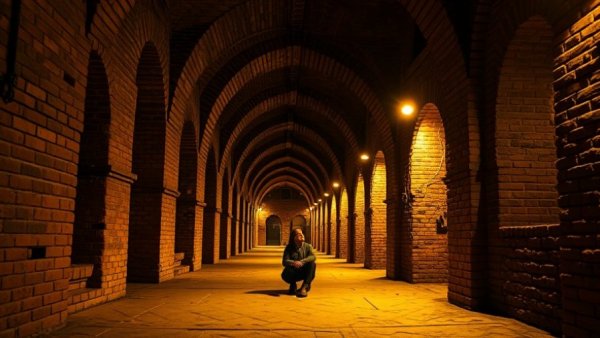
Esther's Journey: A Story of Faith and Resilience
In a small corner of the world, Esther, a 12-year-old girl, embodies the resilience and hope of countless Christians forced to flee their homes due to persecution. Her mother, Mary, once lived in Iran, where they faced dangers that compelled them to seek refuge away from their homeland. Today, their story signifies not only a personal journey but also the ongoing struggles of believers in Iran, a country where faith can have dire consequences.
The Weight of Heritage: Understanding the Stories of Iranian Christians
Mary’s tales of their past highlight the rich heritage that Esther is striving to understand and cherish. Her stories of home gatherings, where songs were sung in low voices to avoid detection, speak to the deeply rooted community among Iranian believers. “We were thirsty to learn more about Jesus,” Mary reminisces, reflecting a hunger for spiritual nourishment that remains unquenched for many inside Iran today.
Esther's Poetic Expression: A Young Voice for Perseverance
Esther has taken her experiences and transformed them into art, writing a poignant poem that reflects her mother’s journey and her longing for a homeland that is currently out of reach. In her poem, she describes the pain of departure, the sense of loss, and the unwavering hope for the future. “Today, I leave to survive,” Esther writes, capturing a sentiment that resonates with many young people caught in the web of persecution and conflict.
The Power of Prayer: Standing in Solidarity with the Persecuted
Both Esther and Mary emphasize the importance of prayer—not only for their own family's safety but for the believers still in Iran. Esther's prayer for fellow Christians showcases a profound empathy and connection, a reminder that their struggles unite them with a larger global community. Through their online ministry, they extend support to fellow believers, fostering hope and solidarity that transcends borders.
Understanding the Broader Context of Religious Persecution
Theirs is not just a personal tale but one that reflects the broader realities faced by Christians in Iran. As outlined in various reports, the government’s stance toward non-Islamic religions continues to be hostile, with arbitrary arrests and imprisonments being commonplace. Mary recalls the painful memory of her father being taken by secret agents for merely sharing the Bible. This narrative is a stark reminder of the daily threats that Iranian Christians face.
Empowering Voices: Addressing Misconceptions About the Persecution of Christians
Many misconceptions surround the plight of Christians in Iran. Some may think that being a minority is simply about cultural differences; however, for many, it means navigating a treacherous landscape of fear and potential violence. Understanding these nuances is crucial in amplifying the voices of the oppressed. As David Cohen points out in his analyses, recognizing the weight of their faith amidst such persecution fosters empathy and understanding.
Actionable Insights: What Can We Do?
As mission-minded individuals and advocates for social justice, there are actionable ways to stand in solidarity with persecuted Christians like Esther and Mary. Supporting organizations that work directly with fledgling communities or writing letters of encouragement to imprisoned believers can make a tangible impact. Educating oneself about the religious tensions in the Middle East can be a first step towards advocacy, ensuring that these stories of resilience reach a wider audience.
Hope for the Future: Believing in Change
Esther exemplifies a spirit of hope that many carry in their hearts, envisioning a day when she can return to Iran, worship freely, and connect with a community that shares her faith. Her mother instills in her the value of believing for a better future, not just for their family, but for the many Christians still facing persecution.
This story enriches our understanding of faith’s role in times of trial. As we pray for Esther and her family, may we also be inspired by their courage, finding ways to uplift those whose voices are often silenced.




Write A Comment