




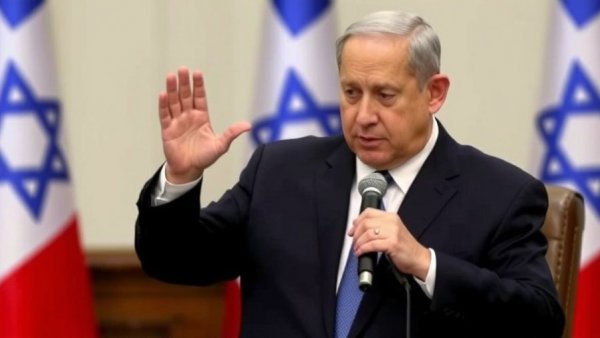
Netanyahu’s Call for Military Action: A Dangerous Gamble
The geopolitical landscape is becoming increasingly volatile as Israeli Prime Minister Benjamin Netanyahu pushes for the United States to engage in a significant air campaign against Iran. In a recent report by The Times of London, Netanyahu is suggesting a targeted military operation that could last between four to seven days. This proposed intervention comes amid rising concerns regarding Iran’s nuclear ambitions, particularly at critical sites like the Isfahan nuclear facility.
Understanding Iran’s Political Climate
Iran's Foreign Ministry has firmly stated that any negotiations with the U.S. will only be based on seven conditions previously set by Tehran. These conditions represent the Iranian government's steadfast approach to its nuclear program and broader foreign policy, reflecting its resistance to U.S. influence in the region. The complex relationship between the U.S. and Iran continues to pose a challenge for diplomatic efforts, especially as tensions escalate.
Trump's Considerations on Military Action
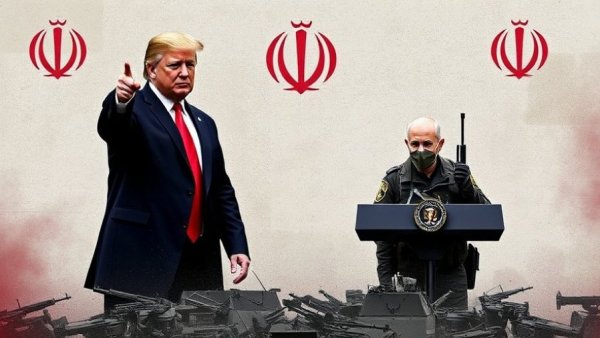
Interestingly, former President Donald Trump has been reported to lean towards a substantial attack on Iranian infrastructure and nuclear sites. However, he remains undecided about taking decisive action. This indecision highlights the challenges political leaders face in balancing military responses with the potential for severe repercussions, not only for regional stability but for global peace as well.
The Broader Context and its Implications for Faith Communities
For many within the Christian faith, including globally aware Christians and social justice advocates, these developments in the Middle East are especially pertinent. The prospect of war raises ethical questions and stirs deep concerns for those advocating for peace and reconciliation. Just as believers are called to love and protect their neighbors, the escalation of military options presents a moral quandary, challenging faith communities to consider their role in promoting peace over conflict.
Historical Precedents: Lessons from the Past
The notion of military interventions is not new, and history offers lessons that both leaders and citizens should heed as they analyze the current situation. Past military engagements in the region have often led to prolonged conflicts with unforeseen consequences, raising questions about the efficacy and morality of such actions. As advocates for peace, it is critical to remember the teachings of Jesus about turning swords into plowshares and the importance of dialogue over violence in resolving differences.
Looking Ahead: What’s Next for U.S.-Iran Relations?
As tensions escalate, it's essential for faith-based and humanitarian organizations to remain vigilant and active in calling for peace. This situation presents an opportunity to engage in advocacy for diplomatic solutions. Fostering interfaith dialogue and community-based initiatives can bridge gaps and cultivate understanding among diverse groups impacted by the tensions between these nations.
In conclusion, as global citizens and faith communities watch the unfolding drama between Israel, the U.S., and Iran, it is imperative to call for peace and humanitarian considerations, remembering that in any conflict, the innocent often bear the greatest burden. Engaging in advocacy for peaceful resolutions and standing alongside persecuted communities can help shift the narrative towards reconciliation and understanding, promoting a future where all can coexist in harmony.



Write A Comment