




Unpacking the Tensions Behind Israel's Political Maneuvering
The complexities surrounding Israeli politics are often thick with tension, particularly when it comes to issues of security and governance. The recent events surrounding Israel's Election Day sent ripples through the nation, revealing deeper concerns regarding accountability and justice. The appointment of Maj. Gen. Yair Hezroni to investigate these events is crucial. The Israeli public deserves answers—especially regarding the accusations and subsequent arrests of Arab citizens. How far did the influence of the Prime Minister's Office stretch?
Trust Issues: The Public's Reaction
One might wonder why there was relative apathy among the Israeli populace following the arrests of three Arab Israelis. Is it due to a long-standing societal schism, or are the shadows of political maneuvering to blame? The emotional distance many Israelis feel toward Arab communities often results from systemic issues, framing citizens' rights and justice in a vastly different narrative. Public trust in institutions like the police and Shin Bet appears to be at a critical low, leading to questions about the integrity of those in charge of guarding this trust.
What’s Next for IDF Chief Eyal Zamir?
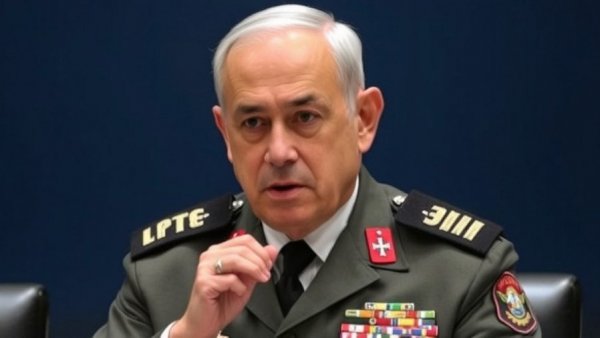
While the political landscape shifts, IDF Chief of Staff Lt. Gen. Eyal Zamir stands out as a figure of caution. Zamir's insistence on the need for broad national consensus before military action—especially concerning Iran—highlights his understanding of the delicate balance that must be maintained within Israeli society. The importance of this consensus can't be overstated as potential strikes on Iran could escalate tensions that many fear could lead to wider regional conflicts.
The Broader Implications of Israeli Security Policies
The implications of current Israeli security policies extend beyond immediate political calculations. Zamir’s attention to military needs amidst parliamentary negotiations for military conscription laws emphasizes a significant reality: the military's operational capabilities are intertwined with civilian perceptions. The intertwining of security essentials and political crises raises questions about governance in a nation at war, a theme that resonates deeply with the hope for peace among communities.
A Call for Compassion and Understanding
As Christians mission-minded individuals engage with these socio-political dilemmas, it’s essential to approach them with compassion and understanding. The societal divisions that political maneuvers exploit often leave marginalized groups further isolated. Advocating for justice, transparency, and accountability can help bridge these divides and restore faith in governance, a critical step for a more equitable society.
Against this backdrop, one might reflect on how the church can respond to these complexities. Supporting policies that uplift marginalized voices and prioritizing compassionate engagement can pave the way for healing and dialogue.
Moving Forward: What Can Be Done?
As the Israeli public grapples with trust issues surrounding their government, one fundamental action remains clear: fostering dialogue and understanding among diverse communities. Church-led initiatives can spearhead these efforts, providing platforms for discussion that include all perspectives—especially those of the marginalized. By encouraging interfaith dialogue, communities can work toward healing the societal rifts that divide them.
With the complexities of Israeli politics influencing many lives, it’s imperative that concerned global citizens voice their support for transparency, justice, and inclusivity. Initiate discussions in your community or church about these issues, fostering an environment where all voices are acknowledged.
Ultimately, the journey towards reconciliation and understanding begins with us as individuals. Whether through prayer, advocacy, or open dialogue, we can contribute to a more cohesive society. Your engagement can make a difference in the lives of those who feel disconnected and marginalized.
Engage in this critical dialogue—understand the issues, support justice, and advocate for the voiceless. Together, we can pave the way for a future rooted in compassion and hope.


Write A Comment