




Trump's Iranian Strategy: Navigating Options in a Complex Dilemma
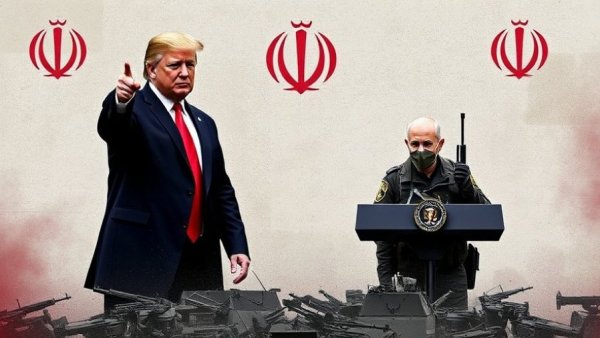
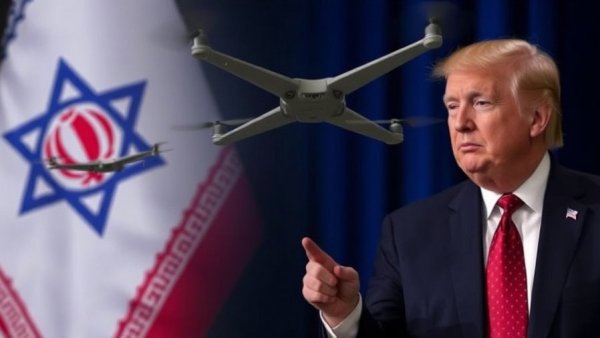
As the dust settles on the recent U.S. midterm elections, President Donald Trump is left to grapple with a critical decision concerning Iran. Three distinct strategies have emerged from his advisory team, each promising to affect not just diplomatic relations, but the dire humanitarian realities on the ground.
Understanding the Options: Strike, Deal, or Blockade?
The first strategy, advocated by Secretary of War Pete Hegseth, leans towards military engagement. This approach calls for precision strikes aimed at Iran’s nuclear and ballistic missile sites that have been reconstituted since the previous ceasefire. Additionally, it highlights targeting key regime assets like the Basij militia and the Iranian Revolutionary Guard Corps. The intent behind these strikes is to weaken the Iranian regime significantly, potentially spurring its collapse.
On the other hand, Vice President JD Vance is spearheading a push for negotiations with Iran. However, Trump's growing frustration with the country’s rigid stance has left him pondering whether engaging in diplomacy is still on the table, especially in light of the political fallout from the midterms.
The third option is the continuation of an economic blockade against Iran, a strategy underscored by Treasury Secretary Scott Bessent. This blockade aims to cripple Iran's economy by securing the Strait of Hormuz for commercial shipping and oil transport, both vital resources for Iran. Early reports from the International Energy Agency indicate a significant shift in the oil market, with prices falling and inventories beginning to stabilize, a tangible sign that the blockade is working.
The Human Cost: What’s at Stake?
This multifaceted dilemma is as much about military strategy as it is about human consequences. With Iran’s economy facing unprecedented challenges, it raises questions about the well-being of ordinary Iranians, many of whom are suffering under the weight of sanctions. As Christian advocates for social justice and humanitarian causes, it’s crucial for us to be aware of the implications of these political maneuvers on vulnerable populations.
Reports of public unrest within Iran highlight a society on the brink, struggling to meet basic needs amidst the economic strife. While military strategies may seem pragmatic from a geopolitical viewpoint, they often fail to consider the profound human impact.
Allies in the Conundrum: Israel’s Role
Amidst these strategies, Israel stands as both a potential ally and a complicating factor. If Trump opts for military action, Israeli forces are expected to take a leading role, particularly given their expertise in navigating conflicts of this nature. Yet, Israel’s own political landscape poses challenges, requiring consensus among its leadership to effectively strategize against Iran.
Israeli Prime Minister’s need to consolidate power may delay any military collaboration, complicating Trump’s timelines. The tight-knit relationship between the U.S. and Israel suggests that shared interests could push for aggressive strategies, yet political realities will demand patience and careful planning.
Future Predictions: Implications for Global Peace
Looking towards the future, predictions about U.S.-Iran relations and the broader Middle Eastern stability are fraught with uncertainty. Each option carries distinct risks that could exacerbate tensions across the region. Engaging in military action may incite further violence, while continuation of the blockade could solidify Iran’s resolve to develop nuclear capabilities. Conversely, negotiations may provide a pathway to peace but require a significant shift in Iran’s internal politics and public sentiments.
The intricate dance of diplomacy, military strategy, and humanitarian needs exemplifies the interconnectedness of global affairs today. Each choice carries ethical and moral implications that we must consider as engaged citizens and compassionate believers.
Actionable Insights: What Can We Do?
As mission-minded individuals and advocates for social justice, we must remain informed about the evolving dynamics between the U.S. and Iran. Participation in advocacy efforts that promote peaceful resolutions and support humanitarian aid can contribute positively to the situation. Whether through grassroots engagement, interfaith dialogue, or supporting organizations committed to humanitarian efforts, there is much to be done.
Ultimately, maintaining an awareness of these geopolitical complexities allows us to respond thoughtfully and with empathy, ensuring that the voices of those caught in the crossfire are heard and acknowledged. Every action, no matter how small, can contribute to efforts toward peace and understanding.
In conclusion, the landscape of U.S.-Iran relations remains perilous. As citizens of a global community, aligning our actions with compassion and justice is crucial in addressing these pressing international challenges.


Write A Comment