




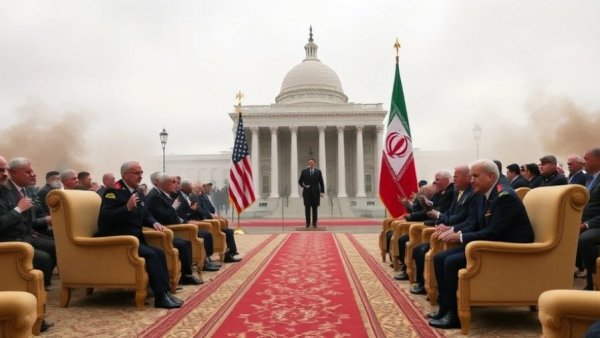
US Relies on Economic Pressure Instead of Military Action Against Iran
In the latest turn of events, US President Donald Trump has decided to pause immediate military action against Iran, choosing instead to bolster economic sanctions as a strategy to influence the Islamic Republic. A detailed report from the US Treasury Department emphasized the diminishing health of Iran’s economy, primarily driven by its dwindling oil revenues and intensifying hardships faced by its citizens. This comprehensive assessment adds to Trump’s calculus, as he opts to pursue an economic strategy rather than risking military escalation.
Understanding the Implications of Sanctions
The consensus among senior officials, including Treasury Secretary Scott Bessent, is that economic sanctions remain the most effective tool at the US government's disposal. Bessent has articulated a strong belief that tightening financial pressures on Iran can lead to a significant change in its political landscape, ultimately forcing a regime change. He detailed efforts to dismantle what is termed Iran's "shadow banking system," which allows the regime to bypass international sanctions.
The Economic Quandary of Iranians
Recent statistics paint a stark picture of economic decline, with the US dollar trading at over 2.85 million Iranian rials. Such a precarious financial situation has resulted in widespread hardship, with families facing hunger, and essential services like fuel and electricity being severely disrupted. For many Iranians, the pressing need for a resolution is becoming ever more urgent, prompting calls for negotiation from within their leadership. As conditions worsen, the Iranian populace’s frustration may escalate, leading to public protests that could threaten the stability of the regime.
The Dilemma of Targeting Iranian Leaders
While maintaining an economic strategy, discussions within the administration about military options are ongoing. There is a proposal on the table to target key Iranian officials, believed to be necessary for breaking the hardline grip on power. Advocates of this plan argue that such strikes could decisively weaken the regime, sending a powerful message that the US retains the capability to act if needed. However, critics within the administration warn that this could further entrench hardliner positions and jeopardize future negotiations, turning adversaries into more resolute foes.
Insights from International Relationships
The US interaction with other nations has also come under scrutiny. The apparent contradiction of maintaining financial ties with states like the United Arab Emirates, despite their military involvement against Iran, underscores the complexities that govern international relations. The nuances of trade and military alliances will continue to play a critical role in shaping the US's strategy against Iran and the broader Middle East region, urging the need for thoughtful and informed engagement from all parties involved.
Looking Ahead: Future Scenarios and Challenges
Given the current landscape, it is essential to consider both immediate and long-term consequences of the US approach to Iran. As economic conditions for everyday citizens deteriorate, shifts in political dynamics may ensue. The question remains: will pressure lead to transformative change within the Iranian regime, or could it kindle further conflict in the region? This balancing act between enforcement and negotiation underscores the ongoing complications faced by policymakers.
In light of recent developments, those concerned about the Iranian populace's plight are called to reflect on their roles, particularly how they might support humanitarian solutions that offer hope amid regional tensions. By advocating for a balanced approach to US-Iran relations, which includes addressing the humanitarian needs of the Iranian people while applying pressure on the regime, advocates can contribute to fostering better outcomes in the long run.




Write A Comment