




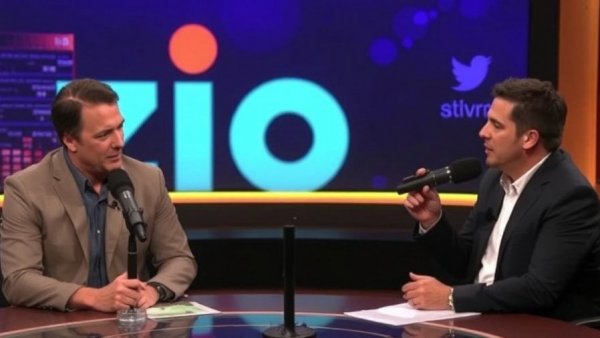
The Podcast Controversy That Shook Jewish Communities
The recently viral podcast episode of Las Culturistas, hosted by Matt Rogers and Bowen Yang, has ignited significant backlash, particularly from Jewish communities. The duo's flippant remarks surrounding Jewish-American singer Regina Spektor have been termed as an alarming instance of cultural insensitivity. The podcast has garnered a following of around 2 million listeners, creating a potent platform for discourse yet also for potential backlash.
The Weight of Words: Understanding 'Zio'
In a discussion about Spektor, who hails from a family that fled antisemitism in the Soviet Union, Yang’s use of the term "Zio"—a known antisemitic slur—has led to fervent criticism. According to Jewish-American comedian Eitan Levine, such language demonstrates a troubling trend of using derogatory terms that stoke feelings of alienation and discrimination among Jewish individuals. The implication is profound: words carry weight, and in the current climate of rising antisemitism, this incident transcends mere media gaffe.
A Divide in Perspectives: Podcast Hosts vs. Audience
Levine articulated a sentiment that many Jews share about the incident: a growing discomfort with how their identities and beliefs are portrayed in mainstream media. The episode featuring streamer Hasan Piker and his inflammatory comments has further complicated the narrative. The hosts’ choices reflect a broader challenge in engaging with complex international issues without demonizing those involved. SNL alum Yang's seeming insensitivity is thus not only shocking but also indicative of a cultural failure to genuinely engage with Jewish perspectives during challenging international times.
Public Apologies: Genuine or Performative?
Yang took to Instagram, acknowledging his error and stating, "I want to genuinely apologize for using a word on the podcast without knowing its antisemitic history." However, the subsequent addition of his support for Palestine complicated this apology, leading many to question its sincerity. The expectations from the Jewish community are clear: for such terminology to be addressed and for meaningful conversations about identity and support to happen publicly.
Future Implications for Discussions on Israel
As tensions rise over Israel and Palestine, the discourse surrounding Jewish identity and the language used to discuss it becomes crucial. Levine's comments underscore the reality: the Jewish community is looking for representation—a seat at the table when discussions about Israel take place. The current atmosphere suggests a growing need for empathy and understanding while navigating political discourse, especially in a podcast format that thrives on openness and humor.
A Call for Reflection and Change
In his poignant remarks, Levine proposed that Yang and Rogers consider a deeper exploration into the cultural sensitivities surrounding these words. His willingness to facilitate a trip for them to Israel and the West Bank highlights a potential path forward. Engagement should be based not only on understanding the “free Palestine” narrative but on exploring the realities faced by all people in the region. This highlights an essential call to action: more meaningful, informed conversations can cultivate understanding rather than division.
Conclusion: Bridging Divides Through Understanding
This incident around Las Culturistas is more than an entertainment controversy; it reflects broader socio-political anxieties. The implications extend beyond the immediate backlash to how we navigate identity and affiliation in today's polarized climate. As understanding grows, so does the expectation that public figures engage thoughtfully with these complex issues. For all involved—those who consumed the media and those who created it—the opportunity for genuine dialogue has never been more important. As advocates for justice and peace, it’s vital to foster an environment that honors all perspectives while striving for empathy and understanding.





Write A Comment