




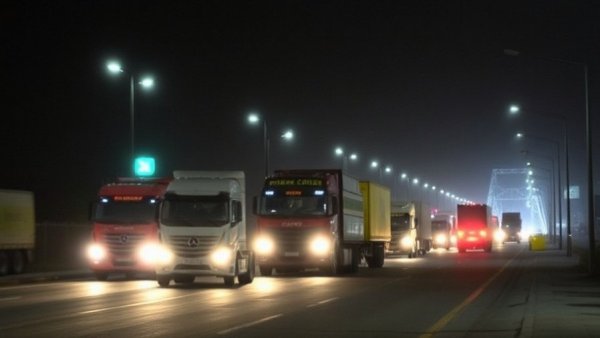
The Current Crisis in Iran: Understanding the Challenges
As the political landscape in Iran grows more precarious, recent developments shed light on the severe struggles faced by ordinary Iranians. Over the past weeks, truckers across the nation have embarked on strikes, protesting against crippling fuel shortages and skyrocketing maintenance costs. These strikes are unauthorized, reflecting deep discontent among drivers who feel the weight of an economy in distress. The struggles of these workers resonate beyond their immediate grievances; they serve as a haunting reflection of the broader collapse of the Iranian economy, exacerbated by sanctions and governmental mismanagement.
Blackouts: Another Blow to Daily Life
In addition to the protests, Iran is grappling with overwhelming issues of energy shortages that have led to rolling blackouts affecting both residential and commercial sectors. The plight of the truckers is compounded by the electricity company's announcement of regular power outages scheduled to last up to two hours every other day. During these cold months, as families seek to heat their homes, the demand for gas has escalated, further straining the supply. This situation poses a risk of unemployment surpassing one million, pressing the urgency for energy reform articulated by various officials, including the speaker of parliament.
The Role of Faith and Community in Times of Crisis
For Christians and humanitarian groups monitoring Iran, these developments spark a confluence of concern and compassion. Historical and theological implications are at the forefront, especially as they relate to the persecuted communities in the region. The declining living conditions may provoke greater calls to action from faith-based organizations, urging global support for those enduring dire hardships in Iran. True to the spirit of compassion, churches and humanitarian missions may seek to provide relief or advocacy molds, driven by a collective vision centered on social justice and assistance.
Future Predictions: What Lies Ahead?
As the winter progresses and demands for fuel increase, experts warn that blackouts may worsen. Predictions suggest an exacerbation of the ripple effects this crisis could have on Iran's socio-economic fabric, potentially igniting further protests or civil unrest. For believers around the world, understanding the ongoing situation in Iran is crucial. The alignment of faith and action becomes paramount as communities rally together to pray for resilience and recovery amid ongoing hardships faced by their Iranian brothers and sisters.
Engaging with the Crisis: What Can Be Done?
Believers and advocates for the persecuted church can take meaningful actions to support those facing challenges in Iran. Encouraging prayer circles, organizing awareness programs, and contributing to humanitarian relief projects are all vital actions that underline solidarity and compassion. The intersection of faith, advocacy, and support can forge deeper connections between global Christian communities and those suffering under oppressive regimes.
In conclusion, the situation in Iran demands our attention and proactive engagement. As these crises unfold, believers are called not just to understand but to act—on behalf of justice, compassion, and unwavering faith in action. We encourage all members of our community to stay informed, join discussions, and consider how they can contribute to positive change.


Write A Comment