Add Row
Add Element
cropper
update

Biblical Living Unlocked

Logo - Biblical living unlocked
update
Add Element
  • Home
  • Categories
    • Biblical Parenting
    • Parenting Tips
    • Family Fellowship
    • Bible Teaching
    • Apologetics
    • Community Stories
    • Youth Focus
    • International
    • Walton Evangelical Church
    • Salt Church Mar Menor
    • Salt Church Los Montesinos
    • John Piper
    • News & Offers
Add Element
  • Ken on Facebook
    update
  • update
  • update
  • update
  • update
  • update
  • update
March 04.2025
2 Minutes Read

Understanding the Russian Missile Experts’ Visits to Iran During Israeli Strikes

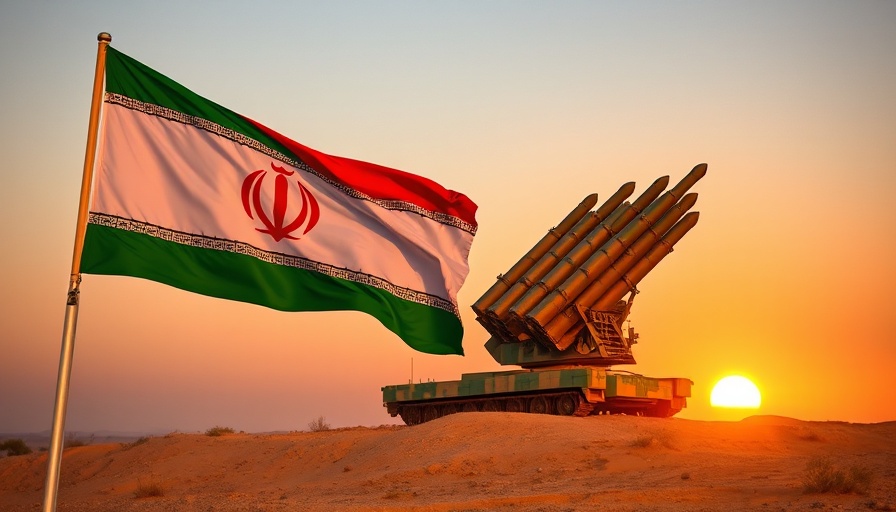
Iranian missile site with flag and launcher at sunset.

Russian Missile Experts' Significant Visits to Iran

In a quite compelling turn of events, reports have emerged that Russian missile experts made several visits to Iran over the past year. These visits coincided with heightened military tensions and strikes that Israel conducted against Iranian interests. This growing collaboration between Russia and Iran can be perceived as a significant factor in the geopolitical landscape of the Middle East.

What These Visits Entail

The delegation reportedly consisted of seven highly skilled weapons experts with military backgrounds, including specialists in air defense systems. Their visits took them to various Iranian missile production facilities, some of which are underground, reflecting the advanced and secretive nature of Iran's military ambitions. These missiles not only bolster Iran's defense capabilities but also its offensive options against neighboring countries.

The Wider Context of Regional Tensions

The visits by Russian experts are set against a backdrop of escalating military engagement between Israel and Iran, which has unfolded in stages throughout 2024. April and October saw waves of strikes from both sides, indicating a significant period of instability in the region. This period reflects a growing trend of direct military confrontation tied to broader strategic alliances.

Implications for Global Security

The increasing military cooperation between Russia and Iran might raise alarms within the global community. Analysts suggest that this partnership could undermine longstanding security balances, particularly in light of Iranian missile capabilities being developed with Russian technology. The implications stretch beyond the immediate region, potentially involving global powers who have an interest in Middle Eastern stability.

How This Affects Christian Communities

For Christians worldwide, especially those focused on humanitarian missions in the region, these developments pose significant concerns. The increasing militarization can lead to a rise in violence that affects vulnerable populations, including Christian communities in conflict zones. The intersection of geopolitics and religious tensions highlights the need for continued support and advocacy for peace.

Future Predictions: What Lies Ahead?

As Russia and Iran deepen their military ties, analysts predict a shift in regional dynamics. This partnership could embolden Iran to take more aggressive stances against Israel, thus increasing the likelihood of conflict which profoundly impacts local communities. Monitoring these developments closely will be essential for humanitarian organizations and policymakers alike.

The current situation remains dire, and as advocates for peace, it is crucial to remain informed and proactive in our support. Together, we can pray for peace in the region and for justice to prevail amidst rising tensions.

International

15 Views

0 Comments

Write A Comment

*
*
Related Posts All Posts
12.03.2025

Recent Transfer of Deceased Hostage Remains: Seeking Justice and Reconciliation

Update Recent Developments in the Hostage Recovery Efforts On December 3, 2025, a significant step was taken in the ongoing situation regarding hostages taken by Hamas as the family of a deceased victim received the remains of their loved one. Following the announcement by the Palestinian Islamic Jihad that they had located additional deceased hostages, a coffin was officially transferred to Israeli Defense Forces (IDF) personnel. This ceremony marks a vital, albeit grim, milestone in a saga that has deeply affected many in Israel and beyond. The Ongoing Search for Closure The transfer of remains comes amid the continued search for answers related to two hostages, IDF Master Sergeant Ran Gvili and Thai national Sudthisak Rinthalak, whose bodies have been held in Gaza since the 2023 attacks. The grieving families of these victims have been advocating tirelessly, uniting in their shared torment. In past months, there were emotional gatherings in Tel Aviv as families and supporters came together to demand the recovery of all hostages, living or deceased. One poignant rally saw participants holding pictures of those they lost, calling for justice and closure for their families. Implications of International Mediation Efforts by international mediators continue to play a crucial role in facilitating the return of these remains. Qatar, acting as a mediator, has pushed for ongoing negotiations aimed at securing favorable terms for all parties involved. This increase in diplomatic activity reflects the urgency surrounding the return of remains, as well as the broader aim of achieving lasting peace in the region. The Emotional Impact on Families For many families, learning about the transfer of remains stirs a complex mixture of hope and heartache. Talik Gvili, the mother of Ran, poignantly expressed her fears about whether her son would be left behind, reflecting the emotional weight borne by families of hostages. Conversations with these families reveal a profound sense of community formed amid shared trauma. A family member stated, "Every time someone returned, there was a feeling part of us came back," highlighting the deep connections formed during this harrowing time. Broader Context: Humanitarian Concerns As humanitarian needs in Gaza remain critical, organizations like the Red Cross are at the forefront of efforts to address both the immediate needs of the population and the more profound issues surrounding hostages. The civil-military coordination efforts by the U.S.-led Civil-Military Coordination Center (CMCC) are significant in ensuring humanitarian aid reaches those affected by conflict. With over 24,000 aid trucks entering Gaza, the humanitarian outlook remains a pressing issue amid ongoing hostilities. Potential for Future Developments Looking forward, the situation regarding the remaining deceased hostages and the return of living hostages remains uncertain. The complexity of negotiations underscores the pressing need for a peaceful resolution that addresses the grievances of all affected parties. As Israel continues to receive remains, renewed discussions about hostages could provide paths toward more comprehensive peace talks. This situation serves as a stark reminder of the human cost of prolonged conflict and the urgent need for compassion and understanding among nations. For many, these recent developments prompt introspection about their role in advocating for human rights and justice, compelling everyone to engage more deeply in discussions about peace. Your Voice Matters: Now is the time to reflect on these significant events, understanding their broader implications for peace and stability. Consider how you can engage with local or global movements advocating for peace in the Middle East.

12.03.2025

Godwin's Incredible Journey of Healing After Loss: Witness Hope Amidst Suffering

Update Godwin’s Journey from Despair to HealingAt just 15 years old, Godwin from Nigeria faced a tragedy that would shatter anyone's world. His father was brutally killed by militants, an event that cast a dark shadow over his young life. Grieving and lost, Godwin and his family fled their village, only to find themselves engulfed in further heartache when they learned of his father's death. This new reality left them in turmoil, struggling with sorrow that felt insurmountable.Yet, amidst despair, Godwin’s story began to shift when he was invited to a trauma center supported by Open Doors, a place where healing and understanding could permeate their grief. "I was strengthened," Godwin shared, reflecting on his transformative experience. The trauma center not only provided him with a space to express his anguish but also introduced him to critical lessons in forgiveness, leading to a renewal of hope.Understanding Trauma and the Path to HealingThe trauma that Godwin endured is not unique to him but representative of many vulnerable individuals who face persecution and violence in regions like Nigeria. According to recent reports, Christian communities in Nigeria are often targeted, with over 270 recorded abductions in 2025 alone, leaving families fractured and in search of solace.Trauma recovery, especially in such contexts, requires more than just emotional support; it necessitates a holistic approach that includes community, spiritual healing, and consistent advocacy. The role of organizations like Open Doors cannot be overstated, as they bridge the gap between despair and hope, providing essential services to those grappling with loss.Why Stories of Hope MatterFor mission-minded individuals and culturally engaged believers, understanding stories like Godwin’s is crucial. They highlight the transformative power of faith in action and reinforce the idea that, despite trauma, healing is possible. Godwin’s experience illustrates the importance of community support systems and the profound impact they can have on young lives challenged by violence.Moreover, Godwin’s call for prayer underscores an essential aspect of faith: communal intercession. He implores others to pray for his family and for those still enduring similar trials. “We don’t have anyone but God,” he said, expressing a heartfelt reliance on spiritual support in a time of such dire need.Contributing to Change: Your RoleMany readers today may wonder how they can contribute to change. Consider that for just £21, you could enable three children to receive a Bible, nurturing their faith and providing them with spiritual guidance. Furthermore, £34 could support emergency relief for two persecuted families, while £62 could help foster long-lasting Christian friendships through seasonal gatherings.The economic and emotional restoration of families like Godwin’s begins with you. Each small contribution adds to a larger purpose, amplifying the efforts for justice and healing among persecuted Christian communities in Nigeria and beyond. Your support doesn't just provide material assistance; it opens doors to healing and helps build resilience.The Road Ahead: A Call for Justice and HealingAs Godwin moves forward, he represents not just a singular story of survival but a beacon of hope for many others affected by similar tragedies. The petition calling for justice, protection, and restoration for Christians in Nigeria is one way to express solidarity with those whose voices are often silenced.The harsh reality is that the plight of many in Nigeria continues, yet through advocacy and compassionate action, a lasting impact can be made. By engaging with these narratives and supporting initiatives aimed at healing and justice, communities globally can rally around those facing persecution.Conclusion: Empower through AwarenessIt’s vital for those who resonate with Godwin’s narrative to recognize the power of awareness and action. Understanding the plights of persecuted groups not only enlightens our perspectives but urges us to be part of a collective effort toward positive change. You can help amplify their stories, advocate for their rights, and support them as they find their strength anew.Join in this journey of healing and justice. Sign the petition, support the cause, and pray for transformation. With every act of kindness, every prayer, and every donation, you are contributing to a future where hope flourishes amidst despair.

12.02.2025

Israel Hayom Summit: A Crucial Step in Strengthening US-Israel Relations

Update Uniting Voices: The Significance of the Israel Hayom Summit In an era where global relationships and community bonds face unprecedented challenges, the Israel Hayom Summit emerges as a beacon of hope and dialogue. Taking place right in the heart of Manhattan, this first-ever summit aimed at fostering stronger ties between the United States and Israel represents much more than a conference. It serves as a crucial platform for leaders to unite against rising antisemitism, manage diplomatic relations, and discuss strategies for a better future. Bridging Communities: A Call for Jewish Unity Dr. Miriam Adelson, host of the summit, opened the event with a poignant reminder of how interconnected the global Jewish community truly is. Attendees such as former U.S. Secretary of State Hillary Clinton and World Jewish Congress President Ron Lauder stressed the importance of unity in the face of increasing tensions and threats. Lauder's call for renewed Jewish identity and solidarity reflects a shared responsibility not only to Israel but to Jewish people worldwide. The Rising Tide of Antisemitism The backdrop of the summit was marked by a notable increase in antisemitic incidents across the United States, especially in cities with large Jewish populations like New York. Experts, including Deputy U.S. Attorney General Harmeet Dhillon, addressed these rising concerns head-on, discussing how both the U.S. and Israel can work together to counteract these challenges. Understanding strategies to combat hate and fostering open dialogue can pave the way for a safer and more inclusive environment for all. Future Predictions: A New Era of Relations As the summit unfolded, attendees were alerted to the shifting geopolitical landscape. With discussions led by U.S. Ambassador to the UN Mike Waltz regarding Gaza’s future and the complexities surrounding normalization processes, experts highlighted the necessity of an adaptive approach to diplomatic ties. Future leaders in politics and advocacy must be well-prepared to navigate and shape a new narrative around Israeli and American relations. Personal Stories: The Human Cost of Conflict A poignant aspect of the summit was the testimonies from former hostages Evyatar David and Guy Gilboa-Dalal, who shared their harrowing experiences. Such narratives ground the broader discussions in humanity, reminding attendees of the real-life implications of political decisions and conflicts. It’s these personal stories that underscore the need for solidarity and support among communities facing adversity. Interfaith Dialogue: Building Bridges for the Future To address religious tensions and build mutual respect, facilitating interfaith conversations remains crucial. The summit included diverse perspectives, showcasing both Jewish and Christian leaders committed to advocacy, humanitarian efforts, and peace. It highlighted the importance of interfaith relationships in combating intolerance and fostering global security. As this remarkable summit concluded, it became clear that the Israel Hayom Summit is not merely a one-time event but rather the beginning of continual discourse aimed at strengthening Jewish identity, combating antisemitism, and enhancing relationships with allies. Engaging with these dialogues is vital for anyone interested in shaping the future of Israel, Jewish communities, and the global landscape. For those looking to stay engaged, consider attending future events or participating in local discussions about Israel's role on a global stage. Building understanding and community starts with awareness and action.

Terms of Service

Privacy Policy

Core Modal Title

Sorry, no results found

You Might Find These Articles Interesting

T
Please Check Your Email
We Will Be Following Up Shortly
*
*
*