Add Row
Add Element
cropper
update

Biblical Living Unlocked

Logo - Biblical living unlocked
update
Add Element
  • Home
  • Categories
    • Biblical Parenting
    • Parenting Tips
    • Family Fellowship
    • Bible Teaching
    • Apologetics
    • Community Stories
    • Youth Focus
    • International
    • Walton Evangelical Church
    • Salt Church Mar Menor
    • Salt Church Los Montesinos
    • John Piper
    • News & Offers
Add Element
  • Ken on Facebook
    update
  • update
  • update
  • update
  • update
  • update
  • update
March 31.2025
2 Minutes Read

Trump's Warning: Could Iran Face Unprecedented Military Action?

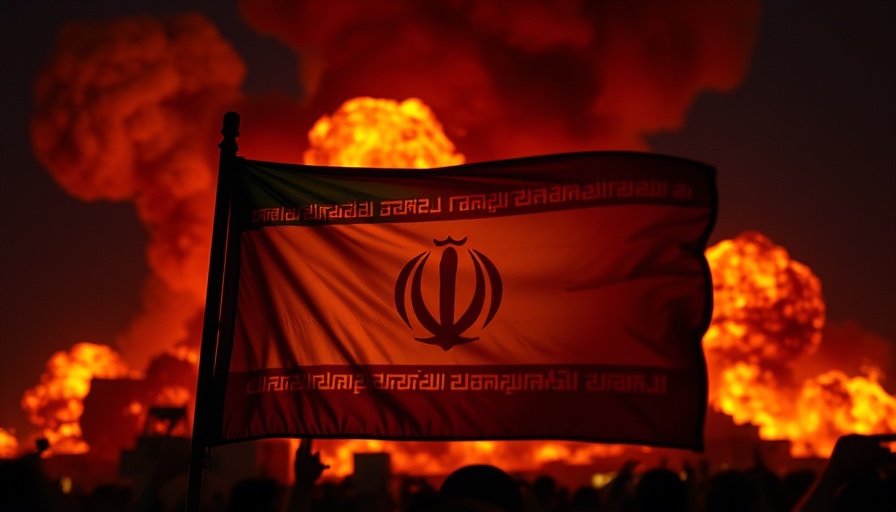
Iranian flag amidst fiery explosion backdrop, symbolizing military tension.

Trump’s Stark Warning: Are We on the Brink of Conflict with Iran?

Former President Donald Trump recently issued a cautionary statement regarding Iran, suggesting they could face unprecedented military action. With ongoing discussions about re-negotiating the 2015 nuclear deal—an agreement Trump famously withdrew from during his presidency—the Middle East stands at a precarious point. His comments not only resonate with an impending sense of conflict but also highlight the ongoing tensions in the region.

The Implications of Military Action

The notion of 'bombing the likes of which they have never seen' raises significant questions about the potential consequences of military intervention. Trump's statement is aimed at deterring Iranian aggression, particularly their threats towards British forces and other U.S. allies in the region. As tensions continue to escalate, the implications of such a threat extend into broader geopolitical dynamics, impacting global stability.

What’s Driving Iran’s Aggression?

Iran's recent actions, including unveiling an underground 'missile city,' signal their defiance and determination to showcase military capabilities. This aggressive posture likely stems from a perception of vulnerability and the desire to assert power amidst perceived threats from the West. This context is essential for understanding the stakes involved, especially for countries invested in peace and stability in the region.

A Global Audience: The Role of Concerns Among Believers

For Christians globally, especially those concerned about the persecution of the Church in the Middle East, Trump's comments cannot be overlooked. The precarious balance of power in the region directly affects the lives of countless believers. Understanding the intricate relationships among nations can deepen prayerful insights and advocacy outreach for these communities.

Future Trends: Could Diplomacy Prevail?

In an era where military solutions are frequently considered, the reaction from various nations—including potential talks hosted by the UAE—offers a glimmer of hope for diplomacy. Engaging in dialogue rather than escalating military tensions could prove essential for long-term stability. As advocates for social justice and humanitarian efforts, believers are encouraged to take an active role in supporting diplomatic solutions, reflecting the teachings of reconciliation found within faith.

Your Voice Matters: Engaging with These Critical Issues

As global citizens, especially within the Christian community, it is vital to stay informed regarding these developments. Delving deeper into how geopolitical decisions affect local believers can catalyze meaningful discussions and actions. By understanding the complexities, we can better support our fellow Christians facing persecution and advocate for peace in our prayers and actions.

Consider engaging with your community about these pressing issues. Whether it's through prayer meetings, discussions at church, or community advocacy, your voice can make a difference in shaping perceptions and actions toward peace and understanding.

International

23 Views

0 Comments

Write A Comment

*
*
Related Posts All Posts
01.14.2026

Why Praying for Iran is Crucial Amidst Protests and Unrest

Update Understanding the Unrest in Iran As protests rattle Iran, the world watches with bated breath. The waves of dissent rising from the streets reflect not just discontent over economic hardship but a deeper, more profound call for dignity and justice. Christians, who often find themselves on the periphery of this societal upheaval, are feeling the impact significantly as both protesters and believers. The Heart of the Matter: Human Dignity and Justice At the core of the current protests in Iran is a demand for basic human dignity. An Open Doors source poignantly articulates that the cries from the streets represent a struggle against fear and a battle for acknowledgment from those in power. This collective outcry for change serves as a powerful backdrop for understanding how Christians willingly endure persecution while aiming for justice and peace. The Plight of Iranian Christians Amidst Turmoil Christians in Iran have long faced severe repression, frequently regarded as national security threats. Converts from Islam experience the brunt of this persecution, often fearing not only governmental backlash but also rejection from their own communities. As the protests unfold, pressure mounts on believers who are perceived as agents of foreign influence. This framing further complicates their efforts to practice their faith openly. Many Iranian Christians, however, view the protests as a call to solidarity, choosing to actively support the quest for justice alongside their fellow citizens. Prayers That Matter: How to Stand in Support For those observing from afar, the question arises: how can we effectively support our brothers and sisters in Iran? Now, more than ever, prayer can amplify the voices of those silenced and bolster the spirits of those in dire need. Local Iranian believers have articulated specific prayer requests, seeking peace, protection, and comfort in the midst of violence. They yearn for wisdom for decision-makers worldwide and for the restoration of communication lines that have been severed by the authorities. A Shared Hope for the Future Many Iranian Christians are motivated by a profound hope for a future where justice and equality are the norms. They view the movement not merely as a political uprising; it is equally a spiritual rallying cry. This hope resonates with a shared longing encompassed by the teachings of their faith, encouraging them to endure with courage and perseverance. International Voices Join the Call for Justice With global eyes on Iran, advocacy from the international community is crucial. Many leaders outside Iran, including those who represent Christian organizations, echo the need for prayer and action. They urge believers in the West to remain informed and engaged, illustrating the power of collective prayer and advocacy in effecting change. Future Predictions: Possibilities and Challenges While the path forward is fraught with uncertainty, there exists a flicker of hope amid the turmoil. As echoes of the regime's brutality ring throughout the nation, the drive for change is palpable. Yet, Iranian Christians interpret this unrest through the lens of faith, maintaining firm belief that true transformation will come only through Christ, regardless of political outcomes. Ultimately, the unity of purpose among Iranians, especially among Christians seeking peace, justice, and reconciliation is commendable. As the situation continues to evolve, may we remain steadfast in our support through prayer and advocacy for both the people of Iran and its beleaguered church. In this pivotal time, let us join in fervent prayer and remain informed. The stakes have never been higher, both for the sake of peace and the freedom of faith. Please pray: Heavenly Father, grant courage, protection, and perseverance to my brothers and sisters in Iran. May this period of unrest lead to peace, justice, and significant advancements in religious freedom.

01.12.2026

Trump's 25% Tariff on Iran: What It Means for Global Politics and Human Rights

Update Understanding the Recent Tariff Amid Iran's Protests In a significant escalation of economic pressure, President Donald Trump recently imposed a 25% tariff on all trade with Iran, a response to the severe crackdown on protests within the country. This bold move, announced via social media, follows reports indicating that over 500 people have lost their lives amid widespread demonstrations against the Iranian government. Historical Context and Background This decision is set against a backdrop of a long-standing conflict between the U.S. and Iran, exacerbated by Iran's nuclear ambitions and its support for various militant groups in the region. The new tariff is aimed at any country that conducts trade with Iran, which includes major economies like China, Brazil, and Turkey. It's a strategic maneuver by the Trump administration as it seeks to isolate Iran financially and apply pressure on its leadership. The Harrowing Reality in Iran The protests in Iran have erupted due to a combination of economic hardship and social restrictions, sparking outrage against the government. Videos and reports indicate that Iranian security forces are responding to these protests with deadly force, leading to what some human rights groups describe as a massacre. The ongoing internet blackout only adds to the darkness enveloping the situation, making it difficult for the world to grasp the full extent of the governmental crackdown. Implications for Global Trade and Diplomacy This tariff signifies the U.S.'s willingness to disrupt not only its own economic relationship with Iran but also that of its trading partners. The sweeping nature of this decision raises questions not only about the economic fallout but also about the diplomatic ramifications. Those nations that choose to continue their business dealings with Iran may now face consequences on their own trade with the United States. The Interplay Between Human Rights and Foreign Policy Trump's announcement also stirs an ongoing debate regarding how foreign policy should engage with human rights abuses abroad. While this tariff is intended as a punitive measure against the Iranian government for its violent repression, it also has the potential to impact ordinary Iranians who are already suffering from harsh economic conditions. Human rights advocates frequently urge that international attention be paid not just to sanctions but also to the individuals affected by them. A balance must be struck between holding authoritarian regimes accountable and ensuring that the general population does not suffer unnecessarily. Potential Outcomes and Future Predictions As the U.S. continues to apply pressure, analysts predict various outcomes. Some believe that the tariffs could push Iran to reconsider its approach towards protests and possibly lead to political reforms. Others, however, caution that such measures may entrench existing power structures and lead to further instability in the region. A military response is also being discussed, with Trump keeping all options on the table, which could escalate tensions even further. Conclusion: The Importance of Awareness In times of crisis, staying informed is crucial. As developments unfold in Iran, fostering discussions about the implications of international tariffs, human rights, and effective foreign policy remains important. Understanding the intersecting narratives of faith, politics, and human dignity will help guide humanitarian responses and policy advocacy efforts in support of the Iranian people.

01.11.2026

Exploring Reza Pahlavi's Role in Iran Protests From Exile

Update Reza Pahlavi: A Crown Prince Amidst Unrest Reza Pahlavi, the son of Iran's last Shah, navigates a complex political landscape, now taking on the mantle of leadership for a growing wave of protests against the Iranian regime. Living in exile for nearly 50 years, he is no longer merely a nostalgic figure; he is emerging as a potent symbol of hope for many Iranians disillusioned with decades of clerical rule. The Evolution of a Leader The protests, which erupted on December 28, 2025, in response to Iran's deteriorating economy, mark a significant turning point in the country’s ongoing struggle against oppression. Demonstrators from various backgrounds, including bazaar merchants and students, have chanted slogans like "Javid Shah" (long live the Shah) and called for national strikes, signifying a shift toward a unified and structured opposition movement. Pahlavi has stepped beyond his role as a distant supporter to one of engaged leadership. His calls for coordinated protests are not only echoing on the streets, but they also signal a tactical shift aimed at harnessing the energy of demonstrators towards meaningful change in Iran. Pahlavi's Vision for Iran's Future Central to Pahlavi's strategy are his five-pillar framework ideas: national unity, civil resistance, international support, economic disruption, and democratic transition. This framework, initially a mere concept, is resonating with protesters as they express a desire not just for immediate changes but also for a sustainable future. In a recent statement, Pahlavi declared his readiness to return to Iran, a bold move that could either invigorate the movement or further complicate his role. A Call for Solidarity and Action As Pahlavi seeks to galvanize both supporters in Iran and those in the diaspora, his rhetoric remains focused on unity and resistance against oppression. His calls for organized protests, along with practical advice for demonstrators, aim to minimize risk and maximize impact. He understands the importance of demonstrating solidarity and strength among protestors, a lesson learned from past unrests that often lacked cohesion. Critics, however, question how much support he genuinely commands within Iran's fragmented opposition landscape. While social media has shown some supporters rallying behind him, many protesters remain more concerned about broader systemic changes rather than a return to monarchy. The Road Ahead The political dynamics in Iran are precarious. As protestors continue to confront an increasingly brutal regime, Pahlavi's leadership style—rooted in collaboration rather than isolated directives—could steer the movement toward a more united front against the Islamic Republic. However, the deep disagreements within the opposition regarding future governance remain unresolved, raising questions about what a post-revolution Iran would actually look like. Historical context reminds us that revolutions can easily falter without a clear vision among the people. Iranians are no strangers to protest fatigue; thus, Pahlavi’s leadership must address these lingering concerns while inspiring faith in a brighter future. By signaling his willingness to share risks, he attempts to rebuild trust with a population that has often viewed exile leadership with skepticism. A Future of Hope and Challenge As Pahlavi continues to navigate these turbulent waters, he embodies the intersection of hope and potential disillusionment. The chants of “Javid Shah” illustrate a longing for change, yet they also echo the complexities of a nation grappling with its identity and future. Can Pahlavi emerge as the leader Iranians unite behind, or will divisions persist in the face of overwhelming challenges? Only time will tell, but the current wave of protests may well determine the course of Iran's future. In summary, as we reflect on the role of leadership amidst protest, Pahlavi’s evolution serves as a reminder of the importance of not just urging change, but effectively guiding a nation towards it while remaining empathetic and connected to those who seek it.

Terms of Service

Privacy Policy

Core Modal Title

Sorry, no results found

You Might Find These Articles Interesting

T
Please Check Your Email
We Will Be Following Up Shortly
*
*
*