




The Great Debate: Understanding the Divide Between Mormonism and Classical Christianity
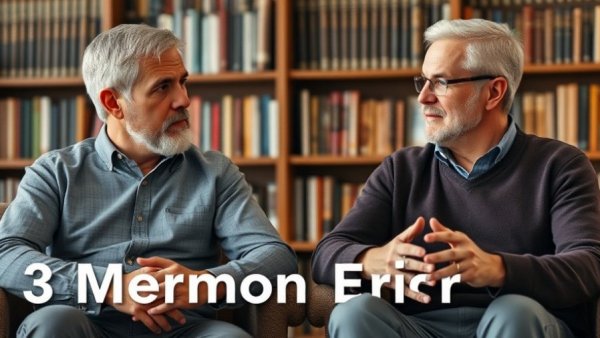
The recent debate hosted by Sean McDowell, featuring a discussion with multiple representatives of the Mormon faith, has reignited the longstanding conversation about the theological differences between Mormonism and orthodox Christianity. At the heart of this discourse lies the fundamental doctrine of creation, the nature of God, and the legitimacy of Joseph Smith as a prophet. These topics not only illuminate the distinct belief systems at play but also challenge believers to engage deeply with their faith and the biblical texts that underpin it.
In 'Mormonism has problems: Sean McDowell and I discuss', the conversation dives into the complexities of faith, exploring key insights that sparked deeper analysis on our end.
Unpacking the LDS Doctrine of Creation
The debate opened with a poignant examination of the LDS doctrine of creation, which stands in stark contrast to traditional Christian teachings. Mormons believe in a form of creation that emphasizes the existence of eternal matter, suggesting that God did not create the universe from nothing ('ex nihilo') but instead reshaped pre-existing matter. This fundamentally alters the understanding of God’s omnipotence and the narrative of Genesis. Traditional Christianity asserts that God is the creator of all—He spoke everything into existence, highlighting His authority and creativity. McDowell argues that if we apply rigorous biblical scholarship to the Book of Mormon, we must question its historical legitimacy, which is crucial for understanding its place within LDS doctrine.
The Nature of God: A Central Controversy
Another critical topic was the nature of God as understood in both faith traditions. The debate highlighted how Mormons and orthodox Christians interpret scripture differently, particularly concerning the Trinity. Traditional Christianity posits that God exists as one being in three persons (Father, Son, Holy Spirit). In contrast, some Mormons portray a more fragmented view of the Godhead. This divergence raises questions about the validity of various interpretations and the implications of these beliefs for followers' faith journeys. McDowell’s assertion that there is a singular God contrasted sharply with the LDS perspective that opens up a dialogue about divine governance and its effects on believers.
Joseph Smith: Prophet or Imposter?
Perhaps the most contentious point in the debate was the credibility of Joseph Smith as a prophet. McDowell argued that Smith’s prophetic claims do not hold up under biblical scrutiny, primarily because the prophetic office, as characterized in scripture, ceased after the apostolic age. By presenting Smith as either a con artist or a false prophet, McDowell seeks to dismantle the foundation of the modern LDS church, founded on Smith's teachings. This claim forced Mormon representatives to grapple with the implications of their historical narrative, particularly regarding Smith's methods of translating the Book of Mormon and his claims of divine authority. The personal stories shared by McDowell and the historical context offered significant insights, prompting reflection on the existence of prophetic authority today.
Understanding the Historical Context
Understanding the growth and transformation of Mormonism over the past two centuries is vital in contextualizing these debates. Originally positioned as a restoration of true Christianity, the LDS faith has adapted over time, often aligning more closely with mainstream Christianity on some issues while maintaining distinct doctrines. As McDowell noted, many of the arguments employed today by Mormons subtly downplay the deeper theological divides, casting them as mere denominational differences. This approach, while strategic, challenges Christians to remain vigilant in understanding and articulating the core tenets of their faith.
Human Experience and the Pursuit of Truth
Beyond doctrinal debates, the issue of pastoral care and the human experience within Mormonism is often overlooked. Many within the faith are searching for existential meaning, community, and truth, which makes caring dialogue vital. McDowell emphasized the importance of kindness and respect in these discussions, acknowledging that engagement should not diminish the truth but instead encourage individuals toward genuine understanding. This relational aspect is critical for fostering environments where healthy dialogue can take place, allowing individuals to explore their beliefs without hostility.
The Need for Critical Examination
For those interested in engaging with religious differences, it is essential to critically examine the foundations of one’s own beliefs. Understanding the arguments and the heart behind them allows for respectful discourse that goes beyond mere contradictions, fostering an environment where both parties can grow in knowledge and understanding. The video serves as an engagement point for all who wish to consider the intricacies of faith, allowing believers from both sides to reflect on what constitutes true doctrine.
Conclusion: Moving Forward with Intent
As this debate illustrates, the distinctions between Mormonism and orthodox Christianity are significant and worthy of detailed exploration. McDowell’s arguments invite both believers and those curious about these faith traditions to engage thoughtfully with scripture and doctrine. Understanding these differences can lead to more profound conversations about faith, spirituality, and our collective pursuit of truth. For anyone looking to deepen their knowledge of biblical teachings through apologetics and respectful dialogue, this debate showcases the importance of critical thinking and faithful engagement in conversations about God.
To further explore these topics, we encourage readers to engage with both historical and modern interpretations of scripture and consider how these insights can illuminate contemporary faith practices.



Write A Comment