

Biblical Living Unlocked

Logo - Biblical living unlocked
  • Home
  • Categories
    • Biblical Parenting
    • Parenting Tips
    • Family Fellowship
    • Bible Teaching
    • Apologetics
    • Community Stories
    • Youth Focus
    • International
    • Walton Evangelical Church
    • Salt Church Mar Menor
    • Salt Church Los Montesinos
    • John Piper
    • News & Offers
  • Ken on Facebook
November 12.2026
5 Minutes Read

Navigating the Pro-Choice Argument: Insights for Christian Communities

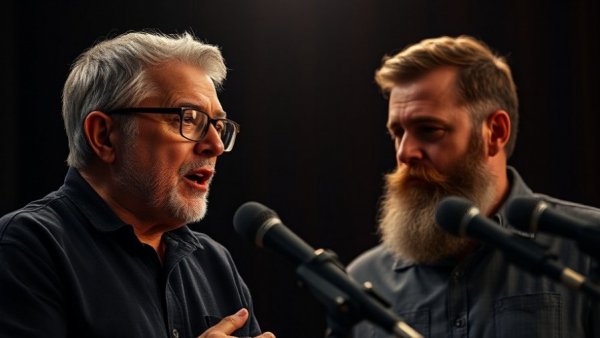
Middle-aged man discussing pro choice argument in office.

Understanding the Argument: A Pro-Choice Perspective

In the recent video titled "Christian Goes Silent After This Pro Choice Argument," a profound conversation unfolds about the complexities surrounding the pro-choice stance in today's society. This discussion centers on the moral and theological implications of abortion, inviting onlookers to consider varying viewpoints. The moment captured in the video not only highlights a critical debate but also sheds light on the need for clear, biblical thinking on contemporary issues. The reactions showcased in the video emphasize not only personal beliefs but also the broader societal implications woven into the fabric of how communities engage with such topics.

In "Christian Goes Silent After This Pro Choice Argument," the discussion examines the intricacies of moral reasoning around abortion, paving the way for further analysis.

Historical Context: Abortion Through the Ages

To truly grasp the gravity of the argument presented, one must look back at the historical context of abortion. Throughout history, societies have wrestled with the moral implications of terminating pregnancy. From ancient civilizations that offered different views on reproductive rights to modern legal battles, the discourse surrounding abortion reflects evolving beliefs about personhood, rights, and moral responsibility. Ancient texts indicate a diversity of opinions and can offer insights into how early religious communities understood issues surrounding life and choice. Understanding this history is essential for today's discussions, particularly for those of faith grappling with modern interpretations. The historical context also provides a backdrop against which current church teachings and societal attitudes can be evaluated, enriching contemporary dialogue.

The Biblical Perspective: What Scripture Says

When engaging in conversations about pro-choice arguments, it is crucial to turn to Scripture for guidance. The Bible addresses the sanctity of life in various passages. For instance, Psalm 139:13-16 eloquently describes how God forms each individual in the womb, implying intrinsic value from conception. Other passages, such as Jeremiah 1:5, speak to God knowing us before birth, which many interpret as a declaration of the sacredness of life. However, interpretations of biblical texts related to this topic can vary significantly among denominations and theological perspectives. This variation raises essential questions about how to align contemporary issues with biblical principles. It is also important to consider how different communities interpret the Bible, as their unique traditions and cultural contexts greatly influence theological perspectives and moral reasoning.

Counterarguments: Moving Beyond Simple Dichotomies

The video shines a light on a significant challenge: Many discussions about abortion can quickly fall into binary thinking—pro-life versus pro-choice. However, there are nuanced positions that deserve exploration. Some individuals, particularly within the church, advocate for a more compassionate approach that considers both the mother's wellbeing and the child’s potential life. This perspective urges communities to engage in constructive dialogue rather than simply drawing lines in the sand. It also highlights the importance of recognizing the complexities that surround individual situations, wherein difficult decisions regarding pregnancy may not be easily categorizable within a strict framework. This nuanced approach allows room for empathy and encourages a deeper understanding of the struggles faced by many individuals who find themselves confronting unexpected pregnancies or challenging circumstances.

Practical Insights: Engaging with Compassion

The key takeaway from this discussion is the importance of approaching pro-choice arguments with grace and compassion. How can individuals in the church facilitate discussions that honor differing viewpoints? Creating safe spaces for dialogue where questions can be asked without fear of judgment plays an essential role in addressing this contentious issue. Recognizing and valuing individual stories can lead to a deeper understanding, helping to bridge divides. Moreover, empathy must be at the forefront of these engagements; understanding that each person’s situation is unique can foster a tone of care and respect in discussions. Church leaders, as well as community members, can play a transformative role by offering support rather than condemnation, thus embodying the love and compassion that the Gospel calls for.

Future Predictions: The Trajectory of the Abortion Debate

As society evolves, so too will the conversations around abortion. With new scientific advancements and changing cultural attitudes, the framework within which we approach these discussions will continue to shift. Understanding how these changes may influence church perspectives is crucial for future generations. Leaders within communities must remain steadfast, ensuring that their responses are both biblically sound and culturally relevant. They should be prepared to engage thoughtfully with new information and cultural shifts, which may present additional dimensions to the conversation. Initiating proactive discussions within congregations can help community members stay informed and equipped to navigate these evolving conversations.

Common Misconceptions: Clarifying the Debate

A prevalent misconception is that supporting a woman's right to choose equates to a disregard for the value of life. This oversimplification fosters fear and division within the church community. Many advocating for pro-choice perspectives also hold deep values surrounding life and ethics but see the issue differently based on circumstances, leading to calls for understanding and empathy. This response can open up productive avenues for dialogue, where emphasizing shared values rather than differences may lead to more fruitful discussions. Clearing up misunderstandings can pave the way for collaborative approaches that meet the needs of both women and unborn children.

Conclusion: Embracing Dialogue in Church Communities

The video "Christian Goes Silent After This Pro Choice Argument" catalyzes a crucial dialogue within Christian communities about navigating the intricacies of contemporary issues like abortion. As individuals dedicated to clear, biblical thinking through contemporary church issues engage with each other, fostering open, respectful discussions can yield deeper truths and stronger communal bonds.

It is imperative that, as a community, we commit to listening, understanding, and reflecting on these complex issues. In doing so, we not only embrace the call of the Gospel to love our neighbors but also provide a space for healing and truth in a divided world. For further engagement, consider reaching out through church groups or discussion forums where these topics can be deliberated face to face. Together, let's build a community where every voice matters and where varied perspectives can contribute to a more holistic understanding of faith, life, and ethics.

Apologetics

0 Views

0 Comments

Write A Comment

*
*
Please complete the captcha to submit your comment.
Related Posts All Posts
11.12.2026

Exploring Joseph Smith’s Prophetic Claims: A Deep Dive for Believers

Update Understanding the Complex Legacy of Joseph Smith The discourse surrounding Joseph Smith, the founder of the Latter-day Saint movement, often evokes strong opinions and deep emotional responses. In the recent video titled Joseph Smith Was NOT a True Prophet (1 Christian vs 10 Mormons), a debate was sparked around Smith's prophetic claims. This conversation crystallizes a broader theological discussion about what constitutes prophetic authority and the implications for faith today.In Joseph Smith Was NOT a True Prophet (1 Christian vs 10 Mormons), the discussion dives into the role of prophetic claims, exploring key insights that sparked deeper analysis on our end. The Debate: Evidence and Faith In the video, a central question arises: if Joseph Smith is not a true prophet, what else could he be? Critics often label him as a con man or even suggest darker motives. However, the dialogue goes deeper, as participants strive to articulate the ambiguities that exist in this discussion. Smith's unique revelations, especially those found in the Book of Mormon, create a rich tapestry of belief for many, raising questions about the authenticity and historical context of his claims. Historical Context: The Foundations of Prophethood To understand the place of Joseph Smith in religious history, one must examine what it means to be a prophet. Unlike other biblical figures such as Moses, the prophetic role ascribed to Smith demands scrutiny against biblical standards. The New Testament appears to assert that the necessity for a prophet to speak directly for God has ceased with the fulfillment of Christ’s mission. The debate centers on whether a new prophetic office could exist, particularly in light of scriptural passages that suggest finality in the prophetic office after Christ's revelation. Theological Perspectives: The Role of Evidence One of the pressing issues raised in the debate is the role of evidence in determining prophetic authenticity. The proponent of Smith's prophetic claims argues that the Book of Mormon presents a narrative rich with historical and spiritual significance, asserting its fruitfulness. Critics, however, demand a comprehensive explanation that accounts for all miraculous revelations attributed to Smith. This divide emphasizes a crucial aspect of faith: the balance between objective evidence and subjective belief. For believers, the spiritual fruits may hold as much weight as historical analysis. Counterarguments: The Burden of Truth As the discussion progressed, key observations were made regarding the burden of proof. A critical stance emerged suggesting that while claims against Smith are numerous, proponents argue that none successfully dismiss the transformative nature of the Book of Mormon. The challenges faced by both sides highlight the difficulties inherent in weighing doctrinal claims against personal experience. How do we as a faith community understand and integrate such dynamic conversations about leadership, authority, and spiritual truth? The Fruits of Smith’s Ministry: A Closer Look Ultimately, the evaluation of Joseph Smith comes down to what Jesus indicated about prophets: “You will know them by their fruits.” The content of the Book of Mormon and its effects on readers—transformative experiences, the search for truth, and sustained faith—serve as significant indicators. However, the complexity of Smith’s life, including the troubling aspects of his character and actions, forces believers to wrestle with questions of integrity and authenticity. Moving Forward: Practical Insights for Believers For believers navigating these challenges, the conversation encourages a deeper exploration of faith. Engaging with both the Book of Mormon and the criticisms against it can provide a rounded perspective. Seeking answers through thoughtful dialogue, authentic engagement with scripture, and prayerful reflection can lead to a more resilient faith. As we reflect on these ongoing discussions, it's essential to foster an environment where questions can be asked, and diverse perspectives respected. The conversation around Joseph Smith serves as a reminder of the complexities involved in determining truth within faith communities. It is crucial to approach these discussions with humility, openness, and an eagerness to listen and learn.

11.11.2026

The Unfolding Islamic Dilemma: Points for Believers and Skeptics

Update Understanding the Complex Islamic DilemmaThe recent video, "The Islamic Dilemma Is Still Undefeated!" dives deep into the ongoing complexities within Islamic belief systems and their interaction with modern societal norms. The discussions offer vital insights for believers and skeptics alike, encouraging open dialogue about faith and culture in an ever-changing world. This examination extends beyond just the theological implications; it addresses how these beliefs influence social interactions and communal life in multifaceted ways.In 'The Islamic Dilemma Is Still Undefeated!', the discussion dives into the intricacies of Islamic beliefs and their impact in contemporary society, prompting us to further analyze its implications. Historical Context: The Roots of DilemmaTo grasp the Islamic dilemma, one needs to look at its historical foundations. The rise of Islam in the 7th century forged a significant impact on sociopolitical structures, marking a shift in paradigms not just for its followers but also for the surrounding cultures. Early Islamic societies established legal and ethical frameworks deeply intertwined with religious doctrine, which has led to this ongoing debate: how to maintain these foundational beliefs in a world that increasingly values individualism and secular governance. This embedding of religious tenets within governance and social systems presents a paradox as Islamic communities navigate the complexities posed by secularism and pluralism in contemporary society, particularly in Western nations where diverse belief systems coexist, often clashing with traditional viewpoints.The Value of Dialogue: Bridging Gaps between Believers and SkepticsEngaging in conversations about these challenges not only fosters understanding but also builds bridges between different ideological standpoints. For youth and college students, especially those studying in diverse academic environments, navigating this intricate landscape with open hearts and minds is crucial. These discussions present an opportunity to delve into questions of faith, ethics, and coexistence without hostility or prejudice. Moreover, interfaith dialogues can often lead to unexpected friendships and collaborations. Students can develop critical thinking skills and empathy by encountering people with different perspectives and experiences. Workshops and seminars that focus on mutual respect and shared values can help illuminate these often-overlooked angles of interfaith relationships.Addressing Concerns: Perspectives in the Modern WorldThe contemporary world presents numerous challenges for Islamic communities—ranging from the perception of extremism to integration into Western societies. Understanding these perspectives aids in combating stereotypes and encourages the building of a community steeped in common values. The video prompts critical thinking about how misconceptions arise and the importance of addressing these concerns with compassion and intellect. Engaging with media representations of Islam is equally essential. Many misconceptions stem from sensationalized news stories and portrayals that do not reflect the realities of the faith or its followers. Community dialogues that include various voices can help dispel these myths, fostering a greater sense of unity rather than division. This collective effort to engage in honest discussions can counteract fear and foster a sense of global brotherhood.Future Opportunities: Navigating the Global Faith LandscapeAs we look forward, the potential for collaboration across different faith lines is undeniable. The Islamic dilemma is not just a theological question but a societal one that calls for active listening and collaborative problem-solving. Youth-focused initiatives and interfaith dialogues build robust channels for connecting various communities. Participatory events like community service projects help participants understand and appreciate one another’s beliefs, leading to enriched relationships. Additionally, educational institutions play a pivotal role in fostering understanding among diverse populations. Developing curricula that include perspectives from multiple faith traditions can cultivate appreciation for religious nuances. Efforts to integrate interfaith studies into courses can raise awareness and deepen knowledge about the world’s religions, paving the way for a generation more equipped to handle complexities in belief and practice. Actionable Insights: Steps for Community EngagementBuilding a cohort around common beliefs, alongside respective differences, can create a fruitful environment for dialogue and growth. Church leaders and ministry workers can implement educational programs that involve gaining insights from different faith practices. These initiatives offer practical steps for fostering respect and understanding of the Islamic faith while preserving one's own. Programs can include joint community events, workshops, or even shared service projects, combining efforts for a cause that benefits the entire community. Neighborhood councils and local advocacy groups can take this a step further by organizing public forums that encourage candid discussions about faith and culture. These gatherings can provide platforms for voices that are often marginalized or ignored, ensuring that diverse stories and experiences shape the broader narrative. As these dialogues unfold, they contribute to a richer tapestry of community life, informed by varied perspectives and rooted in common human experiences.Inspiration from the Video: Embracing Diverse Perspectives"The Islamic Dilemma Is Still Undefeated!" emphasizes that navigating through religious dilemmas is an enduring journey. For those who are believers, this exploration is an opportunity for personal growth and faith strengthening. Moreover, reaching out to learn from non-Christians or individuals of other faiths enriches our understanding of the complexities of belief systems. Engagement in meaningful dialogue not only benefits the Muslim community, but it also allows for a more complex understanding of one's faith. Each interaction offers a chance to reflect on our values and beliefs, fostering inner growth and understanding of the larger world around us. In our journey towards spiritual maturity, every discussion plants a seed for potentially transformative insights. We should move forth, committed to strengthening our faith with an inclusive perspective, recognizing that this journey is shared and that growth occurs in community.Conclusion: Embracing Complexity and CommunityIn a world filled with divisions, nurturing a spirit of openness and empathy is paramount. We encourage believers, skeptics, parents, and youth to explore their faith’s complexities while being receptive to learning from others. Strengthening interpersonal and intercultural dialogues has the power to impact our communities profoundly. Embracing these complexities is not merely an act of tolerance but a pathway to deeper understanding. Imagine what could happen when you reach across the aisle and engage thoughtfully with your neighbors, regardless of their faith. Let’s start those dialogues today, not just for our own benefit, but for the collective enrichment of our societies, fostering unity amidst diversity.

11.11.2026

Calvary Chapel Costa Mesa's Shift: Examining the Move Towards Egalitarianism

Update Understanding the Shift: Calvary Chapel's New Direction Historically, Calvary Chapel has been known for its complementarian stance on gender roles in the church, particularly emphasized through its teachings and leadership under Pastor Chuck Smith for over five decades. Recently, however, Calvary Chapel Costa Mesa, the movement's founding church, has stirred an ongoing debate within its congregation and beyond by announcing an official egalitarian position. This pivot marks a significant divergence from the long-held beliefs of the Calvary movement, leading to widespread discussions regarding the implications for Church doctrine and practice.In 'The problem with Calvary Chapel Costa Mesa (a brotherly assessment)', the discussion dives into the recent changes at Calvary Chapel Costa Mesa, exploring key insights that sparked deeper analysis on our end. A Historical Perspective on Calvary Chapel Founded in the late 1960s, Calvary Chapel emerged from the Jesus People movement and quickly gained a following due to its emphasis on teaching the Bible simply and thoroughly. When Pastor Chuck Smith spearheaded its growth, he established a tradition that included a firm belief in complementarianism, which asserts distinct roles for men and women within the church. This perspective has shaped a generation of believers who viewed the church's structure as biblically mandated. The Recent Announcement: An Egalitarian Shift The recent announcement from Calvary Chapel Costa Mesa has sparked intense reactions. The church leadership stated their new belief that both men and women can serve in pastoral roles. This move towards an egalitarian framework, described by leaders as 'mutualism', signals a profound change not only within the church's local body but also across the broader Calvary network. This shift has raised questions among congregants about the theological grounds for such a transition and its implications for future ministry practices. Responses Within the Community As news of this shift spread, many members and pastors affiliated with the Calvary network expressed their concerns, leading to departures from the global network and discussions about theological integrity. The strong reactions highlight a significant divide among believers regarding the interpretation of scriptural teachings on gender roles in ministry. While some embrace the new direction, others feel that it undermines the foundational beliefs of the movement, raising fears of progressive liberalism overtaking biblically grounded practices. Exploring Scriptural Basis Critics of the egalitarian stance point to scriptural passages that emphasize male leadership within the church, particularly the writings of Paul in the pastoral epistles. Arguments from the complementarian perspective typically reference texts like 1 Timothy 2, where Paul instructs that women are not to teach or have authority over men. This interpretation argues that such roles should be preserved for men based on both cultural and biblical contexts. On the other hand, egalitarian proponents highlight Romans 3:28, emphasizing equality in Christ and advocating for a more inclusive interpretation that allows women to take on leadership positions. Cultural Dynamics and Church Growth The cultural dynamics surrounding gender roles can significantly influence church growth and engagement. The evolving attitudes towards gender equality in society at large may pressure churches to adapt their stances, aiming to reach a broader audience. Calvary Chapel's recent changes may reflect an effort to align itself with contemporary societal values while remaining rooted in biblical truths. The challenge lies in balancing the call to minister effectively in a modern context without straying from foundational doctrines. The Way Forward for Calvary Chapel As Calvary Chapel enters this new phase, the emphasis remains on navigating the complexities of belief and community unity. While the egalitarian shift presents an opportunity for growth and inclusivity, it also poses risks of fragmentation among students of Scripture who might disagree on its implications. For those within the congregation, the call to engage deeply with Scripture—asking hard questions and studying the historical context—remains crucial as they navigate this transition. Engagement with the Community In light of these developments, community engagement becomes essential. The church leadership invites congregants to open dialogues about these pressing issues. For some members, this conversation provides a refreshing opportunity to voice their thoughts and concerns on gender roles in ministry. Others feel challenged to reassess their beliefs in a way that harmonizes their faith with contemporary practices. Hosting forums and workshops that welcome all viewpoints will be crucial for fostering an environment of grace and understanding as discussions unfold. Continued Biblical Literacy Another important takeaway amidst the transition is the heightened need for biblical literacy among congregants. As the church moves forward, members are encouraged to study Scripture with their eyes wide open to the context and culture of biblical teachings. Engaging with diverse theological perspectives—even those that differ from personal convictions—can enrich understanding and prepare believers for meaningful conversations that contribute to the maturity of the church. Conclusion: A Time for Reflection The discussion surrounding Calvary Chapel's shift from complementarianism to a more egalitarian model opens a space for deep reflection within the community. The call for love and understanding amidst disagreement on secondary issues is vital. Believers are encouraged to examine their convictions and stay grounded in the theological frameworks that best reflect their understanding of the Scriptures. As Calvary Chapel continues to grapple with these tensions, it calls its members to remain anchored in biblical truth while expressing grace and humility in dialogue. Engaging with these complex issues is essential for anyone involved in church life today. As Christians commit themselves to a loving examination of these theological matters, they begin to contribute to a robust dialogue that nurtures growth and unity in the body of Christ. Let us look ahead with courage, compassion, and a commitment to what Scripture teaches.

Biblical Living Unlocked

Biblical Living Unlocked (BLU) publishes resources to help guide Christian parents and young adults in building a biblical faith-based world-view and lifestyle.

COMPANY

  • Privacy Policy
  • Terms of Service
  • Advertise
  • Contact Us
  • Menu 5
  • Menu 6

BiblicalLivingUnlocked.com

bible@dylbo.com

Chesterfield, Derbyshire, UK

ABOUT US

Biblical Living Unlocked is a media channel of DYLBO digital media featuring bible teaching, apologetics, articles and videos to provide educational resources and spiritual guidance for families seeking to strengthen their Christian foundation.

© 2026 DYLBO digital media All Rights Reserved. 4 Cutthorpe Grange, Chesterfield, England S41 9SD . Contact Us . Terms of Service . Privacy Policy

eyJjb21wYW55IjoiRFlMQk8gZGlnaXRhbCBtZWRpYSIsImFkZHJlc3MiOiI0IEN1dHRob3JwZSBHcmFuZ2UiLCJjaXR5IjoiQ2hlc3RlcmZpZWxkIiwic3RhdGUiOiJFbmdsYW5kIiwiemlwIjoiUzQxIDlTRCIsImVtYWlsIjoic3VwcG9ydEBkeWxiby5jb20iLCJ0b3MiOiJQSEErUEhOMGNtOXVaejQ4WlcwK1YyaGxiaUI1YjNVZ2MybG5iaTFwYmlCM2FYUm9JSFZ6TENCNWIzVWdZWEpsSUdkcGRtbHVaeVp1WW5Od095QjViM1Z5SUhCbGNtMXBjM05wYjI0Z1lXNWtJR052Ym5ObGJuUWdkRzhnYzJWdVpDQjViM1VnWlcxaGFXd2dZVzVrTDI5eUlGTk5VeUIwWlhoMElHMWxjM05oWjJWekxpQkNlU0JqYUdWamEybHVaeUIwYUdVZ1ZHVnliWE1nWVc1a0lFTnZibVJwZEdsdmJuTWdZbTk0SUdGdVpDQmllU0J6YVdkdWFXNW5JR2x1SUhsdmRTQmhkWFJ2YldGMGFXTmhiR3g1SUdOdmJtWnBjbTBnZEdoaGRDQjViM1VnWVdOalpYQjBJR0ZzYkNCMFpYSnRjeUJwYmlCMGFHbHpJR0ZuY21WbGJXVnVkQzQ4TDJWdFBqd3ZjM1J5YjI1blBqd3ZjRDRLQ2p4d1BqeGhJR2h5WldZOUltaDBkSEE2THk5M2QzY3VaMjl2WjJ4bExtTnZiU0krYUhSMGNEb3ZMM2QzZHk1bmIyOW5iR1V1WTI5dFBDOWhQand2Y0Q0S0NqeHdQaVp1WW5Od096d3ZjRDRLQ2p4d1BqeHpkSEp2Ym1jK1UwVlNWa2xEUlR3dmMzUnliMjVuUGp3dmNENEtDanh3UGxkbElIQnliM1pwWkdVZ1lTQnpaWEoyYVdObElIUm9ZWFFnWTNWeWNtVnVkR3g1SUdGc2JHOTNjeUI1YjNVZ2RHOGdjbVZqWldsMlpTQnlaWEYxWlhOMGN5Qm1iM0lnWm1WbFpHSmhZMnNzSUdOdmJYQmhibmtnYVc1bWIzSnRZWFJwYjI0c0lIQnliMjF2ZEdsdmJtRnNJR2x1Wm05eWJXRjBhVzl1TENCamIyMXdZVzU1SUdGc1pYSjBjeXdnWTI5MWNHOXVjeXdnWkdselkyOTFiblJ6SUdGdVpDQnZkR2hsY2lCdWIzUnBabWxqWVhScGIyNXpJSFJ2SUhsdmRYSWdaVzFoYVd3Z1lXUmtjbVZ6Y3lCaGJtUXZiM0lnWTJWc2JIVnNZWElnY0dodmJtVWdiM0lnWkdWMmFXTmxMaUJaYjNVZ2RXNWtaWEp6ZEdGdVpDQmhibVFnWVdkeVpXVWdkR2hoZENCMGFHVWdVMlZ5ZG1salpTQnBjeUJ3Y205MmFXUmxaQ0FtY1hWdmREdEJVeTFKVXlaeGRXOTBPeUJoYm1RZ2RHaGhkQ0IzWlNCaGMzTjFiV1VnYm04Z2NtVnpjRzl1YzJsaWFXeHBkSGtnWm05eUlIUm9aU0IwYVcxbGJHbHVaWE56TENCa1pXeGxkR2x2Yml3Z2JXbHpMV1JsYkdsMlpYSjVJRzl5SUdaaGFXeDFjbVVnZEc4Z2MzUnZjbVVnWVc1NUlIVnpaWElnWTI5dGJYVnVhV05oZEdsdmJuTWdiM0lnY0dWeWMyOXVZV3hwZW1GMGFXOXVJSE5sZEhScGJtZHpMand2Y0Q0S0NqeHdQbGx2ZFNCaGNtVWdjbVZ6Y0c5dWMybGliR1VnWm05eUlHOWlkR0ZwYm1sdVp5QmhZMk5sYzNNZ2RHOGdkR2hsSUZObGNuWnBZMlVnWVc1a0lIUm9ZWFFnWVdOalpYTnpJRzFoZVNCcGJuWnZiSFpsSUhSb2FYSmtJSEJoY25SNUlHWmxaWE1nS0hOMVkyZ2dZWE1nVTAxVElIUmxlSFFnYldWemMyRm5aWE1zSUVsdWRHVnlibVYwSUhObGNuWnBZMlVnY0hKdmRtbGtaWElnYjNJZ1kyVnNiSFZzWVhJZ1lXbHlkR2x0WlNCamFHRnlaMlZ6S1M0Z1dXOTFJR0Z5WlNCeVpYTndiMjV6YVdKc1pTQm1iM0lnZEdodmMyVWdabVZsY3l3Z2FXNWpiSFZrYVc1bklIUm9iM05sSUdabFpYTWdZWE56YjJOcFlYUmxaQ0IzYVhSb0lIUm9aU0JrYVhOd2JHRjVJRzl5SUdSbGJHbDJaWEo1SUc5bUlHVmhZMmdnVTAxVElIUmxlSFFnYldWemMyRm5aU0J6Wlc1MElIUnZJSGx2ZFNCaWVTQjFjeTRnU1c0Z1lXUmthWFJwYjI0c0lIbHZkU0J0ZFhOMElIQnliM1pwWkdVZ1lXNWtJR0Z5WlNCeVpYTndiMjV6YVdKc1pTQm1iM0lnWVd4c0lHVnhkV2x3YldWdWRDQnVaV05sYzNOaGNua2dkRzhnWVdOalpYTnpJSFJvWlNCVFpYSjJhV05sSUdGdVpDQnlaV05sYVhabElIUm9aU0JUVFZNZ2RHVjRkQ0J0WlhOellXZGxjeTRnVjJVZ1pHOGdibTkwSUdOb1lYSm5aU0JoYm5rZ1ptVmxjeUJtYjNJZ1pHVnNhWFpsY25rZ2IyWWdaVzFoYVd3Z2IzSWdVMDFUTGlCVWFHbHpJR2x6SUdFZ1puSmxaU0J6WlhKMmFXTmxJSEJ5YjNacFpHVmtJR0o1SUhWekxpQkliM2RsZG1WeUxDQndiR1ZoYzJVZ1kyaGxZMnNnZDJsMGFDQjViM1Z5SUdsdWRHVnlibVYwSUhObGNuWnBZMlVnY0hKdmRtbGtaWElnWVc1a0lHTmxiR3gxYkdGeUlHTmhjbkpwWlhJZ1ptOXlJR0Z1ZVNCamFHRnlaMlZ6SUhSb1lYUWdiV0Y1SUdsdVkzVnlJR0Z6SUdFZ2NtVnpkV3gwSUdaeWIyMGdjbVZqWldsMmFXNW5JR1Z0WVdsc0lHRnVaQ0JUVFZNZ2RHVjRkQ0J0WlhOellXZGxjeUIwYUdGMElIZGxJR1JsYkdsMlpYSWdkWEJ2YmlCNWIzVnlJRzl3ZEMxcGJpQmhibVFnY21WbmFYTjBjbUYwYVc5dUlIZHBkR2dnYjNWeUlHVnRZV2xzSUdGdVpDQlRUVk1nYzJWeWRtbGpaWE11SUZsdmRTQmpZVzRnWTJGdVkyVnNJR0YwSUdGdWVTQjBhVzFsTGlCS2RYTjBJSFJsZUhRZ0puRjFiM1E3VTFSUFVDWnhkVzkwT3lCMGJ5WnVZbk53T3p4b2FXZG9iR2xuYUhRZ1kyeGhjM005SW1OdmJYQmhibmxUVFZOUWFHOXVaVlZ3WkdGMFpTSStNRGMzTVRRd01qWXlNalE4TDJocFoyaHNhV2RvZEQ0dUlFRm1kR1Z5SUhsdmRTQnpaVzVrSUhSb1pTQlRUVk1nYldWemMyRm5aU0FtY1hWdmREdFRWRTlRSm5GMWIzUTdJSFJ2SUhWekxDQjNaU0IzYVd4c0lITmxibVFnZVc5MUlHRnVJRk5OVXlCdFpYTnpZV2RsSUhSdklHTnZibVpwY20wZ2RHaGhkQ0I1YjNVZ2FHRjJaU0JpWldWdUlIVnVjM1ZpYzJOeWFXSmxaQzRnUVdaMFpYSWdkR2hwY3l3Z2VXOTFJSGRwYkd3Z2JtOGdiRzl1WjJWeUlISmxZMlZwZG1VZ1UwMVRJRzFsYzNOaFoyVnpJR1p5YjIwZ2RYTXVQQzl3UGdvS1BIQStQSE4wY205dVp6NVpUMVZTSUZKRlIwbFRWRkpCVkVsUFRpQlBRa3hKUjBGVVNVOU9Vend2YzNSeWIyNW5Qand2Y0Q0S0NqeHdQa2x1SUdOdmJuTnBaR1Z5WVhScGIyNGdiMllnZVc5MWNpQjFjMlVnYjJZZ2RHaGxJRk5sY25acFkyVXNJSGx2ZFNCaFozSmxaU0IwYnpvOEwzQStDZ284YjJ3K0NnazhiR2srY0hKdmRtbGtaU0IwY25WbExDQmhZMk4xY21GMFpTd2dZM1Z5Y21WdWRDQmhibVFnWTI5dGNHeGxkR1VnYVc1bWIzSnRZWFJwYjI0Z1lXSnZkWFFnZVc5MWNuTmxiR1lnWVhNZ2NISnZiWEIwWldRZ1lua2dkR2hsSUZObGNuWnBZMlVtSXpNNU8zTWdjbVZuYVhOMGNtRjBhVzl1SUdadmNtMGdLSE4xWTJnZ2FXNW1iM0p0WVhScGIyNGdZbVZwYm1jZ2RHaGxJQ1p4ZFc5ME8xSmxaMmx6ZEhKaGRHbHZiaUJFWVhSaEpuRjFiM1E3S1NCaGJtUThMMnhwUGdvSlBHeHBQbTFoYVc1MFlXbHVJR0Z1WkNCd2NtOXRjSFJzZVNCMWNHUmhkR1VnZEdobElGSmxaMmx6ZEhKaGRHbHZiaUJFWVhSaElIUnZJR3RsWlhBZ2FYUWdkSEoxWlN3Z1lXTmpkWEpoZEdVc0lHTjFjbkpsYm5RZ1lXNWtJR052YlhCc1pYUmxMaUJKWmlCNWIzVWdjSEp2ZG1sa1pTQmhibmtnYVc1bWIzSnRZWFJwYjI0Z2RHaGhkQ0JwY3lCMWJuUnlkV1VzSUdsdVlXTmpkWEpoZEdVc0lHNXZkQ0JqZFhKeVpXNTBJRzl5SUdsdVkyOXRjR3hsZEdVc0lHOXlJSGRsSUdoaGRtVWdjbVZoYzI5dVlXSnNaU0JuY205MWJtUnpJSFJ2SUhOMWMzQmxZM1FnZEdoaGRDQnpkV05vSUdsdVptOXliV0YwYVc5dUlHbHpJSFZ1ZEhKMVpTd2dhVzVoWTJOMWNtRjBaU3dnYm05MElHTjFjbkpsYm5RZ2IzSWdhVzVqYjIxd2JHVjBaU3dnZDJVZ2FHRjJaU0IwYUdVZ2NtbG5hSFFnZEc4Z2MzVnpjR1Z1WkNCdmNpQThjM1J5YjI1blBqeHpjR0Z1SUhOMGVXeGxQU0pqYjJ4dmNqb2pSa1l3TURBd095SStkR1Z5YldsdVlYUmxJSGx2ZFhJZ1lXTmpiM1Z1ZEM5d2NtOW1hV3hsSUdGdVpDQnlaV1oxYzJVZ1lXNTVJR0Z1WkNCaGJHd2dZM1Z5Y21WdWRDQnZjaUJtZFhSMWNtVWdkWE5sSUc5bUlIUm9aU0JUWlhKMmFXTmxjeUFvYjNJZ1lXNTVJSEJ2Y25ScGIyNGdkR2hsY21Wdlppa3VQQzl6Y0dGdVBqd3ZjM1J5YjI1blBqd3ZiR2srQ2p3dmIydytDZ284Y0Q0bWJtSnpjRHM4TDNBK0NqeG9hV2RvYkdsbmFIUWdZMnhoYzNNOUltTnZiWEJoYm5sT1lXMWxWWEJrWVhSbElqNUVXVXhDVHlCa2FXZHBkR0ZzSUcxbFpHbGhQQzlvYVdkb2JHbG5hSFErUEdKeUlDOCtDanhvYVdkb2JHbG5hSFFnWTJ4aGMzTTlJbU52YlhCaGJubEJaR1J5WlhOelZYQmtZWFJsSWo0MElFTjFkSFJvYjNKd1pTQkhjbUZ1WjJVc0lFTm9aWE4wWlhKbWFXVnNaQ3dnUlc1bmJHRnVaQ0JUTkRFZ09WTkVQQzlvYVdkb2JHbG5hSFErUEdKeUlDOCtDanhvYVdkb2JHbG5hSFFnWTJ4aGMzTTlJbU52YlhCaGJubFFhRzl1WlZWd1pHRjBaU0krUEdFZ2FISmxaajBpZEdWc09pczBOREV6T0RRNU1ERTFNRFVpUGlzME5ERXpPRFE1TURFMU1EVThMMkUrUEM5b2FXZG9iR2xuYUhRK1BHSnlJQzgrQ2p4b2FXZG9iR2xuYUhRZ1kyeGhjM005SW1OdmJYQmhibmxGYldGcGJGVndaR0YwWlNJK1BHRWdhSEpsWmowaWJXRnBiSFJ2T25OMWNIQnZjblJBWkhsc1ltOHVZMjl0SWo1emRYQndiM0owUUdSNWJHSnZMbU52YlR3dllUNDhMMmhwWjJoc2FXZG9kRDQ9IiwicHJpdmFjeSI6IlBIQStQSE4wY205dVp6NVFVa2xXUVVOWlBDOXpkSEp2Ym1jK1BDOXdQZ29LUEhBK1BITjBjbTl1Wno1VWFHVWdhVzVtYjNKdFlYUnBiMjRnY0hKdmRtbGtaV1FnWkhWeWFXNW5JSFJvYVhNZ2NtVm5hWE4wY21GMGFXOXVJR2x6SUd0bGNIUWdjSEpwZG1GMFpTQmhibVFnWTI5dVptbGtaVzUwYVdGc0xDQmhibVFnZDJsc2JDQnVaWFpsY2lCaVpTQmthWE4wY21saWRYUmxaQ3dnWTI5d2FXVmtMQ0J6YjJ4a0xDQjBjbUZrWldRZ2IzSWdjRzl6ZEdWa0lHbHVJR0Z1ZVNCM1lYa3NJSE5vWVhCbElHOXlJR1p2Y20wdUlGUm9hWE1nYVhNZ2IzVnlJR2QxWVhKaGJuUmxaUzQ4TDNOMGNtOXVaejQ4TDNBK0NnbzhjRDQ4YzNSeWIyNW5Qa2xPUkVWTlRrbFVXVHd2YzNSeWIyNW5Qand2Y0Q0S0NqeHdQanhsYlQ1WmIzVWdZV2R5WldVZ2RHOGdhVzVrWlcxdWFXWjVJR0Z1WkNCb2IyeGtJSFZ6TEM0Z1lXNWtJR2wwY3lCemRXSnphV1JwWVhKcFpYTXNJR0ZtWm1sc2FXRjBaWE1zSUc5bVptbGpaWEp6TENCaFoyVnVkSE1zSUdOdkxXSnlZVzVrWlhKeklHOXlJRzkwYUdWeUlIQmhjblJ1WlhKekxDQmhibVFnWlcxd2JHOTVaV1Z6TENCb1lYSnRiR1Z6Y3lCbWNtOXRJR0Z1ZVNCamJHRnBiU0J2Y2lCa1pXMWhibVFzSUdsdVkyeDFaR2x1WnlCeVpXRnpiMjVoWW14bElHRjBkRzl5Ym1WNWN5WWpNems3SUdabFpYTXNJRzFoWkdVZ1lua2dZVzU1SUhSb2FYSmtJSEJoY25SNUlHUjFaU0IwYnlCdmNpQmhjbWx6YVc1bklHOTFkQ0J2WmlCRGIyNTBaVzUwSUhsdmRTQnlaV05sYVhabExDQnpkV0p0YVhRc0lISmxjR3g1TENCd2IzTjBMQ0IwY21GdWMyMXBkQ0J2Y2lCdFlXdGxJR0YyWVdsc1lXSnNaU0IwYUhKdmRXZG9JSFJvWlNCVFpYSjJhV05sTENCNWIzVnlJSFZ6WlNCdlppQjBhR1VnVTJWeWRtbGpaU3dnZVc5MWNpQmpiMjV1WldOMGFXOXVJSFJ2SUhSb1pTQlRaWEoyYVdObExDQjViM1Z5SUhacGIyeGhkR2x2YmlCdlppQjBhR1VnVkU5VExDQnZjaUI1YjNWeUlIWnBiMnhoZEdsdmJpQnZaaUJoYm5rZ2NtbG5hSFJ6SUc5bUlHRnViM1JvWlhJdVBDOWxiVDQ4TDNBK0NnbzhjRDQ4YzNSeWIyNW5Qa1JKVTBOTVFVbE5SVklnVDBZZ1YwRlNVa0ZPVkVsRlV6d3ZjM1J5YjI1blBqd3ZjRDRLQ2p4d1BqeHpkSEp2Ym1jK1dVOVZJRVZZVUZKRlUxTk1XU0JWVGtSRlVsTlVRVTVFSUVGT1JDQkJSMUpGUlNCVVNFRlVPand2YzNSeWIyNW5Qand2Y0Q0S0NqeHZiRDRLQ1R4c2FUNVpUMVZTSUZWVFJTQlBSaUJVU0VVZ1UwVlNWa2xEUlNCSlV5QkJWQ0JaVDFWU0lGTlBURVVnVWtsVFN5NGdWRWhGSUZORlVsWkpRMFVnU1ZNZ1VGSlBWa2xFUlVRZ1QwNGdRVTRnSm5GMWIzUTdRVk1nU1ZNbWNYVnZkRHNnUVU1RUlDWnhkVzkwTzBGVElFRldRVWxNUVVKTVJTWnhkVzkwT3lCQ1FWTkpVeTRnTEM0Z1FVNUVJRlZUTENCSlZDWWpNems3VXlCRFZWTlVUMDFGVWxNc0lFVllVRkpGVTFOTVdTQkVTVk5EVEVGSlRWTWdRVXhNSUZkQlVsSkJUbFJKUlZNZ1QwWWdRVTVaSUV0SlRrUXNJRmRJUlZSSVJWSWdSVmhRVWtWVFV5QlBVaUJKVFZCTVNVVkVMQ0JKVGtOTVZVUkpUa2NzSUVKVlZDQk9UMVFnVEVsTlNWUkZSQ0JVVHlCVVNFVWdTVTFRVEVsRlJDQlhRVkpTUVU1VVNVVlRJRTlHSUUxRlVrTklRVTVVUVVKSlRFbFVXU3dnUmtsVVRrVlRVeUJHVDFJZ1FTQlFRVkpVU1VOVlRFRlNJRkJWVWxCUFUwVWdRVTVFSUU1UFRpMUpUa1pTU1U1SFJVMUZUbFF1UEM5c2FUNEtDVHhzYVQ1TlFVdEZVeUJPVHlCWFFWSlNRVTVVV1NCVVNFRlVJQ2hwS1NCVVNFVWdVMFZTVmtsRFJTQlhTVXhNSUUxRlJWUWdXVTlWVWlCU1JWRlZTVkpGVFVWT1ZGTXNJQ2hwYVNrZ1ZFaEZJRk5GVWxaSlEwVWdWMGxNVENCQ1JTQlZUa2xPVkVWU1VsVlFWRVZFTENCVVNVMUZURmtzSUZORlExVlNSU3dnVDFJZ1JWSlNUMUl0UmxKRlJTd2dLR2xwYVNrZ1ZFaEZJRkpGVTFWTVZGTWdWRWhCVkNCTlFWa2dRa1VnVDBKVVFVbE9SVVFnUmxKUFRTQlVTRVVnVlZORklFOUdJRlJJUlNCVFJWSldTVU5GSUZkSlRFd2dRa1VnUVVORFZWSkJWRVVnVDFJZ1VrVk1TVUZDVEVVc0lFRk9SQ0FvYVhZcElFRk9XU0JGVWxKUFVsTWdTVTRnVkVoRklGTlBSbFJYUVZKRklGZEpURXdnUWtVZ1EwOVNVa1ZEVkVWRUxqd3ZiR2srQ2drOGJHaytRVTVaSUUxQlZFVlNTVUZNSUVSUFYwNU1UMEZFUlVRZ1QxSWdUMVJJUlZKWFNWTkZJRTlDVkVGSlRrVkVJRlJJVWs5VlIwZ2dWRWhGSUZWVFJTQlBSaUJVU0VVZ1UwVlNWa2xEUlNCSlV5QkVUMDVGSUVGVUlGbFBWVklnVDFkT0lFUkpVME5TUlZSSlQwNGdRVTVFSUZKSlUwc2dRVTVFSUZSSVFWUWdXVTlWSUZkSlRFd2dRa1VnVTA5TVJVeFpJRkpGVTFCUFRsTkpRa3hGSUVaUFVpQkJUbGtnUkVGTlFVZEZJRlJQSUZsUFZWSWdRMDlOVUZWVVJWSWdVMWxUVkVWTklFOVNJRXhQVTFNZ1QwWWdSRUZVUVNCVVNFRlVJRkpGVTFWTVZGTWdSbEpQVFNCVVNFVWdSRTlYVGt4UFFVUWdUMFlnUVU1WklGTlZRMGdnVFVGVVJWSkpRVXd1UEM5c2FUNEtDVHhzYVQ1T1R5QkJSRlpKUTBVZ1QxSWdTVTVHVDFKTlFWUkpUMDRzSUZkSVJWUklSVklnVDFKQlRDQlBVaUJYVWtsVVZFVk9MQ0JQUWxSQlNVNUZSQ0JDV1NCWlQxVWdSbEpQVFNCUFVpQlVTRkpQVlVkSUlFOVNJRVpTVDAwZ1ZFaEZJRk5GVWxaSlEwVWdVMGhCVEV3Z1ExSkZRVlJGSUVGT1dTQlhRVkpTUVU1VVdTQk9UMVFnUlZoUVVrVlRVMHhaSUZOVVFWUkZSQ0JKVGlCVVNFVWdWRTlUTGp3dmJHaytDand2YjJ3K0NnbzhjRDQ4YzNSeWIyNW5Qa3hKVFVsVVFWUkpUMDRnVDBZZ1RFbEJRa2xNU1ZSWlBDOXpkSEp2Ym1jK1BDOXdQZ29LUEhBK1dVOVZJRVZZVUZKRlUxTk1XU0JWVGtSRlVsTlVRVTVFSUVGT1JDQkJSMUpGUlNCVVNFRlVJRUZPUkNCVFNFRk1UQ0JPVDFRZ1FrVWdURWxCUWt4RklFWlBVaUJCVGxrZ1JFbFNSVU5VTENCSlRrUkpVa1ZEVkN3Z1NVNURTVVJGVGxSQlRDd2dVMUJGUTBsQlRDd2dRMDlPVTBWUlZVVk9WRWxCVENCUFVpQkZXRVZOVUV4QlVsa2dSRUZOUVVkRlV5d2dTVTVEVEZWRVNVNUhJRUpWVkNCT1QxUWdURWxOU1ZSRlJDQlVUeXdnUkVGTlFVZEZVeUJHVDFJZ1RFOVRVeUJQUmlCUVVrOUdTVlJUTENCSFQwOUVWMGxNVEN3Z1ZWTkZMQ0JFUVZSQklFOVNJRTlVU0VWU0lFbE9WRUZPUjBsQ1RFVWdURTlUVTBWVElDaEZWa1ZPSUVsR0lFaEJVeUJDUlVWT0lFRkVWa2xUUlVRZ1QwWWdWRWhGSUZCUFUxTkpRa2xNU1ZSWklFOUdJRk5WUTBnZ1JFRk5RVWRGVXlrc0lGSkZVMVZNVkVsT1J5QkdVazlOT2p3dmNENEtDanh2YkQ0S0NUeHNhVDVVU0VVZ1ZWTkZJRTlTSUZSSVJTQkpUa0ZDU1V4SlZGa2dWRThnVlZORklGUklSU0JUUlZKV1NVTkZPend2YkdrK0NnazhiR2srVkVoRklFTlBVMVFnVDBZZ1VGSlBRMVZTUlUxRlRsUWdUMFlnVTFWQ1UxUkpWRlZVUlNCSFQwOUVVeUJCVGtRZ1UwVlNWa2xEUlZNZ1VrVlRWVXhVU1U1SElFWlNUMDBnUVU1WklFZFBUMFJUTENCRVFWUkJMQ0JKVGtaUFVrMUJWRWxQVGlCUFVpQlRSVkpXU1VORlV5QlFWVkpEU0VGVFJVUWdUMUlnVDBKVVFVbE9SVVFnVDFJZ1RVVlRVMEZIUlZNZ1VrVkRSVWxXUlVRZ1QxSWdWRkpCVGxOQlExUkpUMDVUSUVWT1ZFVlNSVVFnU1U1VVR5QlVTRkpQVlVkSUlFOVNJRVpTVDAwZ1ZFaEZJRk5GVWxaSlEwVTdQQzlzYVQ0S0NUeHNhVDVWVGtGVlZFaFBVa2xhUlVRZ1FVTkRSVk5USUZSUElFOVNJRUZNVkVWU1FWUkpUMDRnVDBZZ1dVOVZVaUJVVWtGT1UwMUpVMU5KVDA1VElFOVNJRVJCVkVFN1BDOXNhVDRLQ1R4c2FUNVRWRUZVUlUxRlRsUlRJRTlTSUVOUFRrUlZRMVFnVDBZZ1FVNVpJRlJJU1ZKRUlGQkJVbFJaSUU5T0lGUklSU0JUUlZKV1NVTkZPeUJQVWp3dmJHaytDZ2s4YkdrK1FVNVpJRTlVU0VWU0lFMUJWRlJGVWlCU1JVeEJWRWxPUnlCVVR5QlVTRVVnVTBWU1ZrbERSUzQ4TDJ4cFBnbzhMMjlzUGdvS1BIQStQSFUrUW5rZ2NtVm5hWE4wWlhKcGJtY2dZVzVrSUhOMVluTmpjbWxpYVc1bklIUnZJRzkxY2lCbGJXRnBiQ0JoYm1RZ1UwMVRJSE5sY25acFkyVXNJR0o1SUc5d2RDMXBiaXdnYjI1c2FXNWxJSEpsWjJsemRISmhkR2x2YmlCdmNpQmllU0JtYVd4c2FXNW5JRzkxZENCaElHTmhjbVFzSUNaeGRXOTBPM2x2ZFNCaFozSmxaU0IwYnlCMGFHVnpaU0JVUlZKTlV5QlBSaUJUUlZKV1NVTkZKbkYxYjNRN0lHRnVaQ0I1YjNVZ1lXTnJibTkzYkdWa1oyVWdZVzVrSUhWdVpHVnljM1JoYm1RZ2RHaGxJR0ZpYjNabElIUmxjbTF6SUc5bUlITmxjblpwWTJVZ2IzVjBiR2x1WldRZ1lXNWtJR1JsZEdGcGJHVmtJR1p2Y2lCNWIzVWdkRzlrWVhrZ0xqd3ZkVDQ4TDNBK0NnbzhjRDRtYm1KemNEczhMM0ErQ2p4b2FXZG9iR2xuYUhRZ1kyeGhjM005SW1OdmJYQmhibmxPWVcxbFZYQmtZWFJsSWo1RVdVeENUeUJrYVdkcGRHRnNJRzFsWkdsaFBDOW9hV2RvYkdsbmFIUStQR0p5SUM4K0NqeG9hV2RvYkdsbmFIUWdZMnhoYzNNOUltTnZiWEJoYm5sQlpHUnlaWE56VlhCa1lYUmxJajQwSUVOMWRIUm9iM0p3WlNCSGNtRnVaMlVzSUVOb1pYTjBaWEptYVdWc1pDd2dSVzVuYkdGdVpDQlROREVnT1ZORVBDOW9hV2RvYkdsbmFIUStQR0p5SUM4K0NqeG9hV2RvYkdsbmFIUWdZMnhoYzNNOUltTnZiWEJoYm5sUWFHOXVaVlZ3WkdGMFpTSStQR0VnYUhKbFpqMGlkR1ZzT2lzME5ERXpPRFE1TURFMU1EVWlQaXMwTkRFek9EUTVNREUxTURVOEwyRStQQzlvYVdkb2JHbG5hSFErUEdKeUlDOCtDanhvYVdkb2JHbG5hSFFnWTJ4aGMzTTlJbU52YlhCaGJubEZiV0ZwYkZWd1pHRjBaU0krUEdFZ2FISmxaajBpYldGcGJIUnZPbk4xY0hCdmNuUkFaSGxzWW04dVkyOXRJajV6ZFhCd2IzSjBRR1I1YkdKdkxtTnZiVHd2WVQ0OEwyaHBaMmhzYVdkb2REND0ifQ==

Terms of Service

Privacy Policy

Core Modal Title

Sorry, no results found

You Might Find These Articles Interesting

T
Please Check Your Email
We Will Be Following Up Shortly
*
*
*