




The Intelligence of Creation: More Than Meets the Eye
When we think about animal intelligence, traditional narratives often paint them as lesser beings—not capable of the profound thought processes that characterize human cognition. However, the recent video titled "Talking Animals Are Not Dumb: WE ARE" prompts a re-evaluation of our beliefs regarding not only animal intelligence but also our relationship with the natural world. This discussion resonates with various audiences: from skeptics questioning human superiority to believers seeking a deeper understanding of God's creation. It invites us to appreciate the complexities of life forms that share our planet and challenge our assumptions about intelligence. By broadening our perspective on animal cognition, we can enrich our spiritual and ethical reflections.
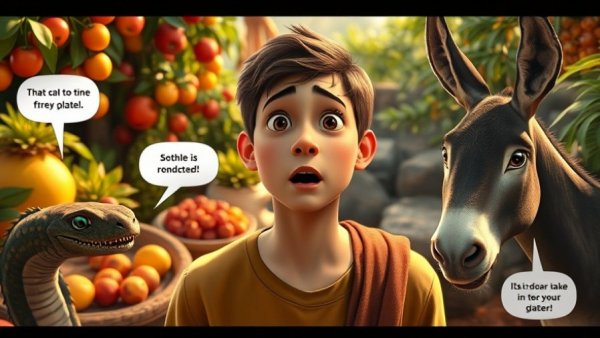
In 'Talking Animals Are Not Dumb: WE ARE,' the discussion dives into the intelligence of animals, exploring key insights that sparked a deeper analysis on our end.
The Biblical Perspective on Animals and Intelligence
Throughout the scriptures, we see references to animals that exhibit remarkable traits. In Proverbs 30:24-28, King Solomon mentions four creatures that are "small, yet they are exceedingly wise"—the ant, rock badger, locust, and the lizard. This biblical wisdom showcases that intelligence exists in forms other than human. Understanding this perspective not only aligns with faith but also encourages a broader view of what constitutes intelligence in God's creation. Furthermore, the Bible illustrates that animals can express emotions and form social bonds, yet many of these characteristics often go overlooked in a highly anthropocentric society. Recognizing the wisdom of other creatures enhances our spiritual journey as we reflect upon our shared existence.
Social Connection: Understanding Our Role in Creation
The video delves into how humans often view themselves as the apex of creation, yet in doing so, we may miss the rich tapestry of intelligence displayed throughout the animal kingdom. By recognizing the abilities and complexities of other living beings, we begin to diminish the barriers we create between ourselves and them. This connection fosters greater empathy, humility, and respect for life, which are essential principles for believers and seekers alike. For instance, studies have shown that social animals like elephants and dolphins engage in complex communication, emotional support, and even cooperative tasks, prompting us to reconsider how we interact with our fellow inhabitants of this world.
Counterarguments: Challenging the Status Quo
While many accept the traditional view of human superiority based on cognitive abilities, the video raises important counterarguments. Critics argue that human-made constructs of intelligence often lack validity. For instance, how can we measure a whale's communication or an elephant's emotional intelligence using human criteria? It's crucial to adapt our understanding rather than impose our standards on other creatures. This perspective can shift how we engage with animals, whether as pets, wildlife, or elements of our ecosystems. By relinquishing the notion of superiority, we can adopt a more respectful and integrative approach to our interactions with animals that acknowledges their unique contributions and experiences.
Future Predictions: The Role of Animals in Our Society
The future looks bright for human-animal relationships as researchers continue to explore animal cognition. With every study revealing deeper insights into animal behavior, we may begin to design policies that better protect animal rights and their habitats. This ongoing relationship will likely foster greater awareness among youth and communities, encouraging actions such as conservation efforts and humane treatment of animals. Educational institutions have a pivotal role to play; as they incorporate teachings about animal intelligence, they can champion a holistic appreciation for creation. Schools can establish programs that educate children on the importance of biodiversity and the role animals play in our shared environment, shaping a generation that values respect for all living things.
Diverse Perspectives: Insights from Other Cultures
Exploring diverse cultural interpretations of animals enriches our understanding. Some indigenous cultures see animals as spiritual guides possessing wisdom beyond human comprehension. Narratives that honor animals' roles in folklore highlight a respect often lacking in modern interpretations. Acknowledging these traditions can cultivate a greater appreciation for our interconnectedness with all living beings, revealing the complexities inherent in animal existence and the lessons we can learn from them. For believers, these cross-cultural perspectives can foster a greater sense of stewardship and responsibility toward nature, reminding us that our interactions with the environment shape our spiritual journey.
Practical Insights: Engaging with Animals in Faith
For parents and educators, this message has actionable implications. Encouraging children to observe and learn from animals fosters a healthy curiosity and respect for God's creation. Activities such as visiting nature reserves, discussing animal behavior, and even reading stories that highlight animal intelligence can help cultivate a mindset appreciative of life's diverse expressions. These lessons can extend to discussions about stewardship over creation and the importance of maintaining balance in our ecosystems. Parents can incorporate simple practices like birdwatching or participating in community clean-up events to help children understand their role in caring for the environment.
Concluding Thoughts: A Call for Unity and Understanding
The video "Talking Animals Are Not Dumb: WE ARE" opens a pathway for reflection and growth. By recognizing that intelligence is multifaceted and exists in many forms, we deepen our understanding of creation and our role within it. As believers and seekers navigate their paths, this invitation to re-evaluate our perspectives on intelligence and our relationship with animals is timely and necessary. In today’s interconnected world, fostering a respect for all forms of life can lead to a rich, harmonious existence.
As we ponder the points raised in the video, let us strive to foster a culture that respects all forms of life, challenging ourselves to think more critically about how we define intelligence and behave toward our fellow creatures. Additionally, engage your local communities or educational groups in discussions about the value of animals and the ethical considerations surrounding their treatment. Together, we can shape a future that honors both our faith and the intricate web of life surrounding us, ensuring that every creature’s worth is recognized and celebrated.





Write A Comment