




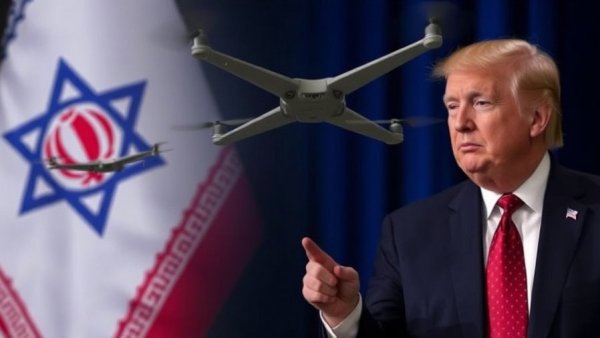
Iran's Growing Threat: A Renewed Concern for Global Safety
Israeli intelligence has raised alarms regarding a potential Iranian plot to target former President Donald Trump and other high-ranking U.S. officials using drones. This alarming development underscores the increasing aggression from Tehran amidst ongoing diplomatic efforts. The backdrop to these threats includes the delicate negotiations led by Trump’s vice president, geared towards addressing the complexities of U.S.-Iran relations. The considerations surrounding Doha as a possible negotiation venue suggest a focused strategy to engage with Iran despite the escalating tensions.
Understanding the Historical Context
The strained relationship between the U.S. and Iran dates back decades, with pivotal moments shaping their interactions. The Iranian Revolution in 1979 marked a clear shift, where the U.S. was labeled as the 'Great Satan' by Iranian leaders. Since then, numerous conflicts have emerged, often involving proxy groups in the region. Recent advancements in drone technology by Iran have raised concerns not only for U.S. officials but also for allies in the region who have historically faced threats from Iranian military capabilities.
The Social Connection: Why This Matters to Christians
For mission-minded Christians and supporters of the persecuted church, this news is more than just a political affair; it’s a spiritual concern. The Middle East remains a regional hotbed of conflict where Christians often face persecution. Understanding the implications of such geopolitical tensions is crucial for advocating for peace and justice within these communities. It’s essential for believers to stay informed, as the outcomes of U.S.-Iran negotiations may directly impact Christian communities in the region, including their safety and freedom to practice their faith.
Future Insights and Opportunities for Peace
The potential for dialogue exists, but so do risks. As President Trump prepares to meet with Qatar's prime minister, the discussions will likely contend with Iran's behavior, particularly regarding military threats against public figures. This could serve as an opportunity for peacemaking efforts, but it necessitates a collaborative approach involving not only governments but also faith-based organizations and humanitarian groups. Engaging these stakeholders ensures that the voices of vulnerable populations are heard, fostering a more comprehensive peace strategy.
Actionable Insights for Believers
What can believers do in light of this increasing threat? Firstly, staying informed is crucial—understanding the geopolitical landscape will allow Christians to make educated decisions regarding advocacy and support. Secondly, prayer for leaders involved in peace negotiations can provide spiritual support in navigating these critical issues. Lastly, fostering interfaith dialogues can play an essential role in bridging divides and promoting understanding between different faith communities. These steps not only serve the purpose of increasing awareness but also empower believers to take proactive roles in advocating for justice and peace.
Conclusion: The Importance of Awareness
As the situation sharpens, it is vital for Christians and engaged individuals to keep abreast of developments in the Middle East, especially those that directly affect vulnerable communities. Understanding these dynamics fosters informed advocacy and supports the call for peace amidst chaos. As we witness these events unfold, let us commit ourselves to prayer and action, remembering that our solidarity can pave the way for hopeful futures in conflict-ridden areas.




Write A Comment