




Understanding Bennett's Political Dilemma
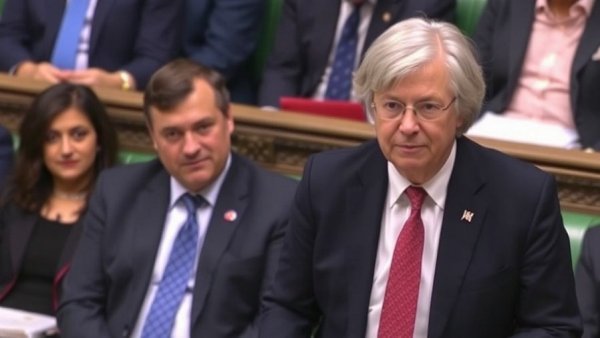
Naftali Bennett's silence speaks volumes in the current tumultuous Israeli political landscape. According to Yair Lapid, when they are silent, it indicates that significant discussions or negotiations are occurring behind the scenes. Currently, Bennett finds himself at a crossroads with critical implications for his political future and the broader Israeli government structure.
Bennett's predicament is exacerbated by four pressing issues that complicate his potential paths forward. First, the relationship dynamic with Lapid is strained, with Bennett's immediate partner pursuing aggressive tactics to unseat Benjamin Netanyahu regardless of coalition composition. This growing chasm complicates any unity that could have otherwise emerged from their alliance.
The Political Landscape: Partners or Rivals?
As Bennett wrestles with the implications of forming a government, his association with Lapid becomes increasingly precarious. Their joint campaign to lead Israel ended with disappointment, and rumors swirl about whether they can maintain their political partnership moving forward. Many observers believe they are no longer united politically but are hesitant to voice their internal discord publicly.
Bennett's Knesset faction also plays a critical role in his political choices. His recent electoral strategy, aimed at curbing support for rival Gadi Eisenkot, inadvertently resulted in a slate leaning more left than his original vision. With no representatives of religious Zionism within his ranks, this shift diminishes his maneuverability within the framework of Israeli politics.
Balancing Act: The Challenges of Base Support
The excitement of new voters does not align with the potential backlash Bennett might face if he chose to partner with Netanyahu or ultra-Orthodox parties. This balance of support among his voter base is fragile, making any alliance with the Right deeply problematic. Bennett is left in a position where any perceived betrayal to his constituents could lead to a loss of credibility and support.
Severe Constraints: Lack of Alternatives
Perhaps the most pressing issue for Bennett is the absence of viable alternatives to the current political landscape. With a coalition dependent on Arab parties emerging under Eisenkot or a Likud-led government with ultra-Orthodox support, Bennett might be cornered into conceding to options he vehemently promised to avoid during his campaign. If he cannot find a legitimate path to form a government with the Right, he could remain trapped in a cycle of negotiations that continue to marginalize his party.
Looking Beyond: Potential Future Scenarios
Despite his silence, Bennett remains a calculated player in this political game. Past experiences show that in post-election negotiations, he often takes a step back to evaluate his options carefully. Understanding the dynamics at play between members of the Knesset is crucial, as Bennett weighs potential outcomes with patience. His ability to navigate these waters will undoubtedly impact not only his political future but also the stability of Israel's government.
Lessons from the Past: A Pattern of Political Moves
This situation echoes historical precedents where politicians have faced similar crossroads. Leaders must often make difficult choices that weigh personal integrity against political necessity. Drawing on these past events could help elucidate the current context, guiding Bennett and others as they negotiate the complex realities of Israeli politics.
Final Thoughts: A Call for Unity and Clarity
As tensions continue to rise in Israel's political realm, it is essential for leaders like Bennett to remain true to their commitments while facing overwhelming pressure from their factions and constituents. His journey reflects the challenges many face in balancing their values with political necessities. As the situation unfolds, it remains critical for communities, including Christian supporters of Israel, to remain engaged and informed on developments impacting the nation as they seek to support fairness and justice.
If you care about the developments in Israeli politics and want to stay informed on the intersection of faith and justice, consider engaging with local communities and organizations dedicated to supporting the complex narratives emerging from this area.



Write A Comment