




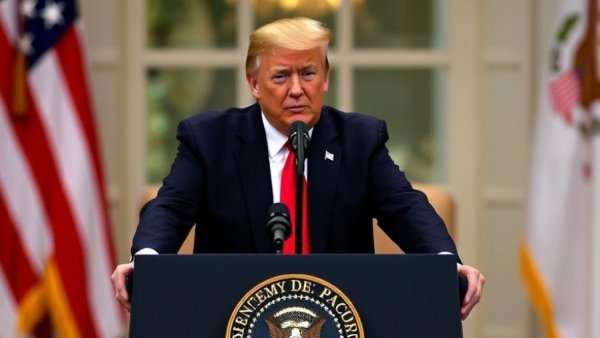
Understanding Trump's Stance on Iran
Recently, President Donald Trump expressed a clear position regarding negotiations with Iran, stating, "We don't need a deal." This assertion reflects a broader strategic approach his administration has taken toward Iran, focusing on maintaining economic pressure to influence its actions and policies in the Middle East. For many, Trump's stance raises questions about the implications for diplomatic relations and the safety of allies in the region, particularly Israel.
The Ongoing Economic Pressure Campaign
The economic pressure on Iran has been significant, with sanctions aimed at crippling its economy in response to its nuclear ambitions and regional activities. The approach, championed by key figures in the Trump administration, has aimed to isolate Iran economically while pursuing diplomatic avenues to prevent conflict. This dual strategy seeks to weaken the Iranian regime's influence without resorting to military action, a delicate balance for any U.S. administration. The sanctions have targeted various sectors, including oil, which is vital for Iran's economy, leading to a dramatic decrease in its export revenues.
The Implications for Israel and Middle Eastern Stability
Trump's clear dismissal of a need for a deal with Iran reverberates through the halls of power in Israel and among U.S. allies. For Israel, a nation that sees Iran as a primary existential threat, Trump's comments may bring a sigh of relief as their security interests align closely with a hardline U.S. stance. However, it also reflects the tension in regional diplomacy, where reliance on pressure tactics could lead to escalation rather than resolutions. Increased military tensions could threaten not only Israeli security but also destabilize the entire region further. This situation necessitates careful monitoring and a substantial diplomatic approach to mitigate potential conflict.
The Future of U.S.-Iran Relations
Looking ahead, several scenarios may unfold as the U.S. continues its policy of pressure. One possibility is heightened regional tensions if negotiations seem unlikely. As hardline factions in Iran gain power, they could emerge more defiant, potentially leading to aggressive regional posturing or proxy conflicts involving Iran's support of militant groups across the Middle East. Another possibility is a strategic pivot by the U.S. under differing political leadership, especially as recent midterm elections demonstrate shifting sentiments within the GOP. As more GOP lawmakers show support for varying approaches to Iran, the future of U.S.-Iran relations may hinge less on diplomatic reach and more on political maneuvering within the U.S. This internal landscape will significantly shape any future encounters with Iran, affecting not just U.S. strategy but also the prospects for peace and stability in the region.
Engaging Christians in International Affairs
For Christians globally, particularly those invested in humanitarian issues, Trump's stance invites reflection on the role of faith in politics. How do we, as believers, advocate for justice and peace in a landscape often characterized by conflict and division? Engaging in interfaith dialogue and understanding the complex cultural context of the Middle East can empower Christians to approach these issues with compassion and empathy. As Christians, it is essential to remember that the local population often suffers the most from geopolitical decisions, and thus our advocacy should strive to uplift those voices.
Moreover, continued engagement in advocacy for the persecuted church in Iran highlights the need for balanced approaches to international relationships—one that prizes human rights alongside national interests. By fostering a commitment to human dignity, advocates can work toward solutions that not only address geopolitical tensions but also provide help and hope for the vulnerable in regions suffering from instability.
Call to Action: Get Involved in Advocacy
As we navigate these turbulent waters, it is essential for mission-minded individuals to remain informed and proactive. Engage with advocacy organizations that focus on supporting the persecuted church, participate in interfaith dialogue initiatives, and educate others about the complexities of international relations in the Middle East. Attend local discussions and forums about U.S. foreign policy, as your perspectives can add to the growing understanding of these issues.
Your voice matters in advocating for both peace and the protection of the most vulnerable. Take action by writing to your representatives, encouraging them to pursue policies that prioritize human rights and diplomatic engagement. Through informed advocacy and compassionate action, we can contribute to a more just world.




Write A Comment