




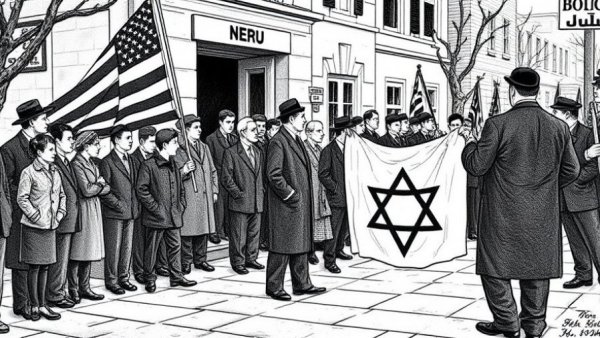
Understanding the Shifting Dynamics of Jewish Identity
The events of October 7 and 8 have altered the landscape for Jewish communities, both in Israel and America. The stark realization that traditional safety nets, which the Jewish people have relied upon, are no longer dependable, is shaping a collective identity crisis. Many American Jews historically saw the legal frameworks and constitutional protections as safe havens against antisemitism. In contrast, the belief that a strong alliance with liberal jurisprudence would safeguard their identity is increasingly questioned.
Historical Context: A Long Legacy of Legal Struggles
The legal history of American Jews tells a tale of systemic injustice intersecting with attempts for integration. To understand the complex landscape they navigate today, we must look back to critical cases like that of Leo Frank in 1913. Initially, many viewed the courtroom as the ultimate site for justice. Sadly, while recent events underscore failures in that system, they also reflect a stark historical continuity—a reminder of how past injustices echo in the present.
The Social Implications of October 8
The clash between self-identification as a religious community and external perceptions of Jews as solely political entities has intensified. The perceived distinction between 'Jew' and 'Zionist' has profound implications in a social landscape rife with tension. Many American Jews are now confronted with the unsettling reality that their religious identity is being undermined by the politicization of their community. As antisemitism resurges, solidarity within the Jewish community in America and elsewhere is paramount—a lesson woven through centuries of their collective history.
A Call for Action: What Can Be Done?
The Jewish community stands on the precipice of change, reassessing its role within American society. It is no longer enough to rely solely on the legal system; communities are being called to action, demanding institutions recognize and reinforce Jewish identity and safety. This transformative moment necessitates dialogue, advocacy, and a whole-hearted commitment to the defense of Jewish life and values. In a world where institutions may falter, grassroot movements emerge as critical spaces for reassertion of identity and rights.
Applying Historical Lessons to Modern Challenges
The story of Jewish resilience is underscored by a commitment to learning from the past. Just as the Jewish community rallied in historical crises, the moment demands an urgent revival of that communal spirit. Education, advocacy, and solidarity are not merely historical lessons; they are practical tools that must be wielded today. A nuanced understanding of how history informs current events empowers individuals and communities to reclaim their narrative and foster safety.
Engagement of Cross-Cultural Alliances
For allies in the Christian community and others who support social justice, bridging the gap and engaging with Jewish narratives can foster understanding and mutual support. Interfaith dialogues focusing on shared values can lead to stronger coalitions advocating for justice and equality across all communities facing persecution.
Conclusion: A Unified Path Forward
In light of the shifting dynamics post-October 7 and 8, it is clear that both Jews and their allies must work collaboratively to build a society where safety and justice are no longer matters of hope but realities. Understanding the unique and often painful history of the Jewish people can foster compassion, turning sympathy into action. To stand together against antisemitism, and ensure that the lessons of the past light the path forward is imperative for all who desire justice.





Write A Comment