Add Row
Add Element
cropper
update

Biblical Living Unlocked

Logo - Biblical living unlocked
update
Add Element
  • Home
  • Categories
    • Biblical Parenting
    • Parenting Tips
    • Family Fellowship
    • Bible Teaching
    • Apologetics
    • Community Stories
    • Youth Focus
    • International
    • Walton Evangelical Church
    • Salt Church Mar Menor
    • Salt Church Los Montesinos
    • John Piper
    • News & Offers
Add Element
  • Ken on Facebook
    update
  • update
  • update
  • update
  • update
  • update
  • update
March 30.2025
2 Minutes Read

Hostage Deal Negotiations: A Complex Process with Human Faces

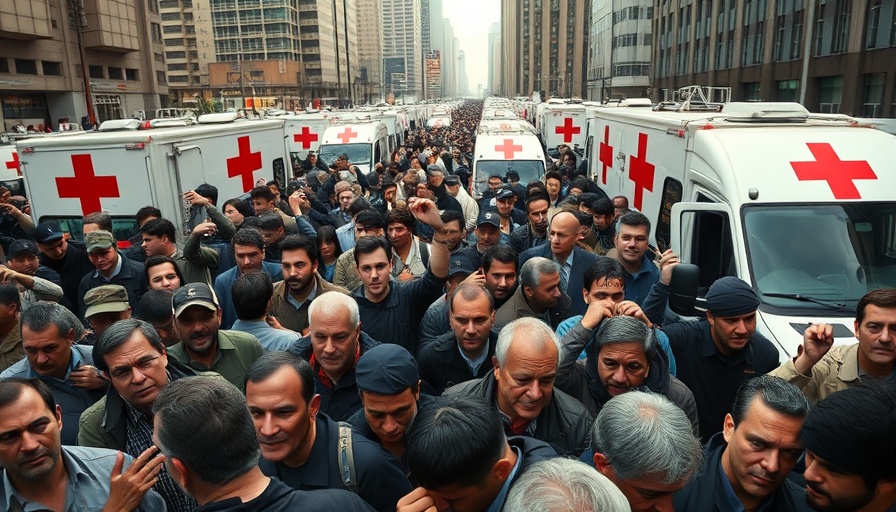
Hostage deal negotiations crowd scene with Red Cross vehicles.

Understanding the Human Impact of Hostage Deals

The ongoing hostage negotiations between Hamas and Israel are not just a matter of political strategy; they represent the deep emotional turmoil experienced by families. Recently, the Israeli Prime Minister's office announced they received a proposal for a hostage deal from Hamas, which includes the release of five hostages. However, Israel insists on a more comprehensive deal, referred to as the Witkof deal, which would see 10 to 12 hostages returned home safely. This situation echoes the hearts of many in Israel, particularly the families of those taken captive, who have been waiting for solutions to bring their loved ones home.

The Emotional Toll of Prolonged Captivity

Families of the captives, such as Matan Zangauker's mother, have been making emotional pleas through various platforms, in hopes of reuniting with their loved ones. There's an immense suffering that these families endure during the lengthy periods of uncertainty. The heart-wrenching video message released by Zangauker’s mother serves as a poignant reminder of the human stories behind these headlines—people who are waiting for resolution and healing.

The Role of International Mediation

The involvement of U.S. envoy Steve Witkoff is crucial in this negotiation process as it demonstrates the international community’s role in addressing the dynamics of conflict. Hamas has not outright dismissed the proposal but insists that the deal should meet their requirements as well. This highlights the interplay between local and global demands in securing peace, showcasing the complexities of furthering humanitarian efforts amidst longstanding tensions.

Why Understanding These Dynamics Matters for Christians

For Christians around the world, these stories are not merely news items—they are calls to prayer and action. The plight of the persecuted, including those affected by conflicts like this, resonates deeply within Christian teachings about mercy and compassion. Advocacy for peaceful resolutions is pivotal, as it aligns with the core beliefs of many believers advocating for justice and the sanctity of life.

Future Implications for Hostage Situations

As the negotiations unfold, observers may wonder about the future implications of these hostage deals on broader peace efforts. Will the concessions made today lead to a pathway for lasting peace, or will they open doors for further conflict? Understanding these scenarios is crucial for developing informed opinions and actions surrounding international and religious dialogue.

In closing, the negotiations regarding hostages depict more than political machinations; they unveil the profound human element of suffering, hope, and the desperate need for resolution. As these discussions continue, it is paramount for us as a global community, and particularly as a faith community, to support efforts that honor the dignity and lives of everyone involved.

International

20 Views

0 Comments

Write A Comment

*
*
Please complete the captcha to submit your comment.
Related Posts All Posts
03.15.2026

America Faces Terror Threat: Expert Warns of Sleeper Cells Targeting Jews

Update Understanding the Rising Threat to Jewish Communities Devorah Halberstam, a prominent voice against anti-Semitism and a mother who lost her son in the tragic Brooklyn Bridge shooting of 1994, has expressed her deep concerns about the alarming uptick in attacks targeting Jewish individuals and institutions across the United States. She warns that these incidents are not isolated and suggests that sleeper cells could be operating within the U.S., reminiscent of threats leading up to the 9/11 attacks. This urgent call for awareness comes at a time when the Jewish community feels increasingly vulnerable. The Current Landscape of Threats Recent events, including an attack at Temple Israel in Michigan, have heightened tensions within Jewish communities. Kerry Sleeper, the chief of threat management for the Secure Community Network, labeled this moment as the most elevated threat environment the community has faced in modern history. Attacks have not only occurred in the U.S. but have also crossed the Atlantic, with synagogues in Canada and Europe also under fire. This widespread hostility raises critical questions about safety and the proactive measures needed within these communities. Lessons from the Past: How History Informs Present Risks Reflecting on the past, many experts suggest that the situation mirrors the pre-9/11 climate, where threats were often underestimated until it was too late. Mike Jacobson, a senior fellow at the Washington Institute for Near East Policy, highlights how the actions and agent provocateurs linked to global tensions — particularly involving Iran — could create a complex and chaotic threat spectrum. Jewish communities are now more than ever aware of the necessity to bolster their security infrastructure in response to these contemporary challenges. Counterarguments: The Balance Between Security and Community Life While the need for increased security is evident, some community leaders urge a balanced approach. Michael Masters, the national director of the Secure Community Network, emphasizes the importance of not allowing fear to dictate how communities assemble and practice their faith. Ensuring security should not come at the expense of communal gatherings. As Rabbi Adam Roffman of Congregation Shearith Israel states, the community must continue to thrive socially and spiritually despite the threats that loom nearby. Future Predictions: What Lies Ahead? The trajectory of incidents indicates a potential rise in security needs, possibly culminating in a “Europeanization” of security methods, as observed by experts like Mitchell Silber. This shift could involve more extensive security screenings and armed presences at community spaces, previously unthinkable on U.S. soil. As international conflicts escalate, particularly between the U.S., Iran, and Israel, the interconnectedness of global events highlights the precarious situation Jewish communities face today and the potential for these threats to escalate rapidly. Practical Insights: How Communities Can Prepare In light of this disturbing trend, Jewish institutions are advised to enhance their security protocols, which may involve implementing multiple layers of protection, including surveillance systems, trained security personnel, and community awareness initiatives. Empowering community members with knowledge and resources to recognize and report suspicious activities may help mitigate risks before they manifest as violent acts. Key Takeaways: Understanding the Current Climate In conclusion, the rising tide of anti-Semitic attacks underscores a significant challenge for Jewish communities worldwide. It is essential for individuals and community leaders to remain vigilant, proactive, and engaged, fostering a culture of safety while maintaining the heart of community life. By understanding the historical context and current threat, communities can better equip themselves for the challenges ahead.

03.14.2026

Princess Noor Pahlavi's Vision for Iran After the Ayatollahs

Update Princess Noor Pahlavi's Vision for a Free Iran As the granddaughter of former Shah Mohammad Reza Pahlavi, Princess Noor Pahlavi carries the hopes of many Iranians who yearn for freedom. In a candid interview, she expresses optimism that the people of Iran will one day be liberated from the over 47 years of repression under the current regime. Born in the United States and having never set foot in Iran, her perspective is both unique and a blend of hopes nurtured by stories of her family’s legacy and the dire realities faced by her countrymen. The Changing Landscape of the Middle East “I believe a new Middle East is emerging,” Princess Noor stated. This sentiment reflects a growing perception that shifts in leadership and ideologies could pave the way for democratic governance in regions traditionally ruled by autocrats. Similar sentiments were echoed by other leaders and activists throughout the region, signaling a possible transition from oppressive regimes to more participatory forms of governance. This change could significantly influence not only Iran but the broader geopolitical landscape as well. Why Freedom Matters: The Humanitarian Angle For many Christians and humanitarian advocates, the struggles faced by Iranian citizens resonate deeply. The plight of individuals, especially Christians who face persecution for their beliefs, calls for international attention. Organizations often highlight these issues to mobilize support and advocacy for basic human rights. Princess Noor Pahlavi’s plans for Iran include ensuring that these voices—often silenced under authoritarian rule—are amplified in the future. By fostering an environment where all individuals can practice their faith freely, including Bahá'ís and Christians, a more cohesive society is envisioned. Appealing to Global Allies Princess Noor is not just calling for internal change; her vision includes leveraging support from the global community. Advocates for freedom and democracy often look toward allies who can provide necessary resources and backing. By fostering connections with institutions and nations that promote democratic values, she believes Iran can redefine its future. This calls for a strategic approach that encourages solidarity among nations committed to human rights. Current Developments and Future Prospects As protests continue to erupt in response to government policies, many Iranians are refusing to accept the status quo. The willingness of the youth and activist groups to challenge the government may very well shape a pivotal moment in Iran's history. As they voice their frustration, Princess Noor and her supporters aim to channel that energy into a constructive dialogue about the future of Iran, one that emphasizes inclusivity and respect for all beliefs. Conclusion: The Call to Action Princess Noor Pahlavi's journey and vision can inspire people everywhere, especially Christians and social justice advocates who are passionate about humanitarian issues. By understanding these developments in Iran, stakeholders can offer support and advocacy for those striving for a brighter future. As we reflect on the challenges facing those who seek freedom, it is essential to recognize not only their struggles but our potential role in creating global change. Join the conversation about how the future of Iran unfolds, and consider how you can engage in efforts that support freedom and justice both locally and internationally.

03.14.2026

Understanding Iran's Youth: Fear, Faith, and Hope Amid Conflict

Update The Struggles of Iran's Youth Amidst War In the midst of ongoing conflict in Iran, young people are grappling with feelings of fear, hopelessness, and guilt. According to Amir, an Open Doors partner working directly with youth in the region, he frequently hears similar emotions expressed by many individuals. “When I look at the faces of people in Iran, everyone looks sad – everyone is carrying so much,” he shared. The emotional turmoil among the younger generation is profound as they navigate their faith amid a landscape marred by violence. A Climate of Fear and Trauma Reports indicate that the crisis has resulted in a "climate of fear and trauma, especially among young people," as Amir notes. One poignant story shared by a young man highlighted how the fear of violence led him to avoid protests. He had planned to demonstrate alongside his sister but decided against it after witnessing the killings of his peers. His question, “Why did so many people die when nothing has changed?” reflects a deep sorrow and guilt that permeates the hearts of many Iranian youths. For them, standing against oppression carries both bravery and regret. Faith and Community in Crisis Despite the sorrow they bear, many Christian youths in Iran strive to support one another. Amir recounts the story of a young girl eager to comfort others as a testament to her faith, even as she herself lacks spiritual nourishment. This paradox is common as churches face increasing pressure and restrictions that limit communal worship and fellowship. In times of distress, the resilience of faith is tested, as believers yearn for connections that affirm their beliefs and offer solace. Isolation in Darkness The relationship between Iranian believers and the global community has been a source of hope, especially during moments of connection. However, with the recent internet blackout, many feel abandoned in their darkest times. Amir explains that when communication is severed, individuals feel utterly isolated. “The government isolates individuals in the darkness, knowing that even small signs of global support can have a powerful effect on people inside,” he says. As faith communities abroad show solidarity, Iranian youth have expressed gratitude, understanding that their struggles have not gone unnoticed. Government Oppression and Personal Sacrifice The continued surveillance and oppression from the Iranian government weigh heavily on Christian families. Amir shares an alarming story of a woman arrested during a small house gathering intent on aiding those wounded by the violence. After being detained for two weeks, her community is left scattered, highlighting the personal sacrifices endured by those resisting tyranny. The pervasive atmosphere of danger compounds the challenges faced by the nation’s youth, especially those who seek to express their beliefs freely. The Long Shadow of Grief These circumstances exacerbate a feeling of prolonged grief, particularly among families holding onto silent memories of their loved ones who have perished. Amir highlights that the societal pressure to remain quiet about such losses can be further traumatizing. Young people often grapple with painful questions like, “If God is just, why did this happen?” The need for compassionate listening is critical, as it allows them to share their pain without judgment. Finding Hope in Difficult Times Amidst these trials, Amir holds onto a verse from 2 Corinthians 1:3, which speaks of God as the "Father of compassion and the God of all comfort." He encourages Iranian believers to find solace in divine assurance, so they may also extend comfort to others. “Just hearing that others are thinking about them and praying for them gives renewed hope,” he emphasizes. His ongoing prayers for the youth amidst warfare reflect a dedication to standing alongside them in their struggles. A Call for Support and Prayer As the situation remains critical, it is imperative for supportive communities to rally around Iran’s youth. Prayer, compassion, and tangible support can restore a sense of hope in dire circumstances. By advocating for one another, believers across the globe can stand together with those facing persecution, ensuring that the voices of Iranian youths are not silenced, but rather amplified through love and solidarity. Pray for the peace and healing of those affected by this conflict, that they may find strength in their faith and community.

Terms of Service

Privacy Policy

Core Modal Title

Sorry, no results found

You Might Find These Articles Interesting

T
Please Check Your Email
We Will Be Following Up Shortly
*
*
*