




Trump's Military Posture Towards Iran: A New Status Quo
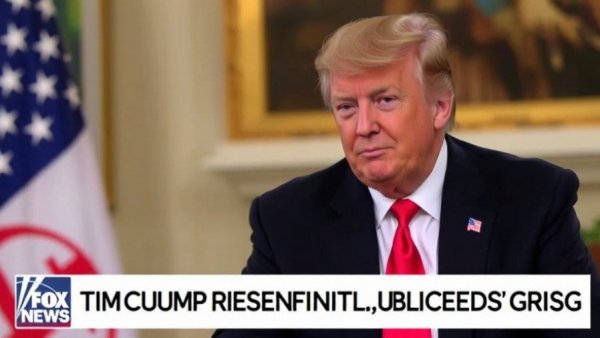
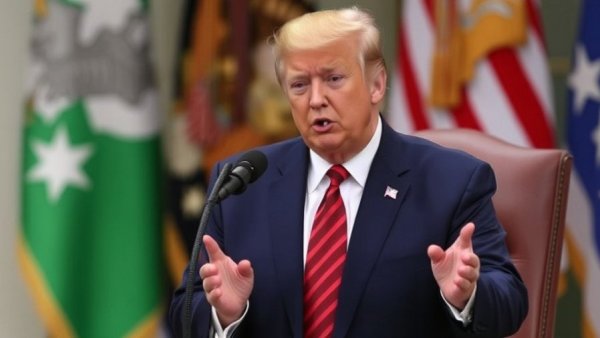
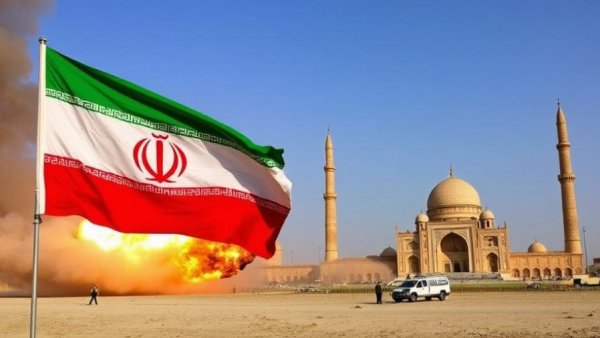
In a recent statement from the White House, President Donald Trump declared that, as it stands, "Iran, militarily, is effectively over." This strong assertion sets the tone for current US-Iran relations, indicating a significant military blockade is ongoing while diplomatic dialogues are simultaneously pursued. Underlining the complexities of international politics, Trump's announcement follows talks with Qatari Prime Minister Sheikh Mohammed bin Abdulrahman bin Jassim Al Thani, highlighting the role of US allies in the Middle East and their shared concerns over Iran's nuclear ambitions.
Pursuing Peace or Setting the Stage for Conflict?
While the US maintains that it does not seek an immediate escalation of conflict, Trump's remarks suggest a reactive rather than proactive military strategy. He reinforced that the military presence in the Middle East is being bolstered with the addition of a third aircraft carrier. With this fleet in place, President Trump indicated that the United States is prepared for military action, should diplomatic efforts fail. This precarious balancing act raises questions about the effectiveness of reliance on military readiness as a deterrent against nuclear proliferation in the region.
The Role of Regional Allies in Iran Policy
Trump's discussions with Gulf states reflect a consensus among these nations regarding Iran's nuclear capabilities. The president mentioned that these countries prefer to uphold the existing pressures on Iran, emphasizing the importance of a united front. In his perspective, maintaining naval blockades and intelligence operations like Operation Iron Gate is critical until an agreeable and long-lasting solution to the Iranian threat is negotiated. This diplomatic strategy aligns with the beliefs of many who advocate for a peaceful resolution but remain wary of Iran’s potential nuclear advancements.
Prospects for Diplomatic Engagement with Tehran
Despite the military rhetoric, there are glimmers of hope for de-escalation. Trump noted a shift in tone from Iran, describing their communication as "very polite," suggesting a willingness to engage diplomatically. As the US and other nations continue to discuss nuclear disarmament, there remains cautious optimism about reaching an agreement that secures long-term regional stability. However, the dual focus on diplomacy and military readiness leaves the international community questioning whether peace is truly achievable.
A Lasting Peace: What's at Stake?
The stakes are high for the global community, particularly for Christians and humanitarian advocates who have vested interests in the geopolitical dynamics of the Middle East. Every move made by nations can have ripple effects, influencing not only local populations but also impacting international humanitarian efforts. The call for peace talks is urgent, as millions continue to suffer from the conflict's repercussions. Both sides must navigate these turbulent waters carefully, recognizing the weight of their actions.
Furthering Interfaith Dialogue in Crisis
The evolving situation with Iran presents an essential opportunity for interfaith dialogue and understanding. As religious communities worldwide seek common ground amid political upheaval, the convergence of faith and diplomacy becomes paramount. Engaging in discussions about peacebuilding and security can serve as a pathway toward mutual respect and cooperation, particularly for those in the faith community advocating for social justice and humanitarian relief.
Conclusion: What Lies Ahead?
In light of the precarious situation surrounding Iran, it is essential for those invested in humanitarian causes and interfaith dialogue to stay informed and active. Understanding the intricacies of international relations in this context can empower individuals and communities. As Trump continues to assert US military capabilities while seeking a diplomatic solution, the challenge remains for all parties involved to prioritize lasting peace. Your active engagement—whether through advocacy, prayer, or informed discussions—can contribute to a more hopeful future.


Write A Comment