




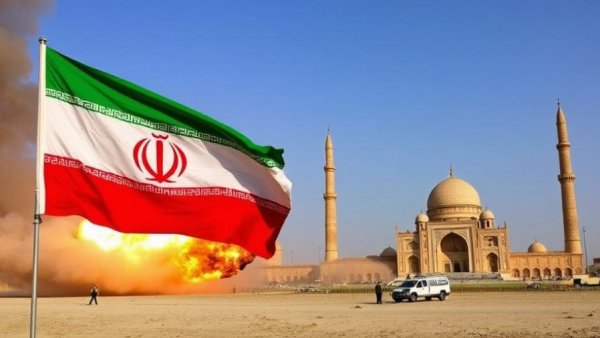
A Crossroads: How Should the West Approach Iran?
The ongoing debate regarding how the United States and Israel should manage their approach towards Iran is intensifying. With leadership changes in both nations—Democrats in the U.S. and a stalemate in Israel’s elections—the situation seems precarious. President Trump's administration is forced to navigate complex choices: should they continue with aggressive military strategies, implement targeted strikes, or allow economic pressures to unfold? The decisions that emerge from Washington discussions could shape not only the future of Iran but also the geopolitical landscape of the region.
Views from the Ground: A Divided Expert Opinion
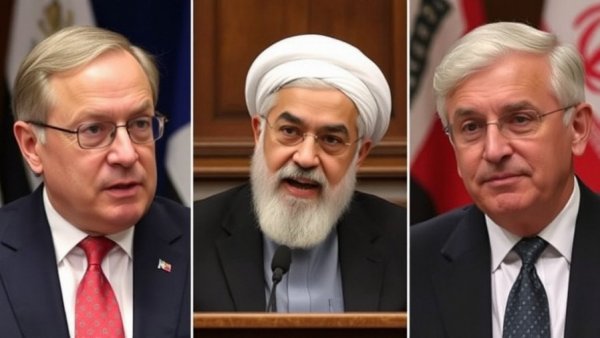
Experts have differing opinions about the path forward. Avner Vilan, a prominent figure in Israeli defense circles, argues that economic sanctions alone cannot compel Iran to dismantle its nuclear program. He believes military options should not only remain open but be ready to be exercised if Iran’s progress continues unchallenged. Vilan posits that Iran’s leadership, which equates nuclear capability with regime survival, will remain resolute in its ambitions despite suffering economic hardships.
Conversely, Oded Ailam, former Mossad operative, advocates for a more restrained approach. He highlights that Iran is already in economic turmoil and struggles to refurbish its nuclear capabilities. According to Ailam, sustained economic pressure could erode support for the regime from within, potentially provoking an uprising. He cites that the current blockade is undeniably potent, a fact underscored by a marked decrease in oil revenues, with Iran’s remaining resources significantly dwindling.
Historical Context: Lessons from the Past
Understanding the history of U.S.-Iran relations is crucial in framing the current situation. The 1979 Islamic Revolution, during which Iran turned against Western influences, set a precedent for a strained relationship. Subsequent military engagements and sanctions have produced cycles of confrontation that have not successfully neutralized Iran's nuclear ambitions. The lessons are clear: simplistic approaches—military intervention without comprehensive follow-up—often exacerbate tensions rather than resolve them.
The Impact of Economic Sanctions on Everyday Lives
Sanctions produce complex social ramifications that often extend far beyond the political elite. Iranian families experience shortages and economic hardship, creating a volatile domestic environment. For Christians and social justice advocates, this matter takes on an added layer of urgency, as the oppressed often bear the brunt of these sanctions. These humanitarian concerns must remain front and center in discussions about Iran, as the call for action must also prioritize the welfare of innocent civilians.
Future Implications: Stability or Catastrophe?
Predictions predict a period of heightened instability in Iran if current economic trends continue. Observers note that Ailam's assertion of a potential economic collapse within weeks could lead to substantial domestic turmoil. If the regime falters under pressure, how will other global powers respond? The implications ripple beyond the Middle East, influencing international oil prices, trade, and human rights advocacy efforts worldwide.
Engaging with the Persecuted Church in Iran
The plight of Christians in Iran deserves special mention. Changes in political landscapes might open discussions on religious freedoms. A strong advocacy from the international Christian community can shed light on the dire realities faced by the persecuted. It is vital for understanding the narrative shaped around Iran and the widespread impact of international policies on minority groups.
Next Steps for Concerned Citizens
As civilians concerned about global affairs, it is essential to engage thoughtfully with these discussions. Awareness can lead to advocacy, prompting individuals to call on their leaders for informed and compassionate policies that focus on peace rather than conflict. It is our responsibility to ensure that humanitarian considerations remain integral to any approach taken towards Iran.
In conclusion, the crossroads that the U.S. and Israel face concerning Iran denotes a critical juncture in international relations. Keeping abreast of these developments and advocating for policies that prioritize humanitarian outcomes over military solutions may guide the path towards a more peaceful resolution. Let us remain vigilant as the situation unfolds, ensuring that we contribute positively toward hope and unity amidst conflict.




Write A Comment