

Biblical Living Unlocked

Logo - Biblical living unlocked
  • Home
  • Categories
    • Biblical Parenting
    • Parenting Tips
    • Family Fellowship
    • Bible Teaching
    • Apologetics
    • Community Stories
    • Youth Focus
    • International
    • Walton Evangelical Church
    • Salt Church Mar Menor
    • Salt Church Los Montesinos
    • John Piper
    • News & Offers
  • Ken on Facebook
November 17.2026
5 Minutes Read

Exploring the Basilica of John: Examining the Apostle's Burial Site

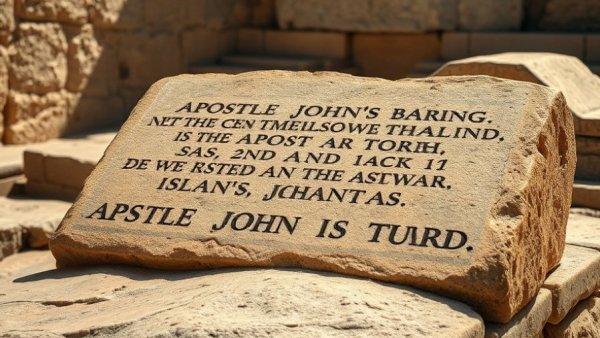
Ancient stone marker of Burial Site of the Apostle John.

Exploring the Historic Basilica of John: A Sacred Site

In considering the Basilica of John, we discover more than just architectural ruins; we unearth a narrative interwoven with the life of one of the most prominent figures in early Christian history—John the Apostle. This basilica stands at a revered site, believed to be the burial ground of John, a man who witnessed the teachings and resurrection of Christ. Delving into the evidence presented by early Christian writers, we encounter compelling connections that link John indelibly to Ephesus, a city rich in early Christian heritage.

In 'Was the Apostle John Buried Here?', the discussion delves into the significant evidence surrounding the burial place of John, prompting a deeper analysis of its historical context.

Significant Early Testimonies Connecting John to Ephesus

One of the first significant pieces of evidence is from Irenaeus, an early church father whose writings emerged in the late 2nd century. He recorded that John lived in Ephesus during the reign of Emperor Trajan, indicating a long and meaningful connection with the city. Such early accounts help build the narrative around John's life, framing this site not merely as a random location but as a significant place in the early Christian community.

Adding weight to this connection, Polycrates, the Bishop of Ephesus, around AD 190, described John poignantly as 'the disciple who reclined against Jesus at the Last Supper.' His assertion that John fell asleep in Ephesus amplifies our understanding of John’s lasting influence in the region. Polycrates’ testimony is immensely valuable, as he was deeply rooted in the Ephesus community, possessing familial ties to generations of church leaders, giving his words inherent credibility. Therefore, the local perspective offered by Polycrates reinforces the bond between John and the city.

The Archaeological Significance of the Basilica

Archaeology plays a crucial role in elucidating the claims associated with John’s burial location. Before the prominent basilica erected by Justinian in the 6th century, there were earlier memorials thought to honor John. These findings suggest that this site has held spiritual significance for quite some time, indicating a longstanding veneration of the apostle at this site. Procopius, a historian from that period, remarked that Justinian’s construction replaced an already existing church that had been dedicated to John. This suggests not only continuity but a sustained tradition of honoring John at this very spot—an important facet for believers and skeptics alike. The layered history, seen through archaeological digs, paints a vivid picture of the enduring respect held for John and the importance placed on his memory.

Confronting the Skeptics: The Case for Doubts

While the evidence leans towards the credibility of this site being John’s burial place, notable skepticism remains. Critics often highlight the lack of a definitive inscription that would securely identify the remains as belonging to the Apostle John. This absence of a clear inscription leaves room for doubt and further investigation. Additionally, Eusebius, a notable early church historian, mentions two tombs in Ephesus—both attributed to John—a factor that adds layers of complexity and confusion to the claims surrounding the burial site. This raises the question of whether one or both tombs could be genuine markers of his final resting place, and it encourages us to think critically about how historical narratives evolve over time.

The Balancing Act of Faith and Evidence

In analyzing the significance of the Basilica of John and surrounding claims, we arrive at a junction where faith meets historical inquiry. Ultimately, the connection between John and Ephesus is compelling due to early accounts and archaeological findings. However, as with many ancient historical questions, absolute certainty eludes us, allowing room for both faith-based belief and skepticism. The tradition surrounding this site invites believers to engage meaningfully with the evidence while encouraging seekers to acknowledge the depth of historical inquiry. This intersection of faith and logic enriches our understanding, prompting deeper questions about where we place our trust in ancient teachings and traditions.

Why This Discussion Matters

Engaging with the legacy of figures like John the Apostle and the history surrounding places such as the Basilica of John is pivotal for various audiences. For believers, it rekindles faith by connecting them with their spiritual heritage, while skeptics are prompted to explore the nuanced intersections of faith, history, and archaeology. Also, parents and educators find opportunities to discuss these topics with youth and church leaders, fostering an environment of exploration and inquiry that nurtures faith while respecting intellectual pursuits. When discussing sacred sites, we bridge generational gaps, allowing youth to engage with their heritage, and arming them with knowledge that challenges and uplifts.

In a world often divided by contrasting perspectives on faith and spirituality, discussions like those sparked by the Basilica of John present a valuable platform for constructive dialogue. They encourage individuals to consider not just the historical evidence but also the broader implications for faith, identity, and community. The story of John calls us to examine our beliefs and sparking curiosity can often lead to personal growth, both intellectually and spiritually.

Embracing the Tradition with Caution

While the tradition of John’s burial site deserves respect, it also requires critical examination. Engaging thoughtfully with historical claims can strengthen believers, challenge skeptics, and inspire seekers, creating a rich tapestry of faith that respects heritage while embracing inquiry. In light of today's diverse cultural landscape, the dynamic between ancient traditions and modern skepticism becomes increasingly vital. We invite readers to explore this narrative further—consider the implications of John’s legacy and the story of the Basilica.

As you enrich your understanding of biblical history, consider strengthening your faith community through discussions about these topics. Share what you discover, and foster deeper engagement in spiritual matters. Ultimately, the journey of exploration and understanding is as significant as the conclusions we draw. By diving into the narratives surrounding figures like John, we nurture not only our faith but also our desire to seek truth collectively.

Apologetics

0 Views

0 Comments

Write A Comment

*
*
Please complete the captcha to submit your comment.
Related Posts All Posts
11.17.2026

How Hospitals: A Christian Invention, Shape Today's Healthcare System

Update Understanding the Roots: Hospitals as a Christian Invention Throughout history, the idea of care for the sick and the poor has often found its deepest roots in Christian doctrine. In a world where survival was sometimes determined by geographic and economic circumstances, the establishment of hospitals stands out as a unique legacy of Christian compassion. Hospitals, as we know them today, were birthed from a tradition of caring for the most vulnerable, marking a significant shift in societal responsibilities.In HOSPITALS are a CHRISTIAN Invention, the discussion dives into the historical context of healthcare, exploring key insights that sparked deeper analysis on our end. The Historical Foundation of Hospital Care The concept of hospitals traces back to the early Christian church, where the belief in serving others was a fundamental teaching of Jesus Christ. Early Christians viewed caring for the sick as a reflection of their faith, leading them to create spaces where individuals could receive medical attention and spiritual support. This commitment to health and healing laid the groundwork for organized healthcare systems. For instance, in the 4th century AD, a significant turning point occurred when the Roman emperor Constantine allowed Christians to openly practice their faith. This led to the establishment of numerous health care facilities that integrated care with spiritual guidance. Hospitals became a sanctuary for those who were suffering, promoting both physical recovery and hope. Social Connection: Why This Information Matters Understanding the Christian origins of hospitals can foster a greater appreciation for the social responsibility we bear as communities today. In our fast-paced world, it is essential to reconnect with the values of empathy, care, and unconditional support that serve as the bedrock of compassionate healthcare. It reminds us that beyond just treatment, hospitals represent a sacred space where love and healing coexist. Parallel Example: The Modern-Day Application of Christian Values in Healthcare Fast forward to today's health crisis environments, where many hospitals are still deeply influenced by their Christian founding principles. Organizations like the Catholic Health Association continue to promote health with compassion, embodying the mission to serve others regardless of their background. These institutions not only provide medical care but also emphasize dignity and respect for all patients, echoing the foundational values established centuries ago. Future Predictions: Trends in Healthcare Through a Christian Lens Looking ahead, as society grapples with healthcare accessibility and ethics, the Christian message of compassion remains pivotal. We can expect a resurgence in faith-based initiatives that aim to bridge the gap between healthcare provision and spiritual wellness. Future hospitals may increasingly adopt holistic approaches, addressing not only physical ailments but also mental and spiritual health, reflecting the early models of care. Common Misconceptions: Debunking Myths About Hospital Origins Many people might perceive hospitals as purely secular institutions born out of modern science. This misconception overlooks the intrinsic value of faith in shaping healthcare practices around the world. Recognizing hospitals as Christian inventions invites deeper discussion and respect for the diverse motivations that have led to the establishment of such institutions. Enriching conversations about the intersection of faith and medicine can challenge preconceived notions and inspire a collaborative approach to care. Encouraging Dark Times: Hospitals as Beacons of Hope In the contemporary world, where despair can often overshadow hope, hospitals provide a vital reminder of resilience. They encapsulate the enduring spirit of compassion that the Christian faith espouses. For believers and skeptics alike, understanding the origins of hospitals is a testament to the profound impact of these values in nurturing a healthier society. Thus, being aware of hospitals’ Christian roots can reframe our view of healthcare, encouraging community engagement and a commitment to uphold the standards of empathy and service that began long ago. Doesn't it serve us all to reflect on how we can contribute to this legacy of love and care in our communities today? Get Involved in Promoting Compassionate Care As you engage with this history and the current narratives surrounding healthcare, think about how you can contribute positively to this legacy. Consider volunteering in local healthcare initiatives, supporting food banks or programs that advocate for the sick and vulnerable in your community. Your participation can help weave a stronger fabric of community support and compassion.

11.17.2026

Exploring AI as an Imitation: What It Means for Faith and Creativity

Update Understanding AI: A Modern ImitationArtificial Intelligence (AI) poses an intriguing challenge not only in technology but also in our understanding of creation and consciousness. As artists, creators, and communicators increasingly rely on AI to replicate human thought and behavior, we must consider what this imitation says about us and our relationship with the divine.In 'AI is An IMITATION', the discussion dives into the implications of AI on faith and creativity, exploring key insights that sparked deeper analysis on our end. Theological Implications of ImitationThe core question about AI is whether it merely imitates human cognition or whether it raises deeper theological considerations about the nature of creation. In biblical texts, the act of creation reflects the divine image; thus, when we utilize AI to mimic aspects of human creativity, it brings to light theological discussions about the Creator and the created. Is this imitation a reflection of divine creativity, or does it challenge our understanding of being made in God's image? These questions are essential as we navigate technology's boundaries.AI vs Human Creativity: Parallel ExplorationsIn examining the distinction between human creativity and AI imitation, we can draw parallels to past innovations. Just as the printing press transformed literacy and access to biblical texts, so too does AI offer unprecedented access to creative tools. However, it also invites skepticism regarding authenticity and originality. How do we discern genuine creativity from the mere replication of patterns by a machine? This challenge is particularly pertinent for church leaders and educators who strive to uphold authentic expressions of faith and creativity.Engaging the Skeptics and Strengthening FaithSkeptics may perceive AI's ability to replicate human processes as a validation of materialism and a rejection of the divine. However, believers can approach this technology as an opportunity to engage in meaningful dialogues about faith, creativity, and what it means to be created in God's image. Youth and college students, in particular, can benefit from exploring these rich conversations, recognizing that imitation does not equate to authenticity and that their creative pursuits are imbued with a spiritual significance overlooked by an AI-driven world.Community Perspectives on AI AdoptionAs communities of faith consider incorporating AI in various functions—be it in biblical teaching or outreach—there is an urgent need for discernment. Parents and educators play a crucial role in guiding the next generation to critically assess technology's influence on their faith and creativity. Emphasizing strong moral guidance develops not just informed citizens but also spiritually aware innovators who honor God's purpose amid technological advances.Future Predictions: AI's Role in the ChurchThe future of AI in the church may involve a blend of technology and theology, potentially transforming how worship and community service are executed. For instance, churches can use AI to analyze congregation needs, predict attendance, and create personalized spiritual experiences. This shift can deepen community connections, provided it aligns with biblical principles and remains rooted in authenticity.Conclusion: Navigating Faith and TechnologyThe conversation around AI as an 'imitation' raises profound questions about creativity, authenticity, and our relationship with God. As we advance in technology, both believers and skeptics alike must remain engaged, critically examining how these tools reflect deeper truths about our existence and faith.As faith communities wrestle with these questions, it is vital for us to not only embrace technological advancements but also to cultivate authentic relationships and creative expressions that honor our identity as children of God. Engaging with AI should not lead to distancing ourselves from the divine but inspire a deeper understanding of what it means to create in His image. Join the conversation and explore these pressing issues further—your voice is essential!

11.17.2026

What Joe Rogan Gets Wrong About the Gospels and How to Understand Them

Update Understanding Joe Rogan's Perspective on the Gospels In the recent video, What Joe Rogan Gets Wrong About The Gospels, a critical take on how Joe Rogan interprets the biblical narratives comes to light. Rogan, known for his open discussions and interrogative approach, presents anecdotes and reflections that may distract from core biblical teachings. His candid style resonates with many, particularly in a time when religious complexities seem to converge with societal norms.In What Joe Rogan Gets Wrong About The Gospels, Joe tackles interpretations of these biblical texts, which raises important questions regarding understanding their true meanings. Questioning Interpretation: The Role of Context One of the most significant aspects of biblical interpretation is context—both historical and cultural. Understanding the milieu in which the Gospels were written is crucial. Each book, from Matthew to John, was penned in a unique environment where Jewish customs and Greco-Roman influences intertwined. Joe Rogan's interpretations often overlook these layers, leading to simplistic conclusions that distort the gospel's intent. For instance, recognizing the social and political climates of Second Temple Judaism helps to illuminate the context for Jesus's teachings and actions, enhancing our understanding of the intended messages within the Gospels. The Importance of Hermeneutics in Gospels Hermeneutics, the study of interpretation, provides tools for readers to engage with scripture meaningfully. Applying these principles helps one grasp deeper meanings rather than skim through surface-level narratives. It is essential to recognize that the writers of the Gospels aimed to communicate profound truths about Jesus's identity, mission, and the fulfillment of Old Testament prophecies. By focusing solely on personal reflections or modern parallels, Rogan inadvertently reduces these texts to mere commentary on contemporary experiences rather than divine revelation. This is particularly concerning because it can lead listeners to misunderstand the overarching themes of redemption and grace that pervade the Gospels. How Cultural Narratives Influence Biblical Understanding Rogan's stature and reach enable him to shape perceptions about the Gospels among curious audiences who may not have access to traditional teachings or biblical studies. His inclination to engage with their experiences is valuable. Nonetheless, it poses the risk of misrepresenting biblical truths. Cultural narratives often seep into discussions, blurring lines between biblical reality and contemporary relevance. For those interested in clear biblical thinking, it’s crucial to distinguish where local culture enhances understanding and where it leads to misinterpretation. This discernment is particularly important as believers seek to ground their faith in biblical authenticity amidst a landscape filled with competing narratives. The Response from Theological Scholars Many theologians express concern over popular interpretations that stray from historical context. Scholars like N.T. Wright and John Piper provide rich insights into the Gospels' implications, emphasizing the need for robust biblical literacy among believers. They argue that a more nuanced dialogue is necessary—one that doesn’t simply dismiss cultural interpretations but critically engages with them. These scholars suggest that the church needs to provide sound theological education to combat misunderstandings that can arise from prevalent, yet shallow, cultural narratives of the Gospels, thus paving the way for a deeper appreciation of scripture. Opposing Views: The Case for Modern Interpretation On the other hand, there's a rationale behind providing personal interpretations of ancient texts. Critics of traditional hermeneutics might argue that as society evolves, so should the interpretation of sacred texts. This perspective can indeed offer fresh insights that resonate with contemporary audiences. Some advocate for a fresh perspective on age-old teachings, asserting that such re-interpretation enables believers to relate more closely to spiritual truths. Yet, it becomes a challenge to ensure that this modern lens does not compromise or overshadow the crucial historical and theological footing that the original texts provide. Practical Applications for Today's Church Given the influence of voices like Rogan's, church leaders must reaffirm the importance of sound theology. Congregations ought to be encouraged to delve deeper into scripture themselves, fostering an environment where questions are welcomed, and explorations of faith can occur. Bible studies and community discussions rooted in rigorous hermeneutics can guide young believers in discerning truth amidst cultural narrative overload. Creating platforms for open discussions that integrate scholarly insights with personal reflections can empower congregants to navigate the complexities of faith in their daily lives. Frequently Asked Questions on the Gospels What are the Gospels?The Gospels refer to the first four books of the New Testament: Matthew, Mark, Luke, and John, each offering a unique perspective on the life and work of Jesus Christ. Why is context important when reading the Gospels?Understanding the historical and cultural backdrop of the Gospels reveals deeper meanings and helps readers grasp the intent behind their messages. Knowing the audience to whom each Gospel was addressed can clarify additional layers of meaning. How should we view modern interpretations of scripture?While modern interpretations can enhance understanding, it is important to evaluate them against historical context and biblical teachings to avoid distortion of the original message. The Goals of Understanding Gospels Clearly As the dialogue surrounding the Gospels continues to grow, it reminds us of the beauty of community learning and engagement. For those interested in clear, biblical thinking, the challenge is to strike a balance between drawing from contemporary inputs while firmly rooted in historical truths. Having discussions about these interpretations can lead to richer faith experiences and deeper theological insights. By leveraging both ancient truths and modern applications, believers can cultivate a more resilient faith that withstands the tests of time and culture. Take Action: Explore the Gospels Together If you're eager to engage more deeply with the Gospels, consider joining a local Bible study or discussion group. Exploring these texts in a community setting creates opportunities for learning and challenges superficial interpretations. Empower yourself and others in your church community to foster discussions that ignite clarity and understanding amidst the complexities of modern thought. By doing so, you not only deepen your own faith but also contribute to the spiritual growth of those around you, creating a vibrant environment for faith exploration.

Biblical Living Unlocked

Biblical Living Unlocked (BLU) publishes resources to help guide Christian parents and young adults in building a biblical faith-based world-view and lifestyle.

COMPANY

  • Privacy Policy
  • Terms of Service
  • Advertise
  • Contact Us
  • Menu 5
  • Menu 6

BiblicalLivingUnlocked.com

bible@dylbo.com

Chesterfield, Derbyshire, UK

ABOUT US

Biblical Living Unlocked is a media channel of DYLBO digital media featuring bible teaching, apologetics, articles and videos to provide educational resources and spiritual guidance for families seeking to strengthen their Christian foundation.

© 2026 DYLBO digital media All Rights Reserved. 4 Cutthorpe Grange, Chesterfield, England S41 9SD . Contact Us . Terms of Service . Privacy Policy

eyJjb21wYW55IjoiRFlMQk8gZGlnaXRhbCBtZWRpYSIsImFkZHJlc3MiOiI0IEN1dHRob3JwZSBHcmFuZ2UiLCJjaXR5IjoiQ2hlc3RlcmZpZWxkIiwic3RhdGUiOiJFbmdsYW5kIiwiemlwIjoiUzQxIDlTRCIsImVtYWlsIjoic3VwcG9ydEBkeWxiby5jb20iLCJ0b3MiOiJQSEErUEhOMGNtOXVaejQ4WlcwK1YyaGxiaUI1YjNVZ2MybG5iaTFwYmlCM2FYUm9JSFZ6TENCNWIzVWdZWEpsSUdkcGRtbHVaeVp1WW5Od095QjViM1Z5SUhCbGNtMXBjM05wYjI0Z1lXNWtJR052Ym5ObGJuUWdkRzhnYzJWdVpDQjViM1VnWlcxaGFXd2dZVzVrTDI5eUlGTk5VeUIwWlhoMElHMWxjM05oWjJWekxpQkNlU0JqYUdWamEybHVaeUIwYUdVZ1ZHVnliWE1nWVc1a0lFTnZibVJwZEdsdmJuTWdZbTk0SUdGdVpDQmllU0J6YVdkdWFXNW5JR2x1SUhsdmRTQmhkWFJ2YldGMGFXTmhiR3g1SUdOdmJtWnBjbTBnZEdoaGRDQjViM1VnWVdOalpYQjBJR0ZzYkNCMFpYSnRjeUJwYmlCMGFHbHpJR0ZuY21WbGJXVnVkQzQ4TDJWdFBqd3ZjM1J5YjI1blBqd3ZjRDRLQ2p4d1BqeGhJR2h5WldZOUltaDBkSEE2THk5M2QzY3VaMjl2WjJ4bExtTnZiU0krYUhSMGNEb3ZMM2QzZHk1bmIyOW5iR1V1WTI5dFBDOWhQand2Y0Q0S0NqeHdQaVp1WW5Od096d3ZjRDRLQ2p4d1BqeHpkSEp2Ym1jK1UwVlNWa2xEUlR3dmMzUnliMjVuUGp3dmNENEtDanh3UGxkbElIQnliM1pwWkdVZ1lTQnpaWEoyYVdObElIUm9ZWFFnWTNWeWNtVnVkR3g1SUdGc2JHOTNjeUI1YjNVZ2RHOGdjbVZqWldsMlpTQnlaWEYxWlhOMGN5Qm1iM0lnWm1WbFpHSmhZMnNzSUdOdmJYQmhibmtnYVc1bWIzSnRZWFJwYjI0c0lIQnliMjF2ZEdsdmJtRnNJR2x1Wm05eWJXRjBhVzl1TENCamIyMXdZVzU1SUdGc1pYSjBjeXdnWTI5MWNHOXVjeXdnWkdselkyOTFiblJ6SUdGdVpDQnZkR2hsY2lCdWIzUnBabWxqWVhScGIyNXpJSFJ2SUhsdmRYSWdaVzFoYVd3Z1lXUmtjbVZ6Y3lCaGJtUXZiM0lnWTJWc2JIVnNZWElnY0dodmJtVWdiM0lnWkdWMmFXTmxMaUJaYjNVZ2RXNWtaWEp6ZEdGdVpDQmhibVFnWVdkeVpXVWdkR2hoZENCMGFHVWdVMlZ5ZG1salpTQnBjeUJ3Y205MmFXUmxaQ0FtY1hWdmREdEJVeTFKVXlaeGRXOTBPeUJoYm1RZ2RHaGhkQ0IzWlNCaGMzTjFiV1VnYm04Z2NtVnpjRzl1YzJsaWFXeHBkSGtnWm05eUlIUm9aU0IwYVcxbGJHbHVaWE56TENCa1pXeGxkR2x2Yml3Z2JXbHpMV1JsYkdsMlpYSjVJRzl5SUdaaGFXeDFjbVVnZEc4Z2MzUnZjbVVnWVc1NUlIVnpaWElnWTI5dGJYVnVhV05oZEdsdmJuTWdiM0lnY0dWeWMyOXVZV3hwZW1GMGFXOXVJSE5sZEhScGJtZHpMand2Y0Q0S0NqeHdQbGx2ZFNCaGNtVWdjbVZ6Y0c5dWMybGliR1VnWm05eUlHOWlkR0ZwYm1sdVp5QmhZMk5sYzNNZ2RHOGdkR2hsSUZObGNuWnBZMlVnWVc1a0lIUm9ZWFFnWVdOalpYTnpJRzFoZVNCcGJuWnZiSFpsSUhSb2FYSmtJSEJoY25SNUlHWmxaWE1nS0hOMVkyZ2dZWE1nVTAxVElIUmxlSFFnYldWemMyRm5aWE1zSUVsdWRHVnlibVYwSUhObGNuWnBZMlVnY0hKdmRtbGtaWElnYjNJZ1kyVnNiSFZzWVhJZ1lXbHlkR2x0WlNCamFHRnlaMlZ6S1M0Z1dXOTFJR0Z5WlNCeVpYTndiMjV6YVdKc1pTQm1iM0lnZEdodmMyVWdabVZsY3l3Z2FXNWpiSFZrYVc1bklIUm9iM05sSUdabFpYTWdZWE56YjJOcFlYUmxaQ0IzYVhSb0lIUm9aU0JrYVhOd2JHRjVJRzl5SUdSbGJHbDJaWEo1SUc5bUlHVmhZMmdnVTAxVElIUmxlSFFnYldWemMyRm5aU0J6Wlc1MElIUnZJSGx2ZFNCaWVTQjFjeTRnU1c0Z1lXUmthWFJwYjI0c0lIbHZkU0J0ZFhOMElIQnliM1pwWkdVZ1lXNWtJR0Z5WlNCeVpYTndiMjV6YVdKc1pTQm1iM0lnWVd4c0lHVnhkV2x3YldWdWRDQnVaV05sYzNOaGNua2dkRzhnWVdOalpYTnpJSFJvWlNCVFpYSjJhV05sSUdGdVpDQnlaV05sYVhabElIUm9aU0JUVFZNZ2RHVjRkQ0J0WlhOellXZGxjeTRnVjJVZ1pHOGdibTkwSUdOb1lYSm5aU0JoYm5rZ1ptVmxjeUJtYjNJZ1pHVnNhWFpsY25rZ2IyWWdaVzFoYVd3Z2IzSWdVMDFUTGlCVWFHbHpJR2x6SUdFZ1puSmxaU0J6WlhKMmFXTmxJSEJ5YjNacFpHVmtJR0o1SUhWekxpQkliM2RsZG1WeUxDQndiR1ZoYzJVZ1kyaGxZMnNnZDJsMGFDQjViM1Z5SUdsdWRHVnlibVYwSUhObGNuWnBZMlVnY0hKdmRtbGtaWElnWVc1a0lHTmxiR3gxYkdGeUlHTmhjbkpwWlhJZ1ptOXlJR0Z1ZVNCamFHRnlaMlZ6SUhSb1lYUWdiV0Y1SUdsdVkzVnlJR0Z6SUdFZ2NtVnpkV3gwSUdaeWIyMGdjbVZqWldsMmFXNW5JR1Z0WVdsc0lHRnVaQ0JUVFZNZ2RHVjRkQ0J0WlhOellXZGxjeUIwYUdGMElIZGxJR1JsYkdsMlpYSWdkWEJ2YmlCNWIzVnlJRzl3ZEMxcGJpQmhibVFnY21WbmFYTjBjbUYwYVc5dUlIZHBkR2dnYjNWeUlHVnRZV2xzSUdGdVpDQlRUVk1nYzJWeWRtbGpaWE11SUZsdmRTQmpZVzRnWTJGdVkyVnNJR0YwSUdGdWVTQjBhVzFsTGlCS2RYTjBJSFJsZUhRZ0puRjFiM1E3VTFSUFVDWnhkVzkwT3lCMGJ5WnVZbk53T3p4b2FXZG9iR2xuYUhRZ1kyeGhjM005SW1OdmJYQmhibmxUVFZOUWFHOXVaVlZ3WkdGMFpTSStNRGMzTVRRd01qWXlNalE4TDJocFoyaHNhV2RvZEQ0dUlFRm1kR1Z5SUhsdmRTQnpaVzVrSUhSb1pTQlRUVk1nYldWemMyRm5aU0FtY1hWdmREdFRWRTlRSm5GMWIzUTdJSFJ2SUhWekxDQjNaU0IzYVd4c0lITmxibVFnZVc5MUlHRnVJRk5OVXlCdFpYTnpZV2RsSUhSdklHTnZibVpwY20wZ2RHaGhkQ0I1YjNVZ2FHRjJaU0JpWldWdUlIVnVjM1ZpYzJOeWFXSmxaQzRnUVdaMFpYSWdkR2hwY3l3Z2VXOTFJSGRwYkd3Z2JtOGdiRzl1WjJWeUlISmxZMlZwZG1VZ1UwMVRJRzFsYzNOaFoyVnpJR1p5YjIwZ2RYTXVQQzl3UGdvS1BIQStQSE4wY205dVp6NVpUMVZTSUZKRlIwbFRWRkpCVkVsUFRpQlBRa3hKUjBGVVNVOU9Vend2YzNSeWIyNW5Qand2Y0Q0S0NqeHdQa2x1SUdOdmJuTnBaR1Z5WVhScGIyNGdiMllnZVc5MWNpQjFjMlVnYjJZZ2RHaGxJRk5sY25acFkyVXNJSGx2ZFNCaFozSmxaU0IwYnpvOEwzQStDZ284YjJ3K0NnazhiR2srY0hKdmRtbGtaU0IwY25WbExDQmhZMk4xY21GMFpTd2dZM1Z5Y21WdWRDQmhibVFnWTI5dGNHeGxkR1VnYVc1bWIzSnRZWFJwYjI0Z1lXSnZkWFFnZVc5MWNuTmxiR1lnWVhNZ2NISnZiWEIwWldRZ1lua2dkR2hsSUZObGNuWnBZMlVtSXpNNU8zTWdjbVZuYVhOMGNtRjBhVzl1SUdadmNtMGdLSE4xWTJnZ2FXNW1iM0p0WVhScGIyNGdZbVZwYm1jZ2RHaGxJQ1p4ZFc5ME8xSmxaMmx6ZEhKaGRHbHZiaUJFWVhSaEpuRjFiM1E3S1NCaGJtUThMMnhwUGdvSlBHeHBQbTFoYVc1MFlXbHVJR0Z1WkNCd2NtOXRjSFJzZVNCMWNHUmhkR1VnZEdobElGSmxaMmx6ZEhKaGRHbHZiaUJFWVhSaElIUnZJR3RsWlhBZ2FYUWdkSEoxWlN3Z1lXTmpkWEpoZEdVc0lHTjFjbkpsYm5RZ1lXNWtJR052YlhCc1pYUmxMaUJKWmlCNWIzVWdjSEp2ZG1sa1pTQmhibmtnYVc1bWIzSnRZWFJwYjI0Z2RHaGhkQ0JwY3lCMWJuUnlkV1VzSUdsdVlXTmpkWEpoZEdVc0lHNXZkQ0JqZFhKeVpXNTBJRzl5SUdsdVkyOXRjR3hsZEdVc0lHOXlJSGRsSUdoaGRtVWdjbVZoYzI5dVlXSnNaU0JuY205MWJtUnpJSFJ2SUhOMWMzQmxZM1FnZEdoaGRDQnpkV05vSUdsdVptOXliV0YwYVc5dUlHbHpJSFZ1ZEhKMVpTd2dhVzVoWTJOMWNtRjBaU3dnYm05MElHTjFjbkpsYm5RZ2IzSWdhVzVqYjIxd2JHVjBaU3dnZDJVZ2FHRjJaU0IwYUdVZ2NtbG5hSFFnZEc4Z2MzVnpjR1Z1WkNCdmNpQThjM1J5YjI1blBqeHpjR0Z1SUhOMGVXeGxQU0pqYjJ4dmNqb2pSa1l3TURBd095SStkR1Z5YldsdVlYUmxJSGx2ZFhJZ1lXTmpiM1Z1ZEM5d2NtOW1hV3hsSUdGdVpDQnlaV1oxYzJVZ1lXNTVJR0Z1WkNCaGJHd2dZM1Z5Y21WdWRDQnZjaUJtZFhSMWNtVWdkWE5sSUc5bUlIUm9aU0JUWlhKMmFXTmxjeUFvYjNJZ1lXNTVJSEJ2Y25ScGIyNGdkR2hsY21Wdlppa3VQQzl6Y0dGdVBqd3ZjM1J5YjI1blBqd3ZiR2srQ2p3dmIydytDZ284Y0Q0bWJtSnpjRHM4TDNBK0NqeG9hV2RvYkdsbmFIUWdZMnhoYzNNOUltTnZiWEJoYm5sT1lXMWxWWEJrWVhSbElqNUVXVXhDVHlCa2FXZHBkR0ZzSUcxbFpHbGhQQzlvYVdkb2JHbG5hSFErUEdKeUlDOCtDanhvYVdkb2JHbG5hSFFnWTJ4aGMzTTlJbU52YlhCaGJubEJaR1J5WlhOelZYQmtZWFJsSWo0MElFTjFkSFJvYjNKd1pTQkhjbUZ1WjJVc0lFTm9aWE4wWlhKbWFXVnNaQ3dnUlc1bmJHRnVaQ0JUTkRFZ09WTkVQQzlvYVdkb2JHbG5hSFErUEdKeUlDOCtDanhvYVdkb2JHbG5hSFFnWTJ4aGMzTTlJbU52YlhCaGJubFFhRzl1WlZWd1pHRjBaU0krUEdFZ2FISmxaajBpZEdWc09pczBOREV6T0RRNU1ERTFNRFVpUGlzME5ERXpPRFE1TURFMU1EVThMMkUrUEM5b2FXZG9iR2xuYUhRK1BHSnlJQzgrQ2p4b2FXZG9iR2xuYUhRZ1kyeGhjM005SW1OdmJYQmhibmxGYldGcGJGVndaR0YwWlNJK1BHRWdhSEpsWmowaWJXRnBiSFJ2T25OMWNIQnZjblJBWkhsc1ltOHVZMjl0SWo1emRYQndiM0owUUdSNWJHSnZMbU52YlR3dllUNDhMMmhwWjJoc2FXZG9kRDQ9IiwicHJpdmFjeSI6IlBIQStQSE4wY205dVp6NVFVa2xXUVVOWlBDOXpkSEp2Ym1jK1BDOXdQZ29LUEhBK1BITjBjbTl1Wno1VWFHVWdhVzVtYjNKdFlYUnBiMjRnY0hKdmRtbGtaV1FnWkhWeWFXNW5JSFJvYVhNZ2NtVm5hWE4wY21GMGFXOXVJR2x6SUd0bGNIUWdjSEpwZG1GMFpTQmhibVFnWTI5dVptbGtaVzUwYVdGc0xDQmhibVFnZDJsc2JDQnVaWFpsY2lCaVpTQmthWE4wY21saWRYUmxaQ3dnWTI5d2FXVmtMQ0J6YjJ4a0xDQjBjbUZrWldRZ2IzSWdjRzl6ZEdWa0lHbHVJR0Z1ZVNCM1lYa3NJSE5vWVhCbElHOXlJR1p2Y20wdUlGUm9hWE1nYVhNZ2IzVnlJR2QxWVhKaGJuUmxaUzQ4TDNOMGNtOXVaejQ4TDNBK0NnbzhjRDQ4YzNSeWIyNW5Qa2xPUkVWTlRrbFVXVHd2YzNSeWIyNW5Qand2Y0Q0S0NqeHdQanhsYlQ1WmIzVWdZV2R5WldVZ2RHOGdhVzVrWlcxdWFXWjVJR0Z1WkNCb2IyeGtJSFZ6TEM0Z1lXNWtJR2wwY3lCemRXSnphV1JwWVhKcFpYTXNJR0ZtWm1sc2FXRjBaWE1zSUc5bVptbGpaWEp6TENCaFoyVnVkSE1zSUdOdkxXSnlZVzVrWlhKeklHOXlJRzkwYUdWeUlIQmhjblJ1WlhKekxDQmhibVFnWlcxd2JHOTVaV1Z6TENCb1lYSnRiR1Z6Y3lCbWNtOXRJR0Z1ZVNCamJHRnBiU0J2Y2lCa1pXMWhibVFzSUdsdVkyeDFaR2x1WnlCeVpXRnpiMjVoWW14bElHRjBkRzl5Ym1WNWN5WWpNems3SUdabFpYTXNJRzFoWkdVZ1lua2dZVzU1SUhSb2FYSmtJSEJoY25SNUlHUjFaU0IwYnlCdmNpQmhjbWx6YVc1bklHOTFkQ0J2WmlCRGIyNTBaVzUwSUhsdmRTQnlaV05sYVhabExDQnpkV0p0YVhRc0lISmxjR3g1TENCd2IzTjBMQ0IwY21GdWMyMXBkQ0J2Y2lCdFlXdGxJR0YyWVdsc1lXSnNaU0IwYUhKdmRXZG9JSFJvWlNCVFpYSjJhV05sTENCNWIzVnlJSFZ6WlNCdlppQjBhR1VnVTJWeWRtbGpaU3dnZVc5MWNpQmpiMjV1WldOMGFXOXVJSFJ2SUhSb1pTQlRaWEoyYVdObExDQjViM1Z5SUhacGIyeGhkR2x2YmlCdlppQjBhR1VnVkU5VExDQnZjaUI1YjNWeUlIWnBiMnhoZEdsdmJpQnZaaUJoYm5rZ2NtbG5hSFJ6SUc5bUlHRnViM1JvWlhJdVBDOWxiVDQ4TDNBK0NnbzhjRDQ4YzNSeWIyNW5Qa1JKVTBOTVFVbE5SVklnVDBZZ1YwRlNVa0ZPVkVsRlV6d3ZjM1J5YjI1blBqd3ZjRDRLQ2p4d1BqeHpkSEp2Ym1jK1dVOVZJRVZZVUZKRlUxTk1XU0JWVGtSRlVsTlVRVTVFSUVGT1JDQkJSMUpGUlNCVVNFRlVPand2YzNSeWIyNW5Qand2Y0Q0S0NqeHZiRDRLQ1R4c2FUNVpUMVZTSUZWVFJTQlBSaUJVU0VVZ1UwVlNWa2xEUlNCSlV5QkJWQ0JaVDFWU0lGTlBURVVnVWtsVFN5NGdWRWhGSUZORlVsWkpRMFVnU1ZNZ1VGSlBWa2xFUlVRZ1QwNGdRVTRnSm5GMWIzUTdRVk1nU1ZNbWNYVnZkRHNnUVU1RUlDWnhkVzkwTzBGVElFRldRVWxNUVVKTVJTWnhkVzkwT3lCQ1FWTkpVeTRnTEM0Z1FVNUVJRlZUTENCSlZDWWpNems3VXlCRFZWTlVUMDFGVWxNc0lFVllVRkpGVTFOTVdTQkVTVk5EVEVGSlRWTWdRVXhNSUZkQlVsSkJUbFJKUlZNZ1QwWWdRVTVaSUV0SlRrUXNJRmRJUlZSSVJWSWdSVmhRVWtWVFV5QlBVaUJKVFZCTVNVVkVMQ0JKVGtOTVZVUkpUa2NzSUVKVlZDQk9UMVFnVEVsTlNWUkZSQ0JVVHlCVVNFVWdTVTFRVEVsRlJDQlhRVkpTUVU1VVNVVlRJRTlHSUUxRlVrTklRVTVVUVVKSlRFbFVXU3dnUmtsVVRrVlRVeUJHVDFJZ1FTQlFRVkpVU1VOVlRFRlNJRkJWVWxCUFUwVWdRVTVFSUU1UFRpMUpUa1pTU1U1SFJVMUZUbFF1UEM5c2FUNEtDVHhzYVQ1TlFVdEZVeUJPVHlCWFFWSlNRVTVVV1NCVVNFRlVJQ2hwS1NCVVNFVWdVMFZTVmtsRFJTQlhTVXhNSUUxRlJWUWdXVTlWVWlCU1JWRlZTVkpGVFVWT1ZGTXNJQ2hwYVNrZ1ZFaEZJRk5GVWxaSlEwVWdWMGxNVENCQ1JTQlZUa2xPVkVWU1VsVlFWRVZFTENCVVNVMUZURmtzSUZORlExVlNSU3dnVDFJZ1JWSlNUMUl0UmxKRlJTd2dLR2xwYVNrZ1ZFaEZJRkpGVTFWTVZGTWdWRWhCVkNCTlFWa2dRa1VnVDBKVVFVbE9SVVFnUmxKUFRTQlVTRVVnVlZORklFOUdJRlJJUlNCVFJWSldTVU5GSUZkSlRFd2dRa1VnUVVORFZWSkJWRVVnVDFJZ1VrVk1TVUZDVEVVc0lFRk9SQ0FvYVhZcElFRk9XU0JGVWxKUFVsTWdTVTRnVkVoRklGTlBSbFJYUVZKRklGZEpURXdnUWtVZ1EwOVNVa1ZEVkVWRUxqd3ZiR2srQ2drOGJHaytRVTVaSUUxQlZFVlNTVUZNSUVSUFYwNU1UMEZFUlVRZ1QxSWdUMVJJUlZKWFNWTkZJRTlDVkVGSlRrVkVJRlJJVWs5VlIwZ2dWRWhGSUZWVFJTQlBSaUJVU0VVZ1UwVlNWa2xEUlNCSlV5QkVUMDVGSUVGVUlGbFBWVklnVDFkT0lFUkpVME5TUlZSSlQwNGdRVTVFSUZKSlUwc2dRVTVFSUZSSVFWUWdXVTlWSUZkSlRFd2dRa1VnVTA5TVJVeFpJRkpGVTFCUFRsTkpRa3hGSUVaUFVpQkJUbGtnUkVGTlFVZEZJRlJQSUZsUFZWSWdRMDlOVUZWVVJWSWdVMWxUVkVWTklFOVNJRXhQVTFNZ1QwWWdSRUZVUVNCVVNFRlVJRkpGVTFWTVZGTWdSbEpQVFNCVVNFVWdSRTlYVGt4UFFVUWdUMFlnUVU1WklGTlZRMGdnVFVGVVJWSkpRVXd1UEM5c2FUNEtDVHhzYVQ1T1R5QkJSRlpKUTBVZ1QxSWdTVTVHVDFKTlFWUkpUMDRzSUZkSVJWUklSVklnVDFKQlRDQlBVaUJYVWtsVVZFVk9MQ0JQUWxSQlNVNUZSQ0JDV1NCWlQxVWdSbEpQVFNCUFVpQlVTRkpQVlVkSUlFOVNJRVpTVDAwZ1ZFaEZJRk5GVWxaSlEwVWdVMGhCVEV3Z1ExSkZRVlJGSUVGT1dTQlhRVkpTUVU1VVdTQk9UMVFnUlZoUVVrVlRVMHhaSUZOVVFWUkZSQ0JKVGlCVVNFVWdWRTlUTGp3dmJHaytDand2YjJ3K0NnbzhjRDQ4YzNSeWIyNW5Qa3hKVFVsVVFWUkpUMDRnVDBZZ1RFbEJRa2xNU1ZSWlBDOXpkSEp2Ym1jK1BDOXdQZ29LUEhBK1dVOVZJRVZZVUZKRlUxTk1XU0JWVGtSRlVsTlVRVTVFSUVGT1JDQkJSMUpGUlNCVVNFRlVJRUZPUkNCVFNFRk1UQ0JPVDFRZ1FrVWdURWxCUWt4RklFWlBVaUJCVGxrZ1JFbFNSVU5VTENCSlRrUkpVa1ZEVkN3Z1NVNURTVVJGVGxSQlRDd2dVMUJGUTBsQlRDd2dRMDlPVTBWUlZVVk9WRWxCVENCUFVpQkZXRVZOVUV4QlVsa2dSRUZOUVVkRlV5d2dTVTVEVEZWRVNVNUhJRUpWVkNCT1QxUWdURWxOU1ZSRlJDQlVUeXdnUkVGTlFVZEZVeUJHVDFJZ1RFOVRVeUJQUmlCUVVrOUdTVlJUTENCSFQwOUVWMGxNVEN3Z1ZWTkZMQ0JFUVZSQklFOVNJRTlVU0VWU0lFbE9WRUZPUjBsQ1RFVWdURTlUVTBWVElDaEZWa1ZPSUVsR0lFaEJVeUJDUlVWT0lFRkVWa2xUUlVRZ1QwWWdWRWhGSUZCUFUxTkpRa2xNU1ZSWklFOUdJRk5WUTBnZ1JFRk5RVWRGVXlrc0lGSkZVMVZNVkVsT1J5QkdVazlOT2p3dmNENEtDanh2YkQ0S0NUeHNhVDVVU0VVZ1ZWTkZJRTlTSUZSSVJTQkpUa0ZDU1V4SlZGa2dWRThnVlZORklGUklSU0JUUlZKV1NVTkZPend2YkdrK0NnazhiR2srVkVoRklFTlBVMVFnVDBZZ1VGSlBRMVZTUlUxRlRsUWdUMFlnVTFWQ1UxUkpWRlZVUlNCSFQwOUVVeUJCVGtRZ1UwVlNWa2xEUlZNZ1VrVlRWVXhVU1U1SElFWlNUMDBnUVU1WklFZFBUMFJUTENCRVFWUkJMQ0JKVGtaUFVrMUJWRWxQVGlCUFVpQlRSVkpXU1VORlV5QlFWVkpEU0VGVFJVUWdUMUlnVDBKVVFVbE9SVVFnVDFJZ1RVVlRVMEZIUlZNZ1VrVkRSVWxXUlVRZ1QxSWdWRkpCVGxOQlExUkpUMDVUSUVWT1ZFVlNSVVFnU1U1VVR5QlVTRkpQVlVkSUlFOVNJRVpTVDAwZ1ZFaEZJRk5GVWxaSlEwVTdQQzlzYVQ0S0NUeHNhVDVWVGtGVlZFaFBVa2xhUlVRZ1FVTkRSVk5USUZSUElFOVNJRUZNVkVWU1FWUkpUMDRnVDBZZ1dVOVZVaUJVVWtGT1UwMUpVMU5KVDA1VElFOVNJRVJCVkVFN1BDOXNhVDRLQ1R4c2FUNVRWRUZVUlUxRlRsUlRJRTlTSUVOUFRrUlZRMVFnVDBZZ1FVNVpJRlJJU1ZKRUlGQkJVbFJaSUU5T0lGUklSU0JUUlZKV1NVTkZPeUJQVWp3dmJHaytDZ2s4YkdrK1FVNVpJRTlVU0VWU0lFMUJWRlJGVWlCU1JVeEJWRWxPUnlCVVR5QlVTRVVnVTBWU1ZrbERSUzQ4TDJ4cFBnbzhMMjlzUGdvS1BIQStQSFUrUW5rZ2NtVm5hWE4wWlhKcGJtY2dZVzVrSUhOMVluTmpjbWxpYVc1bklIUnZJRzkxY2lCbGJXRnBiQ0JoYm1RZ1UwMVRJSE5sY25acFkyVXNJR0o1SUc5d2RDMXBiaXdnYjI1c2FXNWxJSEpsWjJsemRISmhkR2x2YmlCdmNpQmllU0JtYVd4c2FXNW5JRzkxZENCaElHTmhjbVFzSUNaeGRXOTBPM2x2ZFNCaFozSmxaU0IwYnlCMGFHVnpaU0JVUlZKTlV5QlBSaUJUUlZKV1NVTkZKbkYxYjNRN0lHRnVaQ0I1YjNVZ1lXTnJibTkzYkdWa1oyVWdZVzVrSUhWdVpHVnljM1JoYm1RZ2RHaGxJR0ZpYjNabElIUmxjbTF6SUc5bUlITmxjblpwWTJVZ2IzVjBiR2x1WldRZ1lXNWtJR1JsZEdGcGJHVmtJR1p2Y2lCNWIzVWdkRzlrWVhrZ0xqd3ZkVDQ4TDNBK0NnbzhjRDRtYm1KemNEczhMM0ErQ2p4b2FXZG9iR2xuYUhRZ1kyeGhjM005SW1OdmJYQmhibmxPWVcxbFZYQmtZWFJsSWo1RVdVeENUeUJrYVdkcGRHRnNJRzFsWkdsaFBDOW9hV2RvYkdsbmFIUStQR0p5SUM4K0NqeG9hV2RvYkdsbmFIUWdZMnhoYzNNOUltTnZiWEJoYm5sQlpHUnlaWE56VlhCa1lYUmxJajQwSUVOMWRIUm9iM0p3WlNCSGNtRnVaMlVzSUVOb1pYTjBaWEptYVdWc1pDd2dSVzVuYkdGdVpDQlROREVnT1ZORVBDOW9hV2RvYkdsbmFIUStQR0p5SUM4K0NqeG9hV2RvYkdsbmFIUWdZMnhoYzNNOUltTnZiWEJoYm5sUWFHOXVaVlZ3WkdGMFpTSStQR0VnYUhKbFpqMGlkR1ZzT2lzME5ERXpPRFE1TURFMU1EVWlQaXMwTkRFek9EUTVNREUxTURVOEwyRStQQzlvYVdkb2JHbG5hSFErUEdKeUlDOCtDanhvYVdkb2JHbG5hSFFnWTJ4aGMzTTlJbU52YlhCaGJubEZiV0ZwYkZWd1pHRjBaU0krUEdFZ2FISmxaajBpYldGcGJIUnZPbk4xY0hCdmNuUkFaSGxzWW04dVkyOXRJajV6ZFhCd2IzSjBRR1I1YkdKdkxtTnZiVHd2WVQ0OEwyaHBaMmhzYVdkb2REND0ifQ==

Terms of Service

Privacy Policy

Core Modal Title

Sorry, no results found

You Might Find These Articles Interesting

T
Please Check Your Email
We Will Be Following Up Shortly
*
*
*