




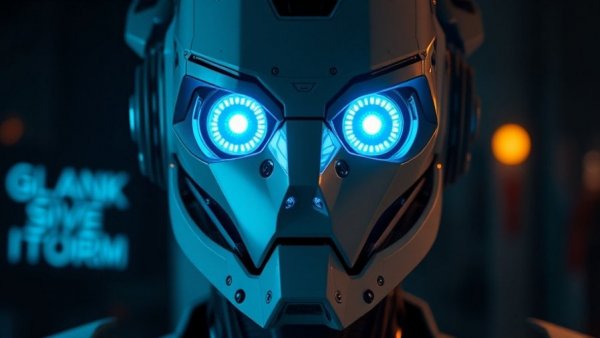
Understanding AI: A Modern Imitation
Artificial Intelligence (AI) poses an intriguing challenge not only in technology but also in our understanding of creation and consciousness. As artists, creators, and communicators increasingly rely on AI to replicate human thought and behavior, we must consider what this imitation says about us and our relationship with the divine.
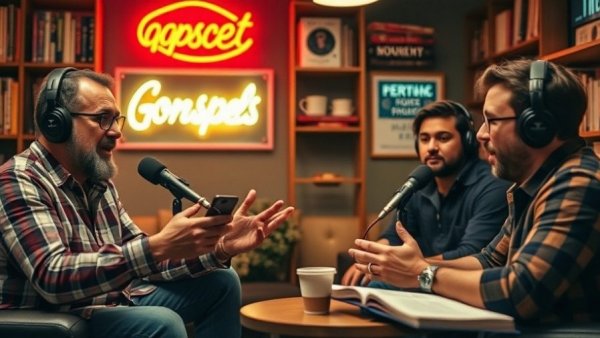
In 'AI is An IMITATION', the discussion dives into the implications of AI on faith and creativity, exploring key insights that sparked deeper analysis on our end.
Theological Implications of Imitation
The core question about AI is whether it merely imitates human cognition or whether it raises deeper theological considerations about the nature of creation. In biblical texts, the act of creation reflects the divine image; thus, when we utilize AI to mimic aspects of human creativity, it brings to light theological discussions about the Creator and the created. Is this imitation a reflection of divine creativity, or does it challenge our understanding of being made in God's image? These questions are essential as we navigate technology's boundaries.
AI vs Human Creativity: Parallel Explorations
In examining the distinction between human creativity and AI imitation, we can draw parallels to past innovations. Just as the printing press transformed literacy and access to biblical texts, so too does AI offer unprecedented access to creative tools. However, it also invites skepticism regarding authenticity and originality. How do we discern genuine creativity from the mere replication of patterns by a machine? This challenge is particularly pertinent for church leaders and educators who strive to uphold authentic expressions of faith and creativity.
Engaging the Skeptics and Strengthening Faith
Skeptics may perceive AI's ability to replicate human processes as a validation of materialism and a rejection of the divine. However, believers can approach this technology as an opportunity to engage in meaningful dialogues about faith, creativity, and what it means to be created in God's image. Youth and college students, in particular, can benefit from exploring these rich conversations, recognizing that imitation does not equate to authenticity and that their creative pursuits are imbued with a spiritual significance overlooked by an AI-driven world.
Community Perspectives on AI Adoption
As communities of faith consider incorporating AI in various functions—be it in biblical teaching or outreach—there is an urgent need for discernment. Parents and educators play a crucial role in guiding the next generation to critically assess technology's influence on their faith and creativity. Emphasizing strong moral guidance develops not just informed citizens but also spiritually aware innovators who honor God's purpose amid technological advances.
Future Predictions: AI's Role in the Church
The future of AI in the church may involve a blend of technology and theology, potentially transforming how worship and community service are executed. For instance, churches can use AI to analyze congregation needs, predict attendance, and create personalized spiritual experiences. This shift can deepen community connections, provided it aligns with biblical principles and remains rooted in authenticity.
Conclusion: Navigating Faith and Technology
The conversation around AI as an 'imitation' raises profound questions about creativity, authenticity, and our relationship with God. As we advance in technology, both believers and skeptics alike must remain engaged, critically examining how these tools reflect deeper truths about our existence and faith.
As faith communities wrestle with these questions, it is vital for us to not only embrace technological advancements but also to cultivate authentic relationships and creative expressions that honor our identity as children of God. Engaging with AI should not lead to distancing ourselves from the divine but inspire a deeper understanding of what it means to create in His image. Join the conversation and explore these pressing issues further—your voice is essential!



Write A Comment