




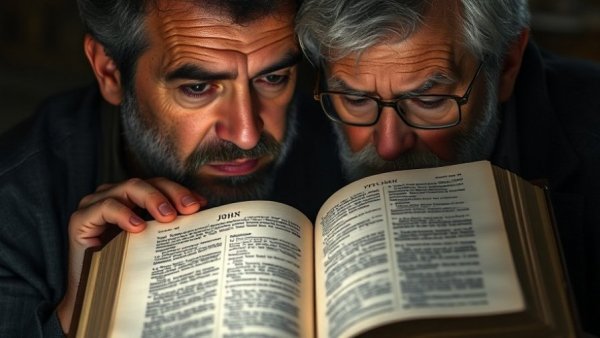
SEO Keyword: Archaeological Evidence Supporting the Gospel of John
The Gospel of John has been a subject of theological debate and historical scrutiny. It is significant for many believers, yet it often faces skepticism with regard to its authenticity and historical context. In light of recent archaeological findings, there's an opportunity to explore whether these discoveries lend credence to the accounts presented in this biblical text. Here, we delve into five remarkable archaeological finds that support the Gospel of John, highlighting their implications for faith and understanding.
In '5 Archaeological Finds That Support the Gospel of John', the video discusses significant archaeological discoveries which explore how these finds affirm biblical narratives.
Bringing the Gospel to Life Through Archaeology
Archaeology isn’t just about digging up artifacts; it's about connecting past narratives to present beliefs. For many, these digs provide essential proof that the stories told in scripture are rooted in historical events. This is particularly the case with the Gospel of John. The apostle John gives account of events that occurred during the life and ministry of Jesus, and archaeological evidence can help illuminate this narrative.
Key Archaeological Discoveries That Affirm Biblical Narratives
1. **The Pool of Bethesda**: Discovered in the late 19th century, this site directly relates to John 5, where Jesus heals a paralyzed man. The excavation revealed elements described in the biblical text — five porticoes, which is a detail that would have challenged the story's credibility if found inaccurate. 2. **The Tomb of Jesus**: While the precise location remains a point of contention, any discoveries related to tombs from the first century lend weight to the resurrection accounts, aligning with similar references in the Gospel of John. 3. **Serpent of Brass**: Found in Samaritan territory, this could highlight the link John makes with the Old Testament during Jesus' discourse on spiritual rebirth in John 3. 4. **Roman Coins**: The presence of coins dating to the time of Jesus found near locations linked to his ministry provides economic context and validates the broader historical setting of John’s Gospel. 5. **The Church of St. John in Ephesus**: Believed to be the burial site of John the Apostle, this discovery connects directly with early Christian history, further enhancing the Gospel’s authenticity and its author’s potential reality.
Connecting the Dots: Why This Matters
For believers, archaeological finds help bolster faith and provide tangible evidence that their sacred texts are rooted in actual history. For skeptics, these discoveries challenge preconceived notions about the biblical narrative as mere fiction or myth. For youth and college students who are often bombarded with alternative worldviews, understanding these archaeological contexts may provide a solid foundation in their faith.
A Broader Perspective: The Impact of Faith and Reason
These finds do not exist in isolation; they form part of a broader narrative where faith and reason coexist. John Piper and other contemporary thinkers emphasize the importance of historical context in biblical interpretation—something every believer and seeker could benefit from exploring. Recognizing how these discoveries interact with faith can enhance the understanding of God’s Word, making it not just a set of beliefs, but a narrative deeply intertwined with human history.
Encouraging Critical and Faithful Engagement
For church leaders and educators, discussing these archaeological finds can stimulate critical thinking among congregants and students. Encouraging an attitude of inquiry fosters a space where questions about faith are welcomed and explored in light of dependable evidence.
As the relationship between archaeology and biblical texts grows clearer, both believers and skeptics can find common ground for discussion. These discoveries remind us that faith is not devoid of rational discourse, and history has much to say about our beliefs.
Call to Action: Explore Further
As you reflect on these archaeological insights, consider incorporating them into discussions with others regarding faith and history. Host a study group or open forum at your local church or community center. Engaging with the evidence surrounding biblical texts not only enriches your knowledge but can also empower those around you.





Write A Comment