




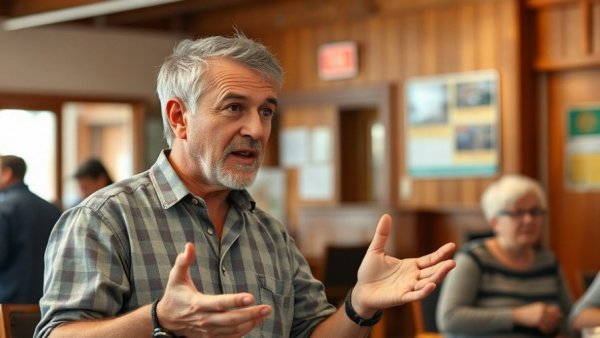
Strengthening Faith Amidst Uncertainty: Day 4 Insights
In the rapidly changing landscape of faith and community, believers are often faced with uncertainty that can shake even the strongest conviction. Recently, a compelling update from speaklife.org.uk shared profound insights on how community and engagement with faith can serve as a stronghold and beacon in these times. This update resonates with many, especially for youth, parents, and church leaders striving to nurture genuine perspectives in their communities and to address the evolving dynamics of faith in a contemporary context.
In Day 4 Update, the discussion dives into how community engagement strengthens faith, exploring key insights that sparked deeper analysis on our end.
The Power of Community Engagement
One of the key themes highlighted in the Day 4 update is the importance of community involvement. For believers, being part of a faith community provides a sense of belonging and support. Social connection is more than just attending services; it encompasses participating in discussions, engaging in actions reflecting the teachings of Christ, and finding ways to serve those in need. As today's youth grapple with complex questions of faith and purpose, communities that encourage open dialogue can significantly strengthen faith among believers. For instance, youth groups that organize outreach programs not only foster camaraderie but also nurture a sense of responsibility and compassion, essential traits that reflect Christ’s teachings. Such environments help young believers feel valued and heard, promoting their spiritual development.
Faith as a Tool Against Cynicism
As society evolves, skepticism towards faith-based institutions can often arise, particularly among younger generations. The video addresses this emerging trend, discussing how understanding the historical context of biblical texts provides clarity and confidence against the backdrop of a skeptical world. By employing hermeneutics—the study of interpretation—believers can frame their faith in a way that invites inquiry and dialogue rather than retreating into silence. This proactive approach underscores that faith does not shun skepticism but rather offers refuge and answers to the questions it poses. Moreover, when believers engage thoughtfully with skeptics, they not only defend their own faith but also build bridges of understanding that can resonate well beyond mere disagreements. Such dialogues can pave the way for genuine relationships, fostering trust and openness that can lead to spiritual inquiries.
Transformative Biblical Insights
Another compelling moment from the Day 4 update focuses on how scriptural teachings can directly influence daily living. Through practical theological applications, church leaders and educators can create resources that engage the heart and mind, enabling all age groups to connect authentically with biblical stories. For instance, utilizing modern storytelling methods can bridge the gap between ancient texts and contemporary issues, thereby making the messages truly relevant. This kind of transformative engagement can reconfigure how faith is perceived by young people, encouraging them to embrace rather than discard their beliefs. Community events, such as discussions around popular films or literature that parallel biblical themes, can also spark interest and understanding, allowing faith to intersect with common cultural narratives.
Opportunity Trends for Today's Congregations
In a world increasingly preoccupied with digital noise, churches have a pivotal opportunity to harness technology for good. The Day 4 update emphasizes embracing digital platforms to reach doubters and seekers alike, making knowledge accessible beyond traditional walls. Churches can develop online forums and resources fostering authentic dialogue, allowing skeptics to ask genuine questions without fear of judgment. By leveraging social media and other digital tools, congregations can create vibrant online communities where faith discussions thrive, ultimately leading to deeper connections. This approach is particularly effective among youth, who are already accustomed to navigating digital landscapes. When faith communities become known for their welcoming nature, they can significantly affect how non-believers perceive the gospel, promoting a narrative that is open, engaging, and relevant.
Common Misconceptions About Faith
Linking to these insights, it’s essential to address common misconceptions surrounding belief. Many perceive faith as rigid and antiquated, usually unable to tackle modern issues. However, the teachings of Christ reflect living truth that evolves with cultural contexts without losing their core essence. Understanding this can inspire youth and church leaders alike to present faith as a dynamic, relevant force in today's society. Tackling these myths can become instrumental in renewing interest among skeptics and disengaged believers. Workshops that focus on contemporary issues—like social justice, mental health, or ecological stewardship—through a biblical lens can reshape how faith is viewed and practiced, making it more accessible and resonant with broader community concerns.
Actionable Insights for Parents and Educators
For parents and educators, the video encapsulates a timely reminder to cultivate an environment where questions about faith are embraced and explored. Engaging in family discussions surrounding faith can take many forms—from exploring biblical stories together to reflecting on their implications in daily life. By openly discussing doubts and struggles, they can model a healthy approach to faith that values inquiry and supports spiritual growth. Additionally, integrating creative projects, such as art or music that reflects personal faith journeys, can also foster deeper connections and understanding. This not only reinforces the importance of dialogue but also demonstrates that faith can be expressed through various forms of creative expression.
As we reflect on the insights shared in Day 4 Update, it serves as a reminder of our roles in fostering an interactive, loving environment where faith can flourish. Engaging with these perspectives not only allows us to reinforce our beliefs but shows others that faith, when approached thoughtfully, is a source of strength and community.
In conclusion, let's take action in our communities today. By coming together to discuss and empower each other in faith, we can build pillars of hope, understanding, and love that resonate deeply in an often-chaotic world. Therefore, I encourage readers to reach out to local churches, engage in conversations surrounding faith, and be part of a community that uplifts and inspires local hope. Together, we can create spaces where faith is not just a personal journey but a collective experience that brings transformation and healing to the world around us.





Write A Comment