




Understanding Language Changes: A Blend of Sin and Nature
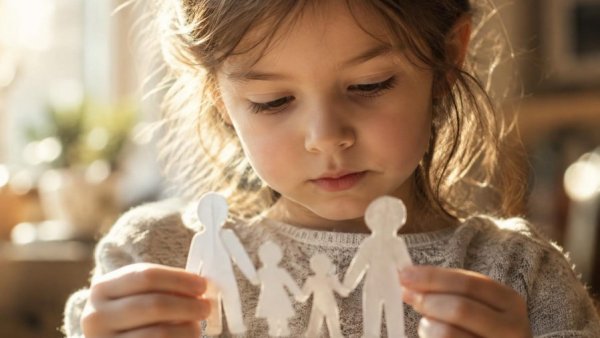
Language is a living entity, constantly evolving and shifting. Much like the way families grow and change, language adapts to our social, cultural, and spiritual environments. As families rooted in faith, it’s essential to understand the origins and implications behind these changes. Some shifts in language stem from human sinfulness, while others arise naturally, pointing to the dynamic nature of communication that mirrors our faith journeys.
Why Language Matters in Family and Faith
In many households, language serves as more than a means of communication; it represents shared values, beliefs, and identities. For Christian families, the words we choose reflect our connection to scripture and our relationship with one another. Each term can echo the very sentiments we want to pass down to our children.
When language changes due to sin—a result of miscommunication, misunderstanding, or even societal decay—it poses challenges. We must navigate these changes carefully as they can distort the truth of the gospel we’re striving to uphold in our homes. Language that strays too far from biblical meanings can lead to confusion and weaken familial bonds.
The Natural Evolution of Language
While some language changes are rooted in sin, others reflect the natural evolution of communication. Just as communities develop their own dialects and phrases, families too create unique languages that strengthen their bonds. This organic development can be seen in our use of biblical language in a relevant context for our children, making scriptures accessible and engaging.
It's important to recognize this distinction when discussing how we communicate within our families, especially when addressing faith-related topics. Instead of anchoring our conversations solely in older vernacular, we can enhance understanding by using relatable language. By doing this, we ensure that our faith is alive and vibrant.
Education and Transmission of Language in Faith
How do we pass on our faith languages to the next generation? Education plays a crucial role. By incorporating language lessons into family discussions, we can teach our children about the origins of terms and how their meanings may have shifted over time. This active engagement helps keep our faith relevant and meaningful while also preserving its essence.
Furthermore, storytelling remains a powerful tool for language transmission. Sharing stories that connect biblical truths with contemporary language encourages children to embrace and understand their faith more profoundly. As parents, weaving scripture into narratives makes it relatable and applicable to their daily lives, ensuring they grasp the importance of language in their spiritual journeys.
Creating a Safe Space for Dialogue
A common misconception in family discussions around faith is that young ones should only use traditional language or phrases. However, embracing new ways to express faith can create a more inviting and enriching environment. By encouraging open dialogues about language, families not only strengthen communication but also encourage understanding and compassion.
Addressing misunderstandings caused by evolving language can foster a culture of support. By inviting questions and reassuring family members that it’s okay to explore and find their voice, we cultivate respectful and effective communication within our families. This approach has the unique benefit of deepening our spiritual connections alongside our relationship with language.
The Call to Action: Enhancing Family Conversations
As we navigate language changes, both harmful and natural, let us commit to enhancing our family conversations surrounding faith. Choose a scriptural passage, reflect on its words, and discuss how its meaning applies to your life today. Make this a regular family practice to foster connection and closeness, and celebrate the shared understanding you build. Remember, engaging with language around faith not only strengthens your family's bond but also equips each member to live out their beliefs in a world of constant change.



Write A Comment