




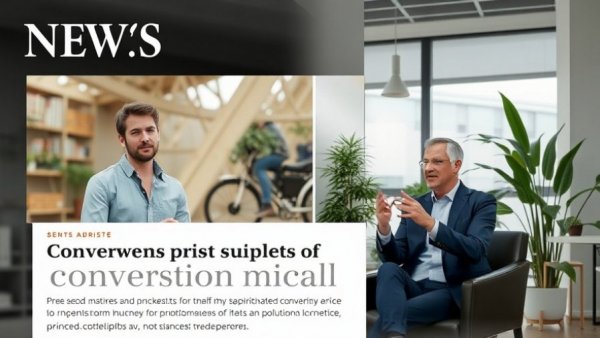
Understanding the Controversy: BBC and Christian Representation
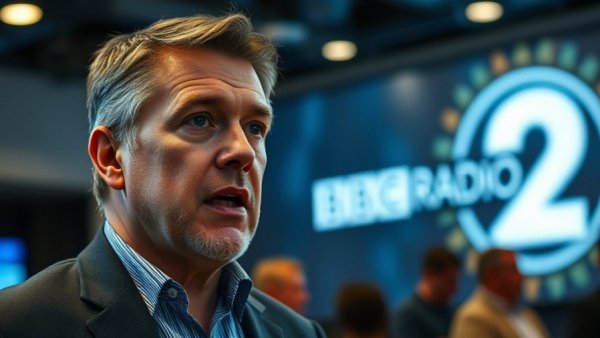
The debate over the representation of Christianity in media has gained increased attention, and recently, it sparked significant reaction when a video labeled BBC's portrayal as 'anti-Christian bigotry.' For many, the media’s role in shaping perceptions of faith is crucial, particularly when it comes to understanding religious values and the issues facing communities of believers.
In 'BBC peddles ‘anti-Christian bigotry’, the discussion dives into the contention surrounding Christianity's portrayal in mainstream media, exploring key insights that sparked a deeper analysis on our end.
Historical Context: The Role of Media in Faith Narratives
Historical context plays a critical role in understanding the media's representation of Christianity. Over the years, Christian groups have often found themselves portrayed in a less favorable light compared to other faiths. This has roots in historical biases that have grown more pronounced in modern discussions about race, religion, and cultural identity. Recognizing these trends helps to frame current discussions about the BBC's actions and intentions in its programming.
Feeling the Impact: The Reactions within Christian Communities
Reactions to the portrayal of Christianity in mainstream media can vary, but many within the faith feel a deep sense of hurt and outrage. The feelings stem from a belief that their values are not just misrepresented, but that they are charged with criticism that undermines their commitment to peaceful discourse and understanding. For young Christians and families, witnessing such portrayals can create a sense of disconnect with how they value their own faith.
A Closer Look: What Happens When Faith Meets Media?
As we analyze the intersection of faith and media, it's important to remember that representation matters. Positive narratives not only promote understanding but can also foster interfaith dialogue. When Christian values are misrepresented or portrayed in a negative light, it can lead to societal misconceptions that further divide communities. It begs the question: How can media strive for balanced representation while honoring diversity in perspectives?
Current Events: The Broader Implications of Media Portrayals
The current media landscape is a reflection of societal values and challenges. Reports claiming bias against Christianity are not isolated incidents but part of a larger discussion regarding cultural narratives and freedom of expression. Furthermore, understanding how divergent viewpoints impact public perceptions of different faiths can pave the way for more thoughtful engagement and dialogue, especially as we see tensions rise globally over religious differences.
Moving Forward: Advocating for Fair Representation
Advocating for balanced portrayals of Christianity in media isn't just about pushing back against negative narratives. It's about embracing genuine dialogue and promoting understanding across cultural and religious divides. Christian communities have a unique opportunity to engage positively with media, showcasing the values of love, tolerance, and mutual respect. This proactive approach not only enhances discussions in public spaces but also helps to set a constructive dialogue around faith and media.
Conclusion: The Importance of Perspective
In summary, the portrayal of Christianity in media, as illustrated by the BBC's recent criticisms, opens a dialogue around representation, understanding, and community cohesion. It's essential for viewers, especially young Christians, to cultivate a discerning perspective when engaging with media narratives. By fostering conversations centered on respect and empathy, faith communities can contribute to a more fair and compassionate representation of their beliefs in society.


Write A Comment