




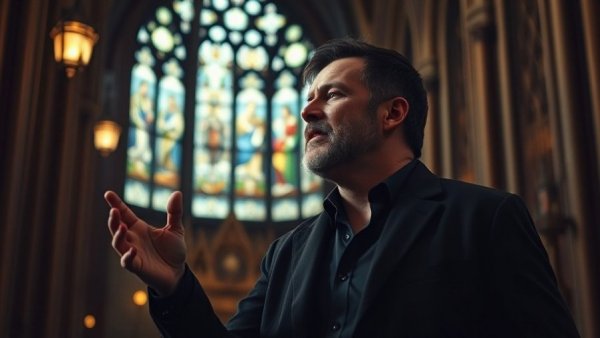
Understanding Christian Nationalism: A Complex Discussion
The recent discussion surrounding Christian nationalism raises significant questions regarding the intersection of faith, politics, and national identity. It challenges us to consider what it truly means to identify as a Christian in a world increasingly defined by political polarization.
In the video 'Is Christian Nationalism Really Christian? | Live with Tim Farron', the discussion dives into the complexities of faith and politics, prompting key insights that we're exploring and expanding on in this article.
What Makes a Nation Christian?
The podcast featuring Tim Farron prompts us to explore the implications of declaring a nation as 'Christian.' While Farron indicates that it’s possible to be both a nationalist and a Christian, critical inquiries emerge regarding how national identity can sometimes overshadow spiritual allegiance. When the state intertwines with Christianity, it can transform faith into a performative act rather than a genuine proclamation of belief. This can be dangerously simplistic, equating good citizenship with a specific religious identity.
Faith and Politics: An Integral Connection
Politics should not be dismissed as devoid of moral and ethical considerations for Christians. The conversation highlights that when Jesus commands his followers to love their neighbor, it implicitly calls them into a fuller engagement with societal issues. As Farron pointed out, if one confesses that “Jesus is Lord,” this is indeed a political statement—the acknowledgment that no earthly authority stands above Christ. Christians are thus not exempt from political involvement; they are called into it.
The Challenge of Christian Nationalism
Christian nationalism often attempts to merge the faith of individuals with the identity of a nation, potentially leading to exclusionary or divisive notions. It raises pertinent questions: Do our beliefs dictate how we view our fellow citizens who may hold different ideologies? During the podcast, it was mentioned that many Christians believe adhering to Christian values is essential for being British. This assumption can cause friction, and the desire for a singular Christian narrative may ignore the multitude of perspectives within the church itself.
Why This Matters
The blending of Christian nationalism and patriotism indicates a cultural shift among Christians, reflecting a longing for societal influence and recognition. As political frameworks evolve, so too must the dialogue among Christians regarding their faith and how it intersects with civic life.
Cultivating a Healthy Discussion
Many Christians find themselves unsure of how to engage with politics due to fear of being misunderstood or misrepresented. Yet, it’s vital to understand that discussing political themes from a faith perspective is not about compromising the gospel but rather expanding its reach into all facets of life. Engaging in conversations about Christian nationalism opens the door for genuine dialogue, challenging us all to examine our beliefs without fear.
Moving Forward: A Call for Community Engagement
What does this mean for us as a community of believers? There is value in respectfully disagreeing and challenging ourselves to think critically about how faith influences our political engagement. Farron encourages that open discussion and diverse political opinions within congregations enrich your experience as believers.
Conclusion: Embracing Our Identities
As this exploration through Tim Farron’s conversation illustrates, being a Christian in a politically charged society is a complex yet rewarding challenge. Rather than adhering to narrow ideologies, we must strive for a civic engagement rooted in love, dignity, and respect for all people, recognizing our shared humanity.
To delve deeper into these discussions, consider joining a community group or attending church workshops focused on the intersection of faith and politics. Together, we can cultivate healthy conversations that reflect our commitment to both our faith and our community.





Write A Comment