Add Row
Add Element
cropper
update

Biblical Living Unlocked

Logo - Biblical living unlocked
update
Add Element
  • Home
  • Categories
    • Biblical Parenting
    • Parenting Tips
    • Family Fellowship
    • Bible Teaching
    • Apologetics
    • Community Stories
    • Youth Focus
    • International
    • Walton Evangelical Church
    • Salt Church Mar Menor
    • Salt Church Los Montesinos
    • John Piper
    • News & Offers
Add Element
  • Ken on Facebook
    update
  • update
  • update
  • update
  • update
  • update
  • update
March 23.2025
2 Minutes Read

Healing Together: Doron Steinbrecher Calls for Hostage Resolution in Israel

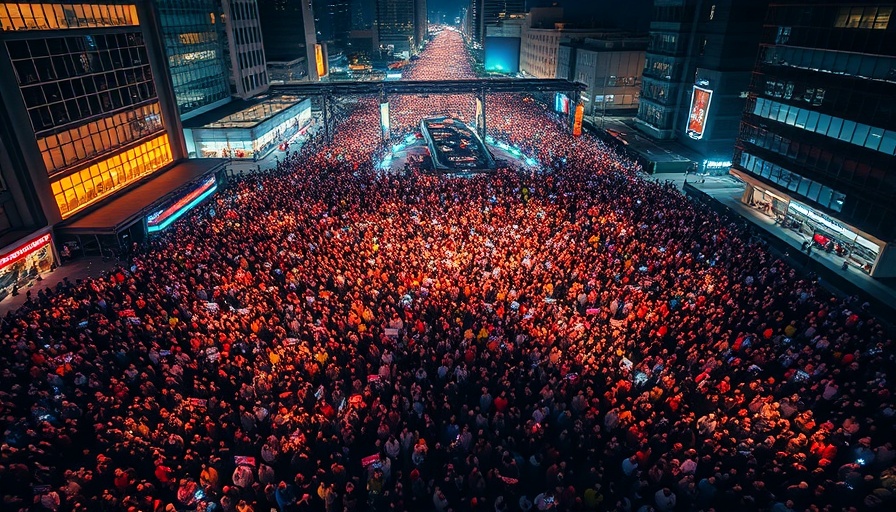
Doron Steinbrecher calls for a deal at large nighttime gathering.

The Heartfelt Plea: Relatives United for Justice

On a solemn Saturday night, thousands gathered at Tel Aviv's Hostage Square, illuminating the unwavering bond among family members of abducted Israelis. Amidst the heartfelt speeches delivered by relatives, a resonating call emerged, firmly articulated by Doron Steinbrecher: "We can't begin to heal until everyone is here." The emotional narrative enfolding the crowd illustrated not just the grief of separation but also the desperation for resolution and the return of loved ones held hostage.

Community Response: A Show of Solidarity

The presence of thousands in solidarity showcased a united front, transcending personal loss to become a collective outcry for justice and compassion. This assembly served as a powerful reminder of the human cost intertwined within the ongoing geopolitical tensions. Such gatherings often highlight the need for empathy when crises unfold, urging international communities to recognize the plight of those affected in real-time.

The Wider Context: Hostage Negotiations and Diplomatic Efforts

Recent discussions surrounding potential ceasefire agreements have garnered attention, with various parties involved attempting to negotiate terms. As the humanitarian needs persist, especially for families waiting for their loved ones, these diplomatic efforts take on significant meaning. The Biden administration's involvement, represented by envoy Steve Witkoff, could potentially shape the trajectory of these dialogues, making it increasingly important for advocates and policymakers to pay heed to the complexities involved.

What This Means for Global Mission-Minded Communities

For globally aware Christians and social justice advocates, this moment resonates profoundly. The plight of those suffering under conditions of abduction and conflict speaks directly to the mission-driven call for justice and compassion. As faith communities engage in intercessory prayers and advocacy, they bring awareness to the broader implications of such injustices. Opportunities arise for believers to support efforts that call for peace and restoration, fostering the plight of all individuals afflicted by violence.

A Path Forward: Encouraging Engagement and Action

Supporters can contribute to the dialogue surrounding these issues by fostering conversations within their congregations and communities. Engaging in educational initiatives about the situation in the Middle East, supporting humanitarian organizations focused on hostages and their families, and advocating for policies that reflect compassion and justice are ways to take meaningful action. The call to heal resonates from the streets of Tel Aviv—reminding all of us of our shared humanity.

International

17 Views

0 Comments

Write A Comment

*
*
Related Posts All Posts
03.06.2026

Polarized America: How the Iran Conflict Challenges American Jews' Identity

Update Understanding the Tensions: American Jews and the Iran Conflict The recent escalation of military tensions over Iran not only highlights geopolitical disputes but also places American Jews in a precarious position. As the United States implements an aggressive stance against Iran, criticisms are arising that Israel, America’s longstanding ally, has influenced this decision. This perception has shaken the bond between Jewish communities in the U.S. and their ties to Israel, leading many to worry about these evolving narratives. The Impact of Social Media on Perceptions Social media platforms have become battlegrounds for narratives surrounding the Iran conflict. With real-time updates circulating widely, the conversations often shift towards accusations and polarized opinions. For American Jews, the struggle is heightened by the arguments suggesting Israel's heavy influence over U.S. policy—claims that can lead to increased antisemitism. The conversations amplify the sense of vulnerability among diaspora communities, who fear that their identity might be co-opted by political agendas. Historical Context: The Jewish Diaspora and U.S. Foreign Policy The relationship between American Jews and U.S. foreign policy is deeply rooted in history. Post World War II, Jews have largely felt a strong connection to Israel, postulating it as a sanctuary for Jews worldwide. However, as foreign conflicts arise, they often reshape public opinion and create fissures in this relationship. Understanding this historical context is vital for grasping the current dynamics in which Jewish identity intersects with national politics. Counterarguments: Diverse Perspectives Among Jewish-Americans A notable aspect of the ongoing discourse is the array of opinions within the Jewish-American community. While some staunchly support Israel's actions, others call for a more introspective approach that considers the humanitarian impacts of foreign policy decisions. This debate illustrates a broader spectrum of beliefs and beliefs among American Jews, emphasizing that their stance cannot be monolithic. Refuting the perception of a united front helps cover the intricacies of identity politics within the diaspora. Future Trends: Implications for Jewish Identity and Community The evolving narrative surrounding the Iran conflict raises questions about the future of Jewish identity in America. As political and social landscapes change, the necessity for interfaith dialogue and understanding becomes critical. How American Jews navigate their identities, both as supporters of Israel and as advocates for justice and peace, will be vital for shaping community dynamics. As we move forward, recognizing and addressing the fears and resentments that escalate from international conflicts will help foster lasting connections. Even amid polarized environments, building a common understanding and striving for collective goals can improve relations not only among Jews but across different communities. Encouraging discussions around complex issues like these promotes informed and compassionate perspectives, leading to a healthier dialogue within the community and the broader society. Understanding the intersection of faith and politics is not just about awareness but about participating constructively in the world around us.

03.06.2026

Amidst War and Strife, Iraqis Yearn for a Normal Life

Update Desperate Search for Stability Amid Ongoing TurmoilIn Iraq, a nation grappling with the echoes of past traumas, citizens are facing a grim reality as military conflicts flare once again. The recent airstrikes by Israel and the United States, coupled with Iran's retaliatory strikes, have reignited fears among the people of Erbil. "We just want a normal life," expresses Yohana, a local mother, reflecting the sentiment of many families caught in the turmoil. With the sky filled with the sounds of warfare, peace feels a distant memory for those residing in this war-torn region.Historical Context: The Lingering Effects of WarThe scars of the U.S. invasion in 2003 are still felt across Iraq, where countless families have been affected by the violence that ensued during and after. According to a report from PBS News, it is challenging to find any town that hasn’t been touched by the devastating effects of constant strife. Many Iraqis recount their stories of loss and fear stemming from the invasion, leaving them with a complicated relationship with Western interventions. As Iraqis navigate their current crises, the accumulation of trauma seems to weigh heavily in their daily lives, with memories of past violence resurfacing amid new challenges.The Plight of Minorities: Christians Under ThreatThe Christian community in Iraq, making up 0.4% of the population, faces substantial risks in today's volatile environment. As noted by a believer named Rozy, “We jump at every bang now.” The community, already decimated in previous conflicts, feels particularly vulnerable in the wake of renewed hostilities, often being perceived as "allies of the West." This harassment often prompts families to consider abandoning their homeland in search of safer havens abroad, echoing a historical narrative of persecution.Compounding Issues: Electricity and Basic NecessitiesCompounding the fears of wartime insecurity is the ongoing struggle for basic services in Iraq. Reports of extensive power cuts in the Kurdistan region haunt families like Omta's, who rely on electricity for basic household needs. “We don’t have electricity for hours; it makes everything worse,” shares one concerned resident. Such disruptions serve as a constant reminder of the fragility of life and stability in Iraq, amplifying anxiety and panic among the local population.Current Affairs: Unrest and LifewaysThe people of Iraq find themselves navigating a complex tapestry of local and international tensions that have repercussions on their day-to-day existence. As local militias engage in the conflict, ordinary civilians like Lina express fears over the safety of raising children in such hazardous conditions. “We want our kids to sleep without fear,” she states, a sentiment that is echoed by many seeking a return to normalcy. As disruption reverberates through the small neighborhoods of Erbil, the impact on travel, trade, and basic daily activities further entraps families in cycles of fear and uncertainty.The Role of Global Awareness: Compassion and AdvocacyIt’s imperative that global communities remain aware and engaged with the plight faced by Iraqis. Organizations like Open Doors remind us of our duty to support and pray for those impacted by the hardships of war, including marginalized communities, such as Christians, who seek safety and peace. Moreover, social justice advocates are called to raise awareness of the historical context that led to the current crisis, fostering understanding and potential avenues for intervention.Seeking a Path Forward: Hope Amidst DespairWhile the situation appears dire, there remains an unwavering spirit among the Iraqi people, demonstrated by their resilience in the face of adversity. As they navigate this turbulent landscape, many cling to hopes for a peaceful future—a life where they can thrive without the threat of violence. The community’s collective longing for normalcy and assurance of safety can serve as a strong call to action for those of us positioned to advocate for change.

03.05.2026

Kurdish Forces Deny Assault on Iran: What's the True Story?

Update The Truth Behind Kurdish Forces and Iran: A Complex Narrative Recent reports have sparked alarm about a potential Kurdish ground assault into Iranian territory. Massive allegations emerged primarily from Fox News, stating that thousands of Iraqi Kurdish rebels initiated a ground invasion into Iran. However, Kurdish sources swiftly denied these claims, insisting that such large-scale operations are unfounded. Instead, they confirmed only a handful of Iranian Kurds had crossed back into Iran, emphasizing continued allegiance to cautious coordination along the sensitive border region. What’s Really Happening at the Border? A Closer Look Kurdish sources revealed that while significant troop movements aren't evident, a well-strategized cooperation is unfolding. This includes not only the movement of commanders and small units but also joint training efforts among various Kurdish factions. Some political and military leaders are intensifying their presence in the area to enhance coordination in case of an escalated conflict. Indeed, preparations seem to be in place for a more organized, strategic approach toward Iran, with the Kurdish groups showing signs of upcoming military endeavors that could reshape their own destinies. The Road to Autonomy: A Vision for the Future The long-term goal remains clear for many Kurdish factions: to establish an autonomous region within Iran, mirroring successful models in Iraq and Syria. Recent unification talks among five Iranian Kurdish parties resulted in the Coalition of Political Forces of Iranian Kurdistan (CPFIK). This collaboration aims to synchronize their military strategies and consolidate their political positions. With this growing coalition, the likelihood of presenting a united front against Iranian oppression seems imminent. Historical Context of Kurdish Struggles For decades, Kurds have battled systemic oppression at the hands of various regimes across the Middle East, particularly in Iran. The Kurdish community's deep historical roots run through the landscapes of Iran, yet their struggle for recognition and autonomy has often been met with brutal resistance. Recent developments signal a chance for Kurds to shift the narrative, propelled by increasing unrest among their ranks and a yearning for justice. Complications in International Interests What further complicates the Kurdish situation is the broader geopolitical context. Support from external forces, such as Israel, is something Kurdish groups have openly voiced their desire for in recent times, particularly after significant shifts seen in Iran. The Kurdish minority, long stigmatized due to anti-Israel propaganda from the Iranian regime, are now eyeing the Jewish state with a blend of hope and cautious optimism. If alliances are cultivated effectively, the dynamic in the Middle East might change, bringing about not just regional ripples but possibly a seismic shift in power. Engagement with Culturally Engaged Believers For Christians and social advocates invested in humanitarian affairs within the Middle East, understanding the plight of the Kurdish people is vital. Many Kurdish communities embody values such as resilience, hope, and freedom—principles that resonate profoundly within Christian teachings. Engaging with these groups can create strong interfaith connections, fostering dialogue based on shared aspirations for peace and justice. The current situation imposes a moral imperative to not only observe but also understand the tides of change impacting the Kurdish population. Those inclined to support social justice initiatives should closely monitor the evolving relationships between Kurdish fighters and the broader geopolitical landscape, especially as Iran remains entrenched in conflict. As this narrative continues to unfold, it promises not only to influence the circumstances of marginalized communities but might also illuminate new pathways toward reconciliation and healing. It is a critical time for Christians and those who feel compelled to advocate for the oppressed to focus their efforts on this complex interplay of faith, identity, and conflict.

Terms of Service

Privacy Policy

Core Modal Title

Sorry, no results found

You Might Find These Articles Interesting

T
Please Check Your Email
We Will Be Following Up Shortly
*
*
*