

Biblical Living Unlocked

Logo - Biblical living unlocked
  • Home
  • Categories
    • Biblical Parenting
    • Parenting Tips
    • Family Fellowship
    • Bible Teaching
    • Apologetics
    • Community Stories
    • Youth Focus
    • International
    • Walton Evangelical Church
    • Salt Church Mar Menor
    • Salt Church Los Montesinos
    • John Piper
    • News & Offers
  • Ken on Facebook
November 29.2026
3 Minutes Read

GTA VI: What's Wrong and How It Affects Our Cultural Narratives

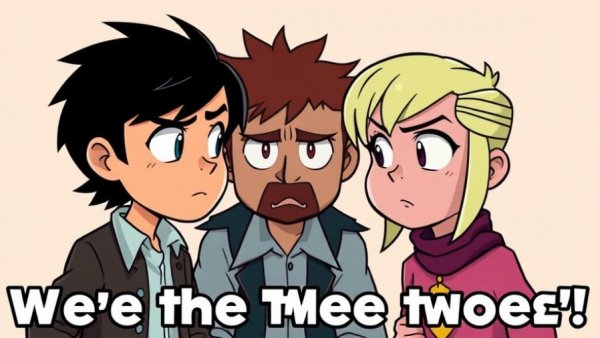
Stylized characters confronting each other over GTA VI concerns.

The Overhaul of GTA VI: What’s at Stake?

The ongoing conversation around the anticipated release of GTA VI has sparked significant debate within gaming communities and beyond. Many fans are eagerly awaiting what could be the most groundbreaking installment in the Grand Theft Auto series. However, reports suggest various hurdles and creative choices that might complicate its release, revealing insights valuable not just for gamers but for anyone interested in cultural narratives.

In 'What's WRONG With GTA VI?', the discussion dives into the game's cultural significance and challenges, prompting us to analyze its implications on broader societal narratives.

Understanding Cultural Context

At its core, Grand Theft Auto has always been more than just a game; it is a cultural phenomenon that reflects societal changes. As GTA VI is being developed, fans comprehend the weight of expectations riding on it. Players look for not just entertainment but a means to explore complex moralities, societal critiques, and urban landscapes that resonate with their lived experiences. A failure to navigate these dynamics could detach the game from its audience, inviting skepticism.

Concerns Over Representation and Narrative

One significant aspect that is feeding into the broader discussion is the representation within the game. Just as with various forms of media, the portrayal of characters and stories in video games can have long-term effects on cultural narratives. The term 'woke' has been thrown around to describe modern storytelling efforts that prioritize inclusivity. This raises questions: Does embracing diverse narratives weaken the original essence of the game, or does it provide depth and realism?

The Anticipated Innovations and Challenges

Many innovations are expected in the forthcoming title, including enhanced graphics, new characters, and broader narratives. However, these advancements come with challenges. Developers face pressure to ensure these innovations are not merely cosmetic but genuinely enhance gameplay and storytelling. As aspiring cultural critics, players must remain vigilant and discerning. Are these changes respectful of the franchise's legacy, or do they risk alienating loyal fans?

Broader Cultural Implications

The fuss surrounding GTA VI uncovers broader cultural dynamics at play. Many gamers often find themselves at the intersection of entertainment and ethical considerations, grappling with narratives that echo real-world issues like crime, morality, and social justice. Engaging with narratives through a biblical lens can instigate conversations on morality, ethics, and community values, nurturing a more profound connection between faith and daily life.

Future Predictions: Where Are We Headed?

As GTA VI approaches its release, industry analysts predict that the way the game handles its stories and character development will be crucial. Will it emerge as a leader in integrating ethical considerations into entertainment, or will it fade into a stereotype-ridden narrative, devoid of meaningful engagement? This presents an opportunity for the gaming community and observers to reflect on their values and the stories we share.

Call to Reflect: What Stories Do We Celebrate?

As we consider the potential directions of GTA VI, it beckons us to ponder what stories resonate with us and why. Are these narratives shaping our values positively? Games like these can serve as a platform for discussions on morality, underlining the importance of discerning narratives that contribute to individual and community growth.

In reflecting on such questions, we can start to understand that our engagement with entertainment—be it games, film, or literature—provides a rich ground for nurturing our beliefs and sharing those insights within our communities. With this in mind, consider incorporating dialogues about the themes of GTA VI in conversations with those around you. It’s a chance to connect faith with the narratives that shape culture.


Apologetics

0 Views

0 Comments

Write A Comment

*
*
Please complete the captcha to submit your comment.
Related Posts All Posts
11.29.2026

Why is GTA VI So Controversial? Analyzing Its Cultural Impact

Update The Phenomenon of GTA VI: What Does It Mean for Entertainment? The recent release of Grand Theft Auto VI has sparked not just excitement among gamers but also a larger cultural discussion. After a staggering 13-year wait since its predecessor, GTA V, GTA VI launched on November 19, 2023, breaking records and earning nearly $3 billion on its first day alone. This isn’t just a game; it's a cultural event that has captured the attention of millions, both gamers and non-gamers alike.In 'Will You be Playing GTA6?', the discussion dives into the cultural implications of the notorious game, exploring key insights that sparked deeper analysis on our end. Understanding the Core of GTA: A Commentary on Society The Grand Theft Auto franchise is well-known for its mature themes, often exploring complex narratives around crime and morality. Critics often label it as a parody of urban crime culture, drawing attention to the absurdities within its hyperrealistic portrayal of criminal life. But as audiences become immersed in such worlds, a pressing question emerges: what happens to our perception of morality when crime is depicted as glamorous and entertaining? The Allure of Hyperrealism in GTA VI From its graphics to gameplay mechanics, GTA VI pushes the envelope of realism, creating an immersive environment that blurs the lines between virtual and real life. Players are invited to live out a ‘modern Bonnie and Clyde’ fantasy, crafting narratives intertwined with actions often deemed morally questionable. This seed of hyperrealism leads players into a complex relationship with violence and ethical choices. Should We Be Concerned? The Moral Dilemmas of Gaming For parents and concerned observers, the question remains: is it permissible for young people to engage with this content? Some raise valid concerns about the implications of immersing oneself in a game that offers the thrill of committing crimes, no matter how unrealistic they may be. As the podcast suggests, exploring this objection is vital in constructing a thoughtful approach toward such entertainment. Informed Decisions: Choosing What to Play In addressing the potential drawbacks of immersive gaming experiences like GTA VI, it’s essential for players — especially young gamers — to engage in self-reflection. Can one enjoy the game with a clear conscience? Would they partake in it if their family was around? These contemplative questions could foster healthy discussions for parents and their children, allowing for a moral compass to guide their gaming habits. Conclusion: A Call for Discernment Ultimately, Grand Theft Auto VI raises important discussions about entertainment, morality, and societal values. While enjoying video games, players should be encouraged to reflect on the kind of narratives they immerse themselves in. This reflection can open avenues toward healthier philosophical and moral grounding. The bottom line isn’t just the gameplay, but what it's saying about ourselves, our choices, and how we engage with entertainment in a morally thoughtful way. As these conversations unfold, let’s ensure they are approached with a discerning mind and an ethical lens. For those navigating this complex topic, consider discussing these insights within your community or family. It’s crucial to engage deeply with the content we consume and to facilitate meaningful dialogues surrounding it.

11.28.2026

Navigating Apostasy: Strategies for Parents in a Challenging Faith Landscape

Update Understanding the Challenge of Apostasy in Contemporary Faith Communities Apostasy—a term defined as the abandonment or rejection of a religious belief—has become a growing concern among various faith communities today, notably in Islamic circles. In the video titled DuckLips Explains How To Deal With Apostate Children!, the speaker discusses the personal and communal implications of children leaving Islam, posing questions of faith, identity, and the emotional turmoil that such decisions can provoke in families. This discussion is critical for believers grappling with faith crises, parents unprepared for these conversations, and youth navigating their spiritual journeys amidst societal pressures.In DuckLips Explains How To Deal With Apostate Children!, the discussion dives into the increasingly relevant issue of children leaving their faith, prompting important perspectives that we are expanding upon in this article. Historical Context: The Rise of Religious Doubt Several factors are contributing to the rising tide of apostasy among younger generations in many faith communities, particularly among Muslims. In a decades-long analysis, sociologists note the increasing secularization of societies, where access to diverse beliefs, heightened societal skepticism, and opportunities for education have catalyzed spiritual inquiry. Furthermore, as church attendance dwindles in many areas and religious practices evolve, young adults find themselves reevaluating their beliefs in light of modern moral standards and personal experiences. Young people are more likely than previous generations to question the tenets of their faith and examine their experiences outside traditional religious contexts. This questioning is often amplified by their exposure to global perspectives through technology and social media, permitting them to encounter differing viewpoints and ideologies. Consequently, these elements foster a critical lens through which they assess their beliefs, often leading them to disconnect from the religiosity in which they were raised. The rise of individualism in contemporary culture further supports this trend, where personal belief systems take precedence over communal or familial expectations. The Emotional Impact of Apostasy For parents and guardians, the news of a child’s departure from a long-held faith can be distressing, filled with feelings of loss, confusion, and even betrayal. In the DuckLips video, one speaker mentions a Muslim father’s struggle with his son’s decision to leave Islam. This experience often triggers intense emotional responses within families, where cultural values intersect with personal faith. It highlights the importance of developing open dialogues between parents and children about faith and belief systems, as many parents may feel ill-equipped to handle these delicate discussions. The challenge is not just in navigating religious beliefs but also in reconciling deep-seated cultural practices and expectations. Families may grapple with their identity in these discussions, as they seek to uphold cherished traditions while also respecting the autonomy of their children. The emotional stakes can be high, as feelings might be hurt and misunderstandings can easily arise. For some families, the situation might feel like a personal failure or a shattering of deeply held dreams for their children’s futures. Reactions From Faith Leaders: The Diverging Views The responses of religious leaders can vary widely when faced with issues of apostasy, and sometimes their motivations can be scrutinized. In the video, a prominent figure, referred to as “Duck Lips,” provides what seems like a reasonable response initially, advising parents to remain open and communicative with their children. Yet, as the conversation deepens, his remarks take a sharp turn, suggesting potentially punitive measures if a child does not return to the faith. Such statements can be seen as polarizing, creating a rift between the belief community and its members, particularly youth. The expectation that children should conform to traditional beliefs amid growing personal queries raises questions about the balance between guidance and autonomy in matters of faith. Many faith leaders advocate for a more understanding approach, urging parents to recognize the individuality of their children’s spiritual journeys. They suggest that it is crucial to foster an environment where questions are welcomed, and open discussions can occur. This view posits that by embracing doubt and inquiry, families can strengthen rather than weaken their relational bonds, creating a space where spirituality can be explored without judgment. Potential Consequences of Punitive Approaches Leaders who advocate for harsher responses to apostasy risk alienating their youth and pushing them further away from their faith. An environment characterized by fear can lead to concealment of beliefs rather than open expression. Instead of reconciling differences, those who feel threatened or judged may resort to secrecy or distance, which can ultimately damage familial relationships and community ties. Future Predictions: Navigating an Evolving Faith Landscape As society evolves and discussions of faith become increasingly public, anticipated trends indicate that the rate of apostasy may continue to rise, particularly in Western nations. An alarming statistic mentioned in the video indicates that the rate could ascend beyond 25%. As more young individuals explore independent thought outside conventional frameworks, faith leaders must develop strategies to engage effectively with questions of doubt and uncertainty. Will religious structures adjust to foster rather than fracture relationships with questioning youth? This remains to be seen. As more evidence of a shifting landscape appears, faith communities are confronted with the challenge to remain relevant. Embracing modern interpretations and adaptability might be necessary as they strive to attract the younger generations who are out questioning, learning, and redefining their beliefs. A Call for Empathy: Bridging the Gap of Understanding Engaging meaningfully with conversations about faith and doubt can cultivate empathy within family dynamics. As emphasized in the video, preventing children from seeking answers to their spiritual questions may push them further away. It is essential for parents and faith communities to adopt more supportive approaches that validate individuals' experiences rather than resorting to isolation or condescension. Fostering an environment of dialogue rather than dissent can enhance the relationship between parents and children while allowing for exploration of spiritual identity. Tools for Families: Navigating Conversations About Faith For those seeking to strengthen these vital discussions within their families, consider the following strategies: First, create a safe space where children feel comfortable sharing doubts without fear of judgment. Secondly, encourage questions—this open dialogue can help young people process their beliefs healthily. Parents can attend workshops or counseling together with their children, fostering a sense of shared exploration and commitment to understanding each other's viewpoints. Regularly participating in collective faith activities can reinforce community ties, promoting a sense of belonging while retaining healthy discussion. Families could also benefit from resources and literature that address the complexities of faith in contemporary society, allowing for shared learning experiences. Conclusion: Embracing Diverse Perspectives in Faith The ongoing conversation surrounding apostasy within faith communities is emotionally charged and replete with complexities. As families face these challenges, employing empathy and fostering open communication will be critical for navigating all dimensions of faith engagement. Whether you are a parent, believer, or skeptic, there are valuable lessons to learn and apply when exploring the intersections of faith and personal beliefs. Recognizing and addressing the need for discourse around faith can pave the way towards a more inclusive and understanding religious community.

11.28.2026

Revisiting C.S. Lewis's Argument to Strengthen Our Faith

Update Understanding CS Lewis's Argument About Faith In the realm of Christian apologetics, few figures have had as profound an impact as C.S. Lewis. His eloquent defense of Christianity stands as a bulwark for believers navigating a complex world of doubt and skepticism. The video titled CS Lewis' Most Famous Argument (and we're getting it WRONG) encourages us to revisit and re-evaluate Lewis’s central argument, urging both Christians and skeptics to reconsider how we understand faith today.In CS Lewis' Most Famous Argument (and we're getting it WRONG), the discussion dives into the intricacies of Lewis's moral reasoning, pushing us to rethink our understanding of faith. Historical Context: Who Was C.S. Lewis? C.S. Lewis, born in 1898 in Belfast, Ireland, became widely recognized for his literary prowess and theological insights. His works, including The Chronicles of Narnia and Mere Christianity, explore deep philosophical and moral questions. Lewis was not only a novelist; he was also a committed Christian who weighed the evidence for faith against modern skepticism. His journey from atheism to Christianity provides a relatable narrative for seekers and skeptics alike. Lewis’s unique background as both a scholar and a literary figure allows his arguments to bridge the gap between faith and reason, an approach that resonates deeply in today’s diverse and often fragmented society. The Core of Lewis’s Argument: A Misunderstanding? Lewis famously argued for the existence of God using moral reasoning, suggesting that our innate sense of right and wrong points to a higher moral lawgiver. However, the video posits that many miss the crux of his argument, reducing it merely to a checklist of logical proofs. Instead, Lewis invites everyone, believers and non-believers, to explore the existential implications of their moral intuitions, pushing us to ask, "Where do these moral values originate?" This question is crucial in a time when many grapple with moral relativism, making Lewis’s insights especially relevant. His perspective invites individuals to examine their own beliefs and the foundations upon which they stand, sparking vital conversations around ethics and morality in contemporary life. Why Lewis's Argument Resonates Today At a time when moral relativism is prevalent, Lewis’s insights remain vibrant and relevant. His perspective encourages an exploration of how we define morality in a world where truth is often subjective. The challenges faced by young adults in understanding their moral compass are echoed in Lewis's arguments, which ask profound questions about human nature and ethical standards. For young adults, skeptics, and even seasoned believers, understanding the underpinnings of morality can clarify not just the existence of God but the role we each play in a broader moral framework. Lewis encourages us to contemplate how collective human experiences shape our moral perspectives and how we can engage with those who uphold differing views. Connecting With Skeptics: Empathy in Conversations The video emphasizes a compassionate approach to discussing faith with skeptics. Understanding that everyone's journey is unique is essential. Lewis’s arguments don’t just serve as a defense of faith; they also provide a bridge for dialogues that are often neglected or oversimplified. Community discussions, whether in youth groups or church settings, can benefit from Lewis’s call to listen and engage meaningfully. By adopting an empathetic approach, believers can create a welcoming environment where questions are seen as a path to understanding rather than challenges to faith. This kind of openness not only enriches conversations but also fosters relationships built on mutual respect and understanding, essential pillars for any faith community. Practical Insights for Parents and Educators For parents and educators, Lewis’s insights serve as an important tool for teaching children about faith and morality. Instead of presenting faith as rigid doctrine, viewing it through the lens of experiences and honest questions promotes a more profound and lasting understanding. Parents can engage their children in discussions about moral dilemmas they encounter in daily life, reinforcing that faith is not about blind acceptance but involves active questioning and dialogue. Educators can implement Lewis’s principles in the classroom by inviting students to explore their moral intuitions, encouraging critical thinking that leads to informed beliefs. Through projects and discussions, students can be guided to understand the implications of moral choices they face, fostering a nuanced appreciation for both ethical considerations and their personal beliefs. Unique Benefits of Understanding Lewis's Theology Understanding C.S. Lewis's argument not only strengthens individual faith but also fosters a community of believers who can thoughtfully engage with the world. A deeper dive into Lewis’s works allows for richer conversations about faith that speak directly to current societal challenges. Empowering parents, youth leaders, and everyday believers to articulate their faith in relatable terms becomes a vital task in a culture that often challenges traditional beliefs. Engaging with Lewis encourages believers to stand firm in their convictions while remaining open to others’ views and questions. Furthermore, by promoting these discussions, communities can work towards creating a culture of understanding and respect for diverse beliefs, crucial for the global society in which we live. Actionable Steps Toward Dialogue and Understanding For those looking to implement Lewis's ideas into their lives, here are some actionable steps: **Read Lewis’s Works**: Dive into books like Mere Christianity to understand his foundational principles firsthand. **Encourage Discussions**: Create an environment where questions about faith are welcomed, helping to demystify complex theological ideas. **Join Workshops**: Participate in community workshops focusing on apologetics to learn how to engage with skeptics effectively. **Host Book Study Groups**: Gather friends or community members to collectively explore Lewis’s writings, fostering discussion and inquiry. **Practice Active Listening**: Make a conscious effort to listen to opposing views, illustrating your respect for each person’s journey. Conclusion: The Call to Revisit Our Understanding The insights derived from the video CS Lewis' Most Famous Argument (and we're getting it WRONG) prompt us to re-evaluate how we approach faith discussions. In a world rife with competing narratives, Lewis’s arguments remind us of the importance of morality and the existential questions that accompany our beliefs. As we engage with his work, let’s commit to fostering genuine dialogue that illuminates, rather than divides, our communities. Ultimately, the way we interpret Lewis's insights could significantly transform how the next generation perceives not just faith but their place in the moral landscape of the modern world. In doing so, we honor not only Lewis's legacy but also the pursuit of truth and understanding in our own lives.

Biblical Living Unlocked

Biblical Living Unlocked (BLU) publishes resources to help guide Christian parents and young adults in building a biblical faith-based world-view and lifestyle.

COMPANY

  • Privacy Policy
  • Terms of Service
  • Advertise
  • Contact Us
  • Menu 5
  • Menu 6

BiblicalLivingUnlocked.com

bible@dylbo.com

Chesterfield, Derbyshire, UK

ABOUT US

Biblical Living Unlocked is a media channel of DYLBO digital media featuring bible teaching, apologetics, articles and videos to provide educational resources and spiritual guidance for families seeking to strengthen their Christian foundation.

© 2026 DYLBO digital media All Rights Reserved. 4 Cutthorpe Grange, Chesterfield, England S41 9SD . Contact Us . Terms of Service . Privacy Policy

eyJjb21wYW55IjoiRFlMQk8gZGlnaXRhbCBtZWRpYSIsImFkZHJlc3MiOiI0IEN1dHRob3JwZSBHcmFuZ2UiLCJjaXR5IjoiQ2hlc3RlcmZpZWxkIiwic3RhdGUiOiJFbmdsYW5kIiwiemlwIjoiUzQxIDlTRCIsImVtYWlsIjoic3VwcG9ydEBkeWxiby5jb20iLCJ0b3MiOiJQSEErUEhOMGNtOXVaejQ4WlcwK1YyaGxiaUI1YjNVZ2MybG5iaTFwYmlCM2FYUm9JSFZ6TENCNWIzVWdZWEpsSUdkcGRtbHVaeVp1WW5Od095QjViM1Z5SUhCbGNtMXBjM05wYjI0Z1lXNWtJR052Ym5ObGJuUWdkRzhnYzJWdVpDQjViM1VnWlcxaGFXd2dZVzVrTDI5eUlGTk5VeUIwWlhoMElHMWxjM05oWjJWekxpQkNlU0JqYUdWamEybHVaeUIwYUdVZ1ZHVnliWE1nWVc1a0lFTnZibVJwZEdsdmJuTWdZbTk0SUdGdVpDQmllU0J6YVdkdWFXNW5JR2x1SUhsdmRTQmhkWFJ2YldGMGFXTmhiR3g1SUdOdmJtWnBjbTBnZEdoaGRDQjViM1VnWVdOalpYQjBJR0ZzYkNCMFpYSnRjeUJwYmlCMGFHbHpJR0ZuY21WbGJXVnVkQzQ4TDJWdFBqd3ZjM1J5YjI1blBqd3ZjRDRLQ2p4d1BqeGhJR2h5WldZOUltaDBkSEE2THk5M2QzY3VaMjl2WjJ4bExtTnZiU0krYUhSMGNEb3ZMM2QzZHk1bmIyOW5iR1V1WTI5dFBDOWhQand2Y0Q0S0NqeHdQaVp1WW5Od096d3ZjRDRLQ2p4d1BqeHpkSEp2Ym1jK1UwVlNWa2xEUlR3dmMzUnliMjVuUGp3dmNENEtDanh3UGxkbElIQnliM1pwWkdVZ1lTQnpaWEoyYVdObElIUm9ZWFFnWTNWeWNtVnVkR3g1SUdGc2JHOTNjeUI1YjNVZ2RHOGdjbVZqWldsMlpTQnlaWEYxWlhOMGN5Qm1iM0lnWm1WbFpHSmhZMnNzSUdOdmJYQmhibmtnYVc1bWIzSnRZWFJwYjI0c0lIQnliMjF2ZEdsdmJtRnNJR2x1Wm05eWJXRjBhVzl1TENCamIyMXdZVzU1SUdGc1pYSjBjeXdnWTI5MWNHOXVjeXdnWkdselkyOTFiblJ6SUdGdVpDQnZkR2hsY2lCdWIzUnBabWxqWVhScGIyNXpJSFJ2SUhsdmRYSWdaVzFoYVd3Z1lXUmtjbVZ6Y3lCaGJtUXZiM0lnWTJWc2JIVnNZWElnY0dodmJtVWdiM0lnWkdWMmFXTmxMaUJaYjNVZ2RXNWtaWEp6ZEdGdVpDQmhibVFnWVdkeVpXVWdkR2hoZENCMGFHVWdVMlZ5ZG1salpTQnBjeUJ3Y205MmFXUmxaQ0FtY1hWdmREdEJVeTFKVXlaeGRXOTBPeUJoYm1RZ2RHaGhkQ0IzWlNCaGMzTjFiV1VnYm04Z2NtVnpjRzl1YzJsaWFXeHBkSGtnWm05eUlIUm9aU0IwYVcxbGJHbHVaWE56TENCa1pXeGxkR2x2Yml3Z2JXbHpMV1JsYkdsMlpYSjVJRzl5SUdaaGFXeDFjbVVnZEc4Z2MzUnZjbVVnWVc1NUlIVnpaWElnWTI5dGJYVnVhV05oZEdsdmJuTWdiM0lnY0dWeWMyOXVZV3hwZW1GMGFXOXVJSE5sZEhScGJtZHpMand2Y0Q0S0NqeHdQbGx2ZFNCaGNtVWdjbVZ6Y0c5dWMybGliR1VnWm05eUlHOWlkR0ZwYm1sdVp5QmhZMk5sYzNNZ2RHOGdkR2hsSUZObGNuWnBZMlVnWVc1a0lIUm9ZWFFnWVdOalpYTnpJRzFoZVNCcGJuWnZiSFpsSUhSb2FYSmtJSEJoY25SNUlHWmxaWE1nS0hOMVkyZ2dZWE1nVTAxVElIUmxlSFFnYldWemMyRm5aWE1zSUVsdWRHVnlibVYwSUhObGNuWnBZMlVnY0hKdmRtbGtaWElnYjNJZ1kyVnNiSFZzWVhJZ1lXbHlkR2x0WlNCamFHRnlaMlZ6S1M0Z1dXOTFJR0Z5WlNCeVpYTndiMjV6YVdKc1pTQm1iM0lnZEdodmMyVWdabVZsY3l3Z2FXNWpiSFZrYVc1bklIUm9iM05sSUdabFpYTWdZWE56YjJOcFlYUmxaQ0IzYVhSb0lIUm9aU0JrYVhOd2JHRjVJRzl5SUdSbGJHbDJaWEo1SUc5bUlHVmhZMmdnVTAxVElIUmxlSFFnYldWemMyRm5aU0J6Wlc1MElIUnZJSGx2ZFNCaWVTQjFjeTRnU1c0Z1lXUmthWFJwYjI0c0lIbHZkU0J0ZFhOMElIQnliM1pwWkdVZ1lXNWtJR0Z5WlNCeVpYTndiMjV6YVdKc1pTQm1iM0lnWVd4c0lHVnhkV2x3YldWdWRDQnVaV05sYzNOaGNua2dkRzhnWVdOalpYTnpJSFJvWlNCVFpYSjJhV05sSUdGdVpDQnlaV05sYVhabElIUm9aU0JUVFZNZ2RHVjRkQ0J0WlhOellXZGxjeTRnVjJVZ1pHOGdibTkwSUdOb1lYSm5aU0JoYm5rZ1ptVmxjeUJtYjNJZ1pHVnNhWFpsY25rZ2IyWWdaVzFoYVd3Z2IzSWdVMDFUTGlCVWFHbHpJR2x6SUdFZ1puSmxaU0J6WlhKMmFXTmxJSEJ5YjNacFpHVmtJR0o1SUhWekxpQkliM2RsZG1WeUxDQndiR1ZoYzJVZ1kyaGxZMnNnZDJsMGFDQjViM1Z5SUdsdWRHVnlibVYwSUhObGNuWnBZMlVnY0hKdmRtbGtaWElnWVc1a0lHTmxiR3gxYkdGeUlHTmhjbkpwWlhJZ1ptOXlJR0Z1ZVNCamFHRnlaMlZ6SUhSb1lYUWdiV0Y1SUdsdVkzVnlJR0Z6SUdFZ2NtVnpkV3gwSUdaeWIyMGdjbVZqWldsMmFXNW5JR1Z0WVdsc0lHRnVaQ0JUVFZNZ2RHVjRkQ0J0WlhOellXZGxjeUIwYUdGMElIZGxJR1JsYkdsMlpYSWdkWEJ2YmlCNWIzVnlJRzl3ZEMxcGJpQmhibVFnY21WbmFYTjBjbUYwYVc5dUlIZHBkR2dnYjNWeUlHVnRZV2xzSUdGdVpDQlRUVk1nYzJWeWRtbGpaWE11SUZsdmRTQmpZVzRnWTJGdVkyVnNJR0YwSUdGdWVTQjBhVzFsTGlCS2RYTjBJSFJsZUhRZ0puRjFiM1E3VTFSUFVDWnhkVzkwT3lCMGJ5WnVZbk53T3p4b2FXZG9iR2xuYUhRZ1kyeGhjM005SW1OdmJYQmhibmxUVFZOUWFHOXVaVlZ3WkdGMFpTSStNRGMzTVRRd01qWXlNalE4TDJocFoyaHNhV2RvZEQ0dUlFRm1kR1Z5SUhsdmRTQnpaVzVrSUhSb1pTQlRUVk1nYldWemMyRm5aU0FtY1hWdmREdFRWRTlRSm5GMWIzUTdJSFJ2SUhWekxDQjNaU0IzYVd4c0lITmxibVFnZVc5MUlHRnVJRk5OVXlCdFpYTnpZV2RsSUhSdklHTnZibVpwY20wZ2RHaGhkQ0I1YjNVZ2FHRjJaU0JpWldWdUlIVnVjM1ZpYzJOeWFXSmxaQzRnUVdaMFpYSWdkR2hwY3l3Z2VXOTFJSGRwYkd3Z2JtOGdiRzl1WjJWeUlISmxZMlZwZG1VZ1UwMVRJRzFsYzNOaFoyVnpJR1p5YjIwZ2RYTXVQQzl3UGdvS1BIQStQSE4wY205dVp6NVpUMVZTSUZKRlIwbFRWRkpCVkVsUFRpQlBRa3hKUjBGVVNVOU9Vend2YzNSeWIyNW5Qand2Y0Q0S0NqeHdQa2x1SUdOdmJuTnBaR1Z5WVhScGIyNGdiMllnZVc5MWNpQjFjMlVnYjJZZ2RHaGxJRk5sY25acFkyVXNJSGx2ZFNCaFozSmxaU0IwYnpvOEwzQStDZ284YjJ3K0NnazhiR2srY0hKdmRtbGtaU0IwY25WbExDQmhZMk4xY21GMFpTd2dZM1Z5Y21WdWRDQmhibVFnWTI5dGNHeGxkR1VnYVc1bWIzSnRZWFJwYjI0Z1lXSnZkWFFnZVc5MWNuTmxiR1lnWVhNZ2NISnZiWEIwWldRZ1lua2dkR2hsSUZObGNuWnBZMlVtSXpNNU8zTWdjbVZuYVhOMGNtRjBhVzl1SUdadmNtMGdLSE4xWTJnZ2FXNW1iM0p0WVhScGIyNGdZbVZwYm1jZ2RHaGxJQ1p4ZFc5ME8xSmxaMmx6ZEhKaGRHbHZiaUJFWVhSaEpuRjFiM1E3S1NCaGJtUThMMnhwUGdvSlBHeHBQbTFoYVc1MFlXbHVJR0Z1WkNCd2NtOXRjSFJzZVNCMWNHUmhkR1VnZEdobElGSmxaMmx6ZEhKaGRHbHZiaUJFWVhSaElIUnZJR3RsWlhBZ2FYUWdkSEoxWlN3Z1lXTmpkWEpoZEdVc0lHTjFjbkpsYm5RZ1lXNWtJR052YlhCc1pYUmxMaUJKWmlCNWIzVWdjSEp2ZG1sa1pTQmhibmtnYVc1bWIzSnRZWFJwYjI0Z2RHaGhkQ0JwY3lCMWJuUnlkV1VzSUdsdVlXTmpkWEpoZEdVc0lHNXZkQ0JqZFhKeVpXNTBJRzl5SUdsdVkyOXRjR3hsZEdVc0lHOXlJSGRsSUdoaGRtVWdjbVZoYzI5dVlXSnNaU0JuY205MWJtUnpJSFJ2SUhOMWMzQmxZM1FnZEdoaGRDQnpkV05vSUdsdVptOXliV0YwYVc5dUlHbHpJSFZ1ZEhKMVpTd2dhVzVoWTJOMWNtRjBaU3dnYm05MElHTjFjbkpsYm5RZ2IzSWdhVzVqYjIxd2JHVjBaU3dnZDJVZ2FHRjJaU0IwYUdVZ2NtbG5hSFFnZEc4Z2MzVnpjR1Z1WkNCdmNpQThjM1J5YjI1blBqeHpjR0Z1SUhOMGVXeGxQU0pqYjJ4dmNqb2pSa1l3TURBd095SStkR1Z5YldsdVlYUmxJSGx2ZFhJZ1lXTmpiM1Z1ZEM5d2NtOW1hV3hsSUdGdVpDQnlaV1oxYzJVZ1lXNTVJR0Z1WkNCaGJHd2dZM1Z5Y21WdWRDQnZjaUJtZFhSMWNtVWdkWE5sSUc5bUlIUm9aU0JUWlhKMmFXTmxjeUFvYjNJZ1lXNTVJSEJ2Y25ScGIyNGdkR2hsY21Wdlppa3VQQzl6Y0dGdVBqd3ZjM1J5YjI1blBqd3ZiR2srQ2p3dmIydytDZ284Y0Q0bWJtSnpjRHM4TDNBK0NqeG9hV2RvYkdsbmFIUWdZMnhoYzNNOUltTnZiWEJoYm5sT1lXMWxWWEJrWVhSbElqNUVXVXhDVHlCa2FXZHBkR0ZzSUcxbFpHbGhQQzlvYVdkb2JHbG5hSFErUEdKeUlDOCtDanhvYVdkb2JHbG5hSFFnWTJ4aGMzTTlJbU52YlhCaGJubEJaR1J5WlhOelZYQmtZWFJsSWo0MElFTjFkSFJvYjNKd1pTQkhjbUZ1WjJVc0lFTm9aWE4wWlhKbWFXVnNaQ3dnUlc1bmJHRnVaQ0JUTkRFZ09WTkVQQzlvYVdkb2JHbG5hSFErUEdKeUlDOCtDanhvYVdkb2JHbG5hSFFnWTJ4aGMzTTlJbU52YlhCaGJubFFhRzl1WlZWd1pHRjBaU0krUEdFZ2FISmxaajBpZEdWc09pczBOREV6T0RRNU1ERTFNRFVpUGlzME5ERXpPRFE1TURFMU1EVThMMkUrUEM5b2FXZG9iR2xuYUhRK1BHSnlJQzgrQ2p4b2FXZG9iR2xuYUhRZ1kyeGhjM005SW1OdmJYQmhibmxGYldGcGJGVndaR0YwWlNJK1BHRWdhSEpsWmowaWJXRnBiSFJ2T25OMWNIQnZjblJBWkhsc1ltOHVZMjl0SWo1emRYQndiM0owUUdSNWJHSnZMbU52YlR3dllUNDhMMmhwWjJoc2FXZG9kRDQ9IiwicHJpdmFjeSI6IlBIQStQSE4wY205dVp6NVFVa2xXUVVOWlBDOXpkSEp2Ym1jK1BDOXdQZ29LUEhBK1BITjBjbTl1Wno1VWFHVWdhVzVtYjNKdFlYUnBiMjRnY0hKdmRtbGtaV1FnWkhWeWFXNW5JSFJvYVhNZ2NtVm5hWE4wY21GMGFXOXVJR2x6SUd0bGNIUWdjSEpwZG1GMFpTQmhibVFnWTI5dVptbGtaVzUwYVdGc0xDQmhibVFnZDJsc2JDQnVaWFpsY2lCaVpTQmthWE4wY21saWRYUmxaQ3dnWTI5d2FXVmtMQ0J6YjJ4a0xDQjBjbUZrWldRZ2IzSWdjRzl6ZEdWa0lHbHVJR0Z1ZVNCM1lYa3NJSE5vWVhCbElHOXlJR1p2Y20wdUlGUm9hWE1nYVhNZ2IzVnlJR2QxWVhKaGJuUmxaUzQ4TDNOMGNtOXVaejQ4TDNBK0NnbzhjRDQ4YzNSeWIyNW5Qa2xPUkVWTlRrbFVXVHd2YzNSeWIyNW5Qand2Y0Q0S0NqeHdQanhsYlQ1WmIzVWdZV2R5WldVZ2RHOGdhVzVrWlcxdWFXWjVJR0Z1WkNCb2IyeGtJSFZ6TEM0Z1lXNWtJR2wwY3lCemRXSnphV1JwWVhKcFpYTXNJR0ZtWm1sc2FXRjBaWE1zSUc5bVptbGpaWEp6TENCaFoyVnVkSE1zSUdOdkxXSnlZVzVrWlhKeklHOXlJRzkwYUdWeUlIQmhjblJ1WlhKekxDQmhibVFnWlcxd2JHOTVaV1Z6TENCb1lYSnRiR1Z6Y3lCbWNtOXRJR0Z1ZVNCamJHRnBiU0J2Y2lCa1pXMWhibVFzSUdsdVkyeDFaR2x1WnlCeVpXRnpiMjVoWW14bElHRjBkRzl5Ym1WNWN5WWpNems3SUdabFpYTXNJRzFoWkdVZ1lua2dZVzU1SUhSb2FYSmtJSEJoY25SNUlHUjFaU0IwYnlCdmNpQmhjbWx6YVc1bklHOTFkQ0J2WmlCRGIyNTBaVzUwSUhsdmRTQnlaV05sYVhabExDQnpkV0p0YVhRc0lISmxjR3g1TENCd2IzTjBMQ0IwY21GdWMyMXBkQ0J2Y2lCdFlXdGxJR0YyWVdsc1lXSnNaU0IwYUhKdmRXZG9JSFJvWlNCVFpYSjJhV05sTENCNWIzVnlJSFZ6WlNCdlppQjBhR1VnVTJWeWRtbGpaU3dnZVc5MWNpQmpiMjV1WldOMGFXOXVJSFJ2SUhSb1pTQlRaWEoyYVdObExDQjViM1Z5SUhacGIyeGhkR2x2YmlCdlppQjBhR1VnVkU5VExDQnZjaUI1YjNWeUlIWnBiMnhoZEdsdmJpQnZaaUJoYm5rZ2NtbG5hSFJ6SUc5bUlHRnViM1JvWlhJdVBDOWxiVDQ4TDNBK0NnbzhjRDQ4YzNSeWIyNW5Qa1JKVTBOTVFVbE5SVklnVDBZZ1YwRlNVa0ZPVkVsRlV6d3ZjM1J5YjI1blBqd3ZjRDRLQ2p4d1BqeHpkSEp2Ym1jK1dVOVZJRVZZVUZKRlUxTk1XU0JWVGtSRlVsTlVRVTVFSUVGT1JDQkJSMUpGUlNCVVNFRlVPand2YzNSeWIyNW5Qand2Y0Q0S0NqeHZiRDRLQ1R4c2FUNVpUMVZTSUZWVFJTQlBSaUJVU0VVZ1UwVlNWa2xEUlNCSlV5QkJWQ0JaVDFWU0lGTlBURVVnVWtsVFN5NGdWRWhGSUZORlVsWkpRMFVnU1ZNZ1VGSlBWa2xFUlVRZ1QwNGdRVTRnSm5GMWIzUTdRVk1nU1ZNbWNYVnZkRHNnUVU1RUlDWnhkVzkwTzBGVElFRldRVWxNUVVKTVJTWnhkVzkwT3lCQ1FWTkpVeTRnTEM0Z1FVNUVJRlZUTENCSlZDWWpNems3VXlCRFZWTlVUMDFGVWxNc0lFVllVRkpGVTFOTVdTQkVTVk5EVEVGSlRWTWdRVXhNSUZkQlVsSkJUbFJKUlZNZ1QwWWdRVTVaSUV0SlRrUXNJRmRJUlZSSVJWSWdSVmhRVWtWVFV5QlBVaUJKVFZCTVNVVkVMQ0JKVGtOTVZVUkpUa2NzSUVKVlZDQk9UMVFnVEVsTlNWUkZSQ0JVVHlCVVNFVWdTVTFRVEVsRlJDQlhRVkpTUVU1VVNVVlRJRTlHSUUxRlVrTklRVTVVUVVKSlRFbFVXU3dnUmtsVVRrVlRVeUJHVDFJZ1FTQlFRVkpVU1VOVlRFRlNJRkJWVWxCUFUwVWdRVTVFSUU1UFRpMUpUa1pTU1U1SFJVMUZUbFF1UEM5c2FUNEtDVHhzYVQ1TlFVdEZVeUJPVHlCWFFWSlNRVTVVV1NCVVNFRlVJQ2hwS1NCVVNFVWdVMFZTVmtsRFJTQlhTVXhNSUUxRlJWUWdXVTlWVWlCU1JWRlZTVkpGVFVWT1ZGTXNJQ2hwYVNrZ1ZFaEZJRk5GVWxaSlEwVWdWMGxNVENCQ1JTQlZUa2xPVkVWU1VsVlFWRVZFTENCVVNVMUZURmtzSUZORlExVlNSU3dnVDFJZ1JWSlNUMUl0UmxKRlJTd2dLR2xwYVNrZ1ZFaEZJRkpGVTFWTVZGTWdWRWhCVkNCTlFWa2dRa1VnVDBKVVFVbE9SVVFnUmxKUFRTQlVTRVVnVlZORklFOUdJRlJJUlNCVFJWSldTVU5GSUZkSlRFd2dRa1VnUVVORFZWSkJWRVVnVDFJZ1VrVk1TVUZDVEVVc0lFRk9SQ0FvYVhZcElFRk9XU0JGVWxKUFVsTWdTVTRnVkVoRklGTlBSbFJYUVZKRklGZEpURXdnUWtVZ1EwOVNVa1ZEVkVWRUxqd3ZiR2srQ2drOGJHaytRVTVaSUUxQlZFVlNTVUZNSUVSUFYwNU1UMEZFUlVRZ1QxSWdUMVJJUlZKWFNWTkZJRTlDVkVGSlRrVkVJRlJJVWs5VlIwZ2dWRWhGSUZWVFJTQlBSaUJVU0VVZ1UwVlNWa2xEUlNCSlV5QkVUMDVGSUVGVUlGbFBWVklnVDFkT0lFUkpVME5TUlZSSlQwNGdRVTVFSUZKSlUwc2dRVTVFSUZSSVFWUWdXVTlWSUZkSlRFd2dRa1VnVTA5TVJVeFpJRkpGVTFCUFRsTkpRa3hGSUVaUFVpQkJUbGtnUkVGTlFVZEZJRlJQSUZsUFZWSWdRMDlOVUZWVVJWSWdVMWxUVkVWTklFOVNJRXhQVTFNZ1QwWWdSRUZVUVNCVVNFRlVJRkpGVTFWTVZGTWdSbEpQVFNCVVNFVWdSRTlYVGt4UFFVUWdUMFlnUVU1WklGTlZRMGdnVFVGVVJWSkpRVXd1UEM5c2FUNEtDVHhzYVQ1T1R5QkJSRlpKUTBVZ1QxSWdTVTVHVDFKTlFWUkpUMDRzSUZkSVJWUklSVklnVDFKQlRDQlBVaUJYVWtsVVZFVk9MQ0JQUWxSQlNVNUZSQ0JDV1NCWlQxVWdSbEpQVFNCUFVpQlVTRkpQVlVkSUlFOVNJRVpTVDAwZ1ZFaEZJRk5GVWxaSlEwVWdVMGhCVEV3Z1ExSkZRVlJGSUVGT1dTQlhRVkpTUVU1VVdTQk9UMVFnUlZoUVVrVlRVMHhaSUZOVVFWUkZSQ0JKVGlCVVNFVWdWRTlUTGp3dmJHaytDand2YjJ3K0NnbzhjRDQ4YzNSeWIyNW5Qa3hKVFVsVVFWUkpUMDRnVDBZZ1RFbEJRa2xNU1ZSWlBDOXpkSEp2Ym1jK1BDOXdQZ29LUEhBK1dVOVZJRVZZVUZKRlUxTk1XU0JWVGtSRlVsTlVRVTVFSUVGT1JDQkJSMUpGUlNCVVNFRlVJRUZPUkNCVFNFRk1UQ0JPVDFRZ1FrVWdURWxCUWt4RklFWlBVaUJCVGxrZ1JFbFNSVU5VTENCSlRrUkpVa1ZEVkN3Z1NVNURTVVJGVGxSQlRDd2dVMUJGUTBsQlRDd2dRMDlPVTBWUlZVVk9WRWxCVENCUFVpQkZXRVZOVUV4QlVsa2dSRUZOUVVkRlV5d2dTVTVEVEZWRVNVNUhJRUpWVkNCT1QxUWdURWxOU1ZSRlJDQlVUeXdnUkVGTlFVZEZVeUJHVDFJZ1RFOVRVeUJQUmlCUVVrOUdTVlJUTENCSFQwOUVWMGxNVEN3Z1ZWTkZMQ0JFUVZSQklFOVNJRTlVU0VWU0lFbE9WRUZPUjBsQ1RFVWdURTlUVTBWVElDaEZWa1ZPSUVsR0lFaEJVeUJDUlVWT0lFRkVWa2xUUlVRZ1QwWWdWRWhGSUZCUFUxTkpRa2xNU1ZSWklFOUdJRk5WUTBnZ1JFRk5RVWRGVXlrc0lGSkZVMVZNVkVsT1J5QkdVazlOT2p3dmNENEtDanh2YkQ0S0NUeHNhVDVVU0VVZ1ZWTkZJRTlTSUZSSVJTQkpUa0ZDU1V4SlZGa2dWRThnVlZORklGUklSU0JUUlZKV1NVTkZPend2YkdrK0NnazhiR2srVkVoRklFTlBVMVFnVDBZZ1VGSlBRMVZTUlUxRlRsUWdUMFlnVTFWQ1UxUkpWRlZVUlNCSFQwOUVVeUJCVGtRZ1UwVlNWa2xEUlZNZ1VrVlRWVXhVU1U1SElFWlNUMDBnUVU1WklFZFBUMFJUTENCRVFWUkJMQ0JKVGtaUFVrMUJWRWxQVGlCUFVpQlRSVkpXU1VORlV5QlFWVkpEU0VGVFJVUWdUMUlnVDBKVVFVbE9SVVFnVDFJZ1RVVlRVMEZIUlZNZ1VrVkRSVWxXUlVRZ1QxSWdWRkpCVGxOQlExUkpUMDVUSUVWT1ZFVlNSVVFnU1U1VVR5QlVTRkpQVlVkSUlFOVNJRVpTVDAwZ1ZFaEZJRk5GVWxaSlEwVTdQQzlzYVQ0S0NUeHNhVDVWVGtGVlZFaFBVa2xhUlVRZ1FVTkRSVk5USUZSUElFOVNJRUZNVkVWU1FWUkpUMDRnVDBZZ1dVOVZVaUJVVWtGT1UwMUpVMU5KVDA1VElFOVNJRVJCVkVFN1BDOXNhVDRLQ1R4c2FUNVRWRUZVUlUxRlRsUlRJRTlTSUVOUFRrUlZRMVFnVDBZZ1FVNVpJRlJJU1ZKRUlGQkJVbFJaSUU5T0lGUklSU0JUUlZKV1NVTkZPeUJQVWp3dmJHaytDZ2s4YkdrK1FVNVpJRTlVU0VWU0lFMUJWRlJGVWlCU1JVeEJWRWxPUnlCVVR5QlVTRVVnVTBWU1ZrbERSUzQ4TDJ4cFBnbzhMMjlzUGdvS1BIQStQSFUrUW5rZ2NtVm5hWE4wWlhKcGJtY2dZVzVrSUhOMVluTmpjbWxpYVc1bklIUnZJRzkxY2lCbGJXRnBiQ0JoYm1RZ1UwMVRJSE5sY25acFkyVXNJR0o1SUc5d2RDMXBiaXdnYjI1c2FXNWxJSEpsWjJsemRISmhkR2x2YmlCdmNpQmllU0JtYVd4c2FXNW5JRzkxZENCaElHTmhjbVFzSUNaeGRXOTBPM2x2ZFNCaFozSmxaU0IwYnlCMGFHVnpaU0JVUlZKTlV5QlBSaUJUUlZKV1NVTkZKbkYxYjNRN0lHRnVaQ0I1YjNVZ1lXTnJibTkzYkdWa1oyVWdZVzVrSUhWdVpHVnljM1JoYm1RZ2RHaGxJR0ZpYjNabElIUmxjbTF6SUc5bUlITmxjblpwWTJVZ2IzVjBiR2x1WldRZ1lXNWtJR1JsZEdGcGJHVmtJR1p2Y2lCNWIzVWdkRzlrWVhrZ0xqd3ZkVDQ4TDNBK0NnbzhjRDRtYm1KemNEczhMM0ErQ2p4b2FXZG9iR2xuYUhRZ1kyeGhjM005SW1OdmJYQmhibmxPWVcxbFZYQmtZWFJsSWo1RVdVeENUeUJrYVdkcGRHRnNJRzFsWkdsaFBDOW9hV2RvYkdsbmFIUStQR0p5SUM4K0NqeG9hV2RvYkdsbmFIUWdZMnhoYzNNOUltTnZiWEJoYm5sQlpHUnlaWE56VlhCa1lYUmxJajQwSUVOMWRIUm9iM0p3WlNCSGNtRnVaMlVzSUVOb1pYTjBaWEptYVdWc1pDd2dSVzVuYkdGdVpDQlROREVnT1ZORVBDOW9hV2RvYkdsbmFIUStQR0p5SUM4K0NqeG9hV2RvYkdsbmFIUWdZMnhoYzNNOUltTnZiWEJoYm5sUWFHOXVaVlZ3WkdGMFpTSStQR0VnYUhKbFpqMGlkR1ZzT2lzME5ERXpPRFE1TURFMU1EVWlQaXMwTkRFek9EUTVNREUxTURVOEwyRStQQzlvYVdkb2JHbG5hSFErUEdKeUlDOCtDanhvYVdkb2JHbG5hSFFnWTJ4aGMzTTlJbU52YlhCaGJubEZiV0ZwYkZWd1pHRjBaU0krUEdFZ2FISmxaajBpYldGcGJIUnZPbk4xY0hCdmNuUkFaSGxzWW04dVkyOXRJajV6ZFhCd2IzSjBRR1I1YkdKdkxtTnZiVHd2WVQ0OEwyaHBaMmhzYVdkb2REND0ifQ==

Terms of Service

Privacy Policy

Core Modal Title

Sorry, no results found

You Might Find These Articles Interesting

T
Please Check Your Email
We Will Be Following Up Shortly
*
*
*