



The Emotional Toll of Economic Sanctions on Families
When *Sefi* and *Reut Ben Haim*, founders of the Tzav 9 movement, learned of the sanctions imposed by Britain and Australia, their hearts sank. Sefi, shaken and fearful for his family’s future, expressed how utterly helpless he felt as the sanctions seemed to threaten not just their businesses but the very fabric of their lives. Such sanctions are not merely political statements; they deliver a visceral blow to families and communities.
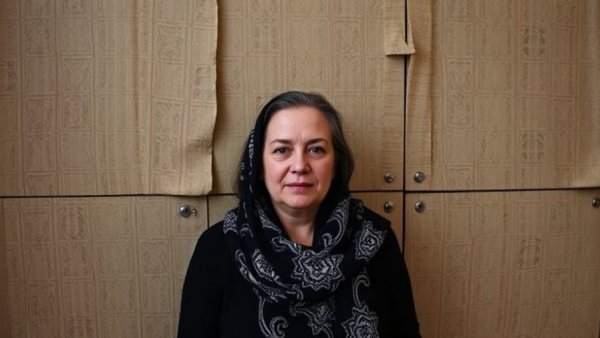
Reut took a different perspective altogether, recognizing the ongoing struggle for their beliefs amid political and social adversity. She stated, “If until then I had any doubts about the direction we had chosen for Tzav 9, I realized that we must not give in. We must be doing something right.” This sentiment highlights a crucial aspect of the sanctions—they target individuals, aiming to discourage activities considered illegal by certain foreign governments, yet they can inadvertently galvanize those affected, reinforcing their resolve.
The Wider Implications of Sanctions on Israeli Society
The sanctions announced quickly escalated tensions between the countries involved and Israel, shifting the nature of the diplomatic confrontation from mere rhetoric to economic and personal ramifications. The sanctions targeted not just individuals but also construction companies and nonprofit organizations, suggesting that a significant number of sectors might feel the sting of the new policies.
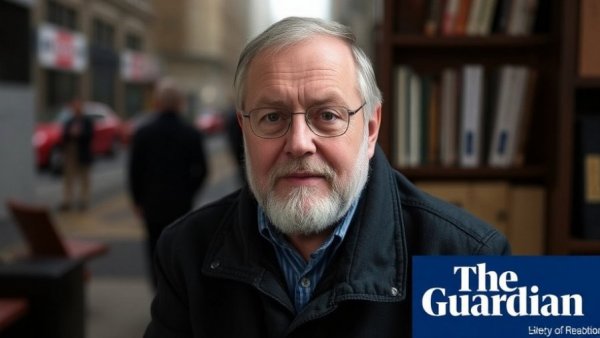
Those individuals named in the sanctions, like *Eliav Libi*, described their experiences of humiliation and helplessness. Libi, whose son was killed in the recent conflict, now faces an asset freeze that complicates his ability to finance businesses that he claims contribute to security. He expressed a strong desire to continue his work, emphasizing, “I don’t want to see more and more families suffer such loss.” This sentiment reveals how the sanctions, while intended to pressure Israel into changing its policies, also threaten the livelihoods of those who wish to maintain their communities in the face of adversity.
Why International Sanctions Might Not Have the Desired Impact
Despite the intentions of Britain and Australia to shift Israeli policy through sanctions, many voices in the region question their efficacy. Senior officials in various sectors noted that these measures could set a dangerous precedent by undermining the livelihood of law-abiding businesses. They argue that the sanctions do not directly target state policies but rather create broader societal issues.
One official lamented, “It feels as though someone across the world is telling us our own government’s actions are unlawful. The sanctions are likely to inflame tensions rather than forge peace.” This perspective appeals to the ever-vexing debate around how interventions from foreign powers can complicate internal socio-political dynamics.
Personal Costs and Aspirations Amid Challenges
Sanctions bring significant personal costs, often manifesting in ways that ripple through communities. As Reut articulated her struggles, she noted how the financial duress affected their ability to operate their cycling tour business. Even the most dedicated supporters of their cause find it increasingly challenging to aid them, as payment platforms block donation requests under the latest sanctions. “It’s cutting off our lifeline,” she explained. This reality showcases a critical intersection between support for justice and the practical implications of living under sanctions.
A Call to Evaluate Perspectives and Priorities
While individuals like *Nili Naouri* continue fighting legal challenges stemming from these sanctions, they also reveal the implications for a larger community of supporters around the world. The scope of the sanctions necessitates global discourse—one reflecting the need for empathy and understanding of circumstances faced on all sides of the conflict.
Ultimately, these sanctions and the personal stories stemming from them call all engaged individuals—especially mission-minded believers and social justice advocates—to reflect critically on where they stand. Instead of supporting punitive measures that might hinder grassroots movements for change, an approach rooted in dialogue and understanding is paramount.



Write A Comment