




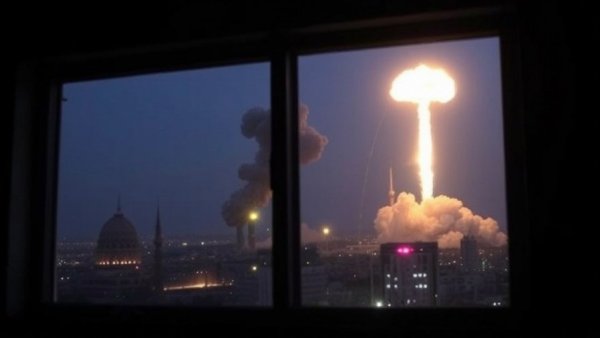
Understanding the Tension: A Looming Threat from Iran
The precarious relationship between Israel and Iran has taken center stage, with rising tension prompting discussions about a potential military strike. Israeli security officials have estimated that Iran is currently armed with approximately 1,700 ballistic missiles capable of reaching Israeli territory. This significant threat poses urgent questions about regional stability and the repercussions of military action. The range and capabilities of these missiles, along with Iran's ongoing advancements in military technology, contribute to a persistent sense of unease not only in Israel but also among nations across the globe.
The Risks of Miscalculation
Recent foreign media reports suggest that the United States has conducted limited strikes on Iran's Qeshm Island, targeting Iranian surface-to-air missile installations. These actions hint at a greater commitment from the U.S. to counter Iranian threats, but they also raise fears of escalation. A single miscalculation—whether it be a flawed intelligence assessment or an unexpected retaliation—could trigger a much larger conflict in an already volatile region. The risks associated with miscalculation are further compounded by the rapid pace at which tensions can escalate. The ongoing interplay of military posturing and diplomatic maneuvers makes it essential for observers to remain vigilant and responsive to potential shifts in the landscape.
Iran's Stance on Negotiations
In the midst of these tensions, Iran has reiterated its conditions for negotiations with the United States, setting a series of demands that could complicate any efforts to de-escalate the situation. The Iranian Foreign Ministry spokesperson has firmly stated that discussions will only take place under the seven conditions set by Tehran. This hardline approach underscores the challenges of diplomacy in the region, where entrenched positions often hinder the possibility of constructive dialogue. It also highlights the need for a comprehensive understanding of Iran's perspective, as many view its insistence on these conditions as a response to perceived threats from adversaries rather than mere obstinacy.
A Historical Context of Conflict
The geopolitical dynamics surrounding Israel and Iran are deeply rooted in historical grievances and ideological differences. Understanding these roots can provide tone and depth to the current conflict. Since the 1979 Islamic Revolution, Iran has positioned itself as a defender of Shia Islam against perceived threats from Israel and its allies, framing the conflict in religious as well as political terms. This perspective influences not only the political rhetoric from Tehran but also how the Iranian populace views the ongoing tensions. Each side views the other with suspicion, making compromise increasingly difficult. Furthermore, past incidents, such as the Iran-Iraq War and various proxy conflicts, have left deep scars that affect interactions today.
Relevance to Faith and Humanitarian Perspectives
For Christians engaged in social justice and humanitarian efforts, the situation begs important considerations. As conflicts escalate, the most vulnerable populations often suffer the greatest consequences. The voices of Christians in the region, who may be caught in the crossfire, stress the importance of advocacy and relief. Organizations working on the ground have reported growing needs for humanitarian assistance, which can be exacerbated by military actions. Understanding the complexities of the situation can empower believers to intercede and support efforts aimed at peace and reconciliation. Engaging with local communities to provide relief not only assists those in need but can also foster interfaith dialogue and mutual understanding, vital components for lasting peace.
Preparing for What Lies Ahead
The question now is not just about military strategy but about the inclusiveness and effectiveness of diplomacy. How can global stakeholders facilitate peaceful dialogue in such a charged environment? What role can everyday believers play in promoting understanding and supporting those affected by conflict? As tensions rise, the need for compassionate engagement and proactive advocacy becomes vital. Faith-based organizations can serve as mediators, fostering communication channels that prioritize peace over conflict. Additionally, educational efforts aimed at informing both congregations and the public about the complexities involved in this situation can serve to promote empathy and goodwill. Through prayer, awareness, and action, Christians can contribute to a hopeful vision for the future, emphasizing love and peace amidst strife.




Write A Comment