Add Row
Add Element
cropper
update

Biblical Living Unlocked

Logo - Biblical living unlocked
update
Add Element
  • Home
  • Categories
    • Biblical Parenting
    • Parenting Tips
    • Family Fellowship
    • Bible Teaching
    • Apologetics
    • Community Stories
    • Youth Focus
    • International
    • Walton Evangelical Church
    • Salt Church Mar Menor
    • Salt Church Los Montesinos
    • John Piper
    • News & Offers
Add Element
  • Ken on Facebook
    update
  • update
  • update
  • update
  • update
  • update
  • update
March 03.2025
2 Minutes Read

Tragic Terror Attack in Haifa Leaves 1 Dead, 4 Wounded: What It Means for Us

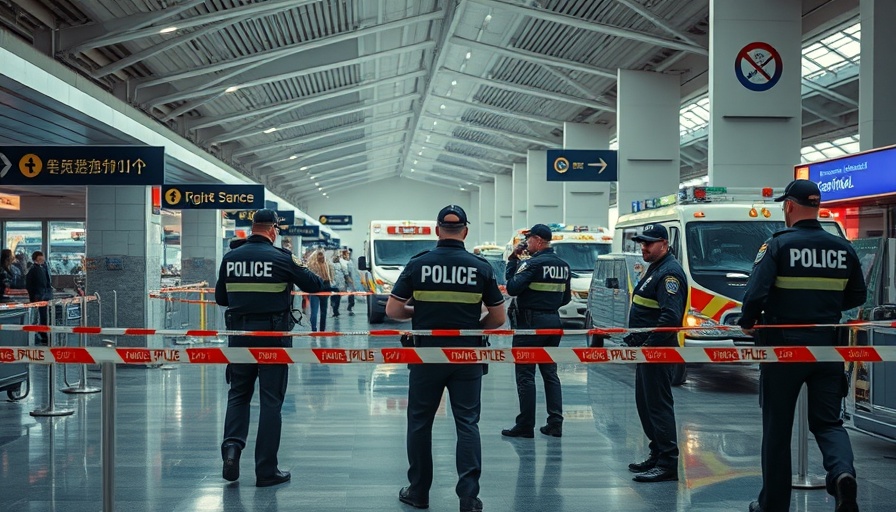
Police manage scene at Haifa terminal after security incident.

Tragic Terror Attack in Haifa Claims Life and Leaves Others Wounded

In a shocking incident on March 3, 2025, a terrorist attack at the Lev Hamifratz Mall in Haifa resulted in the death of a 65-year-old man, identified as a victim of a brutal stabbing. Four others sustained injuries, with three reported in serious condition, including individuals aged 15 to their 30s. Following the attack, the assailant, who also held German citizenship and was identified as an Israeli Druze, was neutralized by authorities.

The Broader Context of Violence

This attack comes amidst a heightened atmosphere of tension in the region, as various threats, including those from Hamas, escalate. With the onset of Ramadan this week, warnings of potential violence have intensified. Religious and ethnic undercurrents complicate the already volatile security landscape in Israel, particularly affecting communities from mixed backgrounds like the Druze, who have historically faced complex identifications in a predominantly Jewish state.

Understanding the Victims and Community Response

The tragic loss of life has profoundly impacted the local community. Prime Minister Benjamin Netanyahu expressed condolences to the victim's family, reaffirming Israel's commitment to combat those who think they can create terror. Such an affirmation resonates deeply with both Christian and Jewish communities, who often find themselves standing together against violence. The shared grief can serve to strengthen interreligious bonds, as they unite in the face of such horrific acts.

Emotional Responses from the Public

Witness reports from the scene describe chaos as panic erupted following the attack. As emergency services rushed to provide aid, the lingering fear of violence led some community members to reflect on their safety and the current state of security in Israel. These feelings of vulnerability are all too familiar across various faiths and backgrounds, calling for a united front against these acts of terror.

Insights on Future Trends

Looking ahead, many observers anticipate that the ongoing stability of the region may become increasingly precarious as factors, including the potential for intensified military actions in Gaza, could provoke retaliatory violence. Understanding this dynamic is crucial for mission-minded individuals and humanitarian advocates who seek to foster peace and reconciliation in a fractious landscape.

In summary, the stabbing incident in Haifa not only represents a grievous tragedy in its own right but also reflects a broader narrative of vulnerability, resilience, and the urgent need for unyielding commitment to dialogue and safety across religious and cultural divides. To be informed and involved is crucial for those who stand for justice and peace.

As the world watches, let us engage thoughtfully with the complexities of interfaith relations now, more than ever. Your voice is a vital part of this narrative. Explore opportunities to support peace-building initiatives in Israel and beyond.

International

15 Views

0 Comments

Write A Comment

*
*
Related Posts All Posts
01.03.2026

Is Venezuela Today a Harbinger for Iran Tomorrow in Global Politics?

Update The Intersection of Political Alliances: Venezuela and Iran Months after the dramatic fall of Venezuelan President Nicolás Maduro, international dynamics are rapidly shifting. The end of Maduro’s regime marks not just a turning point for Venezuela, but it also poses significant questions for countries like Iran that have long supported him. Iran, known for its resistance to Western influence, continues to evaluate the implications of recent U.S. actions in Latin America. Understanding the Roots of the Iran-Venezuela Relationship The bond between Iran and Venezuela has been increasingly cemented since Hugo Chávez nationalized the oil industry back in 1999. Both nations, rich in oil reserves, have shared a common animosity toward the United States, which has significantly shaped their foreign policies. During these two decades, the relationship has transformed into what Iranian officials label an “axis of resistance.” In a time where regional alliances can shape international politics, the question looms: What happens next? Current Events: The Global Reaction With Venezuela’s political landscape altering dramatically, Iran’s leaders watch closely. American sanctions and military posturing in the Caribbean have prompted Iran to deepen its ties with Venezuela, portraying the South American nation as a crucial ally resisting U.S. interventions. Just as the U.S. drafts scenarios for Venezuela's post-Maduro future, Iran proclaims its unwavering support for Caracas, echoing rhetoric that unifies various countries under their fight against imperialism. Future Predictions: What Lies Ahead? As the political tides shift, Iran must consider whether Maduro's fall reflects a growing vulnerability in its own regional influence. While Tehran has articulated its support for the Venezuelan cause, the question remains if this alliance can withstand the changing winds of international politics. Could this mark an opportunity for Iran to reassess its strategies or signal a potential isolation? The Humanitarian Perspective: Impact on Civilians While the political elite engages in power struggles, ordinary Venezuelan citizens continue to suffer under the long shadow of crises. As believers concerned about social justice and humanitarian needs, the plight of those living in difficult conditions in Venezuela deserves attention. The intersection of faith and politics has a direct impact on how these nations engage within their respective communities. Rethinking Perceptions: Common Misconceptions A common misconception is that nations simply adhere to rigid alliances. In reality, the relationship between Venezuela and Iran showcases the complexity of political partnerships driven by shared goals. These ties often shift based on internal and external pressures, warranting a closer examination of how collaborations evolve during times of political turbulence. Conclusion: The Call for Awareness and Advocacy As students of global affairs and concerned individuals of faith, it’s essential to actively engage in discussions around these political dynamics. Understanding the interplay between world events and local repercussions allows us to advocate effectively for human rights and the dignity of those suffering under oppressive regimes. Let’s remain vigilant in our prayers and support for those marginalized in Venezuela and beyond.

01.02.2026

Mamdani's Decision to Scrap Anti-Zionism Order: A New New York Era

Update Understanding Mamdani's Reversal: The Political Landscape On January 1, 2026, newly inaugurated New York City Mayor Zohran Mamdani made headlines when he swiftly revoked several executive orders put in place by his predecessor, Eric Adams. This included the controversial order that recognized anti-Zionism as a form of antisemitism, sparking a wave of reactions from various community leaders and organizations. Mamdani's actions mark a significant shift in the city's approach to intercommunal relations and the politics surrounding Israel. The Context of Mamdani's Decisions Mamdani's revocation of these orders comes in a moment of increased scrutiny regarding the treatment of anti-Zionism and its intersection with antisemitism. Critics of the previous administration's stance argued that equating anti-Zionism with antisemitism restricts free speech and freedom of expression. Advocacy groups such as the Council on American-Islamic Relations (CAIR) welcomed Mamdani’s move as a step towards upholding civil liberties and promoting an atmosphere of open dialogue regarding Israel-Palestine relations. Jewish Community Responses The Jewish community, on the other hand, expressed concern over Mamdani's quick disavowal of Adams' policies. Many leaders emphasized the importance of safeguarding Jewish New Yorkers from rising antisemitism, suggesting that the revocations signal an unsettling shift that may embolden anti-Israel sentiment. A joint statement from several Jewish organizations condemned the revocations, urging the new mayor to display consistent leadership in combating antisemitism. The Power of Symbolic Actions By taking such bold actions on his first day in office, Mamdani not only reinforces his political promises but also sets the tone for his administration. His decisions reflect a larger trend of mayors in prominent cities grappling with the complexities of Jewish identity and antisemitism. In a multicultural city like New York, balancing diverse interests while promoting unity requires careful negotiation among various groups. Public Perception and Future Implications Public sentiment towards Mamdani's actions will be crucial as his administration continues to develop its approach to diverse communities. While some may view his actions as a commitment to free speech and a criticism of previous pro-Israel measures, others see a potential weakening of protections against hate speech and antisemitism. Thus, the long-term consequences of his policy alterations remain to be fully understood. Conclusion: Navigating Complexities Ahead The challenges facing Mamdani's administration are multi-faceted, particularly concerning its impact on interfaith dialogue and communal safety. With a significant portion of New Yorkers feeling uncertain about his leadership style and commitment to honestly addressing antisemitism, Mamdani will need to establish a clear stance that resonates with all communities, promoting harmony and mutual respect.

01.02.2026

Inspiring Tales of North Korean Christians: Cho's Journey of Faith and Courage

Update How One Lost Soul Became a Beacon of Light In North Korea, nearly all aspects of life are tightly controlled by a regime that views religion as a significant threat to its authority. Christians exist under a constant cloud of fear, with severe punishments—ranging from imprisonment to execution—awaiting those caught practicing their faith. Yet, as we learn from Cho's harrowing yet inspiring journey, hope exists even in the harshest conditions. The Dare to Believe Cho, known for his unwavering faith, dedicated his life to reaching out to North Koreans fleeing their oppressive environment. His mission was not merely to provide food and shelter but also to offer them the greatest gift of all—the hope of the gospel. "My purpose in life is to save souls," he often stated, embodying the spirit of his calling despite the danger it entailed. The Landscape of Persecution The persecution of Christians in North Korea is among the most acute in the world. According to Open Doors, as many as 70,000 Christians find themselves imprisoned solely for their beliefs. The risks involve not just personal faith but the safety of entire families. If a Christian’s faith becomes known, repercussions can extend to loved ones, reflecting a system built upon fear and oppression. Acts of Courage Amidst Fear Cho’s method of reaching North Korean refugees was as practical as it was dangerous. By offering food and water, he established trust before sharing spiritual guidance. This kindness highlighted a fundamental truth: even a small act of love can have profound ripple effects. His work exemplified how compassion and faith can intertwine, illuminating pathways of hope and ensuring that love persists even in darkness. Hope Through Tragedy In December 2025, Cho passed away due to a long-term illness, leaving behind a legacy of courage and faith. His story reminds us that the power of the gospel transcends borders and barriers. Despite the ultimate cost to Cho, his life was a testament to the belief that no wall can keep God’s love at bay. Even after his death, the ripple effects of his actions continue to inspire countless others to act in faith. Persevering for Justice The narratives surrounding North Korea highlight the pressing need for action. Human rights organizations are calling — now more than ever — for accountability from the United Nations regarding the treatment of Christians and the potential for ongoing genocide. The recent UN reports have opened discussions, suggesting that it’s imperative for the international community to respond to the plight of North Korean Christians more assertively. Conclusion: The Call to Action While Cho's story is a beacon of hope, it also serves as a reminder that the battle against persecution is ongoing. As mission-minded individuals, we are called to engage with the plight of our brothers and sisters in North Korea. Support organizations like Open Doors to provide vital aid and advocacy in this critical context. Every contribution helps shed light on the darkness that seeks to smother the message of hope and love. Join the movement. Donate today to help further the missions that carry hope to the hopeless.

Image Gallery Grid

Terms of Service

Privacy Policy

Core Modal Title

Sorry, no results found

You Might Find These Articles Interesting

T
Please Check Your Email
We Will Be Following Up Shortly
*
*
*