


Did you know that nearly 60% of street preachers face legal challenges due to unclear regulations? Understanding street evangelism legal FAQs can protect your right to share your message confidently, ensuring your voice is heard without unintended legal trouble. Whether you are new to street preaching or seeking a legal refresher, this article will equip you with essential knowledge so you can proclaim the gospel boldly and lawfully.
Understanding Your Rights: An Overview of Street Evangelism Legal FAQs
Definition of street evangelism and its legal context in England and Wales
Clarification on preaching rights in public spaces
Distinction between public and private land for evangelism purposes
Street evangelism in England and Wales involves sharing the message of the gospel in public places such as streets and parks. According to Steve Harris of OAC Ministries, “We have great freedom to preach on the streets. The police aren't out to get us. ” This legal freedom means you can usually preach without needing permission, provided you are on genuinely public land. However, it’s important to know where and how the law applies to ensure your ministry is both effective and protected.
Not all areas that look public are legally so. For instance, shopping centres and their surrounding walkways may be privately owned land, making them subject to different rules. Public parks might have bylaws which prohibit preaching, often clearly posted at entrances. When you're planning your outreach, verifying whether a site is public or private is a crucial step to avoid misunderstandings or legal complications.
Understanding these basics empowers you to exercise your rights wisely and respectfully, helping you focus more on your message and less on legal worries.
“We have great freedom to preach on the streets. The police aren't out to get us.” – Steve Harris, OAC Ministries
Common Legal Concerns Addressed in Street Evangelism Legal FAQs
Do you need permission to preach on public streets?
What happens if someone is offended by the message?
How do criminal and civil laws apply to street preaching?
Are there restrictions on distributing religious literature?
Permission and Public vs Private Spaces
No permission required on genuine public streets
Caution around privately owned shopping centres and parks with bylaws
Advice on verifying the status of preaching locations
When it comes to permission, the law is clear you do not need permission to preach on a genuine public street. Steve Harris explains, “You can simply proclaim the gospel on public streets and squares. But watch out for areas that appear public but are privately owned. ” Privately owned shopping centres or certain park areas may require consent before preaching. Always look for posted bylaws or signs at parks, and if in doubt, do a quick check with local authorities or the council.
Knowing the difference between public and private land will help you avoid unwelcome confrontations. For example, private landowners can ask you to leave, which is within their rights. By contrast, public places allow for free expression, as long as you respect other laws like obstruction or disorderly conduct. Preparing ahead prevents interruptions and keeps your ministry running smoothly.
For those interested in the deeper spiritual motivations behind public preaching, exploring how believers can embrace their calling as agents of repentance offers valuable perspective. You can find practical insights on this topic in the article embracing our role as God’s agents of repentance, which discusses the heart and purpose behind sharing the gospel in public spaces.
Handling Offense and Public Reaction
“It's the gospel that's offensive, not us. We should aim to win people to Christ, not to be offensive ourselves.” – Steve Harris, OAC Ministries
Legal protection against being stopped for offending listeners
Recommended approaches to hostile or provocative responses
Balancing boldness with Christ-like sensitivity
It’s common to wonder whether offending someone with your message could get you into legal trouble. Legally, you cannot be stopped simply because your preaching offends or upsets someone. The Human Rights Act 1998 protects freedom of speech, including religious expression, even if it challenges or disturbs listeners.
However, Steve Harris advises caution: “The gospel can be offensive because it highlights the need for God. But as preachers, we must not be offensive ourselves. The goal is to win people to Christ with love and respect. ” If you encounter hostility, consider modifying your approach or offering a private conversation instead of escalating tensions. This balance between boldness and kindness shows your message truly cares and invites dialogue rather than conflict.
By handling offensive reactions wisely, you maintain your credibility and create greater opportunities for meaningful conversations about faith.

Criminal Law and Street Evangelism Legal FAQs: Key Case Insights
Summary of Redmond v Director of Public Prosecutions (1999)
Criteria for assessing breach of peace and threats
Distinguishing threats from preachers versus crowd reactions
“If the threat of disorder comes from passers-by, it is they who should be asked to desist, not the preacher.” – Steve Harris, OAC Ministries
The landmark case Redmond v Director of Public Prosecutions (1999) is essential for understanding the criminal law around street evangelism. In this case, a preacher refused police instructions to stop when the officers feared a breach of the peace. The court ruled that if disorder or violence is likely, the cause of that threat matters. If the crowd reacting to the preacher is the problem, then they—not the preacher—should be asked to stop or be arrested.
Steve Harris summarises, “The law recognises that street preaching is lawful conduct. If disorder arises, it usually stems from listeners' reactions, not from the preacher. So you are protected as long as you do not incite violence or break the peace yourself. ” This ruling reassures street evangelists that their lawful expression is recognised, even amid potentially difficult public reactions.
Understanding this case helps you remain confident that the law supports your right to preach, shifting responsibility to those who disrupt peace rather than those sharing lawful messages.

Civil Law Considerations: Obstruction and Public Preaching
Understanding obstruction under the Highways Act 1980, section 137
Factors influencing obstruction: duration, position, purpose, and actual vs potential obstruction
Practical tips for setting up preaching spots to avoid obstruction
Practical Advice to Avoid Obstruction
Use existing street furniture to minimize obstruction
Choose wide, open areas for preaching
Monitor crowd size and movement to prevent blocking passageways
The civil law primarily concerns avoiding obstruction under the Highways Act 1980, section 137, which states that willfully obstructing the free passage along a highway is an offence. Obstruction isn’t simply about presence, but about whether you are preventing others from moving freely and for how long.
Steve Harris shares a practical example where a preacher caused an actual obstruction due to a large crowd blocking a path for a prolonged period. This brings attention to four key considerations: the duration of your preaching, the physical location, the lawful purpose of your gathering, and whether the obstruction is actual or just potential.
To avoid obstruction, use existing street furniture such as lampposts or benches for your materials, and pick spacious areas where pedestrians can easily pass. Also, stay attentive to crowd size and flow. This shows respect for public space and keeps your outreach legally safe and inviting for others.

Distributing Religious Literature: What the Law Says
Overview of the Clean Neighbourhoods and Environment Act 2005
Exemption for religious literature distribution
Advice on handling challenges and requesting official clarifications
The Clean Neighbourhoods and Environment Act 2005 brought new attention to the distribution of printed materials in public places. However, section 1(4)(b) specifically exempts the distribution of literature for religious purposes from requiring permission from local authorities. This means you can hand out gospel leaflets legally without seeking consent.
Despite this legal protection, some Christians have faced challenges or misunderstandings when handing out literature. In such cases, it is advisable to calmly request a written explanation about any restrictions imposed. As Steve Harris suggests, obtaining official clarification helps prevent future issues and educates authorities, supporting the whole community of street evangelists.
Understanding these legal nuances ensures your outreach remains within lawful bounds and that you can confidently share printed materials that support your message.

Interacting with Police During Street Evangelism
Encouragement to remain calm, respectful, and cooperative
How to inquire about concerns and seek solutions
Importance of understanding and explaining legal rights politely
“If you are kind and courteous to the police, they will respond better than if you confront them.” – Steve Harris, OAC Ministries
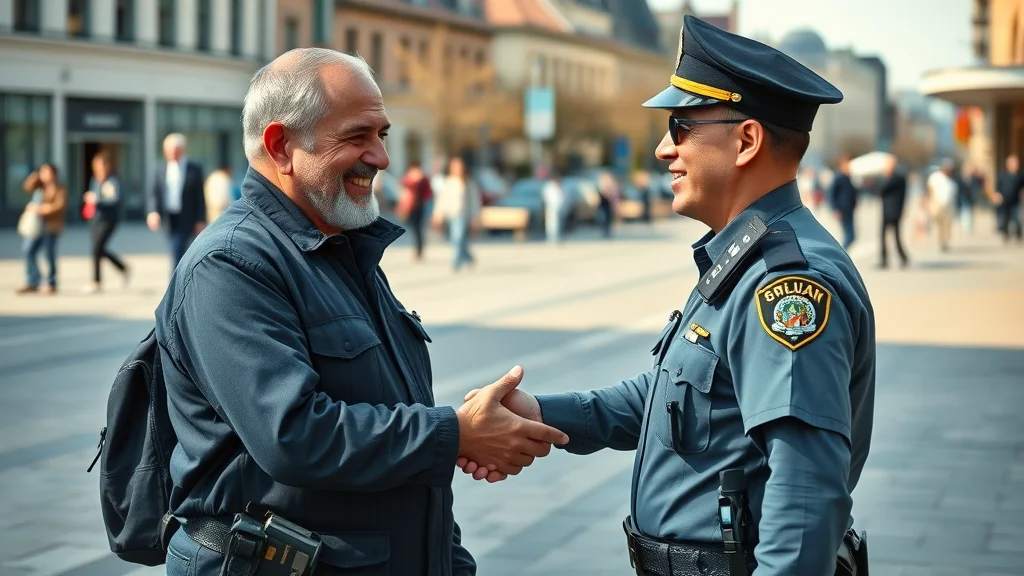
While Steve Harris assures us that police are generally not out to stop street evangelists, interaction with officers may happen as they seek to maintain public order. The best approach is to remain calm, respectful, and cooperative. If asked to stop, don’t argue but politely ask why and whether the issue can be resolved while you continue preaching.
You can explain your understanding of the law and inquire if alternative locations would be more suitable. Building good rapport with police not only reduces tension but can open opportunities for positive dialogue and mutual respect. Maintaining a courteous attitude encourages better responses and helps the police support lawful evangelism rather than hinder it.
What You'll Learn: Key Takeaways from Street Evangelism Legal FAQs
Topic |
Key Point |
Legal Reference |
|---|---|---|
Right to Preach |
No permission needed on public streets |
Common Law |
Offense |
Cannot be stopped for offending listeners |
Human Rights Act 1998 |
Criminal Law |
Threats from crowd, not preacher, matter |
Redmond v DPP (1999) |
Obstruction |
Must not willfully block passage |
Highways Act 1980 s137 |
Literature Distribution |
Exempt if religious purpose |
Clean Neighbourhoods and Environment Act 2005 |
Frequently Asked Questions About Street Evangelism Legal FAQs
Can I be arrested for preaching on the street?
What should I do if someone complains about my message?
Is it legal to hand out gospel leaflets without permission?
How do I handle police requests to stop preaching?
What areas should I avoid for street evangelism?
Conclusion: Empowering Your Street Evangelism with Legal Knowledge
Recap of the freedoms and responsibilities in street evangelism
Encouragement to preach boldly yet respectfully
Reminder to verify location status and avoid obstruction
Final expert advice to engage positively with authorities
“Preach and declare the gospel so that those who may never hear it otherwise will have the chance to respond.” – Steve Harris, OAC Ministries
Further Resources and Next Steps
Links to detailed legal guides and evangelical alliance resources
Information on The Street Preacher’s Charter
Contact details for OAC Ministries for support and advice
People Also Ask: Common Queries on Street Evangelism Legal FAQs
What are my legal rights when preaching on the street?
Can I be stopped for offending someone with my message?
Do I need permission to distribute religious literature?
How should I respond if the police ask me to stop?
What constitutes obstruction during street evangelism?
Call to Action
To learn more about The Street Preacher’s Charter, visit https://the.ci/streetpreachers
Equip yourself with knowledge and confidence to share your message legally and effectively
If you’re inspired to deepen your understanding of the spiritual foundation behind public ministry, consider reading about how we can actively participate as God’s agents of repentance. This broader perspective not only enriches your legal awareness but also strengthens your sense of purpose and calling. Discover more about embracing your role in God’s redemptive work at Understanding God's Agents of Repentance in Teaching and take your street evangelism to a new level of impact and insight.
Understanding the legal aspects of street evangelism is crucial for effectively sharing your faith while respecting the law. The article “Know Your Rights: Sharing Your Faith and Witnessing Are Protected From Government Intrusion by the U. S. Constitution” from the American Center for Law and Justice provides a comprehensive overview of the constitutional protections for public religious expression, emphasizing that activities like distributing religious literature and engaging in conversations about faith are safeguarded under the First Amendment. (aclj. org) Additionally, the “Public Evangelism Q&A” by the Pacific Justice Institute addresses common questions related to free speech rights in the context of open-air preaching and evangelism, offering practical advice on navigating legal challenges and understanding your rights in various public settings. (pacificjustice. org) If you’re serious about conducting street evangelism within legal boundaries, these resources will equip you with the necessary knowledge to do so confidently.
By Ken Johnstone MBA BSc - Executive Editor, Biblical Living Unlocked




Write A Comment