 Add Row
  Add
Add 


Imagine standing on a busy street corner with a heartfelt message, only to face unexpected legal challenges. For street evangelists, understanding the laws governing religious literature distribution law is crucial to sharing their faith safely and effectively. In this article, we’ll explore how to navigate these important rules with confidence, ensuring your gospel outreach is both lawful and impactful.
Overview of Religious Literature Distribution Law for Street Evangelists

- Definition and scope of religious literature distribution law
- Legal freedoms to preach and distribute religious texts in public spaces
- Distinction between public streets, private land, and public parks
Understanding the religious literature distribution law is essential for street evangelists who desire to legally share gospel leaflets and religious texts. Generally, public streets offer great freedom for preaching and distribution without needing prior permission. This legal framework stems from fundamental rights to freedom of expression and religion, which empower evangelists to declare their message openly.
However, the landscape isn’t always straightforward. Not all areas that feel public, such as parts of shopping centres, are legally public streets. They often comprise private land, where different rules may apply regarding religious publication activities. Similarly, some public parks may have bylaws restricting preaching or literature distribution.
Steve Harris, of OAC Ministries, explains, "We have great freedom to preach on the streets. You do not need permission from anybody to preach on a public street, but caution is needed around private land and public parks with bylaws."
Understanding Public Streets vs Private Property in Religious Publication Distribution

- Identifying true public streets versus privately owned shopping centres
- Legal implications of preaching and distributing literature on private land
- Bylaws in public parks that may restrict religious publication activities
The key to confidently distributing literature lies in knowing whether the location is genuinely a public street or private property. Public streets are publicly accessible highways where preaching and passing out religious texts is generally lawful. In contrast, certain shopping centres or plazas are privately owned, and their owners may enforce restrictions that require permission before evangelism activities.
Additionally, public parks must be approached with care. Some parks have specific bylaws forbidding preaching or the distribution of literature, often signposted at entrances. In the absence of such bylaws, preaching and literature distribution remain permitted as part of your lawful public activities. Confirming these specifics ahead of time can save you from unintended legal issues.
For those interested in how religious literature adapts to different legal and cultural landscapes, especially in regions with more restrictive environments, examining the impact of digital Christian publishing in China offers valuable perspective. Discover how technology is transforming faith-sharing in challenging contexts in this exploration of digital Christian publishing’s role in family faith in China.
Legal Rights and Restrictions on Distribution of Free Literature
- The Clean Neighbourhoods and Environment Act 2005 and its impact
- Exemptions for religious publication under section 1, part 4b
- How to respond if challenged about literature distribution
The Clean Neighbourhoods and Environment Act 2005 initially caused some confusion around distributing printed materials, with provisions that might seem restrictive. The Act states that a person commits an offence if they distribute printed matter without the consent of the principal litter authority.
Fortunately, there is a crucial exemption in section 1, part 4b: distributions for religious purposes are excluded from the need to seek such consent. This means street evangelists giving out gospel leaflets do not require permission from local authorities to distribute religious literature.
Steve Harris states, "If you're giving out gospel leaflets, you don't need consent from the principal litter authority. This is protected under the law for religious purposes."
This protection provides significant legal reassurance to Christian street preachers seeking to share literature freely. If a challenge arises, calmly affirm the exemption and, if necessary, request written confirmation that your lawful rights will be respected to prevent future misunderstandings.
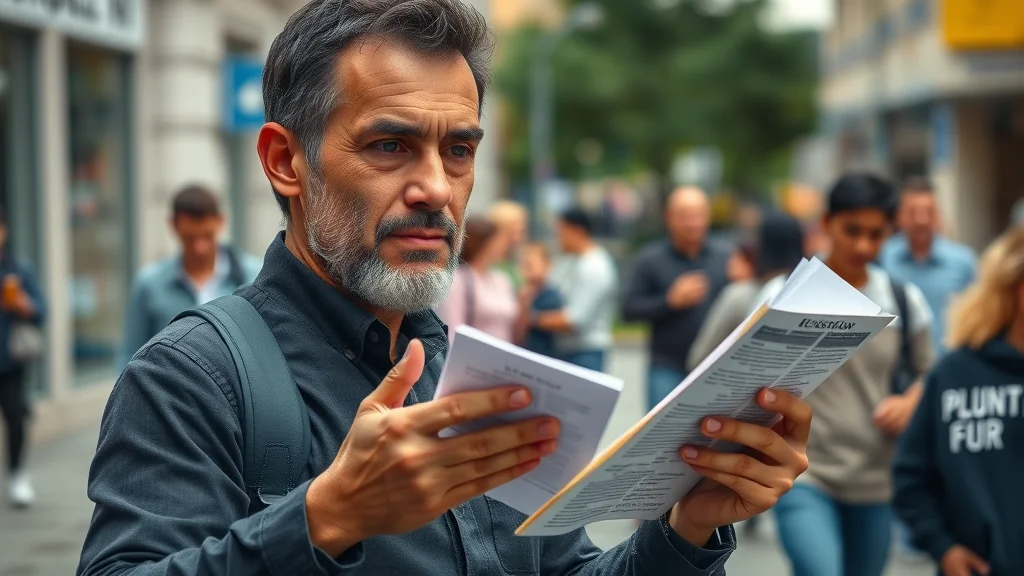
Best Practices for Distributing Religious Texts Without Causing Obstruction

- Avoiding obstruction under the Highways Act 1980, section 137
- Choosing wide, open areas to distribute literature
- Using street furniture to minimize obstruction
While you have the right to distribute literature, civil law also requires you to avoid wilfully causing obstruction on public highways. Under section 137 of the Highways Act 1980, blocking free passage can constitute an offence.
To comply, always choose locations with adequate pavement or street width where passers-by can easily move around you. Using existing street furniture like lampposts or benches to position yourself helps prevent additional obstruction. If a crowd gathers, be mindful not to create a blockage that impedes pedestrian flow, which could lead to police intervention or legal issues.
Such practical considerations ensure your outreach remains respectful and lawful, fostering positive interactions with the public and authorities alike.
Navigating Police Interactions When Distributing Religious Publication
- How to respond respectfully if asked to stop
- Clarifying legal rights calmly and courteously
- Seeking alternative locations if necessary
Police officers generally respect street evangelists' rights to distribute religious literature, provided it is done lawfully and without obstruction. If an officer approaches and asks you to stop, respond calmly and courteously—this fosters goodwill and can often resolve concerns quickly.
Ask politely for the reason behind the request, clarify your understanding of your legal rights, and inquire if there is a way to resolve any issue while continuing to share your message. Sometimes, relocating a short distance or adjusting how you distribute literature can satisfy concerns without ending your outreach.
Steve Harris advises, "If the police ask you to stop, don't argue. Calmly ask why and explain your understanding of the law. Being kind and respectful encourages better responses."
When Offense Arises: Balancing Boldness and Respect in Religious Publication

- Understanding that the gospel may offend, not the evangelist
- Considering tone and approach to maximize effectiveness
- Using private discussions as an alternative to public confrontation
It’s important to recognise that sometimes the gospel message itself may offend listeners, but this does not give grounds to stop preaching or distributing literature. The offence comes from the message challenging people’s beliefs or lifestyles, not the evangelist personally.
That said, wise evangelism balances boldness with respect. Adjusting tone, offering private conversations, or politely disengaging when met with hostility can enhance effectiveness and image. Treating others with kindness even when beliefs differ maintains a positive witness in the community.
Common Legal Questions About Religious Literature Distribution Law
| Question | Brief Answer |
|---|---|
| What is the Article 9 right to religion? | It protects freedom of thought, conscience, and religion, including the right to manifest religion publicly. |
| What is the most openly mocked religion? | Varies by context; the law protects all religions equally from discrimination. |
| What is the religious law in the UK? | The UK has no single religious law; religious freedoms are protected under human rights legislation. |
| What is the intersection of religion and literature? | Religious literature is a key medium for expressing and sharing faith, protected under freedom of expression. |

Key Takeaways on Religious Literature Distribution Law
- You do not need permission to distribute religious literature on public streets.
- Private property and some public parks may have restrictions requiring caution.
- The Clean Neighbourhoods and Environment Act exempts religious literature from litter authority consent.
- Avoid causing obstruction to comply with civil law and respect the Highways Act 1980.
- Engage respectfully with police and the public to maintain goodwill and effective outreach.
Conclusion: Empowering Street Evangelists with Legal Knowledge
Steve Harris concludes, "Understanding your rights under religious literature distribution law empowers you to share the gospel boldly and lawfully, helping many hear the good news of Jesus Christ."
Equip yourself with this knowledge, and confidently proclaim your message on public streets knowing the legal framework supports your calling.
Further Resources and How to Get Involved
- Links to detailed legal guides and evangelical alliance resources
- Information on The Street Preacher’s Charter
- Contact details for OAC Ministries and legal support
To learn more about The Street Preacher’s Charter, visit https://the. ci/streetpreachers
What You’ll Learn
- The legal rights to distribute religious literature on public streets in England and Wales
- How to distinguish public streets from private property for lawful evangelism
- Exemptions under the Clean Neighbourhoods and Environment Act 2005 for religious literature
- Best practices to avoid obstruction and handle police respectfully
- How to balance boldness with respect when sharing potentially offensive gospel messages
If you’re eager to deepen your understanding of the broader ethical and philosophical foundations that underpin legal rights and public morality, consider exploring how society determines the very concepts of right and wrong. Gaining insight into the roots of morality can enrich your approach to outreach and help you engage thoughtfully with diverse audiences. For a thought-provoking look at these foundational questions, visit this in-depth discussion on the origins of right and wrong in today’s society.
Sources
- Highways Act 1980, Section 137
- Clean Neighbourhoods and Environment Act 2005, Part 4
- Evangelical Alliance - Preaching Publicly Guidance
- The Street Preacher’s Charter
Understanding the legal framework surrounding the distribution of religious literature is essential for street evangelists to ensure their activities are both effective and lawful. The U. S. Supreme Court has addressed this issue in several landmark cases, providing clarity on the rights and limitations associated with such practices. Key Supreme Court Decisions: Jamison v. Texas (1943): The Court ruled that a Dallas ordinance prohibiting the distribution of handbills on the streets violated the Free Exercise Clause of the First Amendment when applied to religious materials. This decision underscores the protection afforded to religious literature distribution in public spaces. (en. wikipedia. org) Murdock v. Pennsylvania (1943): In this case, the Court held that requiring door-to-door salespersons to purchase a license was an unconstitutional tax on religious exercise, particularly when the materials being distributed were religious in nature. This ruling highlights the impermissibility of imposing financial burdens on religious dissemination. (en. wikipedia. org) Heffron v. International Society for Krishna Consciousness (1981): The Court upheld a Minnesota State Fair rule that required all groups to conduct sales, distribution, and solicitation from designated locations. This decision illustrates that while religious literature distribution is protected, reasonable time, place, and manner restrictions can be imposed to maintain public order. (en. wikipedia. org) Practical Considerations for Street Evangelists: Public vs. Private Property: It’s crucial to distinguish between public streets and private property. Public streets are generally accessible for religious literature distribution, whereas private property owners may impose restrictions. Local Ordinances: Be aware of local laws and regulations that may impose specific requirements or restrictions on literature distribution. Non-Obstructive Practices: Ensure that your activities do not obstruct pedestrian or vehicular traffic, as this can lead to legal complications. Respectful Engagement: Approach interactions with the public and law enforcement respectfully to foster positive relations and avoid confrontations. By staying informed about legal precedents and adhering to local regulations, street evangelists can confidently and lawfully share their faith through literature distribution.




Write A Comment