Add Row
Add Element
cropper
update

Biblical Living Unlocked

Logo - Biblical living unlocked
update
Add Element
  • Home
  • Categories
    • Biblical Parenting
    • Parenting Tips
    • Family Fellowship
    • Bible Teaching
    • Apologetics
    • Community Stories
    • Youth Focus
    • International
    • Walton Evangelical Church
    • Salt Church Mar Menor
    • Salt Church Los Montesinos
    • John Piper
    • News & Offers
Add Element
  • Ken on Facebook
    update
  • update
  • update
  • update
  • update
  • update
  • update
December 29.2025
1 Minute Read

How to Tailor Church Logos for Different Communities

A church logo is more than a symbol; it reflects community spirit and values. Crafting a custom church logo design bridges cultures and builds unity, transforming ordinary visuals into heartfelt connections that resonate deeply. Discover how tailored logos can inspire belonging in every congregation, whether rural or urban, traditional or modern.

Understanding the Importance of Custom Church Logo Design

  • Reflects community spirit and values
  • Helps churches showcase their identity and message
  • Bridges cultural differences within congregations

A well-designed church logo serves as a visual ambassador for a congregation, encapsulating both its spiritual mission and its unique community identity. Unlike commercial logos, which often focus solely on brand recognition and profit, a custom church logo design expresses inclusivity, hope, and shared values. It helps churches showcase their identity and message more effectively in a multimedia world where first impressions matter.

As Dan Nichols from Church Logo Design explains, "A church logo is more than a symbol; it reflects community spirit and values. Crafting a custom church logo design bridges cultures and builds unity." This underscores the power of a logo to connect diverse church members and communicate faith in a visually compelling way. A thoughtfully designed logo supports churches in reaching their audience, both online and offline.

Beyond aesthetics, the logo helps bridge cultural differences within congregations with varied demographics, backgrounds, and traditions. This unifying graphic becomes a rallying point that visually expresses what the community holds dear, encouraging participation and deepening engagement.

When considering how to maximize the impact of your church’s new logo, it’s worth exploring how visual branding can be amplified through digital channels. For example, integrating your logo into a robust content marketing strategy can help extend your church’s reach and reinforce its message across multiple platforms. Learn more about building a content marketing strategy that truly works to support your church’s mission at this comprehensive guide.

Key Challenges in Church Logo Design Compared to Commercial Logo Design

  • Multiple stakeholders involved in decision-making
  • Longer approval processes due to community input
  • Balancing tradition with modern communication needs
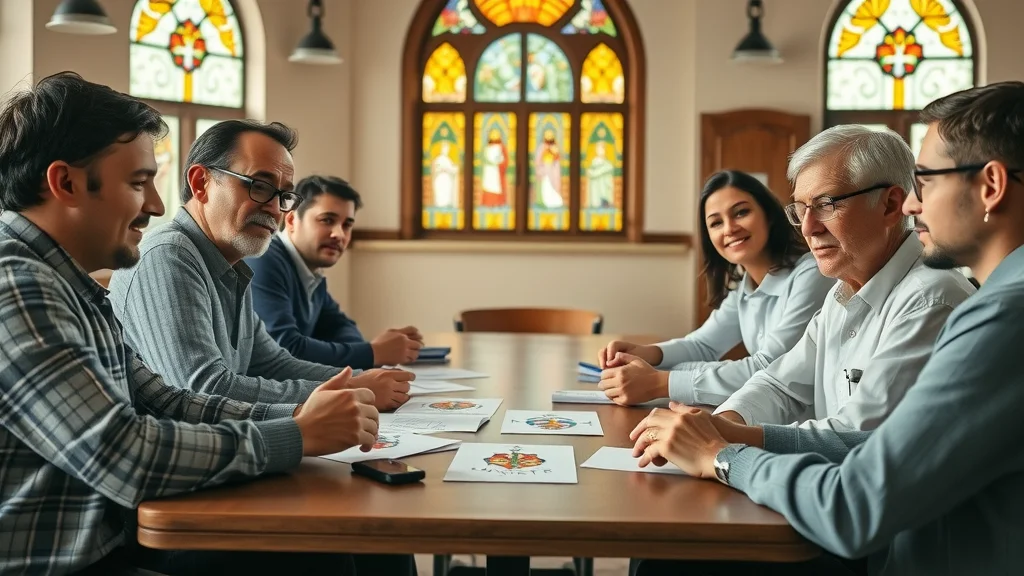
Collaborative meeting for custom church logo design with a thoughtful church leadership team discussing logo sketches

Designing logos for churches involves unique challenges that differ significantly from commercial logo design. One major difference is the number of stakeholders who have input. Churches often have large congregations, and many members want their views considered before approving a logo. This results in a longer, more democratic decision-making process compared to businesses where typically one or two people make design decisions swiftly.

This complexity requires patience and excellent communication skills from designers, who must balance differing opinions and expectations. Furthermore, churches want to preserve their traditions while remaining relevant in modern communication channels such as social media and websites. Finding this balance means logos must evoke faith's timeless aspects while appearing fresh and engaging to younger audiences.

Dan Nichols highlights this difference: "In a business context, one or two people might decide on a logo, but churches often have hundreds of members wanting a say, which slows the process." This reality means logo designers working with churches must leverage collaboration tools and feedback techniques carefully to streamline approvals without sacrificing inclusivity and ownership.

Why Churches Require Unique Logo Design Approaches

Unlike typical commercial projects, churches' logos must reflect more than corporate identity; they represent a faith community with spiritual, cultural, and social layers. This means designers must deeply understand the church’s culture, mission, and audience to create meaningful logos that feel authentic.

Churches can range from long-established rural congregations rich with history to fast-growing urban churches serving diverse populations, requiring vastly different design approaches. A one-size-fits-all logo cannot adequately serve both.

Tailoring Custom Church Logo Design to Different Communities

Understanding the Church’s Context and Audience

  • Consider rural vs. urban community characteristics
  • Incorporate local history and traditions where relevant
  • Focus on the people and community rather than just buildings

Diverse church community group outdoors showing unity and belonging in rural and urban settings

Successful custom church logo design starts with understanding the context in which a church operates. Rural churches typically have close-knit communities often rooted in tradition and shared history. Their logos may reflect local landmarks, agricultural elements, or longstanding symbols meaningful to the congregation. In contrast, urban churches often serve dynamic, multicultural populations with a variety of lifestyles and interests. Their logos tend to be more modern and vibrant to engage younger and diverse audiences.

Dan Nichols stresses the importance of focus: "I would always encourage... to come back to the people. The church has to be about the people in the community." This people-centered approach ensures the logo resonates emotionally and culturally, reinforcing the church’s mission and presence. Emphasizing people over buildings helps create logos that speak to the life and spirit of the congregation, rather than just architectural features.

Considering local history and traditions is also vital. Where tradition is a significant part of a church's identity, carefully integrating symbolic elements like stained glass patterns or steeples connects past and present. However, the design must still appeal to the current community to stay relevant.

Design Elements That Resonate with Specific Congregations

  • Use symbols meaningful to the community (e.g., steeples, stained glass)
  • Choose colors and styles that reflect the church’s personality
  • Create logos that engage both traditional and younger audiences
Elegant custom church logo design reflecting community values and tradition with warm colors

Custom church logos must employ design elements that honor both tradition and modernity. Common religious symbols such as crosses, doves, steeples, and stained glass motifs are frequently included but need thoughtful adaptation to avoid clichés and foster authenticity.

Colors also play an important role in conveying the church's personality and atmosphere. Earthy tones might reflect stability and tradition for rural congregations, while brighter palettes often appeal to urban, youthful communities. Typography choices should balance readability with style to communicate both gravitas and approachability.

A custom church logo design that resonates will engage all segments of the congregation by making them feel seen and represented. This inclusiveness encourages stronger community bonds and supports outreach efforts.

Leveraging Logo Makers and Custom Logo Templates for Church Logo Design

  • Benefits of using church logo makers for quick design ideas
  • How custom logo templates can be adapted for unique church identities
  • Balancing DIY tools with professional design expertise

Designer using digital tools on a computer creating a custom church logo design in a modern workspace

For churches with limited budgets or tight timelines, logo makers and custom logo templates offer practical starting points. These tools provide affordable and efficient ways to generate initial concepts that incorporate classic religious iconography and customizable features.

However, while church logo makers can create quality visuals quickly, they often lack the depth of customization and strategic insight that true custom church logo design requires. Professional designers bring expertise in storytelling, symbolism, and community engagement that templates or DIY tools cannot match.

Balancing the use of logo maker tools with professional input empowers churches to access cost-effective options while still aligning the logo perfectly with their identity and mission. For smaller congregations or those just starting rebranding efforts, this approach can be a smart first step.

Comparing Logo Maker Tools and Professional Logo Design Services

  • Logo makers offer affordability and speed
  • Professional designers provide tailored, meaningful logos
  • Choosing the right approach based on church size and budget

Choosing between logo maker tools and professional services depends largely on the church's needs and resources. Logo makers are excellent for quick drafts and basic logos but often result in generic visuals.

Professional designers develop logos rooted in deep understanding of the congregation’s culture and vision, often involving collaborative sessions to capture the church’s story graphically. While this may require higher investment and longer timelines, the outcome is a tailored logo that better serves the church’s long-term goals.

Church size and budget also influence this decision. Larger churches with extensive outreach and communication needs typically benefit most from professional logo design. Smaller churches with minimal budgets might start with logo makers and later upgrade to full custom designs as resources allow.

Expert Insights on Building a Successful Church Logo Design Business

Ken shares, "Combining my graphic design skills with a passion for serving churches allows me to help them communicate their message effectively through custom church logo design."
  • Importance of understanding church culture and communication styles
  • Navigating the unique decision-making processes in faith communities
  • Building brand awareness through targeted marketing and word-of-mouth
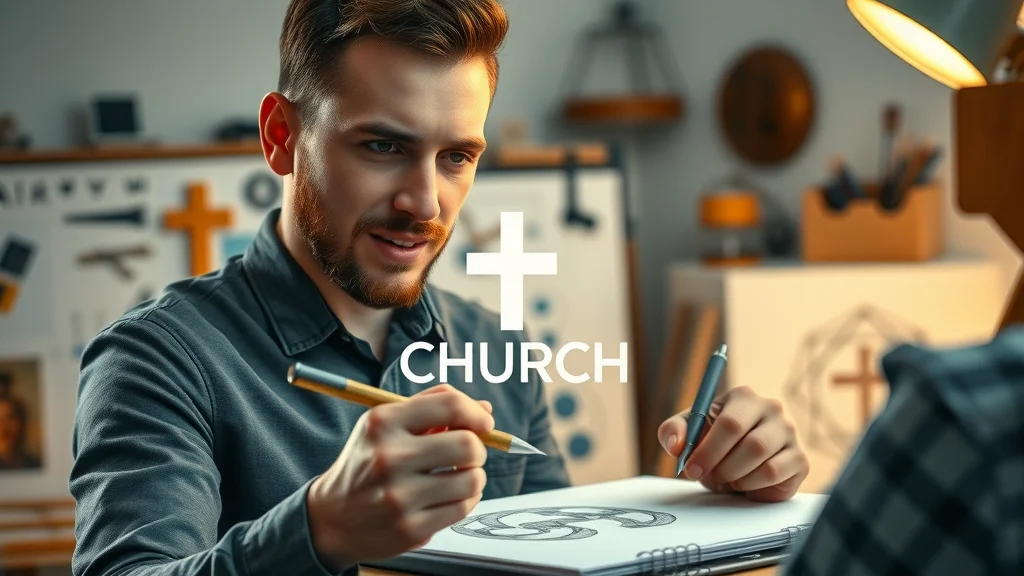
Designer focused on custom church logo design process using sketching and digital tools

Starting a business that specializes in custom church logo design requires more than just graphic skills; it demands cultural empathy and patience. Dan Nichols from Church Logo Design emphasizes, "Combining my graphic design skills with a passion for serving churches allows me to help them communicate their message effectively through custom church logo design."

Success relies on understanding specific church cultures, their distinct communication preferences, and the often consensus-driven decision models that can extend project timelines. It is critical to maintain clear communication and educate church leaders about design benefits and processes.

Building trust and brand awareness often grows through specialized marketing strategies and word-of-mouth referrals within faith communities. Being recognized as a dependable partner for churches can accelerate growth and establish long-term client relationships.

Common Mistakes and Misconceptions in Church Logo Design

  • Overemphasizing tradition at the expense of community relevance
  • Ignoring the diverse demographics within the congregation
  • Underestimating the importance of clear, engaging visual communication
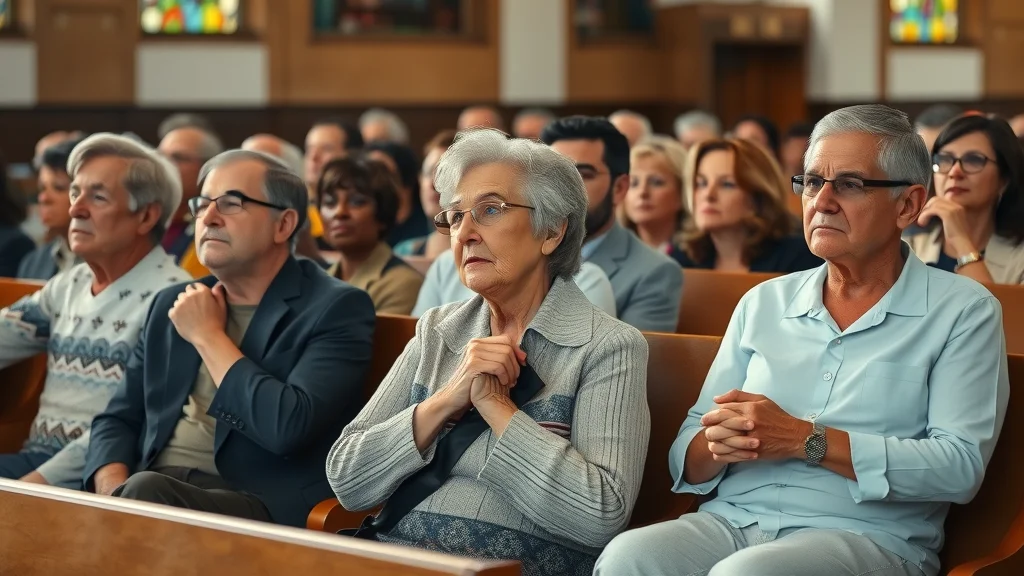
Diverse church congregation reflecting on community values and identity

A frequent mistake in church logo design is focusing too heavily on tradition or historic symbols without considering the current community’s diversity and needs. While honoring history is important, if a logo fails to connect with younger or newer members, it risks alienating parts of the congregation.

Another misconception is that a beautiful logo alone can communicate the church’s message. Clear, engaging visual communication that balances symbolism, color, and typography is essential for impacting audiences both inside and outside the church walls.

Ignoring the wide range of cultural, generational, and social factors within congregations often leads to a logo that speaks only to a segment of the church, limiting its effectiveness as a unifying symbol.

Actionable Tips for Churches Seeking Custom Logo Design

  • Engage the community early to gather input and build consensus
  • Focus on storytelling through design elements
  • Consider professional help to balance creativity and strategy
  • Use social media and online platforms to showcase the new logo

Churches looking to develop or refresh their logos should start by involving the congregation early. Gathering feedback helps create ownership and reduces surprises during approval. This participatory approach also ensures the logo tells the church’s unique story through meaningful symbols and colors.

Balancing DIY creativity with professional design expertise is vital for achieving a polished, strategic logo. Professionals can help translate the church’s mission into compelling visuals while keeping community preferences front and center.

Finally, once the logo is finalized, using social media, websites, and printed materials to showcase the new design maximizes its impact and reinforces the church’s identity in the wider community.

People Also Ask

  • What makes a good church logo? – A logo that reflects community values, is easily recognizable, and communicates the church's mission clearly.
  • How can I create a custom church logo design on a budget? – Start with logo makers or templates and consider professional refinement when possible.
  • Why is community input important in church logo design? – It ensures the logo resonates with the congregation and builds shared ownership.
  • What are the best tools for designing a church logo? – Combination of professional graphic design software and church-specific logo makers or templates.
  • How long does it take to design a church logo? – Time varies, often weeks to months, depending on community involvement and design complexity.

Key Takeaways

  • Custom church logo design must reflect both tradition and community identity.
  • Understanding the unique decision-making process in churches is crucial.
  • Professional design combined with community engagement yields the best results.
  • Marketing and brand awareness are essential for growing a church logo design business.

Conclusion: Elevate Your Church’s Identity with Custom Logo Design

  • A well-crafted custom church logo design strengthens community bonds.
  • Tailored logos help churches communicate their message effectively in today’s digital world.
  • Investing in thoughtful design and marketing can transform your church’s outreach.

As you continue to refine your church’s visual identity, remember that a strong logo is just one piece of a broader outreach strategy. To truly elevate your church’s presence and connect with your community, consider exploring advanced techniques such as strategic link building, which can dramatically boost your online visibility and engagement. Discover actionable link building techniques that can skyrocket your church’s rankings and help your message reach even more people by visiting this expert resource. Taking the next step in your digital strategy can make a lasting impact on your church’s growth and influence.

Looking for help with your Church Logo Design or Brand?

  • Email us at SmartMarketing@dylbo.com for expert assistance.
  • Get personalized advice and professional custom church logo design services.
  • Start building a logo that truly represents your church community today.

Designing a custom church logo that authentically represents your congregation’s identity is crucial. To assist in this endeavor, consider utilizing the Free Church Logo Maker by Namecheap, which offers a variety of customizable templates and design elements tailored specifically for churches. (namecheap.com) Additionally, Church Visuals provides professional branding services, creating unique logos that reflect your church’s mission and engage your community. (churchvisuals.com) By leveraging these resources, you can develop a logo that resonates with your congregation and effectively communicates your church’s values.


News & Offers

26 Views

0 Comments

Write A Comment

*
*
Please complete the captcha to submit your comment.
Related Posts All Posts
03.16.2026

Awake, Arise! Join the Movement to Share the Hope of Jesus Christ

Update Awake, Arise: A Call to Action for ChristiansIn a world where societal challenges abound, the hope of Jesus Christ provides a guiding light for many. As hosted by Christian Concern, the Awake, Arise! events serve as a rallying point for those who believe that faith can inspire change in the community. These gatherings are not merely church activities but vital community movements where Christians come together to uplift each other and share tools for making a positive impact in society.Connecting Christians Across the UKRecently, the Awake, Arise! tour kicked off in Bristol, with forthcoming events scheduled in cities like London, Birmingham, and Newcastle. These events create safe spaces for connection, learning, and inspiration—as one participant shared, "I felt uplifted when I attended the conference because I realised that many others are thinking as I am." Such testimony emphasizes the importance of gathering as a collective, reinforcing the belief that no one is alone in their efforts to embody the teachings of Christ.The Value of Community EngagementBringing together Christians from diverse backgrounds enriches these conferences. Not only does it offer seasoned attendees the chance to reconnect with the latest developments in Christian advocacy—like promoting family values and defending freedom—but it also provides newcomers with the vital context they need to understand the growing urgency of this work. Participants share stories that inspire action, making the message clear: it’s time to protect life by putting faith into action.Empowering Individuals for ChangeThe sentiment echoed by attendees—"I feel empowered to make changes and pray more passionately for Jesus to use me as is His will"—highlights the transformative experience these events offer. They not only convey vital information about ongoing challenges but also motivate people on a personal level, sparking grassroots movements within their own communities. This empowerment is crucial in today's climate, where the voice of faith can often feel overshadowed.Creating Light Amid DarknessAlthough challenges at times seem daunting, the message of hope remains central. As one speaker stated, "The darkness may be great as we fight for life, family, and freedom, but we have the light of Christ." Each conference aims to show practical ways for individuals and churches to rise up locally and engage with broader issues, reminding attendees that even small actions can create significant impacts.Why Attendance MattersWith upcoming events in major UK cities, the Awake, Arise! movement encourages everyone to join in, whether seasoned supporters or newcomers exploring faith. Bringing friends and family increases communal involvement, which ultimately fosters broader change within society. As individuals recognize the urgency of the moment, they are prompted to take tangible steps toward living out their faith. The movement’s growth relies on collective participation, as the community’s strength builds from shared commitment.Conclusion: Step Into the MovementAs Christians, the call to action is clear: engage with your local community through events like Awake, Arise! and allow the hope of Jesus to shine brightly in every aspect of life. Let us transform the discussions on life, family, and freedom into meaningful actions that resonate within our communities. Are you ready to be a part of this growing movement?

03.12.2026

Why Protecting Life Matters: The Fight Against Assisted Suicide in Scotland

Update Understanding the Complexity of Assisted Suicide in Scotland As Scotland prepares for a pivotal vote regarding assisted suicide on March 17, 2026, the implications of this legislation extend beyond its borders. The Assisted Dying for Terminally Ill Adults Bill, championed by Liam McArthur MSP, has sparked intense debate, evidenced by the over 400 amendments submitted to address its perceived flaws. This contentious issue brings forth the gravity of ensuring that vulnerable populations are adequately protected, a sentiment echoed by nearly 200 medical professionals who have voiced their concerns about the insufficiency of safeguards presently in place. The Risk of Vulnerability: Coercion and Pressure Opponents of the bill rightly argue that the introduction of assisted suicide could lead to a troubling environment for vulnerable individuals. Advocates for the bill argue for autonomy in decisions regarding one's life; however, a looming concern is the potential for subtle or overt pressure on those who might feel obligated to end their lives prematurely. The experiences of individuals in other jurisdictions, such as Canada, where a veteran was offered assisted dying instead of a wheelchair ramp, highlight this risk starkly. This begs the question: do we want to create a society where the choice to die could become clouded by societal pressures? Legal Implications: The Burden on Medical Professionals The implications of legalizing assisted suicide stretch into the realm of healthcare. Medical professionals, who are entrusted to provide care and compassion, may find themselves uncomfortable with the idea of assisting in someone's death. Critics argue that this legislation could transform care providers into agents of death rather than guardians of life. This critical shift raises ethical questions about the role of healthcare workers and the trust that patients place in them. Should our healthcare system be about promoting life, or will it become a place where some lives are deemed less worthwhile? The Church's Role: Ethical Stance Against Assisted Dying The Church of Scotland has taken a clear stance against assisted dying, reaffirming its long-held belief in the sanctity of life. During the recent General Assembly, a significant majority voted against a motion acknowledging diverse views on assisted dying, choosing instead to reaffirm opposition to any form of assisted death. The Church emphasizes that every individual, made in the image of God, holds inherent dignity and worth. This theological foundation resonates deeply within the faith community, leading many to advocate fiercely for protecting vulnerable populations rather than considering assisted dying as a solution to suffering. Future Predictions: Is There Hope? While the current political landscape in Scotland appears poised for a vote leaning towards legalization, the change in public sentiment can occur through informed debates and community engagement. Advocacy groups and healthcare professionals advocating for palliative care could play a pivotal role in nurturing a culture of hope and assistance for those in distress, emphasizing the need for improved end-of-life care rather than options for assisted death. There is great potential in refocusing the conversation around providing support and affirming life rather than facilitating death. Taking Action: The Power of Advocacy To influence the future of assisted dying legislation, it is crucial for concerned citizens to communicate their views to Members of the Scottish Parliament (MSPs). By writing letters urging MSPs to consider the broader implications of this bill, individuals can advocate for the protection of vulnerable populations and reinforce the ethos that every life is valuable. Engaging in this dialogue is not merely a local issue; it bears implications that can affect the entire UK landscape. Every voice matters, and effective advocacy can lead to real change, keeping hope alive through compassion and care. This matter resonates with the values of protecting life, promoting family, and defending freedom. With drive and attention, supporters of life can remind the public discourse of the importance of every individual’s value, rooting their arguments in empathy and compassion. In a world that often grapples with such difficult issues, let us remember the hope of Jesus Christ, which prompts us to care for one another, especially the most vulnerable among us.

03.06.2026

Street Evangelism Legal FAQs: What You Need to Know Before You Preach

Did you know that nearly 60% of street preachers face legal challenges due to unclear regulations? Understanding street evangelism legal FAQs can protect your right to share your message confidently, ensuring your voice is heard without unintended legal trouble. Whether you are new to street preaching or seeking a legal refresher, this article will equip you with essential knowledge so you can proclaim the gospel boldly and lawfully.Understanding Your Rights: An Overview of Street Evangelism Legal FAQsDefinition of street evangelism and its legal context in England and WalesClarification on preaching rights in public spacesDistinction between public and private land for evangelism purposesStreet evangelism in England and Wales involves sharing the message of the gospel in public places such as streets and parks. According to Steve Harris of OAC Ministries, “We have great freedom to preach on the streets. The police aren't out to get us. ” This legal freedom means you can usually preach without needing permission, provided you are on genuinely public land. However, it’s important to know where and how the law applies to ensure your ministry is both effective and protected.Not all areas that look public are legally so. For instance, shopping centres and their surrounding walkways may be privately owned land, making them subject to different rules. Public parks might have bylaws which prohibit preaching, often clearly posted at entrances. When you're planning your outreach, verifying whether a site is public or private is a crucial step to avoid misunderstandings or legal complications.Understanding these basics empowers you to exercise your rights wisely and respectfully, helping you focus more on your message and less on legal worries.“We have great freedom to preach on the streets. The police aren't out to get us.” – Steve Harris, OAC MinistriesCommon Legal Concerns Addressed in Street Evangelism Legal FAQsDo you need permission to preach on public streets?What happens if someone is offended by the message?How do criminal and civil laws apply to street preaching?Are there restrictions on distributing religious literature?Permission and Public vs Private SpacesNo permission required on genuine public streetsCaution around privately owned shopping centres and parks with bylawsAdvice on verifying the status of preaching locationsWhen it comes to permission, the law is clear you do not need permission to preach on a genuine public street. Steve Harris explains, “You can simply proclaim the gospel on public streets and squares. But watch out for areas that appear public but are privately owned. ” Privately owned shopping centres or certain park areas may require consent before preaching. Always look for posted bylaws or signs at parks, and if in doubt, do a quick check with local authorities or the council.Knowing the difference between public and private land will help you avoid unwelcome confrontations. For example, private landowners can ask you to leave, which is within their rights. By contrast, public places allow for free expression, as long as you respect other laws like obstruction or disorderly conduct. Preparing ahead prevents interruptions and keeps your ministry running smoothly.For those interested in the deeper spiritual motivations behind public preaching, exploring how believers can embrace their calling as agents of repentance offers valuable perspective. You can find practical insights on this topic in the article embracing our role as God’s agents of repentance, which discusses the heart and purpose behind sharing the gospel in public spaces.Handling Offense and Public Reaction“It's the gospel that's offensive, not us. We should aim to win people to Christ, not to be offensive ourselves.” – Steve Harris, OAC MinistriesLegal protection against being stopped for offending listenersRecommended approaches to hostile or provocative responsesBalancing boldness with Christ-like sensitivityIt’s common to wonder whether offending someone with your message could get you into legal trouble. Legally, you cannot be stopped simply because your preaching offends or upsets someone. The Human Rights Act 1998 protects freedom of speech, including religious expression, even if it challenges or disturbs listeners.However, Steve Harris advises caution: “The gospel can be offensive because it highlights the need for God. But as preachers, we must not be offensive ourselves. The goal is to win people to Christ with love and respect. ” If you encounter hostility, consider modifying your approach or offering a private conversation instead of escalating tensions. This balance between boldness and kindness shows your message truly cares and invites dialogue rather than conflict.By handling offensive reactions wisely, you maintain your credibility and create greater opportunities for meaningful conversations about faith.Criminal Law and Street Evangelism Legal FAQs: Key Case InsightsSummary of Redmond v Director of Public Prosecutions (1999)Criteria for assessing breach of peace and threatsDistinguishing threats from preachers versus crowd reactions“If the threat of disorder comes from passers-by, it is they who should be asked to desist, not the preacher.” – Steve Harris, OAC MinistriesThe landmark case Redmond v Director of Public Prosecutions (1999) is essential for understanding the criminal law around street evangelism. In this case, a preacher refused police instructions to stop when the officers feared a breach of the peace. The court ruled that if disorder or violence is likely, the cause of that threat matters. If the crowd reacting to the preacher is the problem, then they—not the preacher—should be asked to stop or be arrested.Steve Harris summarises, “The law recognises that street preaching is lawful conduct. If disorder arises, it usually stems from listeners' reactions, not from the preacher. So you are protected as long as you do not incite violence or break the peace yourself. ” This ruling reassures street evangelists that their lawful expression is recognised, even amid potentially difficult public reactions.Understanding this case helps you remain confident that the law supports your right to preach, shifting responsibility to those who disrupt peace rather than those sharing lawful messages.Civil Law Considerations: Obstruction and Public PreachingUnderstanding obstruction under the Highways Act 1980, section 137Factors influencing obstruction: duration, position, purpose, and actual vs potential obstructionPractical tips for setting up preaching spots to avoid obstructionPractical Advice to Avoid ObstructionUse existing street furniture to minimize obstructionChoose wide, open areas for preachingMonitor crowd size and movement to prevent blocking passagewaysThe civil law primarily concerns avoiding obstruction under the Highways Act 1980, section 137, which states that willfully obstructing the free passage along a highway is an offence. Obstruction isn’t simply about presence, but about whether you are preventing others from moving freely and for how long.Steve Harris shares a practical example where a preacher caused an actual obstruction due to a large crowd blocking a path for a prolonged period. This brings attention to four key considerations: the duration of your preaching, the physical location, the lawful purpose of your gathering, and whether the obstruction is actual or just potential.To avoid obstruction, use existing street furniture such as lampposts or benches for your materials, and pick spacious areas where pedestrians can easily pass. Also, stay attentive to crowd size and flow. This shows respect for public space and keeps your outreach legally safe and inviting for others.Distributing Religious Literature: What the Law SaysOverview of the Clean Neighbourhoods and Environment Act 2005Exemption for religious literature distributionAdvice on handling challenges and requesting official clarificationsThe Clean Neighbourhoods and Environment Act 2005 brought new attention to the distribution of printed materials in public places. However, section 1(4)(b) specifically exempts the distribution of literature for religious purposes from requiring permission from local authorities. This means you can hand out gospel leaflets legally without seeking consent.Despite this legal protection, some Christians have faced challenges or misunderstandings when handing out literature. In such cases, it is advisable to calmly request a written explanation about any restrictions imposed. As Steve Harris suggests, obtaining official clarification helps prevent future issues and educates authorities, supporting the whole community of street evangelists.Understanding these legal nuances ensures your outreach remains within lawful bounds and that you can confidently share printed materials that support your message.Interacting with Police During Street EvangelismEncouragement to remain calm, respectful, and cooperativeHow to inquire about concerns and seek solutionsImportance of understanding and explaining legal rights politely“If you are kind and courteous to the police, they will respond better than if you confront them.” – Steve Harris, OAC MinistriesWhile Steve Harris assures us that police are generally not out to stop street evangelists, interaction with officers may happen as they seek to maintain public order. The best approach is to remain calm, respectful, and cooperative. If asked to stop, don’t argue but politely ask why and whether the issue can be resolved while you continue preaching.You can explain your understanding of the law and inquire if alternative locations would be more suitable. Building good rapport with police not only reduces tension but can open opportunities for positive dialogue and mutual respect. Maintaining a courteous attitude encourages better responses and helps the police support lawful evangelism rather than hinder it.What You'll Learn: Key Takeaways from Street Evangelism Legal FAQsTopicKey PointLegal ReferenceRight to PreachNo permission needed on public streetsCommon LawOffenseCannot be stopped for offending listenersHuman Rights Act 1998Criminal LawThreats from crowd, not preacher, matterRedmond v DPP (1999)ObstructionMust not willfully block passageHighways Act 1980 s137Literature DistributionExempt if religious purposeClean Neighbourhoods and Environment Act 2005Frequently Asked Questions About Street Evangelism Legal FAQsCan I be arrested for preaching on the street?What should I do if someone complains about my message?Is it legal to hand out gospel leaflets without permission?How do I handle police requests to stop preaching?What areas should I avoid for street evangelism?Conclusion: Empowering Your Street Evangelism with Legal KnowledgeRecap of the freedoms and responsibilities in street evangelismEncouragement to preach boldly yet respectfullyReminder to verify location status and avoid obstructionFinal expert advice to engage positively with authorities“Preach and declare the gospel so that those who may never hear it otherwise will have the chance to respond.” – Steve Harris, OAC MinistriesFurther Resources and Next StepsLinks to detailed legal guides and evangelical alliance resourcesInformation on The Street Preacher’s CharterContact details for OAC Ministries for support and advicePeople Also Ask: Common Queries on Street Evangelism Legal FAQsWhat are my legal rights when preaching on the street?Can I be stopped for offending someone with my message?Do I need permission to distribute religious literature?How should I respond if the police ask me to stop?What constitutes obstruction during street evangelism?Call to ActionTo learn more about The Street Preacher’s Charter, visit https://the.ci/streetpreachersEquip yourself with knowledge and confidence to share your message legally and effectivelyIf you’re inspired to deepen your understanding of the spiritual foundation behind public ministry, consider reading about how we can actively participate as God’s agents of repentance. This broader perspective not only enriches your legal awareness but also strengthens your sense of purpose and calling. Discover more about embracing your role in God’s redemptive work at Understanding God's Agents of Repentance in Teaching and take your street evangelism to a new level of impact and insight.Understanding the legal aspects of street evangelism is crucial for effectively sharing your faith while respecting the law. The article “Know Your Rights: Sharing Your Faith and Witnessing Are Protected From Government Intrusion by the U. S. Constitution” from the American Center for Law and Justice provides a comprehensive overview of the constitutional protections for public religious expression, emphasizing that activities like distributing religious literature and engaging in conversations about faith are safeguarded under the First Amendment. (aclj. org) Additionally, the “Public Evangelism Q&A” by the Pacific Justice Institute addresses common questions related to free speech rights in the context of open-air preaching and evangelism, offering practical advice on navigating legal challenges and understanding your rights in various public settings. (pacificjustice. org) If you’re serious about conducting street evangelism within legal boundaries, these resources will equip you with the necessary knowledge to do so confidently.By Ken Johnstone MBA BSc - Executive Editor, Biblical Living Unlocked

Terms of Service

Privacy Policy

Core Modal Title

Sorry, no results found

You Might Find These Articles Interesting

T
Please Check Your Email
We Will Be Following Up Shortly
*
*
*