


Did you know that over 60% of faith-based organisations face unique architectural challenges that traditional design firms often overlook? Understanding these church design challenges is crucial for creating spaces that truly inspire and serve their communities effectively. This comprehensive article delves into those distinctive hurdles, offering insights from experts who specialise in church building projects, and outlines practical approaches for faith communities to navigate the complexities of design and construction.
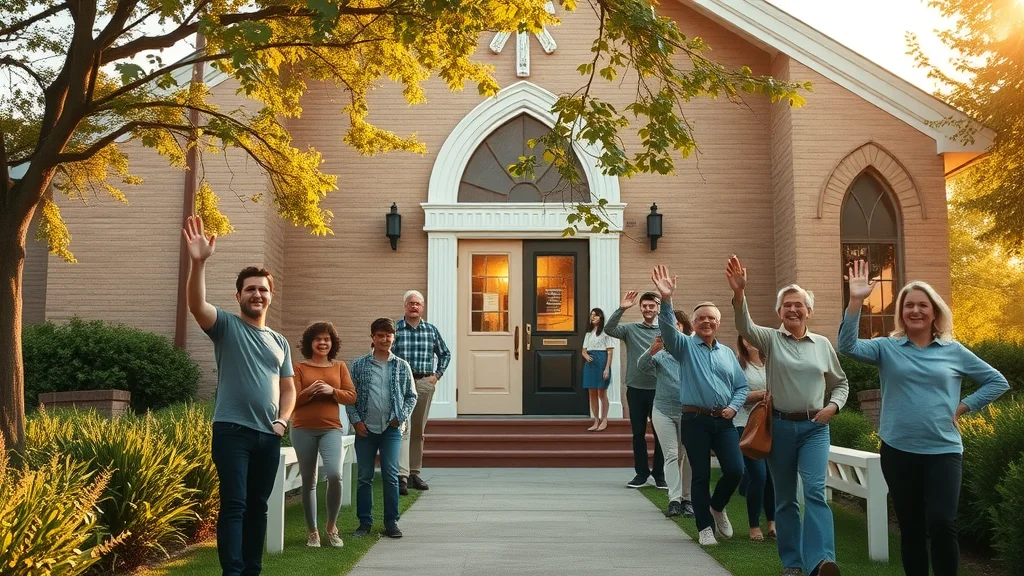
Overview of Church Design Challenges in Faith-Based Organisations
Designing and constructing buildings for churches or faith-based organisations is distinctly different from commercial or secular projects. Unlike a typical building project, where a small team often makes swift decisions, church design involves many stakeholders, each with a voice in the process. Dan, a church design expert, explains, "Churches often face a slower decision-making process because many members want to have a say, unlike commercial projects where decisions are made quickly by a few." This difference in decision flow impacts timelines and project management significantly.
Additionally, churches tend to have layers of tradition and community values that need honouring through design, which may include preserving historical elements or integrating sacred spaces that resonate with their congregation’s identity. This adds complexity to balancing modernity with established customs and expectations.
Key Differences Between Church Building Projects and Commercial Construction Projects
Churches are not just buildings; they are homes for faith communities marked by diverse cultural, spiritual, and social needs. Unlike commercial projects driven by efficiency and profitability, church building projects must navigate communal input across numerous members. Many decisions require broader consultations or even votes, slowing the process but ensuring collective ownership.
Furthermore, churches often have limited budgets reliant on donations, making financial management a persistent challenge in their building projects. Design teams must optimize resources while fulfilling symbolic and functional needs, from flexible ministry spaces to places of worship that inspire awe and serenity.
When it comes to managing the practical aspects of church construction, such as permissions and regulatory compliance, faith-based organisations can encounter additional hurdles. For a closer look at how to streamline planning permission management and avoid common pitfalls during your building project, explore these proven strategies for overcoming planning permission hassles.
Common Church Design Challenges and Their Impact on Building Projects
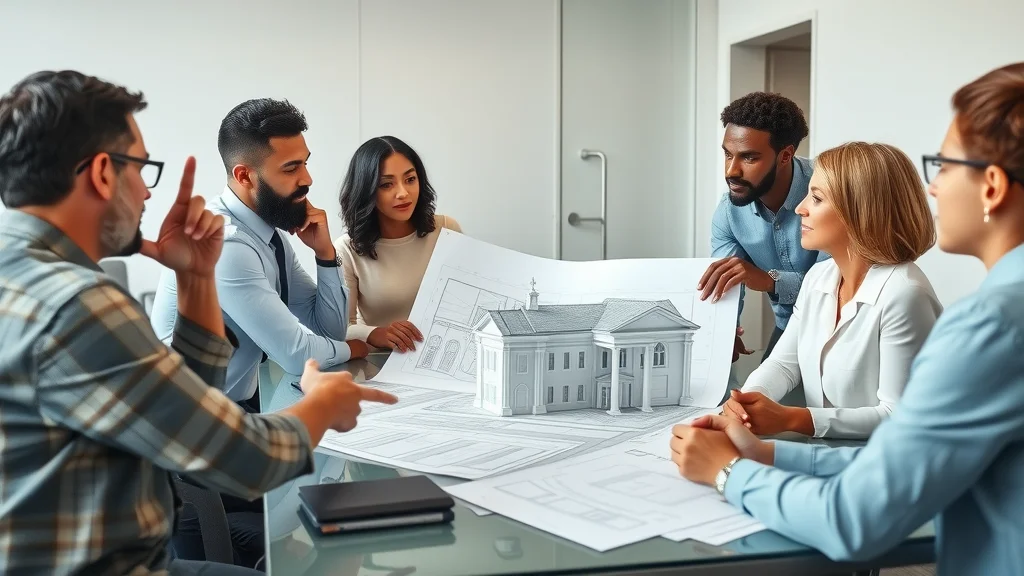
Balancing Tradition and Modernity in Church Building
One of the most significant church design challenges is harmonizing respect for historical tradition with contemporary aesthetics and functionality. Many churches want to maintain classic elements such as steeples, stained glass, and stonework to honor their heritage. Yet, they also seek modern designs that appeal to younger congregants and support new ways of worship and community engagement.
This balancing act requires a sensitive design approach, where history informs innovation. Successful projects integrate features like flexible seating and multimedia worship capabilities without compromising the sacred atmosphere that tradition instills.
Adapting to Diverse Congregations and Community Needs
Churches serve dynamic and varied communities, from rural farming towns to urban centers with vibrant young professional populations. Each context demands tailored design. Rural churches might emphasise communal gathering spaces reflecting their close-knit nature, whereas urban churches might prioritize multipurpose areas that support outreach, events, and technology use.
Recognizing these diverse needs, designs must prioritize inclusivity and accessibility, ensuring the space resonates with and welcomes all demographic groups. Dan Nichols of Church Graphic Design notes, "It’s crucial to understand the unique story and identity of each church to design a space that truly reflects and serves its people."
Incorporating Technology in Church Construction Projects
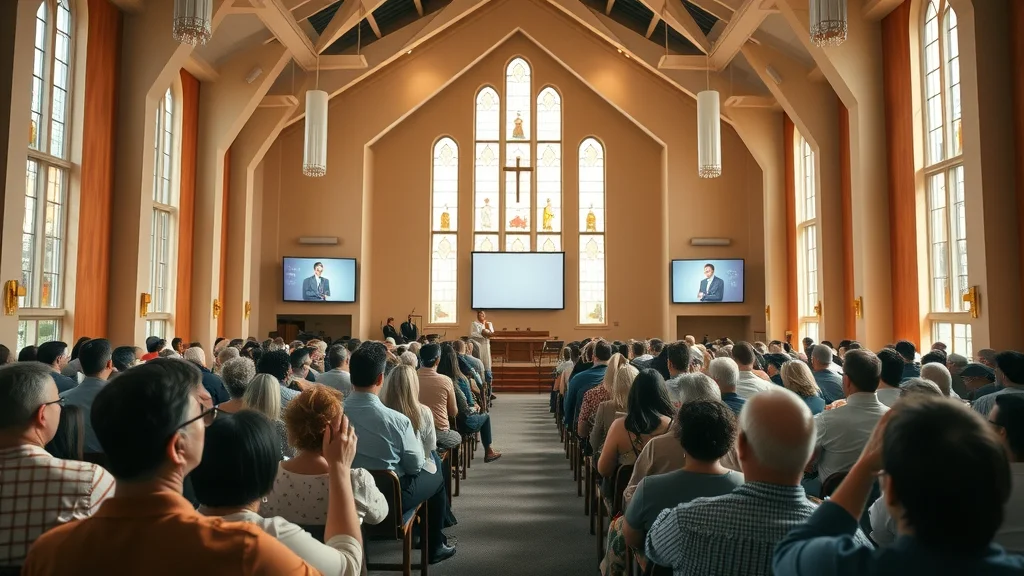
Another evolving aspect is integrating technology into church buildings. Advances such as high-definition projection screens, sound systems, WiFi connectivity, and live streaming capabilities have become standard to connect congregations both onsite and digitally. Incorporating these systems at the design phase ensures seamless integration without detracting from the building's spiritual ambiance.
Technology considerations must also align with budgetary constraints and the congregation’s tech-savviness. Providing training and easy-to-use platforms is imperative to maximize the benefits.
Project Management Challenges Unique to Church Building Projects
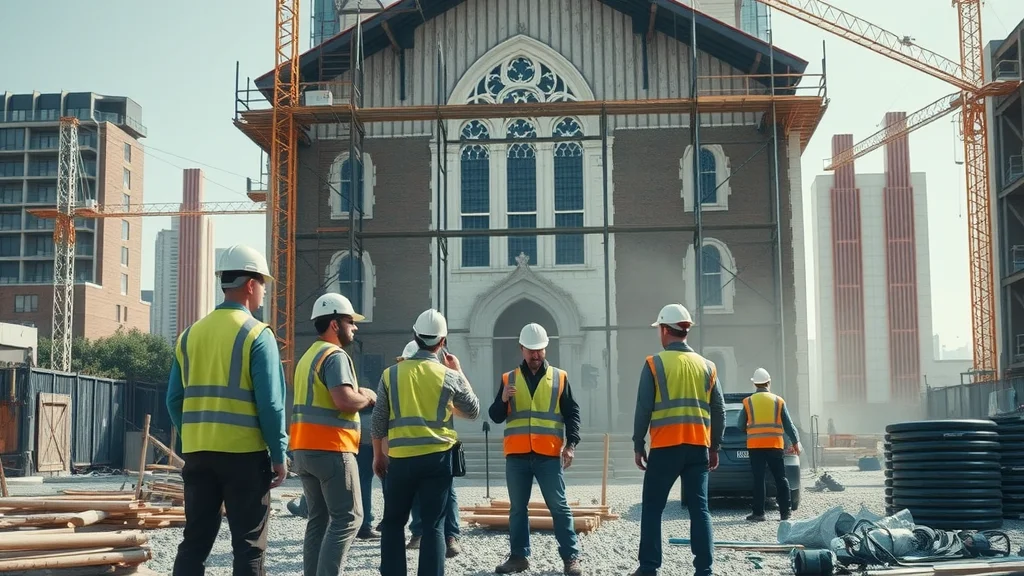
Navigating Congregational Input and Decision-Making
Managing the input of a large, diverse congregation significantly differentiates church projects from commercial ones. Consensus-building often entails longer feedback loops, extensive meetings, and multiple revisions. This can slow down progress but ultimately leads to designs that better reflect the collective vision.
Church leaders and project managers must communicate clearly and transparently, balancing respect for tradition with the realities of project timelines and budgets. Leveraging structured decision-making processes helps keep projects moving forward steadily.
Budgeting and Funding Considerations in Church Construction
Funding constraints are a constant challenge. Many churches depend on donations and fundraising efforts, which can fluctuate seasonally or between campaigns. This necessitates flexible budgeting and phased project approaches. Designs may need to prioritize essential components first, with plans to expand or add features later.
Transparent financial reporting to the congregation helps maintain trust and ensures continued support during extended building projects.
Expert Insights: Effective Strategies to Overcome Church Design Challenges
Ken Johnstone of DYLBO SmartMarketing states, "Understanding the unique story and community of each church is essential to creating a design that resonates and serves its people effectively."
Tailoring Design to Reflect Community Identity and Values

Successful church design starts with deeply understanding the congregation's identity, values, and story. Each church community expresses its faith and mission uniquely, which should be mirrored in its physical space and branding. Incorporating visual elements symbolic to the church’s heritage, cultural background, or mission fosters a stronger emotional connection.
Dan Nichols, founder of Church Graphic Design, emphasises, "Every church's design needs follow its distinct narrative and community context, not just generic commercial templates." This philosophy guides his tailored design approach to both logos and other graphics projects.
Leveraging Technology and Visual Communication for Outreach

Another vital strategy when addressing church design challenges is embracing modern communication channels to engage congregations and communities. Online platforms, social media outreach, and digital signage are increasingly part of church branding and visitor engagement.
Aligning physical spaces with digital presence boosts outreach efforts deeply. Building welcoming digital touchpoints alongside thoughtfully designed sacred spaces ensures churches meet people where they are, both physically and virtually.
What You'll Learn: Key Takeaways on Church Design Challenges
Unique decision-making processes in faith-based organisations significantly impact project timelines.
Balancing tradition with modern design needs requires thoughtful, sensitive planning.
Community-focused branding and communications strengthen church identity and outreach.
Project management complexities in church construction arise from diverse stakeholder involvement and funding limitations.
Effective marketing and outreach strategies include leveraging technology and visual communication.
People Also Ask: Addressing Common Questions on Church Design Challenges
What challenges are the churches currently facing?
Churches face challenges such as slower decision-making due to broad congregational input, balancing heritage with modern needs, funding constraints, and integrating technology for outreach and worship.
What are the church design trends for 2026?
Trends include flexible multipurpose ministry spaces, sustainable building materials, enhanced technology integration for hybrid worship, and designs that emphasise community inclusivity and accessibility.
What are the key considerations of church design?
Considerations include reflecting community identity, honouring tradition, meeting diverse functional needs, budgeting, and ensuring the space fosters worship, fellowship, and outreach effectively.
What are the key challenges to the church?
Key challenges include securing funding, managing inclusive decision-making processes, and updating traditional spaces to meet modern congregational and technological demands.
Conclusion: Embracing Church Design Challenges to Build Stronger Faith Communities
Actionable steps: To navigate these unique challenges, churches should involve the community early, balance tradition with innovation, plan adaptive budgets, and leverage technology to enhance outreach and engagement.
As you continue your journey to create meaningful and functional spaces for your faith community, consider how broader construction strategies can further support your vision. Exploring trusted nationwide construction services can provide valuable insights into best practices, resource optimization, and long-term project success. By learning from industry leaders who deliver reliable builds across the UK, you can elevate your church project and ensure it stands as a lasting beacon for your congregation and community.
Looking for help with your Church Graphic Design or Branding?
If you’re seeking expert assistance to overcome your church graphic design challenges or want to develop a compelling church logo or brand that truly resonates with your community, email us at SmartMarketing@dylbo.com to start your journey today.
Designing spaces for faith-based organisations presents unique challenges that require thoughtful solutions. For instance, the article “How Growing Churches Can Address Facility Limitations” discusses common issues such as insufficient children’s ministry spaces and parking constraints, offering strategies to overcome these hurdles. (bgwservices.com) Additionally, “5 Common Mistakes Church Designers Make (and How to Fix Them Fast)” highlights errors like designing without a clear purpose and inconsistent styles, providing practical advice for more effective church design. (churchcanvas.ai) Exploring these resources can equip faith communities with the knowledge to create functional and inspiring spaces that honor their traditions while meeting modern needs.



Write A Comment