Add Row
Add Element
cropper
update

Biblical Living Unlocked

Logo - Biblical living unlocked
update
Add Element
  • Home
  • Categories
    • Biblical Parenting
    • Parenting Tips
    • Family Fellowship
    • Bible Teaching
    • Apologetics
    • Community Stories
    • Youth Focus
    • International
    • Walton Evangelical Church
    • Salt Church Mar Menor
    • Salt Church Los Montesinos
    • John Piper
Add Element
  • Ken on Facebook
    update
  • update
  • update
  • update
  • update
  • update
  • update
May 23.2025
3 Minutes Read

Yarón Lischinsky: A Visionary Christian Diplomat's Impact and Legacy

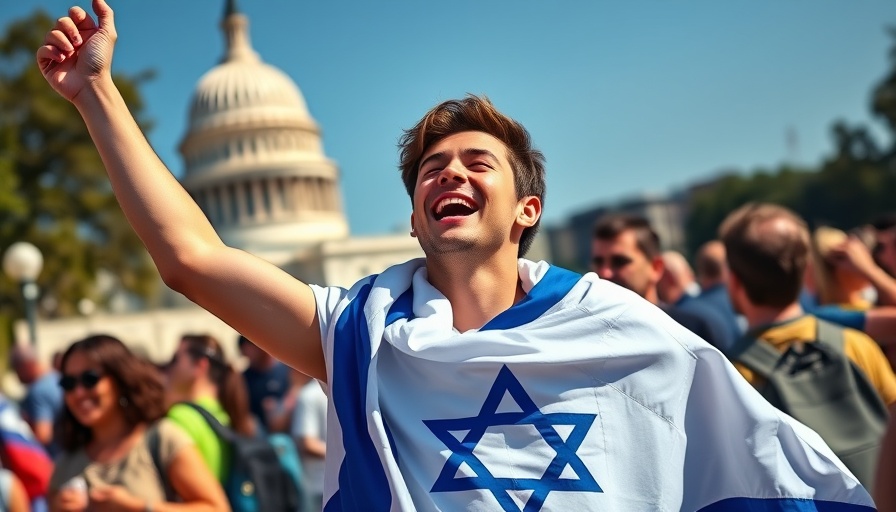
Yarón Lischinsky Israeli diplomat at public event with flag.

The Life and Legacy of Yarón Lischinsky

In a world where acts of violence cloud hope and love, the tragic death of Yarón Lischinsky has resonated deeply within communities that cherish peace and interfaith dialogue. A German-born evangelical Christian, Lischinsky had cultivated a profound love for Israel, embodying the spirit of unity across cultures and faiths. His life, dedicated to Israel’s diplomatic efforts, was an inspiring testament to the potential for harmonious coexistence.

A Love Story Interrupted

Yarón’s commitment to his fiancée and his dream of proposing in the historic city of Jerusalem signifies the personal joys and aspirations tragically cut short by violence. As they navigated their love against the backdrop of an intricately woven tapestry of cultures and beliefs, their story serves as a poignant reminder of the love that often transcends boundaries. Many who knew them paint a picture of a devoted couple who were invested in bridging understanding between diverse communities.

Understanding the Context of Violence

The harsh reality of Yarón’s assassination shines a light on the ongoing violence faced by individuals who advocate for peace and are part of an interfaith dialogue. Acts of violence against diplomats and peace advocates raise critical questions about the state of global conflict and the risks faced by those promoting understanding and cooperation. In recent years, numerous attacks have targeted figures like Lischinsky, underscoring the urgency for global awareness and action in curbing violence fueled by ideology.

Faith and Diplomacy: Special Bonds

Lischinsky’s journey was more than a personal commitment to love and peace; it was intertwined with his faith. He believed in the calling to stand in solidarity with Israel, often emphasizing the importance of Christian support within the region.

As the evangelical community reflects on his legacy, it is vital to consider how faith intersects with diplomacy. Many Christians see involvement in Israel as not merely a political stance but an essential part of their spiritual journey. This perspective not only fosters a supportive international community but also encourages understanding across different faith traditions.

The Broader Impact and Urgency for Dialogue

The tragic death of Yarón and his fiancée urges a re-evaluation of the narrative surrounding peace-building efforts in conflict regions. Readers are encouraged to reflect upon how violence affects not only the immediate victims but also communities globally. Yarón's story exemplifies the need for unity, compassion, and proactive measures to support those working tirelessly to make the world a safer place for everyone.

Conclusion: Taking Action for Change

As we remember Yarón Lischinsky, let his legacy galvanize action. It is up to each of us to foster peace through dialogue and understanding in our respective spheres of influence. Engaging in discussions about interfaith understanding, supporting humanitarian organizations, and promoting peaceful coexistence are vital steps that help honor those like Lischinsky who have paid the ultimate price for their passionate commitments to love and peace.

For all of us, the call to action is clear: engage with your community, seek opportunities for interfaith dialogue, and help to create a world that is more accepting of difference and united in purpose. Let us ensure that the spirit of those we have lost urges us towards a more compassionate and just future.

International

23 Views

0 Comments

Write A Comment

*
*
Related Posts All Posts
11.19.2025

Understanding Mohammed bin Salman’s Visit: Implications for Saudi-US Relations

Update The Significance of Mohammed bin Salman’s Visit Crown Prince Mohammed bin Salman's recent visit to Washington reflects a critical phase in US-Saudi relations, highlighting renewed partnerships and strategic interests that could reshape the geopolitical landscape. The conversations between the Crown Prince and U.S. officials are set to cover a range of vital topics, including advanced weapons sales, nuclear cooperation, and increasingly complex regional tensions, notably with Iran. Understanding US-Saudi Dynamics For decades, the US and Saudi Arabia have enjoyed a strategic partnership built on oil, security, and military cooperation. In recent years, however, this alliance has faced several challenges, from shifting energy policies to regional conflicts, particularly in Syria and Yemen. The discussions in Washington are likely to address these challenges head-on, with both sides agreeing on the necessity of a unified front against transnational threats, especially concerning Iran’s nuclear ambitions and its influence across the Middle East. Implications for Israel and the Abraham Accords One of the most anticipated outcomes of this meeting is the potential solidification of the Abraham Accords. Signed initially by Israel and several Arab states, these agreements aim for normalized relations and broader peace in the region. Bin Salman’s involvement could see Saudi Arabia following suit, introducing a significant shift in the Arab-Israeli dynamics that many observers are closely watching. This could open doors for more collaborative efforts on humanitarian issues, particularly for the persecuted church in the region. Concerns Over Arms and Nuclear Collaboration The subject of advanced weapons sales will undoubtedly be a focal point. As the U.S. explores bolstering Saudi defenses, there is rising concern among various advocacy groups regarding the implications of such militarization. Critics argue that expanding military capabilities could lead to greater instability in the region, prompting wars that displace civilians, including many Christians in affected areas. Understanding these dynamics is essential for those who advocate for social justice and humanitarian relief. Cultural and Theological Context For globally aware Christians, the implications of this visit stretch beyond politics; they delve into the cultural and theological significance of active participation in Middle Eastern affairs. As Christians engage with different faith communities, particularly in interfaith dialogues, it is crucial to promote peace and understanding among diverse groups, which could be advanced through the potential diplomatic relations emerging from this visit. The Future of US-Saudi Relations As we consider the potential outcomes of the Crown Prince's discussions, it’s important to recognize the broader implications for the region's future. Geopolitical analysts predict that the US-Saudi alliance may adapt to shift the focus toward more collaborative approaches to managing security concerns, alleviating humanitarian crises, and supporting religious tolerance in the Middle East. This represents a promising step for mission-minded individuals looking to engage constructively in complex geopolitical conversations. The Path Forward for Advocacy As the meeting unfolds, it is not only policymakers who need to stay informed. Missionaries, social justice advocates, and humanitarian organizations must actively engage with the unfolding narrative. By staying aware of these developments, and advocating for peace and understanding, Christians can play a transformative role in this crucial area of the world. Continued vigilance and support for the persecuted church are essential as global dynamics shift. It’s crucial to navigate these waters with wisdom, compassion, and an eye toward social justice implications.

11.18.2025

How Christians in Syria Navigate Trauma and Community in Uncertainty

Update The Ongoing Struggles of Syrian Christians Post-Assad Syria, a nation long plagued by conflict, is witnessing a slow but vital normalization since the ousting of President Bashar al-Assad. Ten months after his regime fell, how are Christians faring amidst the trauma and tumult? Juliette, a Christian woman from Aleppo provides insight into the gradual changes transpiring in her community, as well as the persistent challenges that remain. Despite witnessing improvements such as scheduled electrical supply for eight hours daily and a revival of local culture, Juliette notes that the cash crisis remains unsolved, leaving many unable to access their own funds adequately. With banks allowing withdrawals of just $20 a week, day-to-day living is a constant struggle for many families. Hope is intertwined with hardship as cultural seminars focusing on Syria's rich Christian heritage bring people together in new ways. The political landscape remains fractured, with unresolved issues persisting between various factions, particularly the Druze in the south and Kurdish groups in the north. Roads are often unsafe, with armed groups causing anxiety among civilians. To gain some semblance of security, many Christians have relocated to cities like Damascus, where there’s a composition of both safety and uncertainty. A Cultural Revival Amidst Chaos Juliette describes a noticeable cultural renaissance in Aleppo. Historical seminars bring locals together, focusing on Christian traditions and heritage. Despite the backdrop of ongoing violence and corruption, these moments of cultural celebration allow communities to express resilience and solidarity. Parallel to this revival, the re-emergence of church-led educational initiatives signals hope for the younger generation. After extensive negotiation, Kurdish authorities permitted Christian schools to operate under a Syrian curriculum, emphasizing a unity amidst diversity that many hope can transcend sectarian divides. Persistent Fears of Sectarian Violence Despite the progress, Juliette reflects on the lingering fear that sectarian conflicts could erupt at any time. A tense situation unfolded in Aleppo when disputes escalated into gunfire between Kurdish forces and the government, forcing residents to stay indoors. Such incidents reflect the divided state of the nation, where the struggle for peace remains tenuous and complicated. Incidents of violence against Christians, including threats and attacks near places of worship, demonstrate that while some areas find temporary safety, the underlying risk of extremist behavior persists. Attention to these threats is critical; local communities must remain vigilant in their efforts to counteract the fear-promoting narrative often perpetuated by those who seek to sow discord. Future Predictions: Hope and Hesitation Across Syria, the future of Christians remains entwined with the performance of the newly-elected leaders. Will they uphold their promises to protect religious minorities? Or will sectarian tensions worsen as factions vie for control? Some Christian leaders cautiously express optimism, citing dialogue with new authority figures who profess to protect their rights. However, the skepticism is equally palpable. The stark drop in the Christian population—from 10% pre-war to about 2.5%—marks a grim reality where many vie for escape to safety in Europe or North America. The delicate balance of interfaith dialogue must continue, as communities wrestle with diluted trust in government assurances. Call to Action: Supporting a Fragile Hope As Juliette so poignantly reminds us, hope persists amid despair. Her story calls upon us, mission-minded individuals and culturally engaged believers, to stand firm in our support for the persecuted church in Syria. Action can come in many forms—prayer, advocacy, and awareness. Only through collective efforts can there be a semblance of justice and healing for the fractured nation. Join hands with those striving for peace and justice in Syria. Embrace the narrative of faith and resilience as we continue to pray for our brothers and sisters enduring ongoing struggles. Join in efforts to support humanitarian aid and religious freedom initiatives.

11.18.2025

Trump's Bold Move to Sell F-35 Jets to Saudi Arabia: What It Means for Peace

Update Trump's Historic Decision to Supply F-35 Jets to Saudi Arabia In a move that could reshape the geopolitical landscape of the Middle East, President Donald Trump announced that the United States will proceed with the sale of advanced F-35 fighter jets to Saudi Arabia. This long-cherished objective of Crown Prince Mohammed bin Salman signifies a deepening alliance between Washington and Riyadh amidst various regional challenges. According to Trump, the arrangement aims not just at bolstering Saudi defense capabilities but also at encouraging the kingdom to establish formal diplomatic ties with Israel, a critical step towards regional normalization following the Abraham Accords. The Strategic Implications of the Jet Sale The sale of these high-tech aeronautics raises significant discussions around the U.S. commitment to maintaining Israel's Qualitative Military Edge (QME). Any arms deal with Arab nations tends to invoke scrutiny regarding its implications for Israel’s security. With potential military technology leaks to adversarial nations like China a recent concern from Pentagon intelligence, the U.S. Congress plays a critical role in deliberating such agreements. They must not only assure compliance with laws safeguarding Israel’s military advantages but also weigh the ramifications of expanded arms sales in the region. Congressional Concerns and Oversight Members of Congress have indicated a cautious approach towards the sale, particularly regarding assurances about safeguarding advanced weaponry from potential adversaries, including commitments Saudi Arabia can make to mitigate technology risks with countries like China. As discussions unfold, Chairman and Ranking Member of the House Foreign Affairs Committee, Rep. Gregory Meeks emphasized the need for thorough review and oversight processes to ensure the U.S. interests and alliances are safeguarded. Stakes of the Abraham Accords The conjunction of this military sale with the ongoing negotiations for Saudi Arabia to join the Abraham Accords exemplifies a significant pivot in U.S. foreign policy in the region. Historically, Saudi Arabia has held back on formalizing ties with Israel due to long-standing issues regarding the Palestinian statehood quest. The U.S. is now attempting to leverage the F-35 deal to accelerate the peace process while ensuring that ties with Israel are fortified. Opposition from Pro-Israel Organizations Notably, pro-Israel advocacy groups have raised alarms about perceived threats this deal poses. Critiques highlight that Saudi Arabia remains hostile towards Israel, continuing to boycott Israeli products and restrict access to its territory for Israeli nationals. These organizations warn that unless there are robust strategies in place to protect Israel's security interests vis-à-vis Saudi Arabia’s hostile precepts, the jet sale could undermine regional stability. The Broader Impact on U.S.-Saudi Relations Trump has dubbed Saudi Arabia a 'great ally' and has pointed to interactions around shared interests, such as the military action against Iran's nuclear sites as evidence of a cooperative relationship. However, the proposed sale and its conditions indicate a balancing act for the U.S. presidency, which must navigate historical grievances, regional hostilities, and emerging alliances to ensure a sustainable future in Middle Eastern diplomacy. What This Means for the Future of Military Sales This potential F-35 sale marks a turning point in military relations and sales, one that could trigger waves of similar agreements between the U.S. and other regional powers. If successful, it may set a precedent where military technology sales become tools for advancing diplomatic relationships within the context of the shifting and often turbulent dynamics of Middle Eastern politics. The implications of these discussions not only reshape the balance of power in the Middle East but also set the stage for future U.S. policy directions in arms sales, regional diplomacy, and alliances. As such, it is vital for communities and individuals concerned with international relations, social justice, and the faith-driven discourse around conflict resolution to remain engaged and informed about these developments. The ramifications of this decision will be felt far and wide.

Terms of Service

Privacy Policy

Core Modal Title

Sorry, no results found

You Might Find These Articles Interesting

T
Please Check Your Email
We Will Be Following Up Shortly
*
*
*