Add Row
Add Element
cropper
update

Biblical Living Unlocked

Logo - Biblical living unlocked
update
Add Element
  • Home
  • Categories
    • Biblical Parenting
    • Parenting Tips
    • Family Fellowship
    • Bible Teaching
    • Apologetics
    • Community Stories
    • Youth Focus
    • International
    • Walton Evangelical Church
    • Salt Church Mar Menor
    • Salt Church Los Montesinos
    • John Piper
    • News & Offers
Add Element
  • Ken on Facebook
    update
  • update
  • update
  • update
  • update
  • update
  • update
May 23.2025
2 Minutes Read

Why Israel Ignored the Houthi Threat: Key Insights for Global Christians

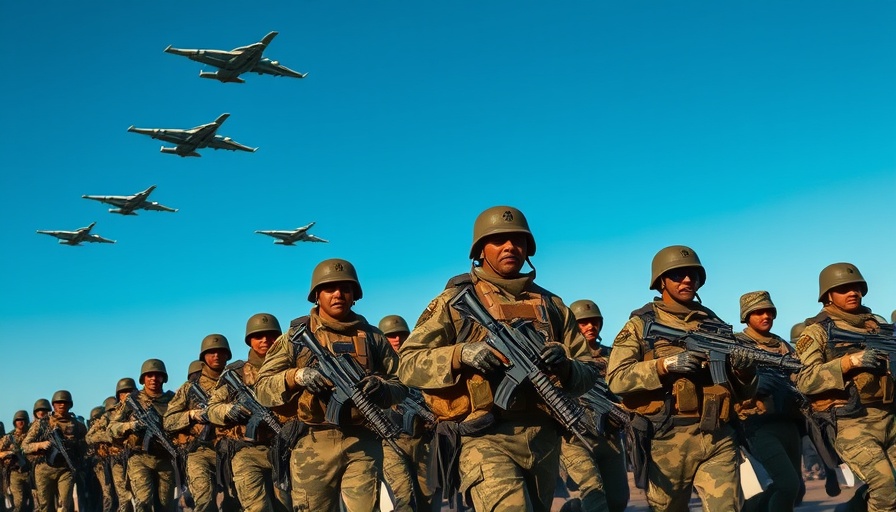
Image depicting armed individuals and military jets, reflecting Houthi threat.

Understanding the Houthi Threat: A Missed Opportunity

In recent months, the global political landscape has seen escalating tensions, particularly in the Middle East. Amidst the chaos, Israel's intelligence failures regarding the Houthi group in Yemen have highlighted a significant security gap. While many within Israel focused on immediate threats such as Hamas and Iran, the Houthis quietly grew in strength, armed with sophisticated missile technology capable of reaching Israeli territory.

Why Yemen Was Seen as a Secondary Front

The ongoing conflict in Yemen has been perceived by many, including Israeli policymakers, as a distant concern—something categorized primarily as a "secondary front." This has proven to be a critical miscalculation. As the Houthis advanced their missile capabilities, warnings that they could pose a danger to Israel were largely ignored. This blindness to the evolving threat stems from a broader strategic oversight in prioritizing regional dynamics.

What the Missed Signals Mean for Israel

Just days before the outbreak of violence on October 7, intelligence agencies reportedly uncovered alarming evidence of heightened Houthi military readiness. The failure to appreciate the implications of this intelligence signals a troubling trend within defense circles, which may affect Israel's future security calculations profoundly. As a historian might point out, ignoring strategic shifts in military capability can have dire consequences.

Engaging with the Broader Context: The Role of Faith and Advocacy

For our audience—culturally engaged, mission-minded Christians—the implications extend beyond geopolitics. The situation in Yemen, exacerbated by humanitarian crises and the plight of religious minorities, draws attention to the moral responsibility of believers globally. Engaging in prayer, advocacy, and humanitarian assistance for those affected by the violence is crucial.

Forging Paths Towards Peaceful Understanding

With increasing tensions among militant groups and nations, fostering dialogue becomes imperative. Initiatives that nurture interfaith connections can lay the groundwork for more profound peace-building efforts. Understanding the Houthis from a humanitarian lens may empower more compassionate responses from the Christian community striving for justice and reconciliation.

Strategic Lessons for the Future

The unfolding events surrounding the Houthi threat serve as a reminder of the need for careful examination of our security assessments. Will Israel adapt its strategy to ensure it does not overlook potential dangers in favor of immediate concerns? The answer lies in acknowledging the interconnectedness of threats that often overlap with humanitarian considerations.

Conclusion: Taking Action in Response

As we reflect upon these developments, we are called to engage more deeply with issues of security, justice, and compassion in our advocacy. The situation in Yemen and its potential impact on Israel underlines a critical need to keep informed and responsive. Encouraging informed discussions within our communities can empower more effective action towards building peace and aiding those in distress.

International

24 Views

0 Comments

Write A Comment

*
*
Related Posts All Posts
01.19.2026

Understanding the Implications of the US-Iran Showdown on Israel and Beyond

Update A Growing Tension: The US, Iran, and Israel The intricate dynamics between the United States, Iran, and Israel are once again at the forefront as the US bolsters its military presence in the region. The deployment of the USS Abraham Lincoln aircraft carrier to the Gulf signifies Washington's readiness to explore both military and diplomatic options concerning Iran. While this move offers operational flexibility, it raises critical concerns for Israel, a nation constantly on alert given its historical tensions with Tehran. The Nuances of Military Options President Trump's reliance on military force, coupled with his diplomatic overtures, ensures that this situation warrants close observation. Though Trump's calls for restraint may intend to maintain alliances, they reveal cracks in Israel's previously lauded air defense systems. Prime Minister Netanyahu's private admonishments to delay military action against Iran, as reported, underscore an urgent need to evaluate Israel's defenses, especially as Iranian missile capabilities evolve. Israel's Defense Dilemmas Recent analyses highlight Israel's successful interceptions of numerous missile threats in the past year, maintaining a semblance of security despite Iran's attempts to bolster its arsenal. However, the Israeli government faces a reality where its advanced technology may not guarantee safety against an increased volume of missiles. The sophisticated Arrow missile defense system, while touted as a strong line of defense, is struggling with procurement issues that impede its rapid replenishment. This concern is magnified by Netanyahu’s actions suggesting unease regarding threats from Iran’s missile arsenal. The Impact of Internal Unrest in Iran The moral and political implications of Iranian internal dissent also weave into this narrative. With protests intensifying against the regime and extensive brutality reported, the Iranian government remains desperate to maintain order, often at the cost of civil liberties. The unrest may appear to provide an opening for potential international intervention; however, as previous military actions have shown, the landscape is fraught with uncertainty. Would a foreign military strike actually empower reform within Iran, or would it invoke vehement resistance from the citizens already so heavily oppressed? Global Christian Perspectives For globally aware Christians, this situation presents a myriad of reflections on faith, morality, and activism. Engaging with interfaith dialogues can foster understanding amidst the geopolitical storm. It's critical for mission-minded individuals to scrutinize how religious communities can provide support for the suffering and advocate for justice in areas afflicted by conflict. Future Implications for US-Iran Relations Looking ahead, the strategic framework for US policy toward Iran must undergo critical examination. The limited military options available paint a stark picture of the vulnerabilities present in the region. If military actions are initiated, the outcomes could reshape alliances and create ripple effects that resonate with Christians around the globe who seek peace and justice. Furthermore, the potential fallout for Israel can redefine the local security paradigm profoundly. Conclusion: A Call for Vigilance In these turbulent times, Christians and humanitarian advocates must stay informed and engaged. This geopolitical crisis is not merely a reflection of state conflict; it carries significant moral weight for individuals of faith seeking to navigate the complex realities of justice and mercy in a world rife with suffering. As discussions for intervention continue, there lies a crucial opportunity for believers to intercede through prayer and advocacy, contributing to a narrative that emphasizes peace and reconciliation.

01.18.2026

Tragic Toll of 5,000 Deaths in Iran Protests: A Call to Awareness

Update Iran Protests: Escalating Violence and a Heavy Death Toll Recent protests in Iran have escalated to a shocking level, with an Iranian official confirming that at least 5,000 people have died during the demonstrations. This staggering figure underscores the severity of the unrest that has engulfed the country, which began late last year due to widespread anger over the collapsing economy. As protests swelled nationwide, calls for governmental change reverberated through cities, leading to brutal crackdowns from the authorities. Understanding the Unrest The protests initially sparked from economic grievances, such as soaring prices and unemployment, but quickly evolved into widespread demands for political reform. Reports indicate that these protests are particularly intense in the Kurdish majority regions of Iran, which have historically faced tension with the government. Activists and various rights groups, including HRANA, have reported that security forces have used lethal force against demonstrators, exacerbating the situation further. The Role of Government Response In a chilling demonstration of force, the Iranian government has shut down the internet to stifle communication among protesters and control the narrative. This blackout has heavily restricted information flow both within Iran and internationally, contributing to a sense of isolation amidst calls for freedom. An anonymous Iranian official accused “foreign hands” in the unrest, specifically naming Israel and other international entities as instigators of the violence, despite ample evidence of civilian protests against their own government. The International Response This brutal suppression has drawn international condemnation, with leaders and rights organizations urging the Iranian government to respect human rights and allow for peaceful assembly. U.N. Secretary-General António Guterres expressed shock at the violence, emphasizing the need for the Iranian authorities to protect the rights of their citizens. Meanwhile, former U.S. President Donald Trump openly criticized Iran, threatening intervention if the government continues its violent crackdowns. Documenting the Loss The humanitarian crisis following these protests is indeed severe, as deaths continue to rise and families mourn their losses in silence. Accounts from human rights groups indicate piles of bodies waiting for identification in morgues—an image that starkly highlights the tragedy unfolding. The Iranian regime's response has been characterized not just by repression of dissent, but also by disregard for the dignity of those lost. Acts of violence against both protestors and bystanders have left an indelible mark on the collective psyche of the nation. Understanding the Broader Implications The conflict isn't just geo-political; it permeates into the very fabric of Iranian society, affecting religious, cultural, and individual rights. As a community invested in justice and human rights, it is crucial for globally aware Christians and social justice advocates to remain engaged with the unfolding situation. This ongoing unrest challenges not only the Iranian government but also the international community's response and responsibility towards humanitarian crises. How Can We Respond? As individuals and organizations committed to supporting human rights, it’s imperative to advocate for those suffering under oppressive regimes. By remaining informed, participating in discussions, and directly supporting organizations working towards human rights advancements, we can contribute positively to global awareness of this crisis. In conclusion, the situation in Iran serves as a potent reminder of the struggles faced by those yearning for freedom and their right to self-expression. As we reflect on these events, let us commit to standing in solidarity with the Iranian people and advocate for their rights amidst the chaos.

01.18.2026

Discover the Hidden Challenges Christians Face Beyond the World Watch List 2026

Update Understanding the Persecution Beyond the Top 50 Every year, the World Watch List by Open Doors highlights the 50 countries where Christians endure the most severe persecution. However, it’s crucial to acknowledge that persecution exists beyond this list, affecting numerous other countries where Christians are also in danger. In 2026, countries ranked from 51 to 60 also show high persecution scores, exemplifying the ongoing struggles faced by believers worldwide. Decoding the World Watch List Rankings The ranking system by Open Doors uses a comprehensive methodology that examines various facets of a Christian's life, including violence, national and church life, and private and family life. A score above 40 signifies serious threats, with 81 countries scoring this high in 2026. This means that believers in these nations, even if not in the top 50, are still subjected to harsh realities as they navigate their faith amid societal pressures and government restrictions. Countries Outside the Most Dangerous List: The Needs of 51-60 Among those outside the coveted top 50 are Malaysia (51), Azerbaijan (52), Tanzania (53), Kenya (54), and several others, each exhibiting unique challenges. For instance, Malaysia reports a troubling increase in church attacks, while Azerbaijan persists with government-imposed restrictions that isolate and monitor Christians. Tanzania's political environment, marked by rising tensions, forces many converts to flee from religious persecution. The Impact of Global Trends on Persecuted Christians While Open Doors sheds light on countries like Syria and Nigeria which occupy the top ranks for extreme persecution, it’s vital to recognize the broader implications of these trends. In recent years, a shared global sentiment of extremism and intolerance has surged, particularly in regions experiencing political instability. This creates a fertile ground for persecution to flourish, with organized crime and state corruption compounding the risks faced by Christians. Spiritual Resilience Amongst Adversity Despite the profound challenges highlighted in the World Watch List, many believers continue to exhibit remarkable resilience and faith. In Malaysia, for example, the recent legal victories in the case of Pastor Raymond Koh offer hope amid the bleak landscape of persecution. This resilience can inspire communities of faith around the world to support their fellow believers during complicated times through prayer and advocacy. Strengthening the Global Church Through Advocacy Believers and advocates can amplify their efforts by praying specifically for those living under daily threats. Since each of these countries possesses its unique cultural and theological contexts, tailored prayer approaches might foster better understanding and connectivity among Christians worldwide. Open Doors emphasizes that prayers can penetrate the barriers of location and politics, providing comfort to those in dire need. How Can You Make a Difference? Awareness is vital. Learning about the experiences of Christians outside the top 50 countries can galvanize action and facilitate international advocacy initiatives. Engaging in advocacy means reaching out to local representatives and raising voices on behalf of those who cannot speak. Meanwhile, supporting organizations that assist persecuted Christians can create tangible change and offer direct aid to communities facing persecution. Conclusion: A Unified Call to Action As the global landscape evolves, it’s imperative for believers everywhere to unite in speaking up for and supporting our brothers and sisters in Christ facing persecution. Whether through prayer, advocacy, or financial support to organizations monitoring and aiding persecuted Christians globally, every action helps break through the silence surrounding these important issues. Our collective efforts can provide strength and encouragement as we work toward a future where all Christians can practice their faith freely and without fear.

Terms of Service

Privacy Policy

Core Modal Title

Sorry, no results found

You Might Find These Articles Interesting

T
Please Check Your Email
We Will Be Following Up Shortly
*
*
*