Add Row
Add Element
cropper
update

Biblical Living Unlocked

Logo - Biblical living unlocked
update
Add Element
  • Home
  • Categories
    • Biblical Parenting
    • Parenting Tips
    • Family Fellowship
    • Bible Teaching
    • Apologetics
    • Community Stories
    • Youth Focus
    • International
    • Walton Evangelical Church
    • Salt Church Mar Menor
    • Salt Church Los Montesinos
    • John Piper
    • News & Offers
Add Element
  • Ken on Facebook
    update
  • update
  • update
  • update
  • update
  • update
  • update
September 13.2025
3 Minutes Read

Why Israel Chose Airstrikes Over Ground Ops: Insights for Compassionate Advocates

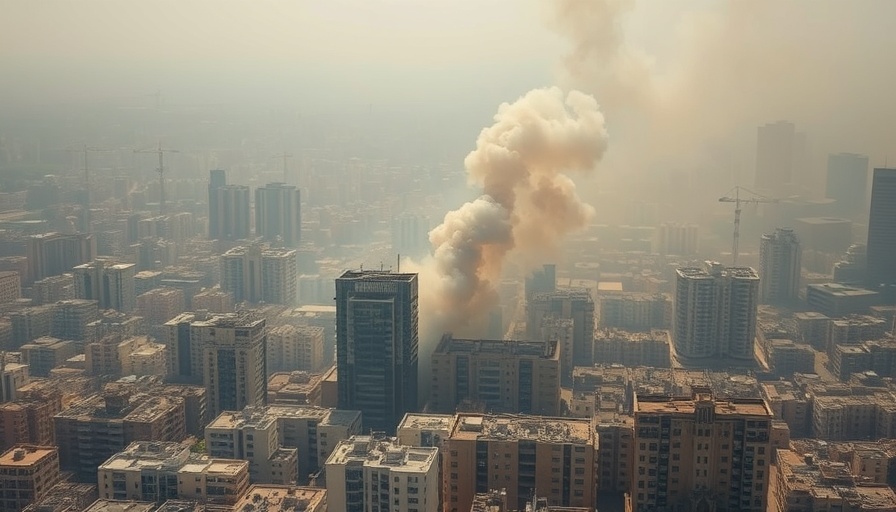
Israel airstrikes decision analysis with city and smoke in view.

The Decision Behind Airstrikes: A Complex Web of Influence

Recently, tensions in the Middle East surged as reports surfaced that Israel opted for airstrikes after Mossad declined to execute a ground operation intended to target Hamas leaders in Qatar. This pivotal choice has raised eyebrows and sparked discussions about the implications of leadership decisions in conflict scenarios. With Netanyahu's government under pressure to demonstrate strength, understanding the operational context in which these choices are made becomes essential.

Historical Context: The Long-Standing Conflict

The dynamics between Israel and Hamas have a storied history steeped in conflict, negotiations, and disputes over territory. Founded during the First Intifada in 1987, Hamas positions itself not only as a political entity but as a resistance movement against Israeli occupation. As Christians engaged in international humanitarian issues, it becomes crucial to grasp how interfaith relationships and the ongoing geopolitical struggles affect humanitarian efforts on the ground.

The Role of Intelligence: Mossad's Decision Making

Mossad, Israel's national intelligence agency, is often credited with high-stakes actions that have altered the trajectory of conflicts in the region. Their refusal to carry out the ground operation against Hamas leaders raises the question of intelligence effectiveness and judgment. Was the hesitance a call for caution, or did it reflect a miscalculation in assessing the risks? These are questions that not only policy makers but also engaged citizens must consider when analyzing international relations.

Witnessing Faith Amidst Conflict: Humanitarian Perspectives

In the midst of such high tensions, the perspectives of Christian communities and humanitarian organizations become increasingly important. Humanitarian aid in conflict zones has faced various obstacles, often influenced by governmental actions. Understanding the implications of airstrikes on innocent civilians, particularly the Christian minorities in Gaza and Israel, is critical for mission-minded individuals who seek to support those in need.

Social Justice Advocacy: A Call for Peace and Dialogue

The complexity of these situations calls for advocacy grounded in peace and reconciliation. A biblical perspective encourages believers to pray for peace in Jerusalem and to engage in discussions about justice and mercy. Although military decisions may seem necessary, they often overshadow the vital need for dialogue and understanding among conflicting religious groups. For Christians involved in social justice, advocating for non-violent solutions remains a priority amid rising tensions.

Future Insights: Navigating Uncertainty and Conflict

As the situation develops, the question arises: how will Israel's choices shape the future of its relations with Hamas? Furthermore, how might this impact Christian communities witnessing the conflict firsthand? Navigating such conflicts requires more than just understanding political dynamics; it calls for reflection on how faith influences conflict resolution and human rights considerations. Believers have an opportunity to contribute positively by promoting peace and understanding.

As the international community continues to observe the developments happening in the region, particularly with the role of governmental decisions impacting humanitarian efforts, now is the time for engaged believers to reflect on the implications of these airstrikes, to consider the spiritual and physical needs of those affected, and to advocate for a future where peace can be achieved through compassionate dialogue.

International

8 Views

0 Comments

Write A Comment

*
*
Related Posts All Posts
02.17.2026

Trump's Warning to Iran: Avoiding the Consequences of No Deal

Update Iran's Concerns: The Stakes of Nuclear NegotiationsAs global tensions linger, the current climate surrounding Iran's nuclear program is reaching critical levels. President Trump recently stressed the importance of diplomatic efforts, stating, "I don’t think they want the consequences of not making a deal." This statement encapsulates the essence of the ongoing negotiations between the United States and Iran, underscoring a pivotal moment for both nations.Historical Context: A Fragile Diplomatic JourneyThe journey to a nuclear deal has been fraught with turmoil. Previous attempts at peace were hindered by military conflicts, notably a summer filled with US strikes on Iranian nuclear sites. The history of mistrust has led to a precarious balancing act as both Tehran and Washington seek to safeguard their interests. Diplomatic channels must be navigated carefully to avoid escalation into further military action.Insights from Recent Talks: A Shifting ParadigmRecent discussions moderated by Oman have led to cautious optimism on Tehran's side, with foreign ministry spokesman Esmaeil Baqaei noting a shift in the U.S. stance towards a more realistic approach. This change could foster an environment conducive to negotiations, but both parties must be willing to compromise. Conditions laid out by Iran include limiting discussions to its nuclear activities, despite U.S. proposals to expand the agenda.The Human Factor: What Does This Mean for the Region?For many in the region, the stakes are not merely political; they encompass human lives and futures. The fear of war looms large, impacting millions who could be caught in the crossfire. With Iranian officials expressing readiness to negotiate under specified terms, the collective hope revolves around easing tensions and moving towards peace.Future Insights: The Need for Peaceful SolutionsLookingAhead, both nations have a unique opportunity to redefine their relations. Diplomatic negotiations may pave a path for more extensive collaboration and peace-building efforts. With Trump indicating indirect involvement in the dialogue, it signals that the U.S. is not only invested in preventing military action but also in fostering a sustainable peace.Conclusion: The Path ForwardAs these discussions unfold, the magnitude of their implications can’t be understated. Achieving a nuclear deal with Iran may not only aid in regional stability but could also promote a broader understanding of shared global responsibilities. The emphasis on diplomacy over military intervention is crucial—not just for Iran, but for a world that stands to benefit from cooperative international relations. As these talks commence, all eyes will be on both parties to see if understanding can triumph over conflict.

02.16.2026

Why the Hamas Standoff Raises Urgent Questions for Global Christians

Update Unpacking the Gaza Standoff: A Crucial Moment for Stability The volatile situation in Gaza is a complex interplay of military strategy, historical tensions, and the urgent need for humanitarian reform. As the Israeli Defense Forces (IDF) gear up to escalate their military pressure on Hamas, the consequences of their actions could shape the future of not only Gaza but the broader region as well. Understanding the Stakes: Why This Matters For globally minded Christians and humanitarian advocates, the events unfolding in Gaza represent more than just a geopolitical struggle. They are a poignant reminder of the biblical truths concerning peace, justice, and care for the marginalized. The significance of the humanitarian crisis in Gaza transcends borders, calling upon individuals and communities to respond. The Necessity for Disarmament: A Complicated Equation Israeli officials have expressed stark conditions for any potential stabilization efforts: they will only support the deployment of foreign forces in Gaza if there is a solid plan for disarming Hamas. This draws parallels to historical instances where peace efforts became entangled in the lack of concrete steps toward disarmament and stabilization. Yet, with no such agreement in sight, the IDF finds itself on the brink of action, reiterating the need to dismantle Hamas's military infrastructure. Past Precedents: Lessons from Historical Conflicts As seen in previous engagements, both parties face significant consequences from extended conflict. The current ceasefire boundary, referred to as the Yellow Line, risks becoming a de facto border as military actions resume. Historical patterns show that temporary arrangements can solidify into lasting divisions—an outcome many fear for Gaza. The situation echoing the aftermath of events in places like Lebanon during the war with Hezbollah underscores the sensitivity and challenges of military operations within densely populated areas. What Future Holds: Predictions and Potential Outcomes Looking ahead, what could stabilization in Gaza truly entail? Without a clear, sustained effort to address not only military threats but also the profound humanitarian crises, any military success will remain temporary. The hard reality involves rebuilding trust across communities and creating opportunities for long-term peace. Hamas's continued control complicates any potential for genuine engagement from the international community or Israel, leading to a projected cycle of violence. Humanitarian Impacts: The Faces Behind the Fight While military strategies play out, the everyday lives of 2.1 million Gazans hang in the balance. Without adequate resources, families face dire shortages of basic needs: food, water, and medical care. For those of us invested in social justice and humanitarian advocacy, the situation invites deeper empathy and an urgent call for action. Engaging with local and international organizations has never been more crucial—supporting aid efforts can alleviate some suffering while advocating for long-term solutions is paramount. Call to Action: What Can You Do? As the IDF prepares to act and the international community weighs its responses, individuals are called to rally for the voiceless. Whether through prayer, advocacy, or support for humanitarian initiatives, every effort counts. The obligation to uphold human dignity and justice lies within each of us. Now is the time to engage, to ensure voices in Gaza are not silenced but amplified.

02.15.2026

Why Israel Struggles Against Hezbollah: Analyzing the Regional Dynamics

Update Understanding the Complex Legacy of Israel's Campaign in LebanonThe Israeli military operations in Lebanon, particularly against Hezbollah, have provoked intense debate about their effectiveness and strategic purpose. Since the conflict escalated, observers have frequently asked: Why didn't Israel finish the job in Lebanon? As Hezbollah continues to rebuild its capabilities, many believe Israel's response may be insufficient and potentially lacking long-term foresight.The Reality on the Ground: Hezbollah's ResilienceDespite Israel's military capabilities and numerous airstrikes targeting Hezbollah assets in southern Lebanon, the group has managed to display remarkable resilience. Analysis indicates that Hezbollah, which touts itself as a regional resistance force backed by Iran, has continued to regroup and bolster its military investment during a period when Israeli operations were deemed relentless.The recent Israeli operations from January 19 to January 25, 2026, indeed highlighted the military's ongoing commitment to combat Hezbollah's influence within Lebanon, allegedly resulting in the death of operatives and strikes on infrastructure. Yet, as reported, the group’s leadership, including Secretary-General Naim Qassem, has reiterated its determination to stand firm against external threats, portraying itself as an integral defender of Iranian sovereignty.The Humanitarian Implications: A Call for CompassionAs military encounters escalate, the humanitarian cost often becomes overshadowed by strategic objectives. Civilians in affected Lebanese areas endure the consequences of ongoing military actions, leading to displacement and suffering. This raises crucial moral questions about the cost of military operations. Globally aware Christians and humanitarian advocates must urge policymakers to consider peaceful negotiations to address underlying grievances rather than resorting to force.Future Predictions and the Wider Impact of Regional ConflictsThe potential for further conflict in the region remains a significant concern. If current tensions between Israel, Iran, and their respective proxies escalate, the fallout could not only destabilize Lebanon but also lead to wider regional confrontations. Understanding the interconnectedness of various factions—including Hezbollah's allegiance to Iran—is vital for predicting future developments in the area.Counterarguments: Strategic Calculations Behind Postponed ActionReviewing Israel's military strategy, some analysts propose that not completing the job against Hezbollah may have been a calculated risk. Engaging militarily against Hezbollah offers immediate territorial security but could invite severe repercussions, including retaliation with increased Iranian involvement. The Israeli government thus faces a delicate balancing act between showing military strength and avoiding a broader conflict that would entail significant costs and risks.Actionable Insights for Compassionate EngagementThe lessons from this situation are profound. Faith-influenced advocacy groups, particularly those focused on social justice and humanitarian concerns, should be proactive in promoting dialogue and understanding among populations affected by these conflicts. By fostering interfaith dialogues and collaborative humanitarian efforts, they can help to address the root causes of tension in the region.The Moral Responsibility of Global CitizensAs believers engaged in a world fraught with complex geopolitical challenges, it is crucial to act with compassion and awareness. Understanding these dynamics not only equips us to advocate more effectively but also fosters a deeper commitment to the well-being of our brothers and sisters enduring hardship in the Middle East.In closing, we must lean into this challenge with empathy and hope, seeking not only to comprehend current tensions but also to envision a future where peace prevails over conflict. This perspective is essential for those wishing to navigate the often murky waters of geopolitics within a framework of faith and moral responsibility.

Terms of Service

Privacy Policy

Core Modal Title

Sorry, no results found

You Might Find These Articles Interesting

T
Please Check Your Email
We Will Be Following Up Shortly
*
*
*