Add Row
Add Element
cropper
update

Biblical Living Unlocked

Logo - Biblical living unlocked
update
Add Element
  • Home
  • Categories
    • Biblical Parenting
    • Parenting Tips
    • Family Fellowship
    • Bible Teaching
    • Apologetics
    • Community Stories
    • Youth Focus
    • International
    • Walton Evangelical Church
    • Salt Church Mar Menor
    • Salt Church Los Montesinos
    • John Piper
    • News & Offers
Add Element
  • Ken on Facebook
    update
  • update
  • update
  • update
  • update
  • update
  • update
April 12.2025
2 Minutes Read

Why Immigration Enforcement in Churches Concerns Christian Families

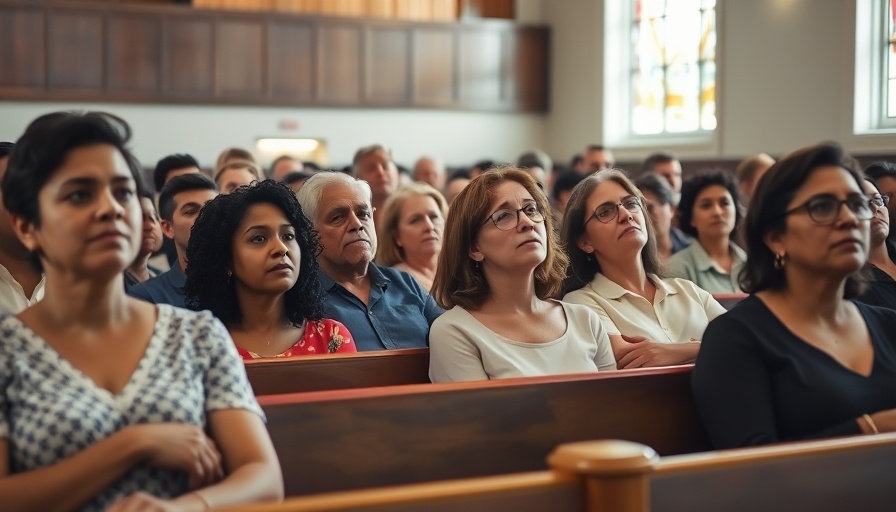
Diverse audience in a church setting, highlighting immigration enforcement discussions.

Understanding Church and Immigration Enforcement

A recent ruling by a federal judge has sparked significant conversations within faith communities regarding immigration enforcement in churches. This decision permits immigration authorities to conduct enforcement actions within places of worship, raising questions about the safety and sanctity of these spaces for vulnerable populations.

Why This Matters to Families

For Christian families, the church has always been a sanctuary, a place where community ties are strengthened and faith is nurtured. As families come together in prayer and worship, concerns about governmental presence in these sacred spaces can create anxiety. This decision challenges the traditional view of church as a refuge and raises questions about how families can offer support to those in fear of deportation.

The Biblical Perspective on Refuge

The Bible provides numerous examples of offering refuge and support to the oppressed. In Matthew 25:35, we are reminded to care for those in need, making it essential for families to reflect on how they can respond to this challenging context. Supporting immigrants and standing together as a community is a call that resonates with many Christians.

Future Implications for Our Communities

The potential for immigration enforcement in churches may reshape how congregations operate. Many may find themselves needing to develop new strategies for supporting their community members, ensuring safety within the church walls, and advocating for those facing unjust treatment. Families can play a vital role in this, engaging in dialogue and taking action within their community to uphold biblical values of love and compassion.

Actionable Insights for Families

How can families respond? First, by fostering open conversations at home about the implications of this ruling and discussing what it means to be a support system for one another. Additionally, consider getting involved with local organizations that provide assistance to immigrants. Together, we can create a supportive community that embodies Christ’s teachings of love and acceptance.

Family Fellowship

18 Views

0 Comments

Write A Comment

*
*
Related Posts All Posts
12.13.2025

Reclaiming Family Time: Turn Toward Each Other, Not Screens

Update Why We Must Reconnect Beyond ScreensIn this digital age, screens have infiltrated every aspect of our lives, especially in education. As Christian families, we find ourselves asking: how do we balance technology and meaningful interpersonal connections? The influx of digital tools in classrooms has distracted students from face-to-face interactions, making it crucial to guide our children towards turning to each other rather than screens.The Dangers of Overexposure to ScreensDuring the pandemic, screen time skyrocketed, with children logging unprecedented hours in front of screens for education and entertainment. Research shows a stark correlation between increased screen time and rising rates of anxiety and depression among youth. Understanding these dangers can empower parents and educators to create a healthier balance of engagement in our children's lives. Mindful Technology Integration in EducationAlthough technology can enhance educational experiences, focusing on purposeful use is essential. As outlined by the SAMR model, integrating screens into learning must elevate student understanding, not detract from it. For instance, using educational videos should be coupled with activities that encourage collaboration and critical thinking, fostering a community-oriented mindset.Bridging the Generational Gap through Family EngagementFamilies play a critical role in shaping screen habits. Having regular family discussions about technology's role in daily life can break down barriers between generations. Parents should encourage kids to share their thoughts on screen use while also promoting traditional values such as time spent together—be it through meals, games, or shared spiritual practices. These moments create stronger family bonds and combat loneliness amidst the rise of digital connections.Setting Healthy Boundaries for Screen TimeTo protect our children, we must establish clear boundaries around screen use. The American Heart Association recommends limiting daily screen time to two hours for children, emphasizing the necessity of breaks. Families should advocate for schools to adopt similar policies, ensuring children spend more time engaged in face-to-face interactions instead of virtual ones.Building a Stronger Community Through Sacrificial LoveDrawing from biblical teachings, our interactions should be defined by sacrificial love. Building relationships with one another is a reflection of Christ’s love for us. That profound connection can sometimes get diluted in the digital realm. Therefore, encouraging children to turn toward each other—whether in school, at home, or within our communities—needs to be an emphasized value.Practical Steps for Families Moving ForwardAs engaged and faith-centered families, consider these actionable steps: create tech-free zones at home to reinforce personal connections, schedule family nights where screen use is intentionally minimized and emphasize spiritual discussions to cultivate deeper conversations. These bonds will help steer families away from the screens, enabling a richer experience in the present moments shared together and further rooting family life in faith.

12.12.2025

The Inspiring Journey of Lü Xiaomin: 2,000 Hymns for Unity in Faith

Update Discovering the Heart of Worship Through Hymns At dawn each day, while the world is still asleep, Lü Xiaomin rises to kneel in prayer, her voice echoing the hope and devotion of countless believers across China. This humble woman, with no formal music training, has touched the hearts of many with her songs, collectively known as Canaan Hymns. These hymns, which number over 2,000, capture the essence of the Christian experience in China and signify a unique blend of cultural identity and faith. The Impact of Hymns in Chinese Christianity Hymns have long been recognized as a vehicle for spiritual expression, but Lü’s compositions hold a distinct place in the heart of China's Christian community. Owing to the grassroots nature of her work, her music resonates with listeners from various backgrounds, whether urban or rural. The simplicity of her melodies, often reminiscent of traditional Chinese tunes, allows congregations to engage deeply with the lyrics, fostering a shared experience of worship. A Journey of Faith and Inspiration Lü was born in 1970 in northern China, into a Hui Muslim family. Significant turning points in her life, including a near adoption and serious health issues, led her to discover Christianity through her aunt. It wasn't long before her faith blossomed into a calling. Her first hymn, birthed during a passionate revival meeting, was a turning point that ignited the Canaan Hymns movement. Hymns as a Reflection of Cultural Identity Many of Lü’s songs express a uniquely Chinese perspective on faith, embodying both personal and communal struggles. In her hymn “Five O’clock in the Morning in China,” she evokes imagery of prayer transcending boundaries, reflecting the unity and resilience of the Chinese Church. Despite some criticism regarding the cultural focus of her lyrics, Lü asserts that her songs are a “channel of confession, intercession, evangelism, and mission,” vital in a country facing tremendous challenges. Modern Adaptations and Future Directions While Lü’s music remains cherished, there is a growing movement among younger Christians to modernize the sound of Canaan Hymns. Collaborations such as those with the Deep Spring Band signal a hopeful future, blending the essence of traditional hymns with contemporary elements to reach the younger generation. As these adaptations circulate through digital platforms, they help bridge gaps, fostering connections among young believers who face loneliness and disconnection. The organic nature of Lü Xiaomin's music symbolizes a broader narrative of faith in China—a story of resilience, growth, and a longing for unity among believers. Her calling to worship is a testament to the power of faith, serving as a reminder of the transnational family of Christians united in spirit and purpose. Encouraging Families Through Faith For families grounded in Christian faith, Lü's hymns can serve as a powerful tool for fostering unity and spiritual growth. Engaging with her music can spark meaningful conversations about faith, resilience, and the importance of collective worship in households around the world. As families gather, singing these hymns can create lasting memories and strengthen their bonds through shared beliefs and practices. Join in the Unity of Worship As we witness the profound impact of Lü Xiaomin and her Canaan Hymns, let us remember the importance of being united as a family of believers. Consider how the powerful words crafted by Lü can encourage your family and community. Share her hymns, discuss their meanings, and allow them to guide your collective worship experience. If you are inspired by her story and the beauty of Canaan Hymns, local congregations and families are encouraged to explore these melodies further, deepening their own spiritual journeys.

12.11.2025

Understanding the Antichrist: What It Means for Families This Christmas

Update Antichrist in Modern Times: What It Signifies for Families This Christmas, as families gather around trees adorned with lights and heartwarming decorations, discussions about the biblical figure of the Antichrist may seem out of place. Yet, the current political and social climate has made this figure a haunting specter, cropping up in unusual places—from the pulpit to the public square. As we reflect on the holiday's true meaning, let us also consider how the concept of the Antichrist has infiltrated modern dialogue and what it means for families anchored in faith. Understanding the Antichrist: A Historical Perspective The idea of the Antichrist has its roots in Christian eschatology, symbolizing the ultimate adversary of goodness and divinity. Historically, various political figures have been labeled as the Antichrist throughout different epochs, often serving as scapegoats during periods of tumult and societal change. From the dictators of the past to the recent surge of comparisons made against figures like Donald Trump, this notion reflects humanity's yearning to make sense of chaos. For Christian families, understanding this historical context provides insight into today’s political rhetoric. The Implications of Antichrist Rhetoric in Families Recent calls for identifying 'the Antichrist' have emerged within American politics, intertwining with cultural debates on governance, technology, and ethical integrity. For family units, this dialogue can lead to division. When parents and children argue over differing interpretations of spiritual and political ideologies, it can strain relationships. Encouraging open conversation grounded in biblical teachings can foster understanding and unity instead of discord. The Role of Tradition and Faith During the Holidays The Christmas season is a time for families to reflect on the birth of Christ, emphasizing hope, love, and unity. In contrast to the disunity often present in political discussions, the message of Christmas presents a powerful antidote. By emphasizing fundamental values such as compassion and understanding, families can navigate these challenging conversations without losing sight of their core beliefs. Practical Tips for Nurturing Family Discussions When navigating difficult topics, here are a few practical steps families can take to ensure constructive dialogues: Focus on Empathy: Encourage family members to listen and understand differing viewpoints without judgment. Seek Common Ground: Emphasize shared beliefs and teachings that unite your family, such as love and forgiveness. Incorporate Scripture: Use biblical passages that promote understanding and peace to guide your conversations. Celebrate the Season: Ground discussions in the joy and hope of Christmas, reinforcing that family unity is rooted in shared faith. Looking Ahead: Hope in Challenging Times While the political landscape may appear daunting, families can find strength in their faith. The concerns surrounding the Antichrist can be reframed not as a source of fear but as a reminder to remain vigilant and anchored in spirituality. Commencing a dialogue about these fears within the family unit can indeed be a springboard for deeper discussions about faith, hope, and resilience. This Christmas, let us embrace the spirit of unity and understanding, reflecting on how each one of us can play a part in fostering love in a world that sometimes emphasizes division. As you gather with loved ones this season, consider how discussions about faith can bring families closer together, regardless of the complex narratives that swirl around society. Call to Action: Encourage your family to start meaningful conversations about faith this Christmas, turning discussions of fear into dialogues of hope. Together, engage with each other in a manner that uplifts and strengthens bonds. Remember, it is through unity and understanding that we reflect the love of Christ, especially during the season that celebrates His birth.

Terms of Service

Privacy Policy

Core Modal Title

Sorry, no results found

You Might Find These Articles Interesting

T
Please Check Your Email
We Will Be Following Up Shortly
*
*
*