 Add Row
  Add
Add 


Did you know many street evangelists face police stops without knowing their rights? Understanding police interaction street evangelism can protect your freedom and ensure respectful dialogue. This guide equips you with essential knowledge to confidently navigate encounters, safeguarding your mission while staying within the law. Whether you're new to street evangelism or have years of experience, knowing your legal footing and how to communicate effectively with authorities is invaluable.
Understanding Your Rights in Police Interaction Street Evangelism
Freedom to preach on public streets without permission
Distinction between public and private land in street evangelism
Legal protections under normal circumstances excluding COVID restrictions
Street evangelism is fundamentally about proclaiming the gospel openly in public settings. In England and Wales, the law grants you the right to preach on public streets without needing prior permission. This means that if you're standing on a public highway or road, you are exercising a lawful activity protected by statute. Steve Harris, of OAC Ministries, emphasises, “We have great freedom to preach on the streets. . . The police aren't out to get us. ” This reassurance highlights that lawful street preaching is respected and police generally support peaceful evangelism.
However, it is important to be aware that not all areas that look like public streets are truly public land. Shopping centres or private developments may appear publicly accessible but are actually privately owned, meaning different rules apply. Similarly, public parks sometimes have bylaws restricting preaching or amplified speech; such regulations are normally clearly displayed at entrances. Understanding whether the land is public or private helps avoid unnecessary conflict with property owners or authorities.
Lastly, note that during extraordinary events such as the COVID-19 pandemic, additional restrictions might restrict outdoor gatherings. This article focuses on standard legal rights during normal times, providing a clear baseline for your rights as a street preacher.

“We have great freedom to preach on the streets... The police aren't out to get us.” – Steve Harris, of OAC Ministries
Common Police Concerns During Street Evangelism and How to Address Them
Obstruction of public passage and its legal implications
Handling accusations of causing offence during preaching
Navigating requests to stop preaching and understanding police motives
The Law on Obstruction and Public Order in Street Evangelism
Aspect |
Legal Consideration |
Practical Advice |
|---|---|---|
Obstruction |
Must not willfully block free passage (Highways Act 1980, s.137) |
Set up near existing street furniture to minimise obstruction |
Breach of Peace |
Threat must be imminent and caused by preacher or crowd |
Assess if hostility is from preacher or bystanders |
Distribution of Literature |
Exempt from consent under Clean Neighbourhoods and Environment Act 2005 for religious materials |
Carry relevant legal references when distributing leaflets |
One of the most common concerns police have regarding street evangelism is whether a preacher or their crowd is causing an obstruction on the highway. The Highways Act 1980, section 137, makes it an offence to willfully obstruct free passage along a public highway. This means if your preaching draws a crowd that blocks the pavement or street to the point people cannot get by, the police may ask you to move or stop. Steve Harris shares a story where a fellow evangelist was politely informed by a policeman that his growing crowd had blocked access to several shops. The evangelist accepted the concern, illustrating the importance of awareness regarding crowd size and location.
Another critical legal test involves considering a possible breach of peace. The 1999 case Redmond v Director of Public Prosecutions clarified that if disorder or violence is threatened, the source of that threat must be identified. Steve Harris explains, “If the threat of disorder or violence was coming from passers by. . . it was they and not the preachers who should be asked to desist. ” This means that even if people get hostile towards a preacher, it is the disruptive crowd, not the preacher exercising lawful conduct, who may be required to move on.
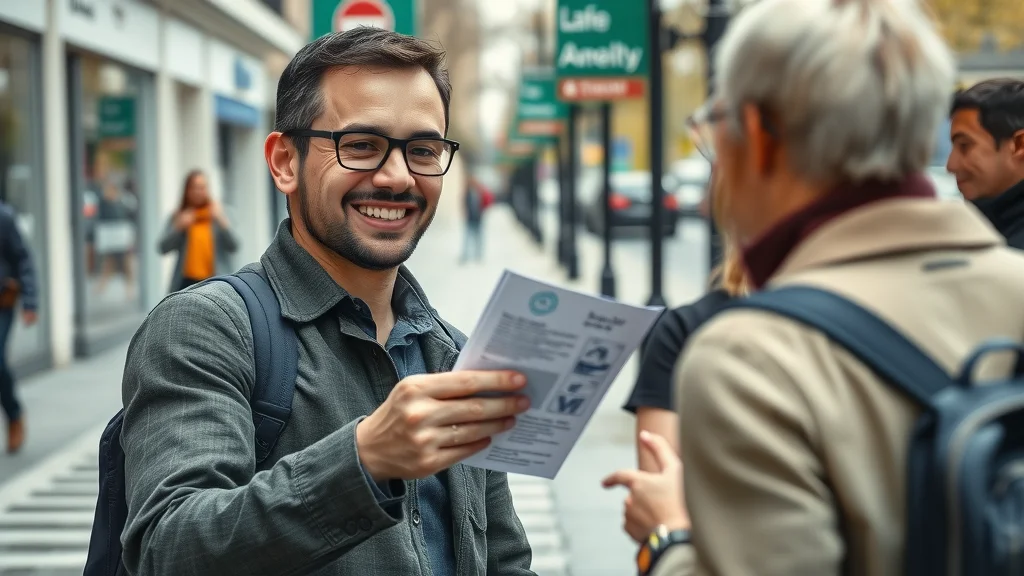
Regarding the distribution of gospel leaflets, many evangelists worry about restrictions. The Clean Neighbourhoods and Environment Act 2005 introduced some regulations about litter and handouts. Nonetheless, section 143 exempts distribution for religious purposes from needing consent of the principal litter authority. Carry documentation or references to this exemption when handing out literature to prevent misunderstandings with local authorities.
“If the threat of disorder or violence was coming from passers by... it was they and not the preachers who should be asked to desist.” – Steve Harris, of OAC Ministries
For those seeking practical ways to strengthen their approach, it can be helpful to explore how to balance boldness with wisdom in real-life scenarios. If you want to deepen your understanding of how to serve as an effective agent of repentance while navigating public spaces, consider reviewing guidance on embracing your role as God’s agent of repentance for actionable insights and encouragement.
Effective Communication Strategies When Engaging with Police
Remain calm and respectful during police interactions
Ask for clear explanations and possible solutions to continue preaching
Request guidance on permissions or alternative locations if necessary
Encounters with police can feel intimidating, but maintaining a calm and respectful attitude often leads to the best outcomes. Police officers’ main responsibility is to maintain public order and safety, not to stop peaceful preaching. If you are approached by an officer, don't argue or become defensive.
Steve Harris advises, “If the police ask you to stop, don't argue but calmly ask why and how to rectify the problem.”
This approach not only clarifies any misunderstandings but also demonstrates your willingness to cooperate within the law. Ask questions such as: Can you explain what the problem is? Is there a way I can continue preaching here lawfully? Are there alternative locations you recommend?
By respectfully discussing these points, you often build rapport with the authorities, who may then support your ministry by directing you to more suitable areas or clarifying local rules you might not know about. Carrying printed resources or legal summaries can also be helpful, showing that you understand your rights and responsibilities.
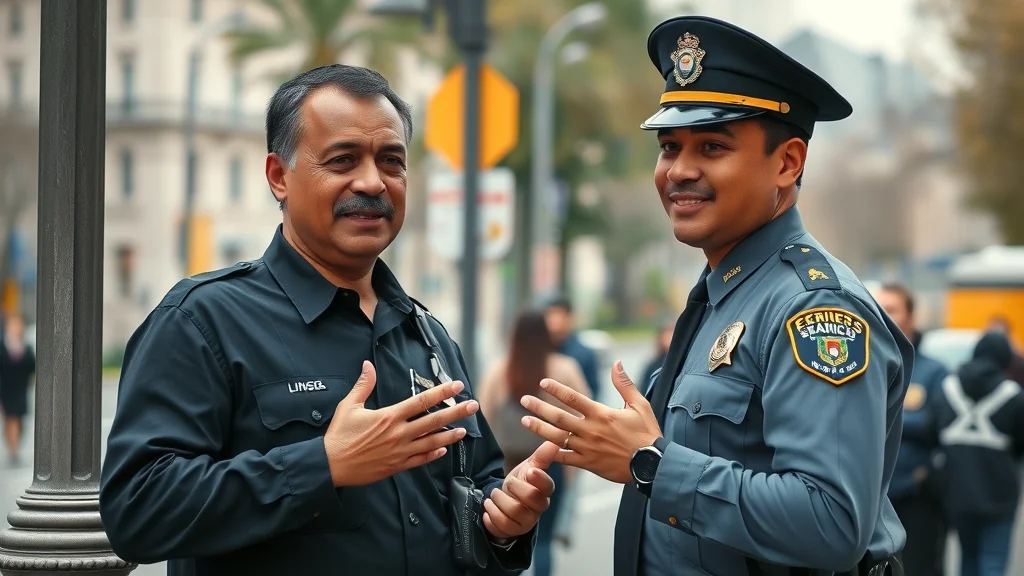
“If the police ask you to stop, don't argue but calmly ask why and how to rectify the problem.” – Steve Harris, of OAC Ministries
Balancing Boldness and Sensitivity in Police Interaction Street Evangelism
Understand that the gospel may offend but personal conduct should not
Consider varying tone or offering private discussions when met with hostility
Evaluate effectiveness of preaching style in different contexts
One question many street preachers ask is: What happens if someone is offended by my message? The answer is that being offended is not a legal reason to stop preaching. The gospel inherently challenges people’s beliefs and lifestyle, which can be uncomfortable. Steve Harris points out, “it’s the gospel that’s offensive, not us. ” The message calls listeners to recognise their need for God, which can provoke resistance. However, preachers are called to present the message with respect and love, avoiding offensive behaviour themselves.
In situations where hostility arises, adjusting your style can be helpful. Sometimes lowering the tone, inviting bystanders to a private conversation, or pausing to prayerfully reflect can be more effective and Christlike. The evangelical alliance’s guidance encourages preachers to discern the best approach for each location and time, showing sensitivity without compromising the gospel's truth.

What You'll Learn
Your legal rights to preach on public streets
How to handle police stops respectfully and effectively
Key legal cases and statutes relevant to street evangelism
Practical tips to avoid obstruction and conflict
How to distribute religious literature lawfully
People Also Ask
Do I need permission to preach on the street?
Can the police stop me if someone is offended?
What should I do if the police say I am causing an obstruction?
Am I allowed to hand out gospel leaflets in public?
How can I respond if the police ask me to stop preaching?
Key Takeaways
You have a lawful right to preach on public streets without prior permission.
Police generally support peaceful preaching and are not seeking to stop evangelists.
Obstruction laws require careful consideration of location and crowd size.
Respectful communication with police fosters better outcomes.
Distributing religious literature is protected under specific legislation.

Conclusion: Empowering Your Street Evangelism Through Knowledge and Respect
Preach boldly but wisely, knowing your rights and responsibilities.
Engage police with courtesy to maintain peaceful interactions.
Use available resources to deepen your understanding of street evangelism law.
“Go and share the good news of Jesus Christ so that those that otherwise may never get a chance to hear it will hear and hopefully respond.” – Steve Harris, of OAC Ministries
Further Resources
Evangelical Alliance’s Guide on Street Evangelism
Relevant legal texts and case law summaries
Call to Action
To learn more about The Street Preacher’s Charter, visit https://the.ci/streetpreachers and empower your street evangelism with knowledge and confidence.
If you’re inspired to take your outreach further, consider exploring the broader spiritual perspective on your calling. Our article on understanding God’s agents of repentance in teaching offers a deeper look at how your public witness fits into God’s larger plan for transformation and renewal. Discover how aligning your street ministry with a heart of repentance can amplify your impact and help you navigate challenges with greater wisdom and grace. Let this next step enrich your journey as you continue to share the gospel boldly and compassionately.
Article written by Steve Harris, OAC Ministries, providing expert insight into police interaction street evangelism and legal rights in England and Wales.
Understanding how to interact with law enforcement during street evangelism is crucial for protecting your rights and ensuring respectful dialogue. The article “How to Interact with the Law Enforcement” offers practical advice on engaging with police officers, emphasizing the importance of respectful communication and understanding legal boundaries. (carm. org) Additionally, the “Free Speech Rights” resource provides valuable insights into the legal protections afforded to street preachers, highlighting the significance of knowing your rights and responsibilities in public spaces. (biblicalevangelism. com) If you’re serious about conducting street evangelism effectively and lawfully, these resources will equip you with the necessary knowledge and strategies.


Write A Comment