Add Row
Add Element
cropper
update

Biblical Living Unlocked

Logo - Biblical living unlocked
update
Add Element
  • Home
  • Categories
    • Biblical Parenting
    • Parenting Tips
    • Family Fellowship
    • Bible Teaching
    • Apologetics
    • Community Stories
    • Youth Focus
    • International
    • Walton Evangelical Church
    • Salt Church Mar Menor
    • Salt Church Los Montesinos
    • John Piper
    • News & Offers
Add Element
  • Ken on Facebook
    update
  • update
  • update
  • update
  • update
  • update
  • update
May 01.2025
3 Minutes Read

Unlock the Secrets: How to Study the Bible Effectively and Cultivate Faith

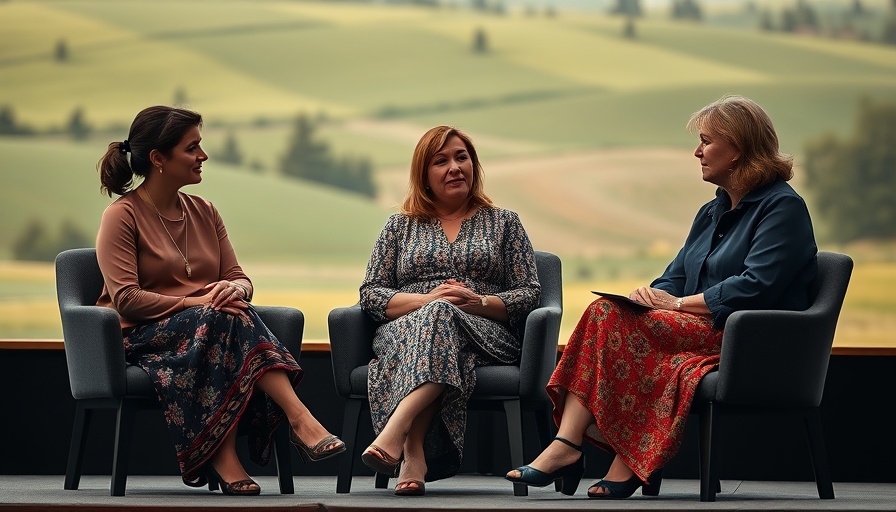
Women discussing 'How to Study the Bible' on stage, panel talk.

Understanding the Essence of Bible Study

The essence of studying the Bible goes beyond mere academic discipline; it's about cultivating a vibrant relationship with God. Drawing from the enlightening discussion in "How to Study the Bible," we gain insights into developing a hunger for God’s word—a longing highlighted in Psalm 119:20, which expresses a deep desire for God’s rules. Approaching the Bible as an encounter with the living God opens up a transformative experience.

In "How to Study the Bible," the panel discussion explores the importance of Bible engagement, highlighting key insights that inspire our deep dive into effective study practices.

Barriers to Engaging with Scripture

One of the key points raised in the panel discussion is the various obstacles that prevent people from engaging with the Bible. Distractions from everyday life often derail our intentions, making it challenging to sit still and dive into the Scriptures. Additionally, misconceptions about the Bible can lead individuals to approach it as a book of mere information versus a source of life. The panelists reminded us that, unlike completing a checklist, our engagement with God's word should foster a deeper understanding of Him and nurture our faith.

The Spiritual Payoff of Bible Reading

Engaging with the Bible is likened to making deposits into a spiritual bank account, equipping us for future challenges. As we read and internalize Scripture, we prepare ourselves to access those truths when faced with life’s storms. The familiar words of Scripture can then provide comfort and guidance, reinforcing the idea that it is not merely about the amount we read but the impact it has over time.

Community's Role in Bible Study

Another vital aspect discussed is the role of community in Bible study. Throughout much of church history, believers have engaged with Scripture together, fostering deeper understanding and encouraging one another. The shared experience of studying God's word in community not only enriches our scriptural insights but also holds us accountable in our journey of faith. Creating opportunities for discussion and fellowship allows for a richer exploration of God's teachings.

Practical Steps to Deepen Your Bible Study

If you're eager to embark on or enhance your Bible study journey, start by identifying a structured plan that works for you—much like the reading plans offered by community resources such as "She Reads Truth." Engaging with smaller biblical passages allows for deeper contemplation, and asking questions like, "What does this reveal about God?" can encourage meaningful reflection. Understanding the historical context and genre of each book can also illuminate Scripture's intended message.

Learning to Trust the Process

The journey of understanding God’s word is not always linear; it is important to embrace the process. If you're feeling disheartened because the Bible doesn’t seem to be speaking to you in the way you hoped, give yourself grace. Just as relationships grow over time, our understanding of God’s word evolves. Each reading, whether momentous or mundane, contributes to our overall spiritual growth.

Engaging with God’s Word Amongst Life's Challenges

Life's challenges can make finding time to engage with Scripture feel overwhelming. The panel discussion highlighted that it's okay not to feel able or ready to fully engage. Who among us hasn't felt spiritually depleted at times? During these periods, leaning on community members who can help guide you back to Scripture is invaluable. Just as friends helped the speakers when they struggled, so can we empower each other in faith.

Be Inspired: Nourishing Your Soul

As you embark on or reassess your Bible study journey, remember that God is waiting for you in His Word. His desire is for you to experience His presence and truth, even in the smallest acts of faith—opening the Bible and inviting Him to speak to you through it.

If you're ready to nourish your soul through Scripture, consider participating in local Bible study groups or engaging with online communities. Together, through accountability and mutual encouragement, you can grow in your understanding of God's Word.

Bible Teaching

18 Views

0 Comments

Write A Comment

*
*
Related Posts All Posts
02.13.2026

How Abraham's Audacious Faith Reveals Our Need for Resurrection Hope

Update Unfolding Abraham's Remarkable Faith In a thought-provoking session from TGCWomen 2022, Jackie Hill Perry dives deep into an awe-inspiring moment in the Bible—Genesis 22. Within this passage lies a remarkable story of Abraham, a figure renowned for his unwavering faith. Abraham's willingness to sacrifice his son Isaac is not merely an act of obedience, but a profound testament to his faith in God’s promises, particularly regarding the resurrection, even before it was a widely understood concept. This challenges us today: how strong is our faith when faced with life’s hardest tests?In 'Abraham Believed in the Resurrection - Jackie Hill Perry,' the discussion dives into the audacity of Abraham’s faith and how it can inspire contemporary believers to deepen their trust in God's promises. The Resurrection Perspective So, what does it mean when we say that Abraham believed in resurrection centuries before Easter? It shows that his faith wasn’t just about trusting God to provide; it was about believing in God's ability to bring life out of death. Jackie highlights how Abraham not only anticipated being reunited with Isaac but also trusted God’s promise of an everlasting covenant. This faith planted the seeds for our understanding of resurrection today. Embracing Audacity in Faith Abraham’s faith was audacious—a term we often reserve for bold actions or decisions. But faith is about believing in what we cannot see, and every believer can draw inspiration from this. Just like Abraham, we are often called to trust without complete understanding. This lesson resonates profoundly for new believers and young Christians who seek to foster a faith that can withstand trials. Reflecting on Ourselves As we reflect on Abraham’s example, we might ask ourselves: How do we display faith in our daily lives? Are we willing to risk comfort and certainty for something greater that God has promised? This inquiry extends beyond personal dimension and touches on family dynamics, too. Parents can model this audacious faith to their children, fostering resilient attitudes that embrace God's promises. The Importance of Community Jackie’s message also underlines the necessity of community in nurturing such faith. As church leaders and teachers, providing spaces for discussions about faith and doubt can help followers grow. Encouraging open dialogues about challenges and God’s assurances can strengthen community bonds and deepen individual convictions. Lessons for Every Stage of Faith For those who may be seekers or are spiritually curious, Abraham’s faith offers compelling insights into a relationship with God that is grounded in trust and hope. It serves as an encouragement that our relationship with God is a journey—a learning process that flows through ups and downs. Whether one is a parent wanting to instill solid values in their children or a young adult navigating faith amidst peer pressures, Abraham’s story can provide guidance and strength. Inspiration from Abraham's Journey Ultimately, the remarkable aspect of Abraham’s experience is that it invites us all into a deeper understanding of faith that transcends time and context. His actions and beliefs laid a cornerstone for the Christian faith, bridging generations and cultures. As you reflect on Abraham's journey, consider integrating these insights into your life—whether in your personal devotional times, family conversations, or community gatherings—each offers powerful potential for nurturing deeper faith and understanding God's incredible promises.

02.12.2026

Understanding the Stories Culture Tells Us: A Faith Perspective

Update How Cultural Narratives Shape Our Lives Everywhere we go, we encounter stories that shape our lives and values. From popular catchphrases like “you do you” to “love is love”, these cultural narratives influence how we think about identity, freedom, happiness, and power. Michael Keller’s insights from the TGC25 talk highlight the importance of understanding these narratives, especially for individuals committed to their faith.In The Stories Culture Tells Us, we delve into how cultural narratives impact our understanding of identity and freedom, prompting us to critically analyze these stories in light of the gospel. Understanding the Core Narratives At the heart of it, these narratives represent larger trends in society. The cultural narrative of identity teaches us about who we are based on our experiences and choices. The narrative of freedom emphasizes personal autonomy, often at the expense of community values. Meanwhile, the narrative of happiness suggests that our joy is derived solely from our circumstances rather than our relationships with God and others. Finally, the narrative of power can lead us to prioritize personal success over serving others, going against the teachings of Christ. The Role of the Church in Cultural Narratives The church has a unique responsibility to navigate these cultural waters. We must engage with these narratives by critiquing them and presenting a gospel-centered truth that speaks to our communities’ real needs. For new believers and young adults, this can be empowering. Understanding these narratives helps build a foundation for faith that is relevant and transformative. Making Sense of Complexity In today’s world, it can feel overwhelming to sift through the many stories we hear. As families and church leaders, how can we effectively communicate the gospel amidst these conflicting narratives? Keller encourages leaders to offer thoughtful critiques of cultural narratives while simultaneously providing hopeful, biblical alternatives. This approach invites both believers and seekers alike to find a deeper understanding of their faith. Bringing Hope Amidst Chaos For parents, discussing cultural narratives with children and youths is essential. By helping them discern what narratives align with biblical truths, we strengthen their faith and encourage them to think critically about the messages they encounter. Such discussions not only bolster their spiritual growth but can also serve as a bonding experience. Inoculating Against Cultural Misunderstandings By understanding these cultural narratives, we equip ourselves and our families to resist philosophies that could lead them away from God. This is especially true for the younger generation, who are constantly bombarded with contrasting messages about identity and fulfillment. Engaging with Scripture as our primary narrative offers a solid foundation in life’s complexities. Conclusion: Building Together for Tomorrow As we reflect on the insights shared in The Stories Culture Tells Us, it reminds us of our own role in shaping these narratives through our beliefs and actions. If we commit ourselves to understanding and critiquing these cultural stories, we can help spread the gospel in ways that resonate with those around us. Let’s work together to strengthen our church community. By sharing, giving, and engaging, we can build a refreshed congregation dedicated to living out God’s truth in a world full of competing stories. Ready to make an impact? Join us at The Gospel Coalition today!

02.13.2026

Exploring AI and the Bible: Can We Embrace Technology Responsibly?

Discover insights on AI and the Bible, exploring how Christian values shape our use of Artificial Intelligence.

Terms of Service

Privacy Policy

Core Modal Title

Sorry, no results found

You Might Find These Articles Interesting

T
Please Check Your Email
We Will Be Following Up Shortly
*
*
*