Add Row
Add Element
cropper
update

Biblical Living Unlocked

Logo - Biblical living unlocked
update
Add Element
  • Home
  • Categories
    • Biblical Parenting
    • Parenting Tips
    • Family Fellowship
    • Bible Teaching
    • Apologetics
    • Community Stories
    • Youth Focus
    • International
    • Walton Evangelical Church
    • Salt Church Mar Menor
    • Salt Church Los Montesinos
    • John Piper
    • News & Offers
Add Element
  • Ken on Facebook
    update
  • update
  • update
  • update
  • update
  • update
  • update
August 22.2025
3 Minutes Read

Uncovering the Importance of Black History: Truth Over Half-Truths

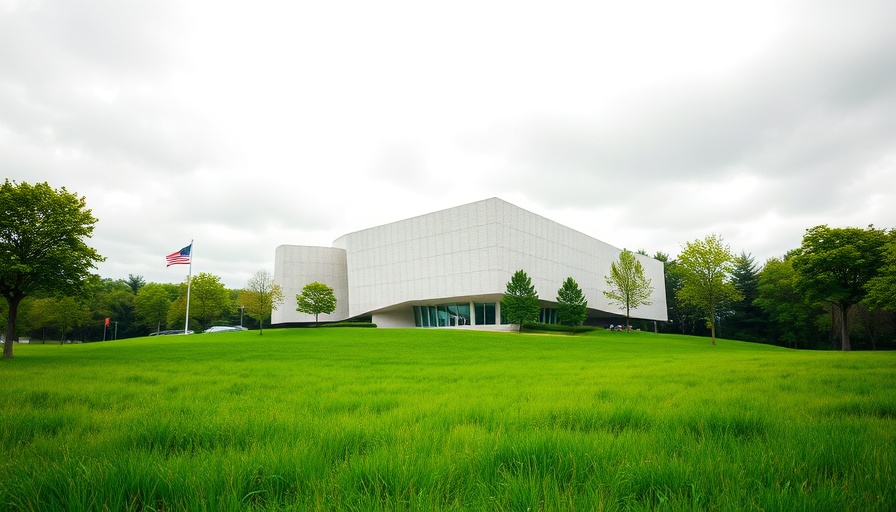
Smithsonian museum under cloudy sky, showcasing importance of Black history.

Understanding the Role of Black History in Our Faith

The narratives we tell about history directly influence how we view our communities today. The Smithsonian Museum’s approach to Black History, particularly regarding civil rights, must embrace truth and depth—no matter how uncomfortable that may be. For families grounded in Christian faith, understanding this history is vital. It allows us to see God’s hand in the struggles and triumphs of those who came before us.

Why Half-Truths Fall Short

When it comes to the storytelling of Black history, half-truths fail to convey the full journey from bondage to freedom. They overlook the pain, resilience, and faith that have forged the way for future generations. As the museum displays these narratives, they offer an opportunity for open conversations within families about civil rights, justice, and biblical truths that guide our discussions. Without full disclosure, we risk mischaracterizing the people involved and the lessons to be learned.

The Power of Connection and Conversation

For intergenerational family units, sharing these stories creates a bond stronger than any textbook can provide. It’s not just about what happened but about understanding God's perspective on justice and mercy through the lenses of those who fought for their lives and rights. Encouraging our young ones to engage with these narratives fosters a sense of empathy and social responsibility, core tenets of our faith.

Lessons from the Past: The Church’s Role

Reflecting on Black History offers valuable insights into how the Church can serve today. The injustices faced in the past challenge us to be proponents for change in our communities. As we gather for worship or fellowship, we can use these discussions as a springboard for prayer, action, and unity. Underlining our commitment to love all people, as prescribed in Scripture, helps illuminate paths to reconciliation.

A Call for Honesty in Storytelling

As families, we must advocate for honest, detailed storytelling in museums and other cultural spaces. By showing the commitment of those who sacrificed for freedom, we not only honor their legacy but also inspire our children to carry the torch. They should learn that as believers, engaging with the world involves navigating tough conversations, understanding broadly, and responding with compassion.

Engaging with the Present and Future

The essence of Black History extends beyond a time in the past; it directly influences our present and shapes our future. The principles of justice, unity, and love challenge us to contribute to a healthier society. Not only does understanding where we came from encourage better choices today, but it also empowers us to dream for a just tomorrow for all. As faith-centered families, our commitment to these principles ensures a legacy of truth and hope for future generations.

To engage further with Black history and its relation to our faith, consider visiting local museums, participating in community discussions, or volunteering in initiatives that promote social justice. Together, we can weave a more accurate and inspiring picture of our past that uplifts and enlightens.

Family Fellowship

40 Views

0 Comments

Write A Comment

*
*
Please complete the captcha to submit your comment.
Related Posts All Posts
04.07.2026

Pastors Are Advocating for Compassionate Immigration Reform for Families

Update Understanding the Church's Role in ImmigrationIn recent years, the conversation around immigration among Christians, particularly Protestant pastors, has gained significant momentum. A recent study shows that a vast majority of pastors in the U.S. recognize legal immigration as a blessing to both the nation and the church. Almost all pastors (98%) believe it is crucial to respect the dignity of every person, reflecting a deep-rooted theological and moral foundation that values humanity above legal status.A Call for Compassionate Immigration ReformPastors are advocating not just for stricter border security, but also for humane policies that prioritize family unity. The research highlights that 4 out of 5 pastors support changes in immigration law that not only secure the borders but also establish pathways to citizenship. This reflects a growing sentiment that American immigration policies need to balance national security with compassion.Embracing Our Neighbors: The Moral ImperativeMany pastors echo the sentiment expressed by Rich Nathan, a senior pastor who emphasizes walking in the shoes of those who seek refuge. His church, Vineyard, has established community services for immigrants, providing legal assistance and English classes. These actions underline a significant shift towards integrating immigration support within church missions—showing a firm commitment to social justice as part of the Christian calling.Real Stories from the CongregationPastors report firsthand experiences with immigrant families in their congregations. This connection provides an emotional anchor to the statistics. For instance, in many churches, undocumented individuals work alongside citizens in worship, fostering community and mutual support. Many congregants, native-born or immigrant, actively contribute to their communities, challenging the notion that immigrants are a burden.The Need for Legislative ChangeAs pastors articulate the flaws in current immigration laws, they point towards a pressing need for reform that aligns legal frameworks with the values taught in scriptures. They call for a paradigm shift in the policy that not only considers national security but also human dignity. For many Americans, the issues surrounding immigration are seen as a reflection of the country's moral compass.Empowering the Church to Make a DifferenceWith the rising number of global refugees and displaced individuals, pastors believe the church holds a unique responsibility to respond. The call to action is clear: to continue advocating for policies that reflect compassion and justice, ensuring that the needs of refugees and immigrants are met, not just through words, but action.What's Next for the Immigration Debate? As the landscape of immigration policy continues to evolve, the voices of pastors and Christian congregations will remain vital. Their role in shaping public discourse and influencing legislation cannot be overstated. Community-driven efforts, like those at the Vineyard Church, serve as powerful examples for other congregations seeking to make a meaningful impact.

04.06.2026

How a Priest is Using Nightclubs for Evangelism in Kenya

Update Redefining Spiritual Outreach: Kenya's Nightclub EvangelismIn the vibrant nightlife of Eldoret, Kenya, a unique form of evangelism is unfolding that blends faith with the rhythms of club culture. Reverend Michael Watenga, known affectionately as 'Padri ya Wote,' has boldly taken the gospel into nightclubs, challenging traditional views on church outreach and addressing pressing social issues among the youth. Breaking Barriers: The Purpose Behind the MissionReverend Watenga's journey began in 2023 when he joined the Anglican Church of Kenya. Noticing a stark divide between church-goers and the revelers populating the nightlife scene, he felt called to bridge this gap. "I realized that many young people feel disconnected from the church," he explained. By entering nightclubs, he aims not merely to preach but to offer hope and reflect God's love in places often deemed 'ungodly' by traditional standards.His mission addresses significant issues such as addiction, mental health struggles, and societal judgment, providing a safe space for discussion and support away from the stigma often associated with seeking help.Engaging with the Community: A New Way to ConnectWatenga's approach is refreshingly non-judgmental. Armed with a Bible and a message of love, he intersperses his sermons among the music and dancing, often keeping them brief—around six minutes—to maintain the audience's engagement. "I want to remind them that God loves them and is calling them towards a better life," he shares, emphasizing that he seeks permission from club owners to speak. This respectful approach encourages open dialogue with patrons, some of whom have shared their personal struggles and sought guidance.Responses from the Community: Support and CriticismHis ministry has garnered both positive responses and criticism. Many in the youth demographic appreciate his presence and the way he makes faith accessible in their environments, with reports indicating that over 3,000 individuals have reached out for support. However, some traditionalists argue that nightclubs are inappropriate venues for a clergy member. Yet, Watenga remains undeterred, grounded in the belief that he is fulfilling Christ’s mission to seek out those in need.With the support of his bishop, Reverend Watenga's innovative approach to evangelism raises important questions about the evolving role of the church in modern society. "Jesus came to save those who are considered sinful, not those who are good," he asserts, encapsulating his purpose.Future Possibilities: Expanding the OutreachAs his message spreads, Watenga has received invitations to expand his ministry across other regions in Kenya, like Nakuru and Kericho. His use of social media to share his message has effectively attracted support and resources from a wider audience, showcasing how modern technology can play a significant role in contemporary evangelism.Tools for Healing: The Impact on IndividualsBeyond the clubs, Watenga is also involved in community rehabilitation efforts, helping over 150 youths recover from addiction. Through his fellowship gatherings, many individuals, including drug addicts, have started to find hope and purpose. His unique ministry does not just aim for conversions but also offers practical support for individuals struggling with their circumstances.Conclusion: The Importance of Embracing ChangeAs Reverend Watenga continues his mission, he exemplifies a broader call for compassion, understanding, and innovation within the church. By meeting young people where they are—in the bustling atmosphere of nightclubs—he presents an inspiring model for how faith can transcend traditional boundaries, bringing hope and healing to a generation in need.

04.05.2026

How the Rebellious Act of Rolling Back the Stone Inspires Faith-Centered Families

Update Understanding the Significance of the Stone Rolling Away For many families, the Easter story is a time of joy, hope, and renewal. The act of rolling away the stone represents a major leap of faith—a rebellion against despair that resonates deeply, even in today's world. In this reflection, we explore how this ancient event connects to our lives as a community-focused, faith-centered family. Refreshing Our Perspective: A Lesson from Easter This Easter, we can reflect on the radical implications of Jesus' resurrection. The stone being rolled away not only marked the end of Jesus' earthly struggles but also a new beginning—one filled with limitless possibilities for faith and family. It challenges families to embrace transformative power through hope, uniting us as we face contemporary challenges together. The Importance of Relational Bonds in Faith Easter serves as a reminder that our journeys are best traveled together. Encouraging intergenerational connections within families, we can find strength in the wisdom of our elders and the enthusiasm of youth. By participating in Easter celebrations, our families can build deeper connections, reflecting how rolled-away stones foster opportunities for communal growth. Practical Steps to Foster Spiritual Growth in Families As we ponder on the rolling away of the stone, consider taking actionable steps that cultivate spiritual conversations at home. Setting aside time for family Bible study can create an avenue for sharing personal experiences and faith journeys, thus enhancing our familial bonds. Simplifying biblical stories into relatable conversations encourages children to engage with their faith actively. Engagement with Community: A Call for Collective Action The essence of Easter is not only about personal faith but also extending our hands to serve others. Families can embody this principle through communal activities that uplift the needy or participate in local church events. Reaching out to our neighbors and sharing our resources enriches our experience of faith and echoes the message of resurrection. Celebrating the Newness of Life Finally, let us celebrate the freshness that comes with Easter. Much like the stone rolled away represented new life, we are invited to embrace new beginnings within our families. Each family has its unique stones to roll away—be it forgiveness, reconciliation or rebuilding trust. By acknowledging these challenges, we can lead our families to a new chapter filled with hope and love. As we approach Easter, let us remember that the act of rolling back the stone is a rebel's act of faith, infused with hope for families and communities. May we draw strength together, ensuring that our actions reflect the transformative power of resurrection in everyday life.

Terms of Service

Privacy Policy

Core Modal Title

Sorry, no results found

You Might Find These Articles Interesting

T
Please Check Your Email
We Will Be Following Up Shortly
*
*
*