Add Row
Add Element
cropper
update

Biblical Living Unlocked

Logo - Biblical living unlocked
update
Add Element
  • Home
  • Categories
    • Biblical Parenting
    • Parenting Tips
    • Family Fellowship
    • Bible Teaching
    • Apologetics
    • Community Stories
    • Youth Focus
    • International
    • Walton Evangelical Church
    • Salt Church Mar Menor
    • Salt Church Los Montesinos
    • John Piper
    • News & Offers
Add Element
  • Ken on Facebook
    update
  • update
  • update
  • update
  • update
  • update
  • update
April 24.2025
3 Minutes Read

Trump’s Task Force: A New Hope for Christians Facing Bias

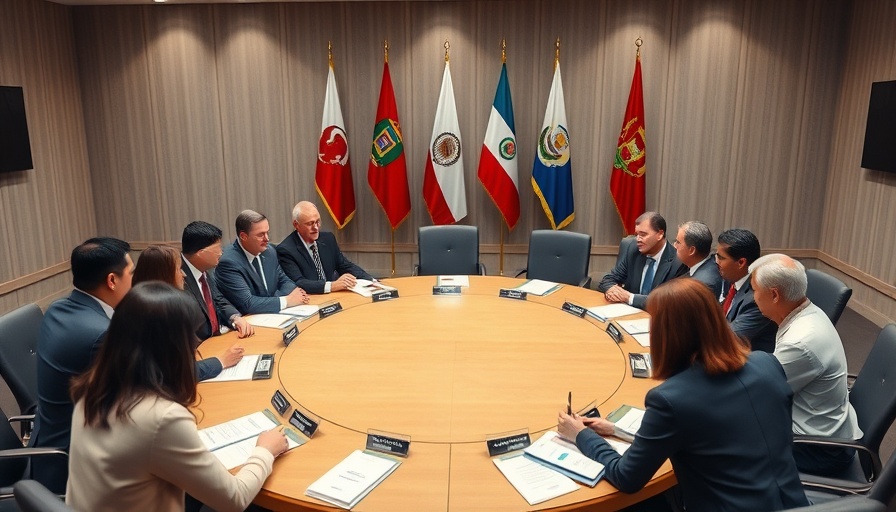
Government meeting addressing Christian bias in policy.

Rallying Christians: The Task Force’s Mission Revealed

In a time when many Christians feel marginalized, a recent gathering of faith leaders brought renewed hope. The Trump task force was formed with the aim to address concerns about perceived biases against Christians in the federal government. As this group convened, it acknowledged the unsettling sentiment among believers that their faith is often overlooked or misrepresented. This new task force aims to listen to their stories and create actionable plans to foster an environment where faith can thrive freely alongside governmental policies.

The Challenge: Navigating Bias in a Secular Age

Many families today, especially those rooted in Christian faith, are concerned about the increasing secularism that seems to dominate public discourse. From education to public policy, there are moments when the Christian perspective appears sidelined. This perception has fueled discussions among families about nurturing their beliefs in a climate that sometimes feels hostile. As they gathered, leaders voiced their commitment to standing together against such biases, seeking to foster a more inclusive and understanding community.

Looking Back: Historical Context of Christian Engagement

To fully grasp the implications of this task force, it is essential to reflect on the historical context of Christian engagement in the United States. Throughout history, Christians have often found themselves at the forefront of social justice and community-building efforts. However, there have been pivotal moments—such as the civil rights movement—where faith communities faced immense pressure. Today’s task force provides an opportunity to explore how these historical lessons can be applied to current issues, ensuring that future generations understand and learn from the past.

Future Predictions: What Lies Ahead for Faith Communities?

As this task force drives discussions and proposes solutions for bias, families should remain informed about the potential changes that could arise from these efforts. This initiative could pave the way for increased visibility of faith-based perspectives in legislative discussions and educational environments, fundamentally altering the landscape for future generations. The outcomes of this gathering could not only improve the situation for current believers but also inspire the next generation to actively participate in civic matters while holding their faith as a guiding principle.

Empowering Families: Actionable Insights For Today

For families seeking to assert their faith in the face of adversity, it’s critical to remain engaged. Participation in local church initiatives, community discussions, and dialogues around faith and policy can empower families to voice their concerns and contribute positively to future strategies. Parents can guide their children in understanding these issues through discussions that emphasize compassion, dialogue, and scriptural backing. By actively engaging in these conversations, families can unite and strengthen their community ties while advocating for faith-friendly policies.

Addressing Common Misconceptions: The Realities of Religious Free Expression

One misconception many people hold is that voicing Christian beliefs equates to putting others down. However, the task force and its supporters emphasize that religious expression is not about exclusion but about inclusivity of diverse beliefs. A nuanced understanding here can foster more respectful conversations and encourage support for the rights of all faith communities to express their beliefs openly and without fear of backlash.

Call To Action: Join the Conversation!

As members of faith-centered families, now is a time to rally support for spaces that respect and celebrate our beliefs. Parents are encouraged to take part in the conversations that shape our community. Engaging with local leaders and contributing to discussions about bias can empower families to stand together in unity. Let’s actively support one another and our communities as we navigate these critical issues together!

Family Fellowship

21 Views

0 Comments

Write A Comment

*
*
Related Posts All Posts
12.22.2025

Kenyan Christian Families Balance Rites of Passage in Modern Contexts

Update Understanding Rites of Passage in the Context of Faith Traditionally, in many cultures, rites of passage encompass significant life transitions, and in Kenya, circumcision plays a crucial role in marking the transition from boyhood to manhood. Recently, Kenyan families, particularly those rooted in Christian faith, have found themselves navigating a complex decision: to uphold cultural traditions or embrace church-led initiatives that substitute old rites for new faith-based ceremonies. Historical Context: The Shift from Cultural to Christian Ceremonies Historically, circumcision in Kenya has been steeped in much more than just a physical act. It traditionally involved rituals filled with spiritual connotations — rituals that, in some instances, have included elements that conflict with Christian values. These age-old practices often took place under the watch of traditional elders, who were responsible for indoctrinating the youth into cultural norms that included ideas of masculinity and community identity. However, many families are now seeking alternatives. They are looking for rites of passage that align closely with their Christian beliefs, as highlighted by Gregory Anemba, who expressed concerns about traditional ceremonies associated with ancestor worship and the potential for spiritual dangers. This shift showcases a growing trend among Kenyan Christians who wish to honor their faith within their cultural practices. The Role of Faith-Based Rites in Modern Contexts The Rites of Passage Experience (ROPES) program has emerged as a vital alternative, founded by churches to create a safe and spiritually affirming transition for youth. The program combines traditional elements — like communal meals and songs — with Christian teachings, enabling boys to embrace their identities while adhering to their faith. This blending approach is essential as it respects cultural heritage but also fulfills the spiritual expectation of a community that fosters development centered around Christ. Community Dynamics: The Pressure to Choose Sides As families navigate this decision, they often face conflicting pressures. On one side, there are cultural expectations from the community that urge them to adhere to traditional practices, and on the other, there's the compelling call to align their children’s rites of passage with Christian values emphasized in church teachings. Pastor Caleb Wekesa notes this struggle, sharing how some families even leave churches to seek traditional rites for their sons, exemplifying the societal pressure that persists — a pressure to conform that can also drive wedges within faith communities. Celebrating Inclusivity: A Step Towards Unity In response to the various tensions surrounding these rites, churches have taken on the responsibility to foster inclusivity during ceremonies. This includes finding stand-in figures for boys whose fathers may not be present, echoing the notion that spiritual guidance and support can transcend biological ties. This element highlights the church community's flexibility and commitment to nurturing a sense of belonging for every child. Moving Forward: Navigating Tradition and Faith The ongoing dialogue among Kenyan families underscores a broader conversation within Christian communities facing similar cultural dilemmas. How do parents navigate the rich tapestry of cultural traditions while imparting Christian principles to their children? It's a delicate balance requiring careful reflection and open-hearted conversations. By exploring faith-based alternatives to traditional practices, families not only reinforce their values but also provide their children with a robust framework for navigating both cultural heritage and spiritual life. As we look ahead, embracing practices like ROPES can create an environment where youth can thrive spiritually and culturally. For parents grappling with these decisions, understanding the value of both tradition and faith is crucial. The question remains: how will you foster your child’s journey towards adulthood amidst the rich cultural heritage and spiritual teachings that shape their lives?

12.19.2025

Transforming Moral Indignation into Understanding: A Guide for Families

Update Understanding Moral Indignation in Today’s CultureMoral indignation is often depicted as an emotional reaction to perceived injustices. However, today we see it become a driving force in public discourse, influencing opinions, actions, and even community cohesion. Families grounded in the Christian faith can play a pivotal role in addressing moral outrage constructively, fostering understanding instead of conflict.The Rise of Outrage as a Cultural CurrencyIn our increasingly digital world, outrage has evolved into a currency that captures attention and fuels discussions. Social media platforms thrive on engagement, often amplifying emotional reactions rather than nuanced conversations. As highlighted in recent studies, outrage generates click-worthy content that can polarize communities. Christian families can encourage their members to navigate these turbulent waters by fostering open conversations about differing perspectives while emphasizing empathetic listening.Outrage Fatigue: The Emotional Toll of Constant ConflictWhile being passionate about moral issues is essential, continuous exposure to conflicts can lead to outrage fatigue, leaving individuals feeling drained. A recent report revealed that a significant portion of the population experiences emotional exhaustion due to unending news cycles centered on controversy. For faith-centered families, recognizing this fatigue is essential. Engaging in restorative dialogues can renew spirits and promote healing. Participating in community gatherings that emphasize collective understanding can help families recharge emotionally.Bridging Divides Through UnderstandingDespite the divisions observed in contemporary society, there exists a powerful theory centered on our common human experience of harm and vulnerability. Research suggests that moral disagreements arise not from fundamentally different beliefs but from different perceptions of what constitutes harm and who is affected. By sharing personal stories of suffering and understanding widely differing viewpoints, families can effectively bridge ideological divides. Encouraging family discussions around these themes can nurture unity despite differences, feeding into the value of empathy enshrined in Christian teachings.Empowering Families: Moving Towards Empowerment, Not OutrageIn a world where outrage often trumps dialogue, faith-led families can seize the opportunity to become beacons of hope and understanding. The move toward restorative justice and constructive practices—like encouraging a “call-in” culture instead of a “call-out” ethos—holds significant promise for fostering healthier community interactions. These approaches, guided by biblical principles of compassion and grace, can help families stand firm against the tide of anger and enmity.Practical Steps for Family Engagement1. **Create Safe Spaces**: Establish family gatherings where all members feel comfortable sharing their views without fear of anger or judgement. This roadmap allows for constructive discussions about moral issues.2. **Encourage Emp empathetic Listening**: Foster an environment where each family member has the opportunity to speak and be heard, especially regarding their concerns about moral and societal challenges.3. **Promote Actionable Compassion**: Encourage family participation in community service that addresses local issues, enabling a direct response to perceived injustices and reinforcing the bonds of family unity through shared experiences.A Path Forward: Turning Indignation into ActionAs moral indignation continues to shape public conversation, families rooted in the Christian faith have an important role to play. By transforming feelings of outrage into understanding and community action, families can contribute to a more empathetic society. As Christians, we are called not only to stand for what is right but also to uplift those around us through understanding and compassion. In this season of reflection, let’s endeavor to become advocates for peace and agents of understanding in our communities.

12.18.2025

Exploring Who Writes History When There Are No Winners

Update Understanding the Value of Historical Narratives The concept of history often hinges on the question: Who gets to write it? When victory is declared, the narratives are woven by the winners, portraying their perspective and agenda. However, the Lebanese Civil War (1975-1990) has demonstrated that when there are no definitive winners, history becomes a battleground itself, resulting in multiple and often conflicting narratives that shape the national consciousness. The Fragmented Tapestry of Lebanon’s History The Lebanese Civil War resulted in the death of approximately 90,000 individuals, and the displacement of two-thirds of the population. This tragic backdrop is complicated by the myriad of narratives that each community tells — narratives steeped in pain, loss, and differing historical interpretations, as echoed by political figures such as Samy Gemayel. In his speech, Gemayel highlighted not only the deep divisions but also the collective amnesia that has plagued the country's quest for a unified history. The Dangers of Amnesia A culture of forgetting poses a significant danger. Without acknowledgment of the past, Lebanon risks repeating its calamitous cycles of violence. The memoirs, testimonies, and cultural productions seeking to commemorate the war have thus become pivotal in piecing together a collective memory. They serve as both a reminder of the grievous scars and a testament to the resilience of the Lebanese people. The Crucial Role of Diverse Perspectives It's vital to engage with ALL narratives. Different communities—Shiites, Sunnis, Christians, and Druze—each have historical figures they revere and stories they hold dear. For instance, while Shiite communities may look up to Hezbollah's Hassan Nasrallah, Christians might remember Bashir Gemayel as a martyr. This complex dynamic often fuels sectarian identity politics, complicating efforts toward reconciliation and unity. The Push for Reconciliation and Unity Calls for a 'national conference of forthrightness and reconciliation' may seem promising, yet they also face daunting challenges. Critics argue that without decisions and actions to supplement such calls, they may merely amount to rhetoric. To navigate the future successfully, Lebanon's political landscape must allow space for these conflicting stories to coexist, while fostering an environment conducive to healing and understanding. Lessons from Lebanon’s Civil War As families gather around the holiday season, the lessons from Lebanon's past can inspire meaningful conversations about forgiveness and unity. Acknowledging our own narratives—our own familial histories—can foster deeper connections among us, paving the way for future generations to rewrite their stories, informed by not just victory but shared understanding. Reflecting on History's Influence For families of faith, contemplating how history shapes identity is essential. It serves as a reminder that while we may not control our past, we do wield the power to narrate our future. Creating spaces for dialogue about challenging histories can help break the cycles of conflict and realize a collective narrative that embraces both unity and diversity. Conclusion and Call to Action As we seek to build bridges in our communities, let us encourage conversations within our families about historical perspectives. How can understanding our diverse narratives lead us to greater empathy and unity? Embracing our varied histories as a shared journey might just be the first step towards healing and reconciliation. Let’s delve into these discussions and foster a community rooted in understanding.

Terms of Service

Privacy Policy

Core Modal Title

Sorry, no results found

You Might Find These Articles Interesting

T
Please Check Your Email
We Will Be Following Up Shortly
*
*
*