Add Row
Add Element
cropper
update

Biblical Living Unlocked

Logo - Biblical living unlocked
update
Add Element
  • Home
  • Categories
    • Biblical Parenting
    • Parenting Tips
    • Family Fellowship
    • Bible Teaching
    • Apologetics
    • Community Stories
    • Youth Focus
    • International
    • Walton Evangelical Church
    • Salt Church Mar Menor
    • Salt Church Los Montesinos
    • John Piper
    • News & Offers
Add Element
  • Ken on Facebook
    update
  • update
  • update
  • update
  • update
  • update
  • update
February 28.2025
3 Minutes Read

Tio Pedro’s Mission Field at Carnival: Sharing Joy and Faith in Brazil

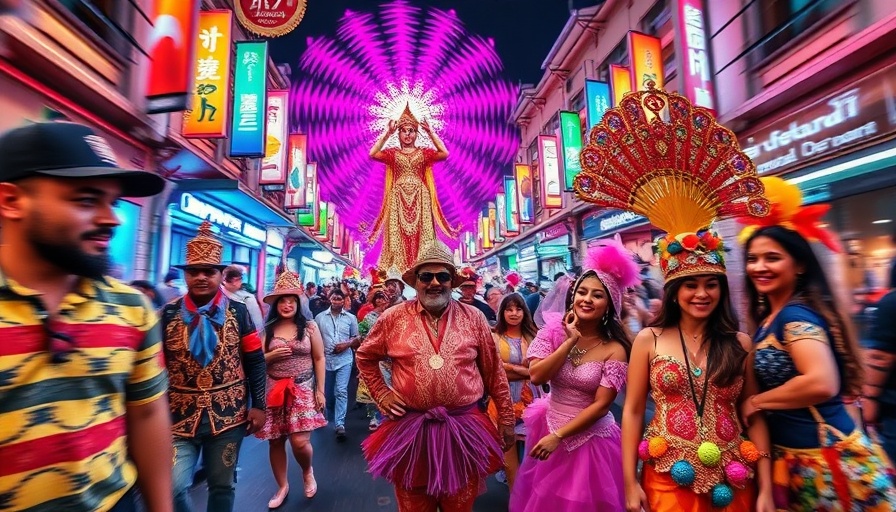
Vivid collage of Tio Pedro Carnival with vibrant colors

Bringing Light to a Time of Celebration

In Brazil, Carnival has always been a time of exuberance and passion—a festival steeped in tradition, marked by vibrant costumes and joyous parades. However, within this atmosphere of revelry, an increasing number of evangelical Christians see an opportunity to spread the message of hope and faith. Tio Pedro, a key figure in this movement, embodies the spirit of evangelism during this festive season.

Mission-Driven Evangelism Amidst Carnival Festivities

Groups like Youth With a Mission (YWAM) are harnessing the excitement of Carnival to connect with thousands of people. In cities like Salvador, with its sprawling celebrations, young missionaries boldly set up booths to engage with partygoers about faith, family, and values crucial for a fulfilling life. Jorge Santos, director of the evangelism ministry during Carnival, anticipates that over a thousand people will commit their lives to Jesus by the festival's end.

Unlike traditional views that paint Carnival simply as a party, many evangelical families seek to redefine its essence. They view this as a prime chance to introduce Jesus' love and teachings to a society often lost in the chaos of celebrations. As one participant shared, "We want to give a new meaning to the carnival." This sentiment reflects a remarkable shift from retreating from the festivities to actively engaging with the community.

The Heart of Carnival: A Celebration of Values

Many congregations, like the Attitude Baptist Church in Rio de Janeiro, are leading these efforts to foster joy without indulgence in excesses like alcohol and promiscuity. Pastor Josué Valandro Jr. notes that the aim is evangelism, emphasizing, "The carnival revelry lasts four days, but Jesus’s happiness is eternal." This proactive participation emphasizes the inherent values of community and spirituality, aiming to create a unity that transcends the typical perception of Carnival.

Connecting Generations Through Faith and Tradition

Families engaged in these efforts often emphasize the importance of passing down values of faith and community to younger generations. Tio Pedro’s initiative highlights how every interaction can strengthen family bonds while introducing a multi-generational approach to evangelism during Carnival. Parents and children alike can partake in these activities, creating lasting memories while fostering a shared understanding of their faith.

Why Participation in Carnival Matters

For many evangelical families, the decision to be a part of Carnival festivities is controversial. Many believe this vibrant expression of culture offers a unique stage for sharing their faith. With approximately one-third of Brazilians identifying as evangelical, their presence during Carnival signifies a growing and dynamic expression of religious identity. Engaging with those outside their faith becomes an opportunity to witness and reflect on the importance of community, connection, and fellowship.

Final Thoughts: A Carnival of Hope

As the lively festivities unfold each year, Tio Pedro and countless others remind us that Carnival can be more than just a party; it can be a bridge to sharing Christ’s love. As families gather and participate together, they create a tapestry of connection—bringing both tradition and spirituality to the forefront.

Are you ready to embrace your role in spreading hope and connection in your own community? Join in conversations, gatherings, or simply share your faith story. The Carnival of life awaits your unique contribution—step into your mission!

Family Fellowship

15 Views

0 Comments

Write A Comment

*
*
Related Posts All Posts
12.17.2025

Unveiling the Inspiring Story Behind Handel’s ‘Messiah’ for Christian Families

Update Discovering the Origins of Handel's 'Messiah'The beloved oratorio 'Messiah' by George Frideric Handel has become synonymous with the Christmas season, but its remarkable history and emotional impact extend beyond December celebrations. Originally composed between August and September of 1741, the work was first performed in Dublin on April 13, 1742, as a benefit concert for local charities. Handel's decision to premiere 'Messiah' away from London was driven by his disappointment with the reception of his earlier works.An Unexpected Beginning: Easter to ChristmasHandel initially intended 'Messiah' as a sacred Easter offering. The first part contains prophecies of Christ's birth, demonstrating its dual significance— linking the themes of Easter and Christmas in a beautiful tapestry of music. Over the years, the piece evolved in public perception, ultimately becoming a staple of Christmas traditions, particularly in the United States.Influence of Scripture and Emotion in 'Messiah'Handel’s genius lay not just in his musical prowess but also in his ability to convey profound biblical messages through music. Composed to a libretto by Charles Jennens, which draws heavily from the King James Bible, 'Messiah' delivers an emotional narrative that resonates deeply with audiences. Just as Jennens expected, the emotional intensity of the choruses and arias captures the human response to pondering the divine. The Hallelujah Chorus, in particular, has become a symbol of joy and celebration, lifting spirits globally.The Significance of the EnsembleUnlike many of his contemporaries who prioritized soloists, Handel blended vocal and instrumental arrangements seamlessly, showcasing the power of the choir. The chorus serves as a powerful narrative force throughout the oratorio, elevating the experience for both performers and listeners alike. The London Handel Orchestra's Laurence Cummings notes, "the chorus propels the work forward with great emotional impact and uplifting messages," highlighting the communal spirit that resonates with family-oriented audiences.Legacy of Charity and CommunityHandel's legacy is not solely attached to his musical compositions but also reflects his philanthropy. He frequently included 'Messiah' in concerts benefiting charitable causes, explicitly supporting orphaned children and those in need. This practice of marrying music with charity continues today, making it more than just an artistic performance—it's a reflection of community values and support.Personal ReflectionsFor families engaging with 'Messiah' during the holidays, it’s essential to recognize the importance of sharing traditions and spiritual learning. As we sit together during performances, it opens avenues for deeper connections and discussions about faith, charity, and our shared values. The rich history of Handel’s work can serve as a catalyst for family gatherings, sparking discussions on how we can contribute to our own communities.Final ThoughtsHandel's 'Messiah' remains a timeless masterpiece that transcends generations, making it a relevant and cherished aspect of Christmas celebrations. For Christian faith-centered families looking to deepen their spiritual and familial ties, exploring the origins and messages of 'Messiah' can provide greater insight into their faith journey. Embrace the tradition, celebrate with music, and let your families' stories weave together with the rich history of this extraordinary composition.

12.16.2025

Explore My Top 5 Books on Christianity in South Asia: A Family Guide

Update The Rich Tapestry of Christianity in South Asia South Asia is a vibrant region, rich in culture and history, where Christianity has woven its thread since the first century. Despite being a religious minority in many countries, Christian communities have thrived, adapting and growing amidst South Asia's diverse religious landscape, which includes Hinduism and Buddhism. The journeys of early missionaries set the stage for a unique Christian experience in these parts of the world. Books That Illuminate the Faith Nathanael Somanathan, deputy principal at Colombo Theological Seminary, has curated a selection of significant reads that shed light on the complexities of being a Christian in South Asia. My top five books explore not just the struggles but the rich spiritual and cultural heritages that contribute to Christianity in the region. 1. South Asia’s Christians: Between Hindu and Muslim by Chandra Mallampalli This insightful book dives deep into the lives of Indian Christians who navigate their identities in a predominantly Hindu and Muslim environment. Mallampalli emphasizes that while numbers can tell one story, the personal experiences of faith and community show another — one of resilience and profound spirituality. 2. The Call to Joy and Pain: Embracing Suffering in Your Ministry by Ajith Fernando In this thoughtful narrative, Fernando shares lessons from his years in ministry, urging believers to understand that suffering is part of the Christian experience. His reflections are especially pertinent for families facing challenges, providing encouragement to remain faithful amid trials. 3. The Recovery of Mission: Beyond the Pluralist Paradigm by Vinoth Ramachandra Ramachandra addresses contemporary challenges in mission work within a pluralistic society. He presents a compelling case for a mission that is both culturally relevant and distinctly Christian, an essential read for those interested in faith outreach. 4. The Problem of the Self in Buddhism and Christianity by Lynn A. de Silva For families grappling with interfaith dynamics, this book offers a unique dialogue between Buddhism and Christianity, enriching perspectives on personhood and community. De Silva's exploration of these differing views invites deeper conversations within our homes. 5. An Honorable Heritage: The Pandita Ramabai Story in Her Own Words Ramabai’s autobiography recounts her remarkable journey from Brahmin origins to becoming a key figure in Indian Christianity. Her dedication to women's liberation and empowerment resonates powerfully, inspiring families towards social justice in their local contexts. The Importance of Understanding Our Roots Exploring these narratives not only enriches our understanding of Christian faith in South Asia but also highlights the broader struggles and triumphs faced by believers today. Each book reflects a unique aspect of the Christian experience, emphasizing intersectionality in religious practice. Call to Action: Cultivating Faith and Empathy As families delve into these stories, let them serve as a springboard for discussions around faith, resilience, and community connection. Embrace the lessons drawn from these books to cultivate unity and empathy in your household, encouraging a faith that responds to both spiritual and social challenges actively. Conclusion In a world where interconnectedness is increasingly valued, understanding the multicultural implications of our faith fosters meaningful conversations and relationships. Let these books guide your family's journey through the rich landscape of Christianity in South Asia.

12.13.2025

Reclaiming Family Time: Turn Toward Each Other, Not Screens

Update Why We Must Reconnect Beyond ScreensIn this digital age, screens have infiltrated every aspect of our lives, especially in education. As Christian families, we find ourselves asking: how do we balance technology and meaningful interpersonal connections? The influx of digital tools in classrooms has distracted students from face-to-face interactions, making it crucial to guide our children towards turning to each other rather than screens.The Dangers of Overexposure to ScreensDuring the pandemic, screen time skyrocketed, with children logging unprecedented hours in front of screens for education and entertainment. Research shows a stark correlation between increased screen time and rising rates of anxiety and depression among youth. Understanding these dangers can empower parents and educators to create a healthier balance of engagement in our children's lives. Mindful Technology Integration in EducationAlthough technology can enhance educational experiences, focusing on purposeful use is essential. As outlined by the SAMR model, integrating screens into learning must elevate student understanding, not detract from it. For instance, using educational videos should be coupled with activities that encourage collaboration and critical thinking, fostering a community-oriented mindset.Bridging the Generational Gap through Family EngagementFamilies play a critical role in shaping screen habits. Having regular family discussions about technology's role in daily life can break down barriers between generations. Parents should encourage kids to share their thoughts on screen use while also promoting traditional values such as time spent together—be it through meals, games, or shared spiritual practices. These moments create stronger family bonds and combat loneliness amidst the rise of digital connections.Setting Healthy Boundaries for Screen TimeTo protect our children, we must establish clear boundaries around screen use. The American Heart Association recommends limiting daily screen time to two hours for children, emphasizing the necessity of breaks. Families should advocate for schools to adopt similar policies, ensuring children spend more time engaged in face-to-face interactions instead of virtual ones.Building a Stronger Community Through Sacrificial LoveDrawing from biblical teachings, our interactions should be defined by sacrificial love. Building relationships with one another is a reflection of Christ’s love for us. That profound connection can sometimes get diluted in the digital realm. Therefore, encouraging children to turn toward each other—whether in school, at home, or within our communities—needs to be an emphasized value.Practical Steps for Families Moving ForwardAs engaged and faith-centered families, consider these actionable steps: create tech-free zones at home to reinforce personal connections, schedule family nights where screen use is intentionally minimized and emphasize spiritual discussions to cultivate deeper conversations. These bonds will help steer families away from the screens, enabling a richer experience in the present moments shared together and further rooting family life in faith.

Terms of Service

Privacy Policy

Core Modal Title

Sorry, no results found

You Might Find These Articles Interesting

T
Please Check Your Email
We Will Be Following Up Shortly
*
*
*