Add Row
Add Element
cropper
update

Biblical Living Unlocked

Logo - Biblical living unlocked
update
Add Element
  • Home
  • Categories
    • Biblical Parenting
    • Parenting Tips
    • Family Fellowship
    • Bible Teaching
    • Apologetics
    • Community Stories
    • Youth Focus
    • International
    • Walton Evangelical Church
    • Salt Church Mar Menor
    • Salt Church Los Montesinos
    • John Piper
    • News & Offers
Add Element
  • Ken on Facebook
    update
  • update
  • update
  • update
  • update
  • update
  • update
May 18.2025
3 Minutes Read

Tim Keller's Ministry Insights: Transforming Lives Through the Gospel

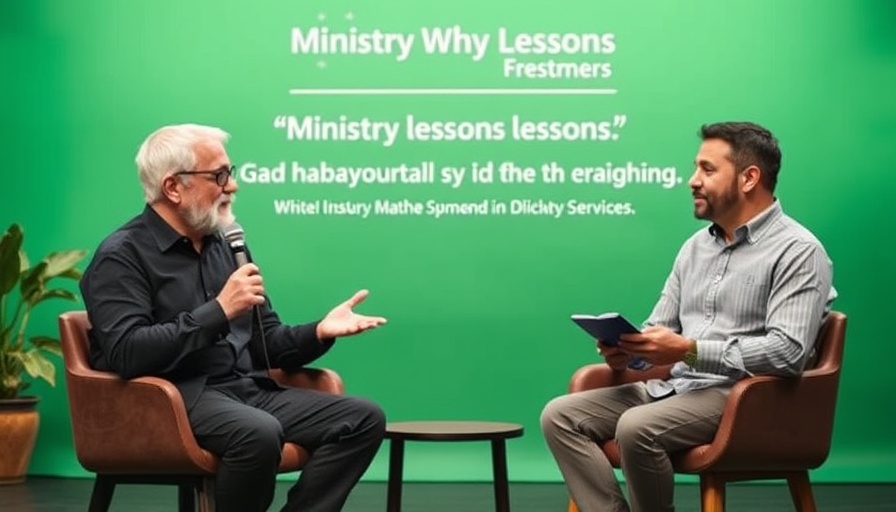
Tim Keller Ministry Lessons discussion with two presenters.

Lessons from a Legendary Pastor: Reflecting on Tim Keller's Impact

In the recent episode of The Everyday Pastor, the legacy of Tim Keller, a giant in the Christian faith, is celebrated as a guiding light for modern pastors. Keller, who dedicated over 40 years to ministry, taught us invaluable lessons about prioritizing God's glory over personal ambition. His passing two years ago left a profound void in the lives of many, but his teachings continue to inspire committed Christians seeking spiritual growth.

In 'Ministry Lessons from Tim Keller,' the discussion dives into Keller's influential teachings, exploring key insights that sparked deeper analysis on our end.

Understanding the Heart of Keller's Ministry

Tim Keller’s journey took him from a small town in Virginia to the bustling streets of New York City, where he founded Redeemer Presbyterian Church. He was not just a pastor; he was a cultural transformer. His approach to preaching emphasized the need to make the Gospel understandable and relatable. As Matt Smethurst and Ligon Duncan discussed in the episode, Keller’s focus on lifting up Jesus’s name, above personal accolades, is a reminder for all church leaders. Keller believed in breaking down complex theological ideas so everyone, even young believers, could grasp the essence of the faith.

The Importance of Contextualization

Keller knew the significance of contextualizing the message of the Gospel to meet people where they are. He made it clear that healthy ministry comes from understanding cultural dynamics. This is particularly vital for today’s church leaders who face diverse congregations and changing societal norms. His mantra, 'put the cookies on the bottom shelf,' dedicated itself to ensuring that the profound truths of Scripture were communicated simply. This principle is especially relevant for new Christians and youth; understanding God's word does not have to be complex.

Building Relationships through Friendship

Throughout his work, Keller emphasized the transformative power of friendship. He understood that our relationships should reflect the love of Christ. This notion is particularly significant in a modern society plagued by loneliness. As the guests pointed out, fostering genuine relationships within the church can create supportive communities where individuals feel known and valued. Keller’s teachings remind us that friendship isn’t merely about companionship but about helping each other grow spiritually.

Pursuing God Through Work and Action

Keller advocated for an integrated approach to faith and work. He believed our professional lives serve as an arena for practicing our faith. His views resonate with many who struggle to connect their Sunday beliefs with Monday realities. By showing that work is a form of worship, Keller empowered believers to see that every action can reflect God's glory. This perspective encourages parents and families to instill a sense of purpose in their work lives, recognizing it as a vital aspect of their spiritual journeys.

Facing the Challenge of Suffering

As pastors discussed Keller’s approach to suffering, it became evident that this theme flows throughout his teachings. Keller reminded us that Jesus suffered so we could better embrace our own trials and tribulations. His wisdom in this area is crucial for those navigating difficulties in their own lives. It instills hope among believers, reassuring them they are not alone in their struggles. For parents especially, teaching children the beauty of resilience through suffering can equip them for the challenges ahead.

Leaving a Lasting Legacy

Keller wanted to be known for his passion for the Gospel rather than for personal achievements. His final message, urging pastors not to seek personal glory in their ministries, serves as a powerful reminder for everyone involved in church leadership. As we reflect on Keller's ministry, let us carry forward his legacy by focusing on sharing the love and message of Jesus to all corners of our communities.

As the world continues to change, the lessons from Tim Keller remain timeless. His teachings offer insights not only to church leaders but to every believer, inspiring us to live out our faith fully in all areas of life. For those feeling overwhelmed by their faith journey, revisiting Keller’s work can reignite a passion for God and a commitment to serving others.

If you’re interested in deepening your understanding of the faith and its application in everyday life, I encourage you to explore Tim Keller's messages and engage in discussions with your church community.

Bible Teaching

29 Views

0 Comments

Write A Comment

*
*
Please complete the captcha to submit your comment.
Related Posts All Posts
04.15.2026

Embracing Resurrection: A Gift Rooted in Unconditional Love

Update Understanding Resurrection Through the Lens of Love The concept of resurrection is a profound and vital aspect of Christian faith. In the video No One Can Deserve Being Resurrected, the speaker shares powerful thoughts about our unworthiness and what it truly means to be given the gift of new life. This idea might seem difficult to grasp, especially for young believers and those new to the faith. But understanding this notion can shape how we see our relationship with God and with each other.In No One Can Deserve Being Resurrected, the discussion dives into the transformative nature of resurrection, exploring key insights that sparked deeper analysis on our end. What Resurrection Means for Us At its core, resurrection isn’t just a return to life; it's an invitation to transformation. When Jesus rose from the dead, He didn’t just come back to life; He demonstrated God’s incredible love for humanity. This act of grace was not given because we earned it, but simply because God loves us so deeply that He wants us to experience life to the fullest. Many young Christians might compare themselves to others, thinking that they need to prove their worth to God. However, the truth is that no one can "deserve" resurrection or God's love. Instead, it is a free gift given to all who believe. This idea can be freeing, especially for young adults, as they navigate the pressures of society and peer expectations. Living in the Joy of Resurrection When we accept this gift, we are called to live differently. The video emphasizes that our lives should reflect that love. As families and individuals, when we embrace God's grace, we create environments that help each other grow spiritually. Imagine the change in your home if every member recognized that they are loved unconditionally! It fosters deeper connections, healing, and forgiveness. For Parents: Teaching Resurrection to the Next Generation For parents and families, sharing the message of resurrection can take various forms. It could be through stories, discussions at the dinner table, or family prayers. These moments serve as rich opportunities to instill faith and resilience in young hearts. By participating in church activities and engaging with church leaders, parents can reinforce these teachings, helping children understand their identity in Christ. Connecting with Others Through Faith The community plays a significant role in understanding the concept of resurrection. When young adults come together for church events, they experience not just teaching, but friendships that celebrate God's love. Encouraging open conversations about faith, doubts, and the promise of resurrection among peers can help eliminate fears and create an authentic spiritual family. Taking Action: Embracing the Gift of Resurrection Understanding and embracing the gift of resurrection compels us to become active participants in our faith. We are encouraged to spread kindness, show empathy, and share love, reflecting Christ's teachings in our daily lives. Whether it’s through volunteer work, church groups, or simply extending a hand to those in need, we can embody the very essence of resurrection. It's important for the youth and young adults to realize that they have a unique place in the church community. By boldly sharing their experiences and testimonies, they contribute to a culture that values faith and resilience. Final Words of Encouragement In conclusion, the message from the video No One Can Deserve Being Resurrected invites us all to reflect on God's unconditional love and the significance of resurrection. Each day is a new opportunity to live out this truth, impacting others with love and grace. Let us not forget that every act of kindness is a way to honor the resurrection and the gift of life we have received. If you have been touched by this message, consider sharing it with others. Engage in discussions with your family, friends, and church community to spread hope and understanding of this wonderful gift of life.

04.14.2026

Understanding God's Grace: Why God Didn't Have to Save Us

Update The Gift of Salvation: Understanding God’s Grace In the video "God Didn't Have to Save Us," a profound truth is expressed—the incredible gift of salvation is something we never earned, yet it was given to us out of God's boundless love. This message resonates deeply, especially for committed Christians seeking spiritual growth. It reminds us that God’s grace is freely offered, forming the cornerstone of our faith.In 'God Didn’t Have to Save Us', the discussion dives into the incredible gift of salvation and God’s grace, exploring key insights that sparked deeper analysis on our end. Free Will and God’s Endless Mercy One of the most valuable aspects of our relationship with God is the concept of free will. God, in His infinite wisdom, chose to create us with the ability to make our own choices. He does not impose His will upon us; instead, He invites us into a loving relationship. This gift of choice also emphasizes His mercy—despite our flaws and failures, He reached out to us through Jesus Christ, offering a path to redemption. This powerful message is vital for youth and young adults as they navigate their faith journeys, reminding them that they are cherished and forgiven, regardless of their past mistakes. God's Love: A Message for Families As parents and families, it’s important to instill the understanding of God’s unchanging love into the hearts of children. The idea that "God didn’t have to save us" can initiate important conversations within families about grace. By discussing the significance of Jesus's sacrifice, families can strengthen their bonds and reflect on their spiritual journeys together. In doing so, they cultivate an environment where faith can flourish, and children are encouraged to explore their own beliefs. Encouraging Spiritual Curiosity in Our Communities For seekers and the spiritually curious, understanding the reason behind God’s decision to save us can spark a lifelong journey of faith. This can ignite conversations in community groups, churches, and amongst friends. As you dive deeper into understanding this aspect of God's character, you will find that it challenges you to live a life of gratitude and purpose. It also fosters a sense of belonging within the church community where support and nurturing are paramount. Real-Life Application: Walking in Grace So, how can we apply this knowledge of God’s unconditional love in our daily lives? Transformation begins when we genuinely accept that we are loved despite our imperfections. This realization encourages us to extend grace and forgiveness to others, fostering a community of compassion and understanding. Our actions—even the smallest acts of kindness—can reflect God's love to the world, inviting others to experience this grace. A Call to Action: Embracing Grace As we reflect on the beautiful truth that "God Didn’t Have to Save Us," let’s embrace the opportunity to grow in our spiritual journeys. Share this message of grace with your friends and family, and be an active participant in your community. Encourage discussions around faith, invite others to church, and always be open to answering questions that the curious may have about God’s love. Together, let's embody grace in our daily lives and inspire others to come to know the true depth of God's mercy. This understanding of grace does not just benefit us personally; it profoundly influences our communities as we strive to live out our faith authentically. The message of salvation is a treasure, meant to be shared widely. So let’s go forward, embracing our calling!

04.13.2026

Understanding the Gospel: The Good News for Everyone

Update The Good News: Understanding the Gospel The podcast episode titled What Is the Gospel? [The Everyday Pastor - Ep. 49] invites us to dive deeply into a topic of utmost importance—the Gospel. In a world bursting with narratives about self-improvement and systemic change, the Gospel stands out as a transformative truth meant to be communicated clearly and unapologetically. The essence of the Gospel is rooted not in advice but in the good news of what God has accomplished through Jesus Christ. This message reconciles us with our Creator, and thoroughly understanding it is vital.In What Is the Gospel? [The Everyday Pastor - Ep. 49], the discussion dives into the essence of the Gospel, exploring key insights that sparked deeper analysis on our end. The Heart of the Message: What Is the Gospel? At its core, the Gospel tells us that God, through His son Jesus Christ, offers salvation from sin. As Matt Smith and Luke Duncan note in the podcast, the message can sometimes become muddied or oversimplified amid modern interpretations. Many self-help rhetoric often masquerades as the Gospel, but it’s crucial to highlight that it’s not simply about improving one's life—it’s about recognizing our need for God and understanding the magnitude of His grace. A clear definition of the Gospel involves acknowledging our need as sinners and celebrating Christ's substitutionary sacrifice. The phrase "Christ died for our sins" epitomizes this—any discussion surrounding the Gospel should start from here. Understanding this fundamental truth liberates us from the not-so-great temptation of trendy doctrines that often miss the richness of salvation. Gospel Misinterpretations and Their Consequences While the Gospel's essence remains unchanged, there are numerous misconceptions surrounding it. Discussions often arise in evangelical circles that pit an overly soteriological understanding against a so-called "king Jesus" narrative. This misconception leads some to believe that the Gospel could be reduced to Christ’s kingship alone, separate from the concept of salvation from our sins. Furthermore, as the hosts of the podcast mentioned, the misunderstanding or neglect of the Gospel’s foundational truths can lead to future generations losing the core of our faith. When the next generation assumes they know what the Gospel is without truly understanding, they risk losing the depth of this critical truth. Therefore, it’s essential for not only church leaders but believers of all ages to regularly revisit and advocate for a clear and robust understanding of the Gospel. Remember, the Gospel is not just the initial step into faith but a daily source of hope and motivation for our Christian walk. Living Out the Gospel Living out the Gospel involves more than just declaring belief. It requires a practical response. As discussed in the podcast, our understanding of the Gospel should paint a picture of a loving and gracious God who desires a relationship with us, His creation. This love is demonstrated through our faith and our relationships. Much like a marriage, our faith is not a one-time decision but a lifelong journey of growing closer to God. Building relationships—whether within our families, communities, or even at church—becomes an extension of our relationship with God. Good conversations about the Gospel should happen at home, underpinning family values, solidifying the foundation necessary for our children and loved ones to cherish the truth of the Gospel. A Call to Action As we consider the profundity of the Gospel in our individual lives and as a community, let’s embrace the opportunity to learn and live it authentically. Share this podcast episode or discuss it in your small groups or family gatherings. Reflect on the news that we are not just participating in a religious practice but are part of a grand narrative of redemption—a narrative that continues to unfold. The Gospel is both the beginning and the lifeblood of our faith. It invites us to rest in the sufficiency of what Christ has accomplished. Let us treasure and proclaim it, ensuring that its importance isn't assumed but celebrated throughout every generation.

Terms of Service

Privacy Policy

Core Modal Title

Sorry, no results found

You Might Find These Articles Interesting

T
Please Check Your Email
We Will Be Following Up Shortly
*
*
*