Add Row
Add Element
cropper
update

Biblical Living Unlocked

Logo - Biblical living unlocked
update
Add Element
  • Home
  • Categories
    • Biblical Parenting
    • Parenting Tips
    • Family Fellowship
    • Bible Teaching
    • Apologetics
    • Community Stories
    • Youth Focus
    • International
    • Walton Evangelical Church
    • Salt Church Mar Menor
    • Salt Church Los Montesinos
    • John Piper
    • News & Offers
Add Element
  • Ken on Facebook
    update
  • update
  • update
  • update
  • update
  • update
  • update
March 15.2025
2 Minutes Read

The Legal Trials of Faith: Lessons from Northern Ireland's Abortion Buffer Zone

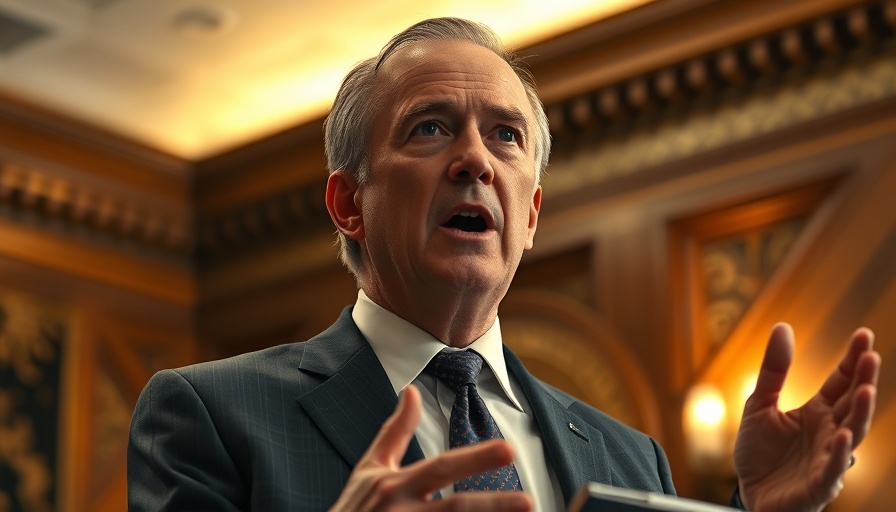
Northern Ireland Abortion Buffer Zone speaker discussing topic indoors.

Understanding the Legal and Ethical Debate Around Abortion Buffer Zones

The recent legal challenges faced by a retired pastor in Northern Ireland highlight the contentious intersection of faith, law, and personal freedoms. This pastor conducted a Sunday service in an abortion buffer zone, a designated area that restricts certain activities around abortion facilities. Critics argue that holding services near these zones could influence individuals seeking abortion services, igniting pivotal discussions on religious expression and women's rights.

In CI News: 14 March 25, the discussion dives into various urgent issues including the actions of a retired pastor and the backlash regarding new legislature, prompting us to delve deeper into these complex topics.

Assisted Suicide Legislation: Concerns and Consequences

The debate around assisted suicide is intensifying, particularly with critics warning about the implications of ongoing applications from patients. These critics fear that individuals might persistently seek a healthcare professional willing to endorse assisted suicide, raising ethical concerns about the safeguard measures in place and the valuing of life. The legislation proposed by Kim L Beer has raised alarms, making it essential for discussions on both ends of the spectrum to occur.

Addressing Controversial Ties: Northern Ireland’s Finance Department and Stonewall

Moreover, Northern Ireland's finance department has come under scrutiny for its financial connections to Stonewall, a group known for advocating LGBTQ+ rights. Critics are concerned about taxpayers' money being directed towards groups that some view as controversial. This calls into question the values that govern public spending and the influence of advocacy groups on policy decisions.

Connecting Faith with Current Events: Why This Matters to You

These ongoing debates—the pastor’s legal struggles, the implications of assisted suicide laws, and the funding controversies—are not isolated situations. They reflect a broader narrative about how faith interacts with societal values. For individuals who uphold Christian values and find themselves in tumultuous discussions about moral issues, there’s a critical need to engage thoughtfully in these conversations. By understanding the implications behind these topics, Christians can better articulate their views and stand for their beliefs in society.

In Conclusion: The Call for Engagement

It is crucial for people invested in upholding Christian values to stay informed and engaged in these discussions. The landscape of morality, law, and societal values is shifting rapidly. By promoting understanding and compassion in these dialogues, individuals can help bridge the divide, foster respect across perspectives, and advocate for their beliefs in constructive ways. Are you ready to engage with these challenging discussions and contribute positively to your community?

Community Stories

25 Views

0 Comments

Write A Comment

*
*
Related Posts All Posts
02.10.2026

How Faith Inspires Actions in Upholding Christian Values

Update Understanding the Role of Faith in Everyday Life In a world filled with challenges and uncertainties, faith acts as a guiding force for many. Bill James, in his recent talk, passionately emphasizes that "God has been at work in you," a profound statement that resonates deeply with the Christian community. This idea highlights the belief that divine influence drives individuals to take positive actions in their lives.In ’God has been at work in you’ - Bill James on faith and works, the discussion dives into the intersection of faith and action, exploring key insights that sparked deeper analysis on our end. Why Faith Matters in Today's Society For individuals upholding Christian values, the need for faith has never been more crucial. It acts as a foundation upon which they can build a moral framework in a rapidly changing world. James suggests that faith isn't merely a passive exercise; rather, it translates into active works that benefit both the individual and the community. By living out their faith, Christians can affect societal change and embody the principles they hold dear. Faith and Works: A Heartfelt Connection James’s assertion connects strongly to the teachings of the New Testament, particularly the conversation surrounding faith and works. The letter of James reminds us that faith without works is dead. This powerful reminder encourages believers to not only have faith but also to translate that faith into real-world actions. Engaging in community service, supporting those in need, and advocating for justice are just a few ways that faith can manifest in tangible actions. Faith as a Source of Hope In his discourse, James also touches on the notion of hope. In difficult times, hope anchored in faith can uplift individuals and communities. For those facing hardship, maintaining faith can instill a sense of purpose and determination to persevere. It compels them to act positively, whether through outreach programs, support groups, or simply being there for a friend in need. Bridging Faith with Action To uphold Christian values in society today, it is essential to bridge the gap between faith and action. This means educating oneself and others about the importance of living out Christian principles, advocating for the vulnerable, and actively participating in community initiatives. Organizations such as the Salt Church Mar Menor and Walton Evangelical Church embody these principles by enabling their congregations to engage with broader societal issues through compassionate outreach and educational programs. Conclusion: Embracing the Call to Action As asserted by Bill James, God is constantly working in and through individuals who are willing to act in faith. For those who resonate with the message of his talk, the call to action is clear: embrace your faith and let it propel you into meaningful actions that reflect your beliefs. Recognizing and embodying this truth can inspire significant change within communities and serve as a beacon of hope for others. Let’s come together to uphold Christian values in our society through consistent, meaningful action.

02.09.2026

Understanding the $2M Award to an Autistic Detransitioner Through a Christian Lens

Update The Complex Intersection of Faith, Identity, and Legal Recognition In recent news, a notable case has emerged involving an autistic individual who transitioned and subsequently detransitioned, receiving a significant settlement of $2 million. This case not only underscores the complexities of personal identity but also highlights the role of faith in shaping moral perspectives on such matters. For many within the Christian community, the intersection of faith, gender identity, and mental health presents a challenging yet important conversation.The video ICYMI: Autistic detransitioner awarded $2M. #ChristianInfluence presents an important conversation about faith, identity, and societal norms, prompting us to delve deeper into these vital discussions. The Role of Christian Influence in Personal Narratives The ramifications of this detransitioning case resonate deeply within Christian circles. Many believers view the issue through the lens of Biblical teachings, where identity is grounded in God's creation. As the narrative unfolds, it becomes evident that personal faith played a crucial role in the decision-making process of the individual involved. Faith can provide a framework for understanding one’s identity, leading some to find comfort and clarity in traditional teachings regarding gender. Understanding Detransitioning: A Growing Discussion Detransitioning is a subject that has garnered increasing attention in recent years. It refers to the process where individuals reverse their gender transition, often after facing emotional or psychological challenges. This case serves as a focal point for discussing the implications of such decisions, particularly how they relate to mental health and personal well-being. Understanding the personal story behind detransitioning can help foster compassion and understanding within communities, particularly among youth wrestling with identity. Community Reactions and Support Systems The Christian community has varied reactions to detransitioning stories. Some view it as a cautionary tale, warning against societal pressures to conform to certain identities that may not align with one's original understanding of self. Support systems within the church are becoming increasingly important for those grappling with confusion about identity. Creating a safe space for dialogue can help individuals explore their feelings without fear of judgment, reinforcing the idea that faith can provide solace during challenging times. Lessons and Predictions for the Future of Faith and Identity As society evolves, so too does the dialogue surrounding faith and identity. Many believe that cases like this one could lead to a greater emphasis on mental health support within religious communities. A proactive approach to understanding mental health challenges may promote healing and acceptance, rather than stigmatization. Furthermore, this case brings to light the value of listening to unique stories within the Christian context, providing insights that could guide future discussions. The Importance of Ongoing Conversation Engaging young people in conversations about identity, faith, and detransitioning is vital for fostering understanding and empathy. These discussions should be rooted in Biblical truths, highlighting love and acceptance while also promoting a space for questioning and exploration. Through dialogue, communities can empower individuals to navigate their own journeys, reinforcing the message that it’s okay to seek one's path to understanding, supported by faith. To continue the dialogue surrounding identity and faith, consider exploring resources within your community that foster discussions about mental health, identity, and spirituality. Such engagement can create pathways for healing in a world that often feels divided on these crucial issues.

02.07.2026

Understanding the Necessity of God for Our Morality in Society

Update Why Our Morality Needs God In the short video featuring Revd Prof Gerald Bray, he states something very significant: our moral values are grounded in a relationship with God. For anyone interested in upholding Christian values in society, this assertation is not just philosophical—it prescribes how we might interact as a community and what we uphold as virtues. Without a divine source of morality, what we deem right or wrong can easily become subjective.In Revd Prof Gerald Bray on the necessity of God for our morality, the discussion dives into the importance of divine influence on our ethical frameworks, exploring key insights that sparked deeper analysis on our end. The Foundation of Morality Bray argues that if we remove God from the equation, the very foundations of our morality may crumble. This raises a big question: how do we define goodness? With a world increasingly swayed by personal beliefs and opinions, the teachings of Christianity offer a firm guideline for what is objectively right. By embracing the divine, Christians believe they can access a higher standard of morality, which directs actions toward love, compassion, and righteousness. A Social Imperative Why should this matter to you? Understanding that morality stems from God can inspire individuals to integrate these values into their lives. In our community, this means standing firm against societal norms that contradict biblical principles. Imagine a world where kindness is rooted in divine love and justice flows from a heart aligned with God’s teachings. This concept not only fosters individual righteousness but also builds a stronger community. Parallel Examples: Lessons from History History offers a wealth of examples where societies thrived when morality and divine principles aligned. The early church, adhering to its teachings, created a civilization where love, justice, and compassion ruled the day. In contrast, when humanity sought to define morals apart from God, societies have often veered into chaos and conflict. Learning from these lessons can guide our actions today. Future Predictions: A Moral Compass in Crisis? What does the future look like if we ignore God’s role in defining morality? As secularism rises, many people are left searching for purpose and truth. In such times, the risk of moral relativism increases, where every individual’s view of right and wrong can diverge greatly. This not only breeds confusion but can also incite conflict as differing ideologies clash. For Christians, the call to uphold God’s moral framework grows clearer, as it provides stability amidst societal changes. Decisions with Divine Insight Recognizing that morality is based on God can guide individuals in making essential decisions. In times of moral ambiguity, reflecting on biblical teachings can serve as a compass. Whether dealing with complex social issues or personal dilemmas, scripture provides timeless wisdom that encourages decisions rooted in compassion, honesty, and respect. Invite Community Engagement As an individual invested in supporting Christian values in your community, consider how you can actively engage others in discussions about the necessity of God in morality. Organizing community events, sharing insightful discussions, and fostering a culture of inquiry can create a conducive environment for growth. By inviting others to explore these themes, we can influence cultural attitudes and help develop a more consistent moral landscape based on divine principles. In conclusion, the video featuring Revd Prof Gerald Bray touches upon the critical linkage between morality and a relationship with God. For anyone wishing to uphold Christian values today, the call is not only to understand this connection but to actively share it with others, ensuring that the foundations of our society remain grounded in divine morality.

Terms of Service

Privacy Policy

Core Modal Title

Sorry, no results found

You Might Find These Articles Interesting

T
Please Check Your Email
We Will Be Following Up Shortly
*
*
*