Add Row
Add Element
cropper
update

Biblical Living Unlocked

Logo - Biblical living unlocked
update
Add Element
  • Home
  • Categories
    • Biblical Parenting
    • Parenting Tips
    • Family Fellowship
    • Bible Teaching
    • Apologetics
    • Community Stories
    • Youth Focus
    • International
    • Walton Evangelical Church
    • Salt Church Mar Menor
    • Salt Church Los Montesinos
    • John Piper
    • News & Offers
Add Element
  • Ken on Facebook
    update
  • update
  • update
  • update
  • update
  • update
  • update
May 27.2025
3 Minutes Read

The Importance of Restoring a Repentant Adulterer in Church

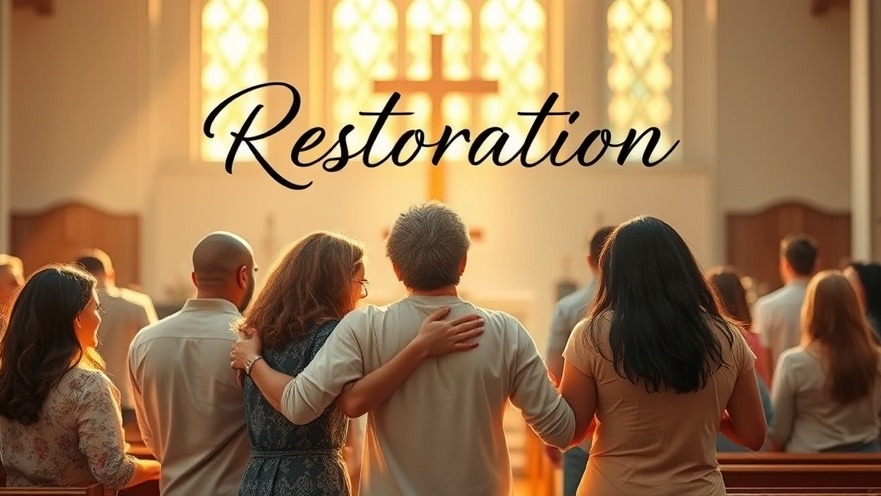
Warm church scene of diverse individuals embracing forgiveness and restoration.


Understanding Church Discipline: A Necessary Step Towards Restoration

In Bible teachings, church discipline is often misunderstood. However, it is critical to recognize that discipline isn't meant to push people away, but rather to draw them closer to God. This crucial principle is emphasized in Matthew 18:15-17, where members are encouraged to confront each other's sins with humility and love, seeking reconciliation and restoring relationships. For committed Christians seeking to navigate difficult situations within their communities, understanding this concept is essential.

The Goal of Restoration: Love and Forgiveness

When we talk about restoring a repentant sinner, we must focus on love and forgiveness rather than condemnation. The Church's ultimate goal, as outlined in Galatians 6:1, is to restore the sinner gently. This isn't just about enforcing rules but about nurturing souls back to health. Just as a family forgives and helps a loved one heal from mistakes, the church should mirror that compassionate approach, emphasizing spiritual growth and healing.

Steps to Take When Offering Restoration

If someone shows genuine repentance, the church must respond with grace. For this act of restoration to be meaningful, it requires thoughtful steps. Engaging the sinner in conversations that emphasize accountability while also lifting them up in prayer can be terribly impactful. By doing so, the church community can create a supportive environment that encourages true transformation.

The Role of Church Leaders in Restoration

Leaders in the church play an important role in the restoration process. They should actively create spaces for discussions and healing. Recognizing how deeply sin affects individuals allows leaders to shepherd their congregation towards grace. This means encouraging those like the son-in-law who committed adultery to not just attend services but also partake in fellowship, focusing on spiritual reconciliation and community integration.

Common Misunderstandings About Church Discipline

Many people believe that church discipline equates to punishment, but that is far from the truth. It is vital to dispel this misconception. Discipline is not about pushing sinners away; rather, it’s a loving, corrective measure aimed at guiding individuals back to a closer walk with Jesus Christ. Misunderstanding discipline can lead to feelings of isolation for those who need the church the most.

Encouraging Open Conversation in the Church

Open conversations about sin, repentance, and restoration should be encouraged within church communities. Through dialogue, communities can work together to foster a deeper understanding of biblical teachings and their practical applications in today's context. This reinforces the belief that the church should be a space of healing, not judgment.

Conclusion: The Impact of Restoration on Communities

The act of restoration is not only critical for the individual but also for the church community as a whole. When members see the church embracing a repentant sinner, it sends a powerful message about love, forgiveness, and Jesus's transformative power. A community's ability to restore lives strengthens its fabric, allowing everyone a chance to experience grace.

As we engage in our journeys of faith, let’s be reminded to embrace opportunities for restoration, ensuring our churches remain places of hope and healing.


John Piper

15 Views

0 Comments

Write A Comment

*
*
Related Posts All Posts
12.05.2025

Can Marriage Survive After Betrayal? Insights for Healing

Update Rebuilding Marriage After Betrayal: A Spiritual Perspective Infidelity can shatter the bonds of trust that hold a marriage together. Yet, as many couples have discovered, there exists a pathway to recovery and renewal that is not only possible but can lead to a deeper connection than before. For those committed to their marriages and seeking spiritual growth, there is hope rooted in biblical teachings and practical advice. In recent discussions reflected in pastoral Q&As, the topic of marital resilience in the wake of betrayal has emerged prominently. Couples often face the question: can a marriage survive after infidelity? The answer, while complex, hinges on the willingness of both partners to navigate the painful aftermath together. This commitment echoes a sentiment expressed by Jesus regarding forgiveness—one that isn’t merely an act of will, but rather a continuous process that reflects our understanding of divine grace. The Power of Community Support When a marriage faces challenges like betrayal, the strength of the broader community plays a significant role. Couples often find themselves isolated in their pain, but by reaching out, they open avenues for support, encouragement, and accountability. The anonymous query to Pastor John demonstrates the compassion and courage of those who seek to aid others while managing their own struggles. This community aspect aligns with the biblical principle that emphasizes bearing one another’s burdens. As stated in Galatians 6:2, supporting each other through tough times reinforces the very fabric of our spiritual relationships, enabling couples to endure hardships and even grow from them. A Framework for Healing: The Gottman Method The journey to rebuild trust and intimacy requires intentional effort from both partners. Drawing upon methodologies like the Gottman Trust Revival Method, couples can take actionable steps toward recovery. The method includes three essential phases: Atone, Attune, and Attach, each focusing on fostering understanding and commitment. In the Atone phase, the individual who has betrayed must take full responsibility for their actions. This requires acknowledging the pain caused and patiently enduring the emotional repercussions as trust begins to re-establish itself. During this time, the injured partner also has a vital role—to work toward forgiveness, which is essential for the healing process. The Role of Vulnerability in Reconnecting Vulnerability creates space for genuine connection. Sharing emotions, fears, and aspirations opens pathways for intimacy that may have been previously blocked by betrayal. Couples are encouraged to adopt new communication techniques that reflect this vulnerability. Instituting a daily open-check mechanism where partners can express their feelings fosters connection and deepens trust. This proactive approach does not eliminate past mistakes but rather transcends them, creating a renewed foundation for the relationship. Often, it’s through facing discomfort and fear that couples find strength and resilience. Rekindling Intimacy As couples heal, rekindling physical intimacy becomes necessary. Following the painful aftermath of betrayal, partners may struggle to find enjoyable connection in their physical relationships. Gottman's final phase, Attach, emphasizes the importance of ongoing sexual conversation, allowing couples to openly discuss desires and preferences. This stage is crucial, as creating a satisfying intimate life often requires addressing the emotional scars left by infidelity. Conversations that initiate intimacy can help partners navigate feelings of anger and resentment, transforming a once-rigid dynamic into a flexible and fulfilling partnership. Faith's Role in Marital Healing The gravity of healing from infidelity can feel overwhelming, but for couples grounded in their faith, the teachings of scripture can provide hope. Many couples turn to supportive resources, like faith-based counseling programs, to navigate this tumultuous journey. These emphasize that while infidelity challenges the marriage, it can become an opportunity for significant growth and discovery. The process indeed requires hard work and dedication, but faith can act as a guiding light through the darkness of betrayal, revealing the potential for reconnection and renewal. With divine guidance and a joint willingness to work, many couples find themselves in stronger, more fulfilling relationships post-crisis. Conclusion Marriage survival after betrayal isn't just a distant hope; it's a journey many couples have successfully undertaken. With perseverance, community support, and an unwavering commitment to one another, partners can embark on the path toward reconciliation. As God continues to heal the brokenhearted, those willing to seek His guidance often find their relationships blossoming anew. Take Action: If you or someone you know is facing the aftermath of infidelity, consider seeking a supportive community or a faith-based counseling program. Together, your journey might lead to unexpected healing and a deeper understanding of love.

12.04.2025

Discovering Joy Amidst Trials: No Wasted Pain

Explore how the concept of 'No Wasted Pain' reveals joy amid suffering and deepens your relationship with God.

12.03.2025

Embrace Your Identity: Understanding Are We Sons of God or Slaves?

Explore whether Christians are slaves or sons of God, focusing on grace and identity in Christ.

Terms of Service

Privacy Policy

Core Modal Title

Sorry, no results found

You Might Find These Articles Interesting

T
Please Check Your Email
We Will Be Following Up Shortly
*
*
*