Add Row
Add Element
cropper
update

Biblical Living Unlocked

Logo - Biblical living unlocked
update
Add Element
  • Home
  • Categories
    • Biblical Parenting
    • Parenting Tips
    • Family Fellowship
    • Bible Teaching
    • Apologetics
    • Community Stories
    • Youth Focus
    • International
    • Walton Evangelical Church
    • Salt Church Mar Menor
    • Salt Church Los Montesinos
    • John Piper
    • News & Offers
Add Element
  • Ken on Facebook
    update
  • update
  • update
  • update
  • update
  • update
  • update
April 07.2025
2 Minutes Read

The Daring Rescue of an Israeli Engineer in Nigeria: A Call to Action

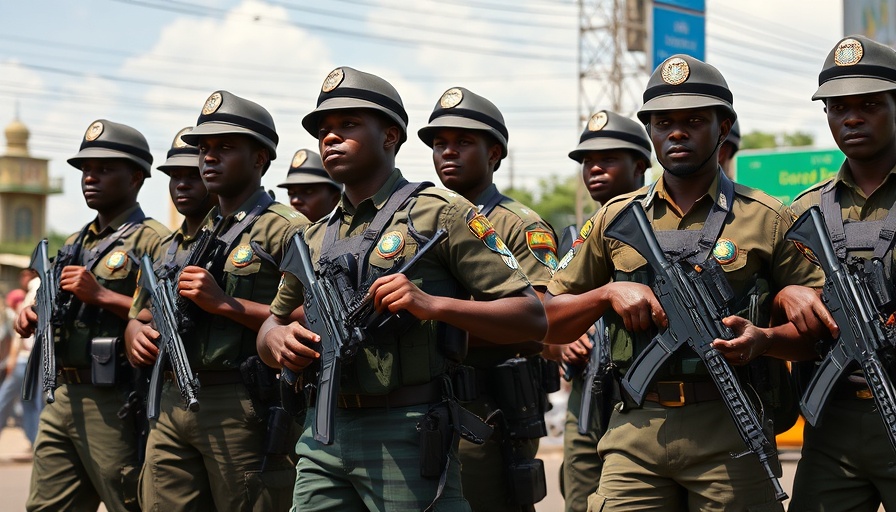
Nigerian police officers on duty in urban setting.

The Daring Rescue of Gil Itamar in Nigeria

In a dramatic turn of events, a young Israeli engineer named Gil Itamar was rescued in Nigeria after being kidnapped while driving on a road in the country's southeastern region. This event highlights both the dangers faced by foreign nationals and the commitment of local security forces in Nigeria to combat such acts of violence against citizens and expatriates.

Understanding the Context of Kidnappings in Nigeria

Nigeria has faced growing concerns over security in recent years, particularly with the rise of kidnapping incidents motivated by ransom demands. This particular case of Gil Itamar shines a light on the larger narrative concerning the security landscape in Nigeria, where foreign nationals are often targeted. For many, the ease at which criminals operate means heightened fear and caution, particularly among expatriates.

How Local Forces Made the Difference

The successful rescue of Itamar can be attributed to quick and decisive action from local security forces. Their work demonstrates not only the capability of Nigerian forces to respond to threats but also a potential shift in areas where international cooperation can thrive. The support of local forces in cases such as these is critical to ensuring safety for foreigners and local citizens alike.

The Importance of Global Awareness in Times of Crisis

This incident is a reminder of how interconnected our global community is, particularly for mission-minded Christians and humanitarian-focused individuals who engage with vulnerable populations worldwide. Understanding the challenges faced by those living and working in perilous conditions helps build empathy and encourages supportive actions that can lead to positive change.

Critical Reflections on Safety and Advocacy

For Christians and social justice advocates, it’s essential to highlight the moral obligation to pay attention to safety in troubled regions. Itamar’s case is not merely an isolated event; it reflects ongoing struggles faced by many in similar situations. Advocating for protection and promoting awareness on these issues cultivate environments where individuals feel supported and safer regardless of where they are in the world.

In conclusion, the rescue of Gil Itamar not only restores hope but also serves as a wake-up call for continuous efforts toward improving security and conditions in high-risk areas. Engagement and advocacy can play pivotal roles in this journey.

International

24 Views

0 Comments

Write A Comment

*
*
Please complete the captcha to submit your comment.
Related Posts All Posts
04.09.2026

Understanding Israel's Troubling Military Outcomes and Its Global Implications

Update Israel's Military Achievement: A Hollow Victory Despite months of military efforts in the recent conflict, Israel finds itself facing a glaring gap between military success and substantial diplomatic outcomes. The recent ceasefire, which some viewed as a necessary pause, has yielded few, if any, of the anticipated diplomatic gains. This leaves Israel with both internal divisions regarding its government’s handling of the conflict and external tensions that could spark further escalation in the region. The Broader Implications of the Conflict With no clear resolution to its main threats—particularly from Iran and other hostile entities—Israel's future strategies may need aggressive reassessment. Critics of the Israeli government argue that a failure to translate military actions into political achievements could lead to increased hostility and a lack of security for citizens. The ramifications of not establishing a stronger front diplomatically could resonate throughout the next rounds of confrontation. Community Discontent and Calls for Accountability As tensions rise, voices from within Israeli society are growing louder in their criticism of the government's conduct. Many are questioning the efficacy of military actions that have not translated into meaningful political dialogue. Public sentiment is increasingly focused on accountability, urging leaders to represent the citizenry's needs for safety and stability in a volatile region. The Role of International Perspectives Critiques extend beyond Israel's borders. Many global observers express concern about how Israel's military strategies are perceived. The international community is looking for transparency and dialogue, and the current state of affairs does little to bolster Israel's standing on the world stage. There’s a growing whisper that turning a blind eye to diplomacy not only creates a divide but could also diminish international support for Israel, especially among Christian communities globally who advocate for peace and justice in the region. The Humanitarian Angle: A Call for Support As we reflect on these developments, it's vital for mission-minded individuals and humanitarian-focused groups to respond with compassion. The ongoing tensions in this region affect all its inhabitants, leading to increased suffering, especially among the vulnerable populations. Supporting projects that promote interfaith dialogue, community aid, and reconciliation efforts is more crucial than ever. Future Directions: A Path Forward Looking ahead, Israel must grapple with tough questions about its policies and strategies. The cost of military engagement is not just calculated in military terms but in human lives, societal stability, and regional relationships. It’s clear that without a renewed commitment to seeking peace through dialogue and understanding, the cycle of violence will only perpetuate. The complexities of these issues call for an engaged and informed audience willing to act, whether by supporting humanitarian efforts or fostering conversations that bridge divides. As we think of our role in the broader narrative of faith and justice, let’s strive toward a future characterized by hope rather than despair, fostering environments supportive of peace.

04.08.2026

Easter Attacks in Nigeria: The Rise of Violence Against Christians and Communities

Update Understanding the Easter Attacks: An Unfolding Tragedy This Easter, the joy of celebration turned into sorrow for many in northern Nigeria as violent attacks overshadowed what is traditionally a time of peace and reflection. At least 33 lives were tragically taken over the weekend due to coordinated strikes by suspected Fulani militants against predominantly Christian communities. The attacks in Mbalom and Mbasombo in Benue State left 26 people dead, transforming a sacred day into one marked by mourning and fear. The Context of Violence in Northern Nigeria The situation is not isolated, as just a week prior, gunmen killed another 27 individuals in Angwan Rukuba, a mostly Christian locale in Jos. Tensions have soared in this part of Nigeria, long threatened by violence stemming from religious and ethnic divisions. Jos serves as a critical center for Christianity in the region, creating stark contrasts between its Christian and Muslim neighborhoods. According to experts, heightened tensions lead to restricted movement and a climate of fear that undermines community trust and safety. The Impact on Christian Communities As violence escalates, churches have found themselves spending more on security measures, taking necessary steps to protect congregants amid rising threats. One church leader noted, "Given the current climate, our priority has shifted from outreach to survival and protection." The implication of enduring violence not only distresses the immediate communities but also strains the ability of churches to fulfill their missions. The Grieving Harmony This Easter season, while some churches held services under curfew, others faced total obliteration of their celebrations. The overlapping narratives of grief underline a pressing humanitarian need. Local organizations like Arise Africa are urging individuals to remember those affected by these attacks. Their call for justice and protection highlights the importance of international awareness and action against the persecution of Christians in Nigeria. Broader Implications Beyond the Christian Community It's crucial to note the wider context of violence in Nigeria; the Easter attacks were not solely directed toward Christians. Reports indicated that over 150 individuals, primarily women and children, were kidnapped from rural areas in Zamfara State, which are not Christian-dominant. This illustrates a persistent cycle of violence affecting diverse communities across northern Nigeria. What Can Be Done? As we reflect on the tragic events, it is vital to consider actionable steps that can lead to change. Supporting international petitions, raising awareness through dialogues, and praying for peace not only for Christians but for all affected communities becomes paramount. Engaging with organizations advocating for justice and humanitarian support is essential in these challenging times. Join the Call to Action As part of a global community, we encourage you to sign the Arise Africa petition for the protection of vulnerable communities in Nigeria. It is crucial that we stand in solidarity, leveraging our voices for those who have been silenced by violence. Together, we can push for the justice and restoration that is desperately needed.

04.07.2026

Beneath the Surface: Why Trump Must Follow Through on Threats Against Iran

Update Acting Now to Deter Iran: The Urgency of Trump's Military StrategyIn a world deeply affected by geopolitical tensions, the stark warning from Iran’s regime provides insight into how critical the timing of U.S. action is. President Trump's threats must translate into decisive action, especially as Tehran evaluates global pressures and options. Historical contexts illuminate that enemies perceive hesitation as weakness, effectively emboldening aggressive efforts. Without immediate intervention, the clock ticks against American security interests while Iran positions itself for future gains.Understanding the Dangers of InactionIran’s ongoing underground developments and its proxy forces across the Middle East illustrate the dangers of delaying necessary military engagement. The ongoing instability in the region can be linked to Iran's actions, which emphasize the need for a strong U.S. response. Recent warnings echo throughout defense circles: lack of decisive action could lead Iran to secure irreversible advancements that threaten not only the U.S. but also its allies.The Impact of Accountability in International RelationsMoreover, taking swift actions against Iran not only serves as a deterrent in this situation but sets a tone for future engagements with other nations. The precedent set in responding to Iran can inform how future adversaries gauge the U.S.'s willingness to enforce boundaries. As the nation of Iran persists in fostering terror and pursuing nuclear capabilities, the prospect of an effective response becomes paramount; accountability in international relations is crucial to maintaining peace.The Measures Necessary for a Robust ResponseTrump's determinants of military action must involve strategic strikes aimed at crippling Iran's infrastructure. As outlined in ambition events like 'Operation Epic Fury,' while the campaign aims to obliterate Iran’s missile capabilities and diminish its naval strength, the ultimate goal must be to incapacitate the regime’s ability to pose security threats. Effective military action now could dismantle Iran's aspirations for nuclear armament, paving the way towards regional stability.Global Response to U.S. Actions and Greater ImplicationsThe outcomes of U.S. military decisions will resonate far beyond the immediate context. Allies and adversaries will scrutinize the results of such endeavors, using them as metrics for future engagements with the U.S. How effectively the Trump administration can pivot from rhetoric to tangible action will influence America’s standing in international politics, particularly in regions plagued by conflict. It is crucial that the results underscore a reassertion of U.S. strength on the global stage.In Conclusion: A Call for Unified ActionAs we navigate these tumultuous times, it is imperative for U.S. policy to align with decisive military action against hostile regimes. Strengthening international alliances through tangible results against Iran will symbolize a broader resolve amidst potential global threats. Therefore, individuals concerned with both national and international stability should advocate for prompt and effective measures to ensure that U.S. threats are taken seriously, paving the way for a stable and secure future.

Terms of Service

Privacy Policy

Core Modal Title

Sorry, no results found

You Might Find These Articles Interesting

T
Please Check Your Email
We Will Be Following Up Shortly
*
*
*