Add Row
Add Element
cropper
update

Biblical Living Unlocked

Logo - Biblical living unlocked
update
Add Element
  • Home
  • Categories
    • Biblical Parenting
    • Parenting Tips
    • Family Fellowship
    • Bible Teaching
    • Apologetics
    • Community Stories
    • Youth Focus
    • International
    • Walton Evangelical Church
    • Salt Church Mar Menor
    • Salt Church Los Montesinos
    • John Piper
    • News & Offers
Add Element
  • Ken on Facebook
    update
  • update
  • update
  • update
  • update
  • update
  • update
February 27.2026
9 Minutes Read

The Complete Legal Guide to Street Evangelism in England and Wales

Did you know that street evangelism in England and Wales is governed by specific legal frameworks that protect your rights while ensuring public safety? Understanding these laws empowers you to share your faith confidently and responsibly, avoiding legal pitfalls and fostering respectful engagement with the community. Whether you're new to street preaching or seeking an informed refresher, this guide demystifies the legal landscape so you can proclaim the gospel boldly without fear.

Introduction: Understanding Your Rights in Street Evangelism

  • Overview of legal protections for street evangelism

  • Importance of knowing the law to preach confidently

  • Clarification on COVID-19 restrictions exclusion

Street evangelism holds a special place in public expression, and it is vital to know that your right to preach on public streets and certain public spaces in England and Wales is strongly protected by law. This legal guide to street evangelism offers clarity about what you can do and how to stay within your rights, so you can focus on sharing your message with confidence.

It’s important to note that this guide addresses the standard legal environment when there are no extraordinary restrictions, such as those sometimes imposed, for example, during the COVID-19 pandemic. These temporary measures vary, and this guide focuses on the enduring law that applies during normal times.

Steve Harris, a legal expert with OAC Ministries, assures us, “We have great freedom to preach on the streets. The police aren't out to get us.”

This foundational reassurance helps evangelists embrace their public ministry without unnecessary fear. Understanding your rights reduces hesitation and helps you minister effectively while respecting the law.


Confident street evangelist calmly speaking on a public street with red buses and Victorian architecture in England

What Constitutes a Public Street for Evangelism Purposes?

  • Definition of public streets versus private land

  • Precautions around shopping centres and private property

  • Public parks and bylaws affecting preaching

When preaching on the streets, it’s crucial to distinguish between public streets - where you have an inherent right to speak - and private land, which requires permission from the landowner. Public streets in England and Wales are generally open to all, allowing free speech and preaching without prior consent.

However, be cautious when preaching in areas that appear public but are privately owned, such as some shopping centres or commercial courtyards. These locations may have their own rules prohibiting unauthorised preaching or distribution of literature, and breaching those rules can lead to legal complications.

Public parks usually permit preaching too, but always check for bylaws at park entrances that might restrict or prohibit it. In the absence of such bylaws, the park is treated much like a public street for evangelism purposes.

Navigating Private vs Public Spaces

  • How to identify if a location is public or private

  • Legal implications of preaching on private land

Identifying whether an area is public or private can sometimes be tricky.

Public streets are maintained by local authorities and are accessible to everyone freely.

Private land is owned by individuals or companies who may impose restrictions. Signs, fencing, or gates often indicate private property, but not always, so when in doubt, seek clarity from landowners or local authorities.

For those interested in the deeper spiritual motivations behind public ministry, exploring the concept of being God's agent of repentance can provide valuable perspective - see how embracing our role as God’s agents of repentance shapes our approach to evangelism.

Preaching on private land without permission can constitute trespassing and may expose you to legal action. Always verify your location’s status before setting up. If uncertain, it’s often safer and more legally sound to preach on a clearly public street or publicly owned park.


Urban city scene showing distinction between public street with freely moving pedestrians and adjacent private courtyard cordoned off, in England

Handling Offense and Hostility During Street Evangelism

  • Legal stance on offending listeners

  • Distinguishing gospel message offense from personal offense

  • Recommended responses to hostility

A common concern for evangelists is whether offending someone with the gospel message can lead to being stopped or facing legal repercussions. Legally, you cannot be silenced or stopped simply because someone is offended by your message. The law protects freedom of expression, even if the gospel is challenging or makes listeners uncomfortable.

Steve Harris of OAC Ministries emphasises, “It's the gospel that's offensive, not us. We should aim to win people to Christ, not to be offensive ourselves.”

This highlights an important distinction: the message may convict or challenge, but our manner should remain respectful and loving.

If your evangelism is met with hostility or provocation, it’s wise to assess how effective your approach is in that setting. Sometimes varying the tone or offering to engage in more private conversations can be the most Christ-like and strategic response. The goal is to share the gospel clearly, not to escalate conflict or shut down dialogue.

Criminal Law Considerations: The Redmond Case Explained

  • Summary of Redmond v Director of Public Prosecutions (1999)

  • Key legal principles on breach of peace and lawful conduct

  • Determining the source of threat: preacher or crowd

The landmark case of Redmond v Director of Public Prosecutions (1999) clarifies important criminal law principles related to street evangelism. In this case, Mr Redmond continued preaching despite police requests to stop due to a feared breach of the peace.

The court ruled that if disorderly or violent behaviour originates from spectators or passersby rather than the preacher, it is those causing the disruption who should be asked to desist or arrested, not the lawful preacher.

This places the responsibility on those reacting with hostility rather than the person exercising their lawful right.

The judge highlighted three critical factors to consider: the imminence of any threat, the source of the threat (preacher or crowd), and whether lawful conduct is being pursued. Since preaching the gospel lawfully fits under lawful conduct, disruption caused by the audience should be managed accordingly.

Civil Law and Obstruction: What Evangelists Need to Know

  • Understanding obstruction under the Highways Act 1980, Section 137

  • Factors affecting obstruction: duration, position, purpose

  • Practical tips to avoid obstruction while preaching

In civil law, street evangelists must be mindful of causing obstruction under the Highways Act 1980, Section 137. Willfully obstructing free passage along a highway can be an offence if it prevents others from moving freely for a significant duration.

Key factors that determine obstruction include how long the obstruction lasts, where you set up, the purpose behind your gathering, and whether the obstruction is actual or potential. Briefly stopping to speak with someone rarely counts as obstruction, but setting up in narrow spaces or blocking entire pathways for long periods may cause legal issues.

To minimise risk, OAC Ministries advises setting up close to existing street furniture like lampposts or benches to avoid creating new blockages and to choose wide pavements or open areas that allow pedestrian flow.

Real-Life Example of Obstruction in Street Evangelism

  • Story of an evangelist causing obstruction due to crowd size

  • Lessons learned and best practices

One fellow evangelist from OAC Ministries recounted a time when preaching drew such a large crowd that police pointed out no one could pass freely along the street. Although initially unaware, the evangelist acknowledged the obstruction and adapted by choosing locations that better accommodated public movement.

This story teaches an important lesson: while attracting an audience is encouraging, it’s essential to maintain awareness of your environment and ensure public access is preserved to remain within the law.


Large crowd around street preacher causing minor obstruction on wide English sidewalk with pedestrians nearby

Distributing Literature: Legal Rights and Restrictions

  • Overview of the Clean Neighbourhoods and Environment Act 2005

  • Exemption for religious literature distribution

  • Advice on handling challenges from authorities

The Clean Neighbourhoods and Environment Act 2005 includes provisions regulating distribution of printed matter to prevent littering. It requires consent from the principal litter authority to distribute printed materials in public places.

Crucially for evangelists, Section 4(b) provides an exemption for distribution done for religious purposes, meaning handing out gospel leaflets is legally protected and does not require prior approval. Christians encountering challenges should ask for written confirmation citing this exemption to prevent future misunderstandings.

Knowing this legal protection helps evangelists confidently distribute literature without fear of being unlawfully stopped.


Street evangelist smiling and handing out gospel leaflets to passersby on a busy UK pedestrian street

Interacting with Police During Street Evangelism

  • Recommended approach when stopped by police

  • How to calmly discuss legal rights and resolve issues

  • Importance of respect and courtesy for positive outcomes

Encounters with police during street evangelism can be a source of anxiety, but a respectful and calm approach often leads to positive outcomes. The police’s role is to maintain public order and safety, not to impede your lawful ministry.

Steve Harris advises, “If you are kind and courteous and respectful to the police, they will respond in a much better manner.”

Asking calmly why you are being asked to stop and discussing solutions can often resolve misunderstandings.

If told permission is needed, politely inquire who grants it and request suggestions for alternative preaching locations. Cooperation and dialogue demonstrate your intent to comply with reasonable concerns while exercising your rights.
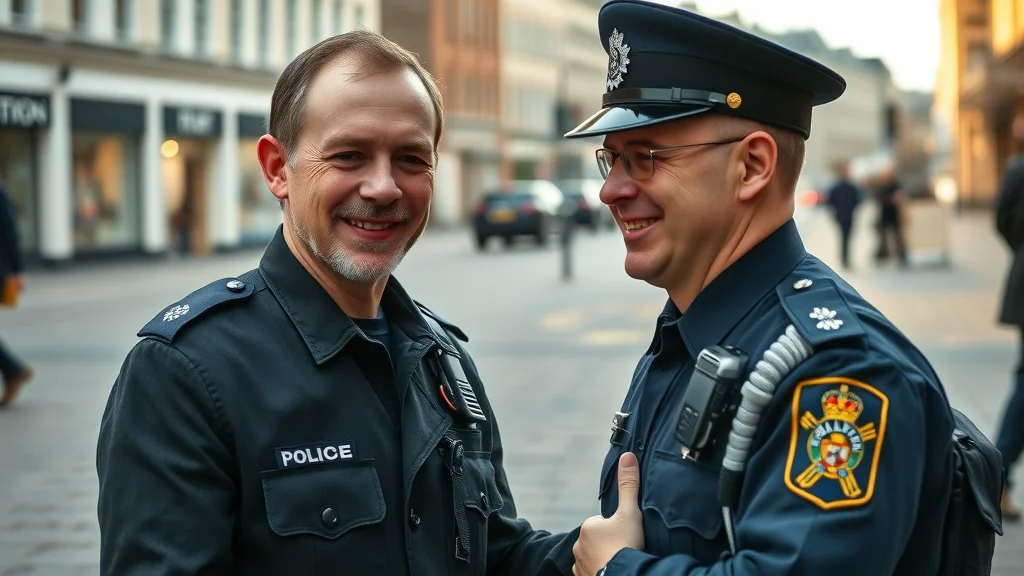

Street evangelist and UK police officer engaging respectfully in city centre with friendly expressions

Practical Tips for Effective and Lawful Street Evangelism

  • Choosing appropriate locations to avoid legal issues

  • Balancing boldness with sensitivity in messaging

  • Setting up to minimise obstruction and respect public space

To preach effectively and lawfully, select wide public spaces free from nearby private property restrictions and avoid blocking foot traffic. Setting up beside existing street furniture helps minimise obstruction and complies with civil law.

Bold, clear gospel presentation should be tempered with sensitivity to listeners. Being courteous, listening, and responding thoughtfully builds bridges rather than barriers.

Preparation and awareness enhance your ministry: know the law, respect your audience, and maintain peace. This enables street evangelism that is both impactful and legally protected.

What You'll Learn in This Guide

  • Your legal rights to preach on public streets and parks

  • How to avoid common legal pitfalls in street evangelism

  • Effective communication strategies when facing opposition

  • How to handle police interactions professionally

  • Understanding civil and criminal law relevant to evangelism

Frequently Asked Questions About Street Evangelism Law

  • Do I need permission to preach on the street? No, you generally do not need permission to preach on public streets.

  • Can I be stopped for offending someone? No, offence to listeners is not grounds to stop lawful preaching.

  • What should I do if police ask me to stop? Stay calm, ask politely why, and discuss possible solutions.

  • Is distributing gospel literature legal without consent? Yes, religious literature distribution is exempt from litter authority consent.

  • How do I avoid causing obstruction? Choose wide spaces and set up near existing street furniture to minimise blockage.

Summary Table: Legal Guide to Street Evangelism

Legal Aspect

Key Points

Practical Advice

Public Street Preaching

No permission needed on public streets

Verify location is public, avoid private property

Offence

Cannot be stopped for offending listeners

Focus on clear gospel message, avoid personal offence

Criminal Law

Threat must come from preacher to stop

Assess crowd behaviour, maintain lawful conduct

Civil Law - Obstruction

Avoid willful obstruction of passage

Set up near street furniture, choose wide areas

Literature Distribution

Exempt from litter authority consent if religious

Know your rights, request written confirmation if challenged

Key Takeaways

  • Street evangelism is legally protected on public streets and parks without bylaws prohibiting it.

  • Offending listeners is not a legal ground to stop preaching, but approach should be respectful.

  • Police generally support lawful preaching; cooperation and calm dialogue are essential.

  • Avoid causing obstruction by mindful location choice and setup.

  • Distribution of religious literature is exempt from certain littering laws.

Conclusion: Empowered to Preach with Confidence and Respect

  • Recognise your legal freedoms and responsibilities.

  • Share the gospel boldly and lawfully with respect for others.

  • Seek out resources to deepen your understanding and support your ministry.

As Steve Harris of OAC Ministries encourages, “Go and share the good news of Jesus Christ so that those who may never hear it will have the chance to respond.”

Further Resources and Call to Action

  • Access detailed legal guides and evangelical resources.

  • Visit The Street Preacher’s Charter for comprehensive support.

  • https://the.ci/streetpreachers

If you’re eager to deepen your understanding of the spiritual calling behind public ministry, consider exploring broader themes of repentance and teaching. Our article on embracing our role as God’s agents of repentance in teaching offers valuable insights that can enrich your approach to evangelism and help you connect more meaningfully with those you encounter. By integrating legal knowledge with a heart for transformation, you can take your street ministry to the next level - equipped, inspired, and ready for lasting impact.

Sources

  • Highways Act 1980, Section 137

  • Clean Neighbourhoods and Environment Act 2005, Section 1(4)(b)

  • Redmond v Director of Public Prosecutions (1999)

  • The Street Preacher’s Charter

  • OAC Ministries official guidance and legal updates

For those seeking to deepen their understanding of the legal aspects of street evangelism in England and Wales, “The Street Preacher’s Charter” by The Christian Institute offers a comprehensive guide on the rights and responsibilities of public preaching, including practical advice and real-life scenarios. (christian.org.uk)

Additionally, OAC GB Ministries provides insights into street evangelism and legal rights, emphasizing the importance of knowing one’s freedoms and the limitations regarding public preaching. (oacgb.org.uk) These resources are invaluable for anyone looking to engage in street evangelism confidently and lawfully.

Ken Johnstone MBA BSc - Executive Editor, Biblical Living Unlocked

This article is for general guidance only and does not constitute legal advice.

Community Stories

6 Views

0 Comments

Write A Comment

*
*
Related Posts All Posts
02.27.2026

Navigating Complex Issues: A Christian Perspective on Puberty Blockers, Assisted Suicide, Adoption, and Marriage

Update Understanding Today’s Complex Issues Through a Christian Lens The topics of puberty blockers, assisted suicide, adoption, and marriage have recently sparked conversations within our communities. Each issue carries deep implications for families, particularly for those who uphold Christian values. In a world where societal norms seem to change rapidly, it is essential to reflect on these matters thoughtfully and compassionately.In CI News: 27 February 26 - #PubertyBlocker #AssistedSuicide #Adoption #Marriage, we delve into pressing topics and their impact on families, prompting a deeper analysis on our part. The Role of Faith in Complex Choices As Christians, we often turn to Scripture for guidance in difficult situations. Discussions around puberty blockers center on how we support young individuals exploring their identity. Parents may feel torn between supporting their child's feelings and adhering to biblical principles. The Bible emphasizes the importance of guiding children—"Train up a child in the way he should go" (Proverbs 22:6). This principle involves not merely accepting the present societal trends but fostering a loving dialogue that encourages discernment. Assisted Suicide: A Life and Death Dilemma Another pressing issue is assisted suicide. While many argue for the right to choose an end to suffering, this confronts Christians with profound ethical questions. Shouldn't the sanctity of life, as outlined in Genesis 1:27, guide our actions? There is a call to advocate for compassionate care that aligns with Christian values, prioritizing support over the choice to end life. This viewpoint seeks to uphold dignity while respecting life’s inherent value. Adoption: Reflecting God’s Love in Action The life-affirming choice of adoption showcases a powerful expression of love and hope. In a world where many children yearn for families, Christians are reminded of their calling to help those in need. James 1:27 states, "Religion that God our Father accepts as pure and faultless is this: to look after orphans and widows in their distress." Adoption not only gives vulnerable children a chance at a family but also allows biological parents to make a loving choice for their child, reflecting God's love in action. Marriage: Upholding the Sacred Union Lastly, the topic of marriage, defined as a sacred union between a man and a woman, often meets with challenge and change. Christians stand firm in advocating for this biblical definition as they navigate a culture that has redefined relationships. Engaging in conversations about the meaning of marriage through a biblical lens is essential for the next generation. It invites engagement and deeper understanding within our communities, empowering youth with knowledge and faith-based values. Facilitating Conversations for Change Understanding these critical issues through biblical teachings offers a path toward engaging with complex societal challenges. Supporting open dialogue in our churches and communities empowers individuals to seek clarity in their beliefs. It's vital that parents equip their children with the tools necessary to navigate these changes in society, fostering a safe environment to express their thoughts and feelings. In light of these often-divisive topics, it’s crucial to create spaces where youth feel comfortable discussing their viewpoints and questions. By instilling confidence to engage with these issues, we not only guide them but fortify their faith for the future. This approach enhances the importance of biblical parenting, aligning everyday conversations with Christian teachings. The conversations surrounding puberty blockers, assisted suicide, adoption, and marriage are not just societal debates but real-life dilemmas faced by families. Engaging with these topics offers an opportunity to reflect deeply on our values and how we can support one another—especially our youth—in understanding their faith and responsibilities in today’s changing world.

02.26.2026

Rowan Atkinson on Free Speech: Crucial for Upholding Christian Values

Update The Essence of Free Speech: Rowan Atkinson's Perspective When we think about freedom of speech, it’s important to understand what it really means. In a recent talk by famed comedian Rowan Atkinson, he argues against laws that limit speech. Atkinson fears that stifling free expression can lead to greater harm in society. He believes that humor, in particular, is essential in helping society address complex subjects, including those around faith and politics.In Rowan Atkinson on anti-free speech laws (2012), the discussion dives into the importance of free expression, igniting deep thought on its role in our society. Why Free Speech Matters in Upholding Christian Values For many people, especially those interested in Christian values, protecting free speech is fundamental. It allows individuals to express their beliefs openly, contribute to discussions about faith, and share the teachings of Christ without fear of censorship. When discussions around Christianity are silenced, the essence of faith—love, humility, and grace—can be overshadowed by societal pressures. Having the freedom to speak out allows for dialogue that can lead to greater understanding and unity among believers. Seeing the Bigger Picture: Faith and Politics Atkinson’s thoughts resonate with the ongoing tensions between faith and expression in society. Historically, different leaderships have controlled religious expressions, often leading to conflict. For Christians, having the ability to express their faith freely is crucial. It invites others into discussions about God, encourages interfaith dialogues, and can foster a richer community spirit. The Danger of Censoring Ideas One of Atkinson's key points is that certain speech and ideas should not be criminalized. When we censor opinions, we risk creating an environment where only one narrative thrives, devoid of diversity. Imagine a world where only specified beliefs are accepted—where do we draw the line? For communities that uphold Christian values, this could detract from the very principles that encourage compassion, debate, and growth. Discussions, sometimes uncomfortable, are vital for any society. Encouraging Open Dialogue: A Path to Understanding As advocates for free speech, Christians are in a unique position to promote open dialogues about their values. Engaging respectfully with differing viewpoints enriches our understanding of the world around us. Young adults and youth, in particular, benefit from learning how to defend their beliefs and engage with culture without fear. Providing them with tools to articulate their faith fosters confidence and resilience. Conclusion: Protecting Our Freedom Atkinson’s presentation reminds us why it’s crucial to protect free speech, especially in a world where many strive to limit it. Upholding the right to communicate freely isn't just about legal freedom—it’s about fostering a community where love, faith, and understanding thrive. As discussions unfold around this topic, it helps to remember that faith, especially when nurtured through free expression, can lead to a more compassionate world. As we navigate these complex issues, let’s champion the cause of free speech to ensure that everyone can freely express their beliefs, share their experiences, and contribute to a community rooted in understanding. Overall, protecting free speech helps us uphold Christian values that promote love and compassion in society.

02.25.2026

Embracing Christian Faith in Adoption: A Supportive Community

Update Faith in Adoption: A Supportive JourneyChristian values play a significant role in shaping the journey for prospective adoptive and foster parents. Many families are called to provide homes for children in need, and yet, this path can be fraught with challenges. Enter various Christian charities dedicated to nurturing faith within these families during their adoption and fostering journeys.In 'Christian charity nurtures parents’ faith in their adoption and fostering journey', the discussion dives into the pivotal role of Christian charities in this journey, exploring key insights that have inspired this deeper analysis. Through prayer, community support, and scripture-focused guidance, these organizations help to instill strength in parents who might feel overwhelmed. Engaging with others who share similar values enables family resilience, enhancing the capability to face challenges with faith as their foundation.The Role of Faith-Based Support in AdoptionFaith-based organizations often foster a sense of community among those involved in adoption and fostering. By integrating their spiritual beliefs into the process, parents can cultivate a deeper understanding of their commitment to these children. Groups like Salt Church engage members in discussions and programs that highlight biblical principles related to love, acceptance, and family.Building Community ConnectionsHaving the support of a Christian community reduces isolation that many adoptive families might experience. The shared belief system instills a sense of belonging, guiding parents to connect with others who are experiencing similar challenges.Joining workshops and family fellowship activities provides not just practical knowledge but also emotional backing, creating a robust support network. This connection serves as a reminder that their mission aligns with their faith and values, enhancing their sense of purpose.Navigating Challenges Through FaithAdoption and fostering come with unique hurdles, including navigating the emotional landscapes of children from various backgrounds. It is essential that parents seek resources and support during these trying times. Christian charity organizations provide family counseling, which can offer methods for coping with trauma and emotional baggage that adopted children often carry.Moreover, cultivating an understanding of parental roles through scriptural references encourages couples to lean on their faith for strength. They are taught to perceive pauses in engagement as moments to pray and reflect, reaffirming their steadfast commitment to parenthood.Future Trends: Increasing Support for FamiliesAs the landscape of adoption changes, so too does the role that faith-based communities play in providing support. With an increase in the number of families choosing to adopt and foster, more Christian initiatives are popping up to address the emotional and spiritual needs of these families.Furthermore, there is a growing recognition for educating children about inclusivity and understanding through faith. Families are learning to embrace the complexity of each child’s story, viewing it through the lens of Christian teaching that promotes empathy and love.Decisions Spurred by FaithUnderstanding the influence of faith in parenting is essential for those considering adoption. It can be the guiding force during moments of doubt. Engaging with community resources helps parents make informed decisions that reflect not just their desires but also their values.Moreover, integrating faith in discussions around adoption allows parents to build a cohesive narrative for their children about their backgrounds and decision-making processes.Acting with Purpose: What This Means for FamiliesThe call to adopt or foster is a divine command for many Christian families, prompting a sense of duty to help those less fortunate. This journey is not merely an act of charity; it is a collaboration with God’s purpose for humanity.As families navigate this path, equipping themselves with theological insights and practical knowledge forms a powerful foundation. It encourages them not just to care for children but to nurture their spirits, learning together what it means to embody Christian love in a tangible sense.Common Misconceptions about AdoptionThere are various myths surrounding adoption and fostering—one being that it is only for certain families. In reality, loving homes come in all shapes and sizes, and being committed to a Christian faith can be a uniting factor that strengthens this mission.Addressing these misconceptions can open doors for more families to consider adopting. With the truth that every home has something special to offer, it creates a broader understanding of what family means within a Christian context.Conclusion: Embarking on a Faith-Inspired JourneyThe journey of adoption and fostering is undeniably complex, yet organizations that center their efforts around faith can make a significant difference in parents’ lives. As families become more engaged in their communities and immersed in the teachings of their faith, they will find the tools necessary to overcome challenges together.If you’re standing at the crossroads of this decision, consider reaching out to a local Christian charity for guidance and support. Together, you can embark on a journey filled with love, hope, and purpose.

Terms of Service

Privacy Policy

Core Modal Title

Sorry, no results found

You Might Find These Articles Interesting

T
Please Check Your Email
We Will Be Following Up Shortly
*
*
*