Add Row
Add Element
cropper
update

Biblical Living Unlocked

Logo - Biblical living unlocked
update
Add Element
  • Home
  • Categories
    • Biblical Parenting
    • Parenting Tips
    • Family Fellowship
    • Bible Teaching
    • Apologetics
    • Community Stories
    • Youth Focus
    • International
    • Walton Evangelical Church
    • Salt Church Mar Menor
    • Salt Church Los Montesinos
    • John Piper
    • News & Offers
Add Element
  • Ken on Facebook
    update
  • update
  • update
  • update
  • update
  • update
  • update
April 06.2025
2 Minutes Read

Syria's Chemical Weapons: What This Means for Global Peace and Justice

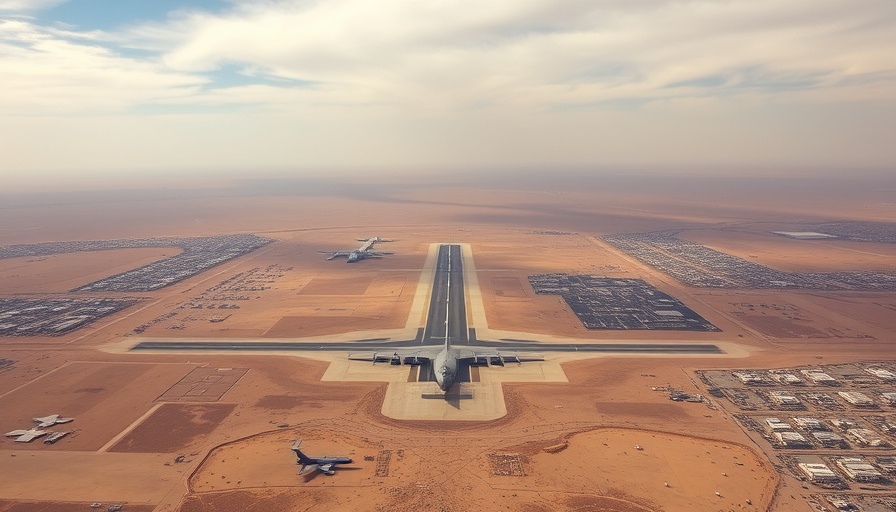
Aerial view of a Syrian airfield linked to chemical weapons activity.

Syria's Hidden Threat: The Chemical Weapons Dilemma

Recent reports suggest that Syria may be harboring chemical weapons in over 100 locations, a startling estimate provided by the Organization for the Prohibition of Chemical Weapons (OPCW). This disclosure has raised alarms internationally, highlighting the ongoing challenges surrounding Syria's military capabilities and the implications for regional stability.

The Context of Chemical Weapons in Syria

Since the onset of the Syrian conflict, the use of chemical weapons has haunted discussions about humanitarian crises and international law. The chemical attacks that have been documented since 2013, including the infamous Ghouta attack, are stark reminders of the atrocities committed during this war. The OPCW's findings come at a time when the global community is increasingly aware of the urgent need to address the consequences of these weapons and the humanitarian toll they inflict.

The Impact of Israeli Military Action

Israeli military strikes have complicated the landscape surrounding Syrian chemical disarmament efforts. An expert in international relations noted that these actions could disrupt attempts to control or eliminate the remnants of Assad's chemical arsenal. The reality is that every military engagement can lead to unforeseen complications in the already fragile political equation in Syria.

Regional and Global Ramifications

The existence of chemical weapons in Syria poses a significant threat not just to its neighbors but also to global peace and stability. Countries within the region watch closely, particularly those that have been directly implicated in the alliances and rivalries stemming from the Syrian war. The ongoing distrust contributes to rising tensions among nations and communal groups.

Why This Matters to Christian Communities

For mission-minded Christians and believers concerned about global justice, the developments in Syria raise critical ethical questions. Many in the Christian community are involved in humanitarian efforts to support those suffering as a result of the conflict. Understanding the issue of chemical weapons is imperative for advocates who seek to provide assistance in conflict zones, as well as for those engaged in dialogues on peace-building.

This Is a Call to Awareness

The exposure of Syria's chemical weapons situation is not just a geopolitical issue but a humanitarian crisis that affects many innocent lives. Christians and all global citizens should remain engaged, support humanitarian efforts, and advocate for peaceful resolutions. Let us not forget the human stories behind the headlines; every statistic represents a family, a community caught in turmoil.

By educating ourselves on the real implications of these weapons, we nurture empathy and foster discussions around faith and justice. We must be advocates for peace, standing alongside those who are suffering, and ensuring that their voices are heard.

International

18 Views

0 Comments

Write A Comment

*
*
Related Posts All Posts
12.02.2025

Israel Hayom Summit: A Crucial Step in Strengthening US-Israel Relations

Update Uniting Voices: The Significance of the Israel Hayom Summit In an era where global relationships and community bonds face unprecedented challenges, the Israel Hayom Summit emerges as a beacon of hope and dialogue. Taking place right in the heart of Manhattan, this first-ever summit aimed at fostering stronger ties between the United States and Israel represents much more than a conference. It serves as a crucial platform for leaders to unite against rising antisemitism, manage diplomatic relations, and discuss strategies for a better future. Bridging Communities: A Call for Jewish Unity Dr. Miriam Adelson, host of the summit, opened the event with a poignant reminder of how interconnected the global Jewish community truly is. Attendees such as former U.S. Secretary of State Hillary Clinton and World Jewish Congress President Ron Lauder stressed the importance of unity in the face of increasing tensions and threats. Lauder's call for renewed Jewish identity and solidarity reflects a shared responsibility not only to Israel but to Jewish people worldwide. The Rising Tide of Antisemitism The backdrop of the summit was marked by a notable increase in antisemitic incidents across the United States, especially in cities with large Jewish populations like New York. Experts, including Deputy U.S. Attorney General Harmeet Dhillon, addressed these rising concerns head-on, discussing how both the U.S. and Israel can work together to counteract these challenges. Understanding strategies to combat hate and fostering open dialogue can pave the way for a safer and more inclusive environment for all. Future Predictions: A New Era of Relations As the summit unfolded, attendees were alerted to the shifting geopolitical landscape. With discussions led by U.S. Ambassador to the UN Mike Waltz regarding Gaza’s future and the complexities surrounding normalization processes, experts highlighted the necessity of an adaptive approach to diplomatic ties. Future leaders in politics and advocacy must be well-prepared to navigate and shape a new narrative around Israeli and American relations. Personal Stories: The Human Cost of Conflict A poignant aspect of the summit was the testimonies from former hostages Evyatar David and Guy Gilboa-Dalal, who shared their harrowing experiences. Such narratives ground the broader discussions in humanity, reminding attendees of the real-life implications of political decisions and conflicts. It’s these personal stories that underscore the need for solidarity and support among communities facing adversity. Interfaith Dialogue: Building Bridges for the Future To address religious tensions and build mutual respect, facilitating interfaith conversations remains crucial. The summit included diverse perspectives, showcasing both Jewish and Christian leaders committed to advocacy, humanitarian efforts, and peace. It highlighted the importance of interfaith relationships in combating intolerance and fostering global security. As this remarkable summit concluded, it became clear that the Israel Hayom Summit is not merely a one-time event but rather the beginning of continual discourse aimed at strengthening Jewish identity, combating antisemitism, and enhancing relationships with allies. Engaging with these dialogues is vital for anyone interested in shaping the future of Israel, Jewish communities, and the global landscape. For those looking to stay engaged, consider attending future events or participating in local discussions about Israel's role on a global stage. Building understanding and community starts with awareness and action.

12.01.2025

Trump Reinforces Importance of U.S.-Syria Dialogue Amid Israeli Tensions

Update A New Era of Diplomacy: Trump’s Strong Message to Israel In a bold move signaling a shift in U.S. foreign policy, President Donald Trump has underscored the importance of Israel maintaining constructive dialogue with Syria. With tensions escalating following violent confrontations, Trump's call for diplomacy aims to foster a more stable and prosperous relationship between these neighbors in a complex and often hostile region. Understanding the Context: The Role of Syria The recent political landscape in Syria has been tumultuous. Following years of civil strife, the election of President Ahmed al-Sharaa has offered a glimmer of hope for a different future. Trump expressed that the newly elected leader is making diligent efforts to rebuild Syria and that constructive communication should be prioritized over military actions that only exacerbate tensions. Amidst this backdrop, Trump's message stands out as a plea for peace in a region often marred by violence. His call for Israel to refrain from destabilizing actions is a reminder of the fine line that regional powers must walk in the effort to achieve stability. Historical Context: Israel and Syria's Tense Relationship Historically, the relationship between Israel and Syria has been fraught with conflict. Geopolitical clashes have defined their interactions, and military actions, including Israel’s recent airstrikes, illustrate ongoing hostilities. However, with the rise of new leadership in Syria, there is potential for reevaluation of this contentious relationship. As America continues to play a mediator role, the relationship can pivot towards dialogue. The Broader Implications for the Middle East Trump’s advocacy for a renewed dialogue may represent a beacon of hope not just for Syria and Israel, but for wider Middle Eastern peace efforts. The potential success of this diplomatic engagement could influence the dynamics of the region, offering a model for conflict resolution that emphasizes dialogue over military aggression. Both countries could stand to benefit economically and politically from peaceful relations. This could also play a role in stabilizing the region further, paving the way for lasting peace. Challenges Ahead: A Call for Caution Despite this optimistic vision, challenges remain formidable. Israeli military actions in Syria have not ceased, and the frequency of airstrikes raises questions about commitment to peace talks. Moreover, geopolitical players like Hezbollah and Iran could complicate any progress towards stability, making the need for serious dialogue even more pressing. Moving Forward: A Hope for Dialogue The future of the Israel-Syria relationship remains uncertain, but the emphasis on dialogue presents opportunities for change. By prioritizing conversation, Trump and the U.S. government are making it clear that the path to peace requires effort from both sides. Moreover, engaging in humanitarian efforts and seeking ways to support Syria’s recovery can foster goodwill and facilitate ongoing discussions. For globally aware Christians and socially engaged individuals, it is essential to stay informed about these developments. Engaging in prayer and advocacy for peaceful outcomes in this relationship is a meaningful way to contribute to creating a peaceful world. Call to Action: Advocate for Peace As the situation unfolds, remain informed and consider advocating for policies that support peaceful dialogues between Israel and Syria. Your voice can help influence a positive direction for these nations and foster healing across the Middle East.

11.30.2025

Israel's Worries About U.S. Driven Timeline in Gaza Amid Humanitarian Crisis

Update Israel's Concerns Over U.S. Influence in the Gaza Conflict As tensions heighten in Gaza, Israel fears that U.S. pressure will dictate the terms of how to handle the ongoing conflict, particularly regarding Hamas. With only two hostages remaining in the hands of the terrorist organization, Israel's defense establishment is anxious that Washington’s eagerness may undermine Israel’s ability to dismantle Hamas effectively. The Trump administration's approach to a multi-phase plan aims to bring peace, but there are significant anxieties about foreign influence overshadowing regional security interests. The Complex Web of U.S. Policy Toward Palestine Understanding the historical context of U.S. policy in the region sheds light on current dynamics. A timeline of the U.S. approach shows shifts from outright support for Israel to attempts at facilitating discussions between conflicting parties, particularly focusing on the Palestine Liberation Organization (PLO). These developments underscore decades of diplomatic engagements that have shaped America's role as a mediator in this enduring conflict. Notably, the American political landscape’s reaction to Hamas and its classification as a terrorist organization has become a sticking point that complicates peace efforts. The Humanitarian Crisis and Its Implications The situation in Gaza has reached critical levels, with reports indicating thousands of casualties following military operations. As Israel prepares for the second phase of negotiations to recover hostages, the humanitarian impact cannot be overlooked. Civilians face dire conditions, marked by shortages of food, medical supplies, and basic necessities. This reality heightens the urgency for international advocacy, especially from humanitarian-focused Christians who are observing the fundamental challenges faced by those in Gaza. Parallel Events Impacting the Conflict Historically, similar patterns of violence and negotiations have been observed. For instance, the rise of militant groups often followed humanitarian crises, which in turn fueled cycles of violence. The latest ceasefire agreement reflects an understanding of the urgent need for peace, echoing tender moments in past negotiations where both sides sought solace amidst conflict-driven despair. Each new agreement or truce introduces opportunities for dialogue, yet Israel’s fears remain that these initiatives could be undermined by external political influences or internal divides. Future Predictions: A Delicate Balance The negotiation landscape remains precariously poised. If America continues to push for timelines that are not in alignment with Israel's security concerns, there is a substantial risk of reigniting violent encounters in Gaza. Future negotiations are crucial not only to reclaim hostages but to foster a legitimate path toward lasting peace. Observers must remain vigilant as historical grievances and contemporary political maneuvers influence this ongoing situation. The potential for a renewed conflict looms as interfaith dialogues and strategic advocacy efforts seek to bridge divides between communities and cultures. Call to Action: Engage in Advocacy and Awareness As concerned individuals committed to social justice and humanitarian efforts, it's vital that we stay informed and engaged. Supporting initiatives that promote interfaith dialogue, humanitarian aid for Gaza, and advocacy for peaceful resolutions can make a meaningful impact. Let’s come together to foster understanding and cooperation across cultures, aligning our voices for the pressed needs of those caught in cycles of violence.

Terms of Service

Privacy Policy

Core Modal Title

Sorry, no results found

You Might Find These Articles Interesting

T
Please Check Your Email
We Will Be Following Up Shortly
*
*
*